Elvis Presley Enterprises Sues AI Firm Suno Over Unauthorized Voice Cloning and Intellectual Property Misappropriation

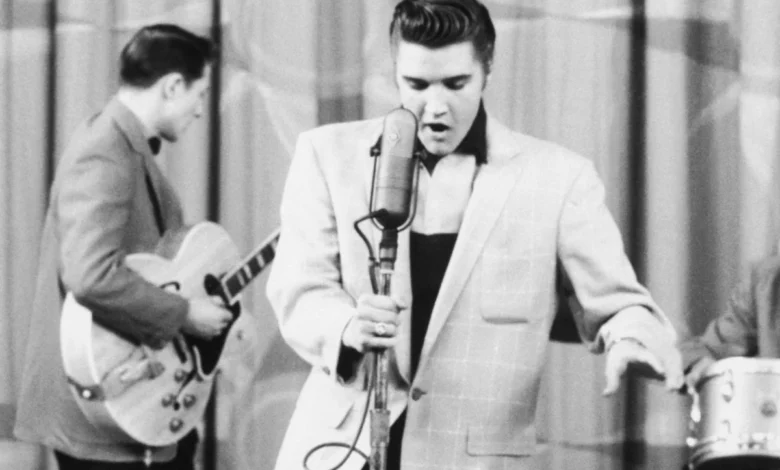
The legal landscape surrounding generative artificial intelligence has entered a volatile new chapter as Elvis Presley Enterprises, the entity managing the estate of the late rock-and-roll icon, has launched a high-stakes lawsuit against the AI music platform Suno. This legal action marks a departure from traditional copyright infringement claims, shifting the focus toward the protection of individual likeness rights and the commercial exploitation of a deceased performer’s unique identity. Filed in the wake of mounting industry-wide tension between the creative arts community and Silicon Valley, the suit underscores the growing urgency among rights holders to establish legal precedents that safeguard the "unmistakable" persona of legendary artists against machine-generated replication.
The Core Allegations and Legal Strategy
The lawsuit filed by Elvis Presley Enterprises contends that Suno’s AI models have essentially cannibalized the essence of Elvis Presley. The complaint argues that the platform allows users to generate synthetic audio that mimics the "humanity, history, despair, and triumph" inherent in Presley’s vocal identity. Unlike previous lawsuits that focused primarily on the ingestion of copyrighted musical compositions to train large language models, this litigation invokes specific state-level statutes governing the right of publicity.
By citing these protections, the plaintiffs are targeting the commercialization of an artist’s name, image, and voice. The core of the argument is that Suno is not merely creating new music inspired by the style of the 1950s; it is allegedly harnessing the specific, data-rich identity of a cultural icon to generate a product that competes directly with the authorized catalog of Elvis Presley. This strategy aligns with the recent push for the ELVIS Act, which seeks to protect Tennessee-based artists from the unauthorized digital replication of their voices, a move that could serve as a blueprint for federal legislation in the future.
Chronology of the Conflict
The legal trajectory of this dispute is part of a broader, ongoing confrontation between the music industry and AI developers.
- Mid-2024: The music industry began filing a series of class-action and individual lawsuits against major generative AI companies, focusing on the unauthorized use of copyrighted sound recordings and sheet music for model training.
- Late 2024: Elvis Presley Enterprises initiated legal action against Anthropic, primarily focusing on the output of AI models in relation to copyrighted lyrics and creative works.
- Early 2025: Suno faced mounting pressure from various copyright holders, leading to a surge in litigation from songwriters, labels, and estate managers.
- Present Day: The filing against Suno represents a tactical shift. By focusing on likeness and voice rights rather than simple copyright, the Presley estate is attempting to bridge the gap between legacy property laws and the digital era.
The Broader Industry Context
The music industry has been grappling with the rapid evolution of generative AI for nearly three years. As of early 2025, industry analysts estimate that hundreds of millions of dollars in potential revenue are at stake. Companies like Suno, which have raised significant venture capital, argue that their technology constitutes "fair use" under current copyright law, characterizing their AI as a transformative tool that enables democratization in music production.
However, the legal hurdles are mounting. Alongside the Presley litigation, the industry is closely monitoring the outcome of cases involving artists like Jason Isbell, who has joined other prominent figures in challenging how AI platforms utilize their names and personas. These cases are testing the limits of the First Amendment as a defense for technology firms; AI developers often argue that their tools are creative platforms, whereas artists argue that they are essentially high-tech plagiarism machines.

Implications for Intellectual Property Law
The legal battle against Suno has profound implications for the future of digital legacy. If the court finds in favor of Elvis Presley Enterprises, it could force AI companies to implement rigorous, perhaps prohibitive, licensing frameworks for every voice model they host. This would essentially end the era of "open-ended" voice cloning that has characterized the rapid growth of generative AI music services.
Furthermore, this case serves as a litmus test for the "Right of Publicity." As artificial intelligence makes it increasingly easy to reconstruct the image and sound of any historical figure, courts are being asked to decide whether a person’s identity remains their property in perpetuity. Legal scholars suggest that a victory for the Presley estate could lead to a massive consolidation of power among estates and major record labels, who would gain the ability to gatekeep how their legendary artists are "revived" in the digital sphere.
A Shifting Legal Landscape: Recent Developments
While the Presley case is the most high-profile of the current term, it exists within a busy docket of music law developments. Recent months have seen a series of outcomes that highlight the unpredictability of the sector:
- BTS and HYBE: A copyright lawsuit targeting the BTS hit "Swim" was dropped by plaintiffs in late 2024, signaling that even high-profile claims can collapse under the scrutiny of rigorous legal defense.
- Dua Lipa Settlement: The resolution of the long-standing "Levitating" copyright suit serves as a reminder that settlement remains the most common route to ending high-stakes litigation, potentially shielding the industry from setting unfavorable precedents in the courtroom.
- Legislative Shifts: Following mid-term election cycles, lawmakers have signaled a renewed interest in the "NO FAKES Act," which aims to establish federal standards for voice and image protection. The outcomes of the current AI lawsuits will likely accelerate the urgency of this legislation, potentially rendering current court battles the final disputes decided under "pre-regulation" legal interpretations.
Analysis of AI Defense Arguments
Suno and similar firms typically argue that they do not "store" the voices of artists. Instead, they claim their models learn the statistical properties of sound and style, creating entirely new, non-infringing audio. The defense often emphasizes that human musicians are also "trained" by listening to the greats who came before them.
The legal challenge for plaintiffs is to prove that the technology is doing more than just being "inspired" by an artist—they must demonstrate that the AI is effectively "performing" as the artist. This requires sophisticated technical evidence, including digital forensic analysis of the training data and the weights within the neural networks. As the case proceeds, expert witnesses in musicology and computer science will likely play a decisive role in defining where "inspiration" ends and "misappropriation" begins.
The Road Ahead
As the legal system processes these claims, the music industry remains in a state of high alert. The outcome of the Presley case will likely dictate the business models of generative AI firms for the next decade. Should the courts rule that the cloning of a voice constitutes an infringement of personality rights, AI companies will face an existential requirement to obtain licenses for every style or voice they replicate, fundamentally altering the economics of the generative AI market.
For now, the legal world is watching the Presley litigation closely. It represents a collision between the romantic, often protected, nature of an artist’s identity and the cold, mathematical efficiency of algorithmic generation. Whether this dispute results in a landmark ruling or a complex settlement, the precedent set will serve as a foundational element in the ongoing debate over the role of artificial intelligence in the creative economy. The case stands as a reminder that while technology moves at an exponential rate, the law is often catching up, one lawsuit at a time, ensuring that the echoes of legendary performers remain under the control of those they left behind.
Related posts: