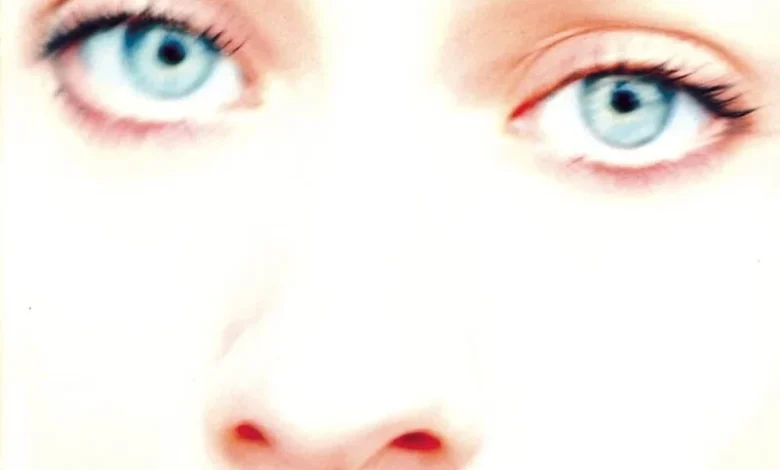
Thirty years after its release, Fiona Apple’s debut album, Tidal, continues to stand as a monumental introduction to a songwriter whose profound literary gifts, compositional confidence, and unassailable emotional authority were undeniably present from her earliest professional output. The album, released in 1996 when Apple was a mere 18 years old, has transcended its initial reception to become a touchstone in alternative music, lauded for its raw vulnerability, intricate musicality, and unflinching lyrical honesty. Its enduring legacy is a testament to Apple’s singular artistic vision, which has only deepened and matured over a career marked by thoughtful pauses and uncompromising artistic integrity.
The Genesis of a Debut: From Los Angeles to the World
Fiona Apple’s journey to Tidal began in Los Angeles, a city known for its glittering promises and often harsh realities, which would later become a recurring theme in her work. Born Fiona Blythe Apple on June 13, 1977, she exhibited a precocious talent for music from a young age. She began studying classical piano at the age of eight, a discipline that would profoundly shape her harmonic sensibilities and compositional approach. By her early teens, she was already writing her own songs, channeling the intense emotional landscape of adolescence into intricate melodies and starkly poetic lyrics.
Her formative years were marked by a profound introspection and a sensitivity that often felt at odds with the mainstream music industry. Apple attended the prestigious Idyllwild Arts Academy, a boarding high school focused on the arts, where she honed her musical skills and developed her distinctive artistic voice. It was during this period that her raw talent began to attract attention. While performing at a friend’s party, she was reportedly overheard by a producer from Geffen Records, marking the initial spark that would lead to her record deal.
The signing to Geffen Records at the age of 16 placed her in the complex machinery of the major label system, a system she would consistently navigate on her own terms. The subsequent years were dedicated to the creation of Tidal, a process that allowed her to meticulously craft an album that reflected her evolving artistic identity. The recording sessions, which took place in studios across Los Angeles, were a crucible for her burgeoning talent. She collaborated with a team of musicians who understood and respected her vision, allowing her lyrical and melodic ideas to flourish.
Tidal’s Sonic and Lyrical Landscape: A Mature Voice in an Adolescent Form
Upon its release on April 23, 1996, Tidal immediately distinguished itself from the prevailing musical trends of the mid-1990s. While grunge and Britpop dominated the airwaves, Apple offered a sophisticated, piano-driven alternative infused with elements of jazz, soul, and chamber pop. Her vocal delivery, characterized by its emotive power and precise articulation, conveyed a depth of feeling that belied her youth.
The album’s lyrical content was particularly striking. Apple’s words possessed a literary quality, weaving intricate narratives and sharp observations with a mature vocabulary and a willingness to explore complex emotional territory. Themes of love, betrayal, self-doubt, and defiance permeated the lyrics, delivered with a poeticism that resonated with a generation grappling with their own burgeoning identities. Tracks like "Criminal," "Sleep to Dream," and "Paper Bag" became anthems for those who felt on the fringes, offering solace and validation through their shared experiences of vulnerability and strength.
The musical arrangements on Tidal were equally impressive. Apple’s piano playing was central, providing a rich harmonic foundation and driving the melodic contours of each song. Her compositions were often complex, featuring unexpected shifts in tempo and dynamics, and intricate instrumental passages. The production, helmed by producer Ethan Johns, was meticulous, allowing each instrument to breathe and contributing to the album’s overall atmospheric and intimate feel.
Critical Acclaim and Commercial Success: A Debut That Defined a Generation
Tidal was met with widespread critical acclaim. Reviewers lauded Apple’s lyrical prowess, her sophisticated songwriting, and her powerful vocal performances. The album was praised for its originality and its departure from mainstream pop conventions. Many critics recognized the maturity of her songwriting, noting that her debut sounded like the work of a seasoned artist rather than an 18-year-old.
The album’s lead single, "Shadowboxer," released in 1996, garnered significant attention and helped build anticipation for the full release. However, it was the subsequent singles that truly propelled Tidal into the mainstream consciousness. "Criminal," released in 1997, became a surprise hit, reaching the top 40 of the Billboard Hot 100 and earning Apple a Grammy Award nomination for Best Female Rock Vocal Performance. The music video for "Criminal," with its distinctive visual style and Apple’s commanding presence, further cemented her image as a unique and compelling artist.
"Sleep to Dream," another standout track, also received considerable airplay and critical attention. Its raw emotional intensity and driving rhythm captured the attention of listeners, solidifying Apple’s reputation as a formidable songwriter. The album’s commercial success was significant, eventually achieving double platinum status in the United States and selling over three million copies worldwide. This commercial triumph, coupled with critical adoration, positioned Fiona Apple as one of the most promising and distinctive new voices in contemporary music.
The Impact of Tidal: A Lasting Influence on Music and Culture
The enduring legacy of Tidal can be attributed to several key factors. Firstly, it offered a refreshing counterpoint to the manufactured pop that often dominated the charts. Apple’s authenticity and uncompromising artistic vision resonated with listeners who craved substance and genuine emotion. Her willingness to be vulnerable and to explore the darker, more complex aspects of human experience created a powerful connection with her audience.
Secondly, Tidal provided a blueprint for aspiring female artists who sought to forge their own paths in the music industry. Apple’s refusal to conform to industry expectations, her dedication to her craft, and her intellectual approach to songwriting inspired a generation of musicians to embrace their individuality and to prioritize artistic integrity over commercial compromise. Her influence can be seen in the work of countless artists who have followed in her wake, demonstrating a similar commitment to lyrical depth, musical innovation, and personal expression.
Furthermore, the album’s intricate musicality and lyrical sophistication have ensured its longevity. Tidal is not an album that reveals all its secrets on the first listen. Its layers of meaning and musical complexity reward repeated engagement, making it a work that continues to evolve with the listener. The album’s influence extends beyond its immediate musical impact; it has become a cultural touchstone, representing a moment when a young artist fearlessly expressed her truth and, in doing so, created a work of enduring power and significance.
Timeline of Tidal’s Release and Impact
- 1996 (April 23): Tidal, Fiona Apple’s debut album, is released by Geffen Records.
- 1996: "Shadowboxer" is released as the album’s first single.
- 1997: "Criminal" is released as a single and becomes a major commercial success, reaching the top 40 of the Billboard Hot 100.
- 1997: "Sleep to Dream" is released as a single, further solidifying the album’s impact.
- 1997: Fiona Apple receives a Grammy Award nomination for Best Female Rock Vocal Performance for "Criminal."
- 1997-1998: Tidal achieves significant commercial success, eventually earning double platinum certification in the United States.
- 2000s – Present: Tidal continues to be recognized as a seminal work of 1990s alternative music, influencing subsequent generations of artists and maintaining a dedicated fanbase.
- 2026 (June 26): Thirty years after its release, the enduring significance and artistic merit of Tidal are widely celebrated and analyzed, reinforcing its status as a classic album.
Supporting Data and Critical Reception Analysis
The critical reception of Tidal at the time of its release was overwhelmingly positive. Publications such as Rolling Stone lauded Apple’s "uncanny maturity" and described her lyrics as "viciously smart." The New York Times praised her "distinctive voice" and "a compositional flair that suggests a jazz sensibility." The album consistently appeared on "best of the year" lists, underscoring its immediate impact.
Commercially, Tidal sold over 3 million copies in the United States, achieving double platinum status by the RIAA. Worldwide sales exceeded 3 million units, demonstrating its broad appeal. The success of singles like "Criminal" and "Sleep to Dream" played a crucial role in this commercial triumph, introducing Apple’s unique sound to a wider audience. The Grammy nomination for "Criminal" further cemented her critical and popular standing.
The album’s influence is also evident in its continued presence on various retrospective lists. Pitchfork included Tidal in its list of the "100 Best Albums of the 1990s," and Consequence of Sound featured it in their "100 Greatest Debut Albums of All Time." These accolades, decades after its release, highlight the album’s lasting artistic merit and its significant contribution to the musical landscape.
Broader Impact and Implications: Authenticity in the Digital Age
Fiona Apple’s career, initiated with the profound impact of Tidal, has consistently been characterized by a deliberate pace and an unwavering commitment to her artistic vision. In an era increasingly dominated by rapid content creation and the pursuit of viral fame, Apple’s approach stands as a powerful counterpoint. Her infrequent album releases, often spaced years apart, have been met with anticipation and a deep appreciation for the meticulous craft that goes into each project.
This deliberate approach has fostered a unique relationship with her audience. Fans have learned to wait for Apple’s music, understanding that each release represents a significant artistic statement, rather than a perfunctory contribution to a market driven by constant output. This model of artistic engagement, while perhaps less common in the contemporary digital landscape, demonstrates the enduring power of authenticity and substance.
The implications of Tidal‘s sustained relevance are significant for the music industry and for artists navigating its complexities. It underscores the fact that genuine artistic expression, coupled with technical mastery and emotional depth, can transcend fleeting trends and achieve lasting cultural significance. Fiona Apple’s debut album, released at the dawn of a new technological era, continues to serve as a powerful reminder that the most impactful art is often that which is most deeply felt and most thoughtfully created, a sentiment that remains profoundly relevant thirty years later.