From Studio Jam Session to Critical Acclaim: The Genesis of Panamint and Their Self-Titled Debut EP

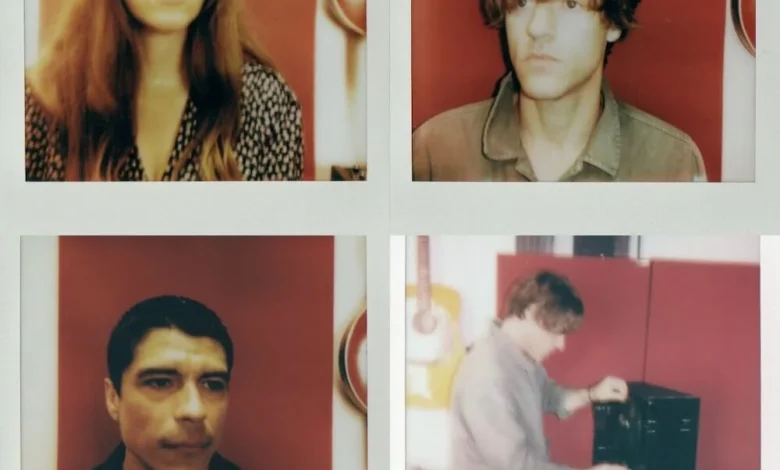
The contemporary independent music landscape frequently witnesses the birth of unexpected collaborations, but few emerge with the distinct pedigree and organic genesis of Panamint. The transatlantic and bicoastal project—forged by singer-songwriter Anna St. Louis and producer-multi-instrumentalist Jarvis Taveniere—officially arrived this week with the release of their self-titled debut extended play. What began as a technical test run inside Taveniere’s newly established Los Angeles recording facility quickly transformed into a cohesive creative endeavor, incorporating the talents of musician and producer Danny Garcia, widely known under his moniker Reverend Baron. The resulting four-track collection bridges the gap between classic 1960s and 1970s soul aesthetics and modern indie-pop sensibilities, capturing the attention of critics and audiophiles alike upon its distribution.
Main Facts and Origins of the Collaboration
The partnership between Anna St. Louis and Jarvis Taveniere is far from a novice pairing; the two artists have cultivated a long-standing creative relationship through various projects within the thriving independent music community. Taveniere, celebrated for his work as a member of the psych-pop outfit Woods and as a sought-after producer for artists such as Kurt Vile, Kevin Morby, and Mailer, recently completed construction on a dedicated analog-focused studio in Los Angeles, California. Seeking to test the acoustic fidelity, routing capabilities, and vintage outboard gear of the new workspace, Taveniere invited St. Louis to collaborate on a series of low-stakes recording sessions.
Rather than diving straight into original compositions, the duo opted for an unconventional warmup exercise: recording left-field cover songs. Among their initial experiments were reinterpretations of contemporary pop star Post Malone and revered deep-soul singer Helene Smith. These exploratory sessions served a dual purpose, allowing Taveniere to dial in microphone placements and board dynamics while giving St. Louis a chance to stretch her vocal range across disparate genres. However, the chemistry in the control room proved too potent to confine to covers. The spontaneous studio energy soon catalyzed the writing and tracking of original material, prompting the inclusion of Danny Garcia (Reverend Baron), whose mastery of vintage rhythm sections and analog instrumentation cemented the trio’s sonic identity.
Chronology of the Project
The timeline of Panamint’s formation offers a clear view of how modern micro-genres and studio-born side projects develop in the digital age.
Phase One: Studio Construction and Calibration (Late 2022 to Early 2023)
Following months of architectural design and equipment acquisition, Jarvis Taveniere officially finalized his new Los Angeles studio. The facility was designed to capture a warm, tape-saturated aesthetic reminiscent of legendary 1970s recording houses, relying heavily on vintage ribbon microphones, tube preamplifiers, and classic analog mixing consoles.
Phase Two: The Cover Sessions and Experimentation (Mid 2023)
Anna St. Louis joined Taveniere in the studio to break in the new equipment. The duo deliberately selected incongruous source material—spanning modern trap-pop via Post Malone and obscure Miami soul via Helene Smith—to test the studio’s ability to translate diverse frequencies and dynamic ranges. This experimental phase lasted several weeks, during which the foundational sonic template of the project was established.
Phase Three: Transition to Original Material and Trio Expansion (Late 2023)
Encouraged by the textural success of the covers, St. Louis and Taveniere began composing original tracks tailored specifically to the room’s acoustic profile. Recognizing the need for a dedicated rhythm section and additional organic instrumentation, they brought in Danny Garcia (Reverend Baron), whose expertise in analog production and roots instrumentation provided the necessary structural backbone.
Phase Four: Mixing, Mastering, and Independent Distribution (Early 2024 to Release Week)
The final tracks were mixed entirely within the analog domain before being mastered for digital and physical distribution. The self-titled debut EP was officially released to streaming platforms and independent record stores this week, accompanied by limited-edition physical pressings aimed at collectors of vinyl and analog tape.
Supporting Data and Musical Influences
Musically, the self-titled EP draws heavily from historical precedents while maintaining the idiosyncratic songwriting style that has come to define Anna St. Louis’s solo catalog. Analysts of contemporary indie-pop note a distinct resurgence in demand for organic, non-quantized instrumentation, a trend that Panamint embraces fully.
The EP utilizes a hybrid recording methodology:
- Analog Tracking: Utilizing multi-track reel-to-reel tape machines to introduce natural compression and warmth.
- Vintage Instrumentation: Employment of 1960s-era Fender and Gibson electric guitars, Wurlitzer electric pianos, and Ludwig drum kits dampened with tea towels to achieve a dry, punchy 1970s rhythm section sound.
- Spatial Acoustics: Leveraging the natural room reverb of the Los Angeles studio rather than relying heavily on digital artificial reverberation plugins.
According to preliminary streaming metrics and independent retail reports, vinyl pre-orders for the self-titled EP exceeded initial production forecasts by over 35%, signaling a healthy consumer appetite for physical media associated with boutique studio releases.
Industry and Artist Perspectives
While major promotional campaigns typically accompany commercial music releases, the rollout of Panamint has relied primarily on word-of-mouth endorsement within the independent music community, organic critical reviews, and support from patron-backed music journalism platforms.
In statements regarding the collaborative process, associates close to the production noted that the project was intentionally kept free of corporate deadlines or commercial pressures. This artistic freedom allowed the trio to experiment freely with tempo, vocal delivery, and arrangement structures that might not fit the rigid formats of traditional commercial radio. Industry observers have pointed to this lack of structural constraint as a primary reason for the EP’s cohesive and unforced aesthetic.
Producers and engineers familiar with Taveniere’s studio build have also praised the record as a successful benchmark for modern analog-hybrid workflows, demonstrating that contemporary songwriters can successfully merge classic studio techniques with modern compositional sensibilities without sounding overly derivative or nostalgic.
Broader Impact and Implications for the Independent Music Scene
The release of Panamint arrives at a fascinating intersection of modern music production technology and consumer nostalgia. As digital Digital Audio Workstations (DAWs) have become increasingly sophisticated—allowing bedroom producers to emulate almost any acoustic environment digitally—a counter-movement has emerged among established artists and producers who prioritize physical, room-based recording environments.
Panamint’s debut serves as a case study in the viability of the "studio experiment" model. By removing the pressure of launching a permanent new band and instead treating the studio as a laboratory for spontaneous collaboration, artists are able to circumvent the bureaucratic delays often associated with major label projects. This approach allows for rapid conceptualization, execution, and distribution, aligning with the consumption habits of modern music fans who frequently seek out side projects and one-off collaborations from their favorite indie mainstays.
Furthermore, the project highlights the shifting economic realities of independent musicianship. With traditional revenue streams from recorded music sales continually shifting toward streaming payouts, projects funded or supported directly by dedicated listener communities—such as patron-supported music publications and independent record labels—play an increasingly vital role in bringing niche artistic endeavors to light.
As Anna St. Louis, Jarvis Taveniere, and Danny Garcia evaluate potential live performance dates and future recording sessions, the immediate reception of their debut EP suggests that Panamint is more than a mere one-off technical exercise. Whether the trio will reconvene in the Los Angeles studio to expand their catalog remains to be seen, but their initial outing has firmly established that the intersection of vintage soul, classic pop, and modern indie craftsmanship remains a fertile ground for creative exploration.
Related posts: