How Dualtone Records Keeps Growing After 25 Years

In an era defined by rapid technological disruption, algorithm-driven consumption, and shifting industry models, independent record labels face a constant battle for survival and relevance. Amid this turbulent landscape, Dualtone Records has not only endured but thrived. Celebrating its landmark 25th anniversary, the independent Nashville-based label has established itself as a cornerstone of modern American roots, indie rock, and alternative music. Home to a critically acclaimed and commercially successful roster featuring artists such as The Lumineers, Mt. Joy, Shakey Graves, flipturn, Kathleen Edwards, and Langhorne Slim, Dualtone’s longevity offers a masterclass in modern music business strategy.
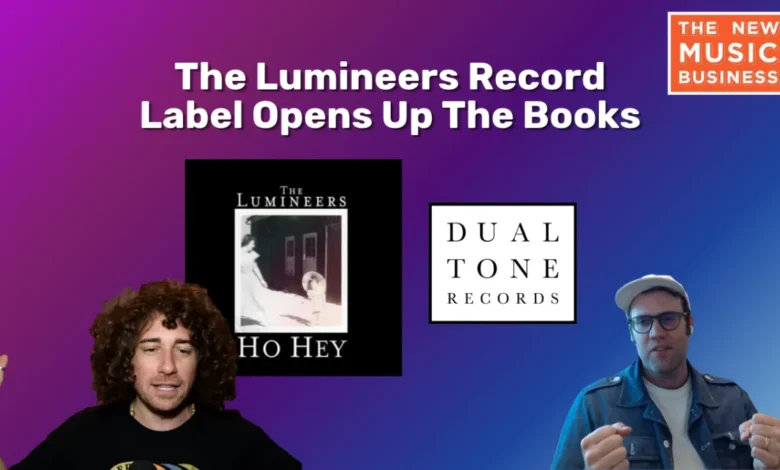
Recently, Whitaker Elledge, president of Dualtone Records, sat down on the New Music Business podcast with host Ari Herstand to pull back the curtain on the realities of running an independent label today. Their comprehensive conversation illuminated the shifting paradigms of artist development, the mechanics of modern record contracts, the economics of marketing budgets, and the enduring importance of cultivating authentic, long-term relationships over fleeting viral moments.
A Quarter-Century of Independence: The Dualtone Journey
Founded a quarter of a century ago, Dualtone entered the marketplace during a tumultuous period for the music industry, just as digital file-sharing was beginning to dismantle legacy physical sales models. Rather than relying on massive corporate capital or chasing mainstream pop trends, the label carved out a distinct niche by championing singer-songwriters, roots-oriented acts, and indie artists who required a dedicated, boutique approach.
Over the last 25 years, the music industry has undergone several complete structural overhauls—shifting from CD sales to digital downloads, and subsequently from digital purchases to streaming subscriptions. Through each transition, Dualtone adapted by maintaining a disciplined business model centered on artist advocacy and sustainable growth. The label’s ability to spot raw songwriting talent and nurture it over multiple album cycles has turned early-stage signings into global household names.
A prime example of this long-term vision is the label’s history with multi-platinum folk-rock band The Lumineers. When many major labels and risk-averse independents might have passed on developing a nascent acoustic act in the early 2010s, Dualtone invested deeply in their trajectory. That foundational partnership laid the groundwork for massive international success, proving that independent infrastructure, when paired with patience and strategic execution, can rival the muscle of major conglomerate labels.
The Power of Constraint: Why Quality Trumps Quantity
In an industry where digital distribution platforms make it frictionless to upload millions of tracks daily, the temptation for record labels is often to scale up—signing dozens of artists and flooding streaming services with content to maximize algorithmic visibility. Dualtone deliberately resists this temptation.
Elledge revealed that the label intentionally limits its output to just eight to ten album releases per year. This restraint is not merely stylistic; it is a vital operational strategy. By keeping the roster compact and focused, Dualtone’s internal team can dedicate the necessary time, creative energy, and financial resources to every single project they take on.
This boutique philosophy ensures that no artist gets lost in the shuffle. In a typical major label environment, dozens of records may compete internally for marketing funds, executive attention, and PR placement. At Dualtone, the team acts as an extension of the artist’s creative unit, meticulously planning album rollouts, touring strategies, and publicity campaigns well in advance. This curated approach builds deep trust with managers, booking agents, and the artists themselves, cementing Dualtone’s reputation as a label that puts creators first.
Redefining the Bottom Line: Fair Deals and Net Profit Splits
One of the most persistent friction points in the modern music business has historically been the structure of record contracts. Traditional major label deals often involved recoupable advances, complex royalty accounting, and high-percentage ownership stakes that left artists with little to show for their streaming revenues until massive commercial thresholds were met.
Dualtone has consistently championed a more equitable approach, frequently utilizing 50/50 net profit splits and transparent accounting methods. Under a net profit deal, the label and the artist pool their revenues—from streaming, physical sales, licensing, and other streams—deduct specific, agreed-upon marketing and manufacturing costs, and split the remaining profits down the middle.
Elledge emphasized that this collaborative financial structure aligns the incentives of both parties. When the label invests capital into a marketing campaign or a tour support initiative, they are genuine partners with the artist in the economic outcome. This transparency fosters a healthier, collaborative working relationship where artists feel respected rather than exploited. Consequently, labels utilizing these artist-first structures are far more likely to retain their talent over the long haul, avoiding the contentious legal battles and bitter roster departures that have historically plagued the recording industry.
Allocating Capital: How to Spend a $50,000 Marketing Budget
With traditional radio promotion playing a diminished role for independent acts and physical retail largely transformed into specialty vinyl markets, modern music marketing requires agility and data-driven resource allocation. During their discussion, Elledge and Herstand broke down the practical realities of deploying a modest $50,000 marketing budget for an independent album release.
Unlike the bloated budgets of major pop releases, independent labels must be surgical with their expenditures. A $50,000 budget is typically distributed across several core pillars:
- Targeted Digital Advertising: Utilizing platforms like Meta, TikTok, and YouTube to drive pre-saves, streaming conversions, and ticket sales.
- Public Relations and Radio Promotion: Hiring specialized indie PR firms to secure reviews, playlist placements, and features in cultural outlets, alongside targeted non-commercial and Triple A radio campaigns.
- Content Creation: Funding high-quality music videos, live-session performance clips, and behind-the-scenes visual assets essential for social media engagement.
- Playlist Pitching and DSP Marketing: Working directly with digital service providers to secure editorial playlisting.
Elledge noted that measuring what actually works in music marketing has become increasingly complex. While vanity metrics like views and impressions are easy to track, indie labels must look deeper—analyzing conversion rates, ticket sales in specific touring markets, and direct-to-consumer merchandise purchases to determine true return on investment.
Navigating the TikTok Arms Race and the Value of Owned Audiences
Social media platforms have fundamentally altered how music is discovered, propagated, and consumed. Platforms like TikTok, Instagram Reels, and YouTube Shorts act as powerful top-of-funnel discovery engines. However, the ecosystem has evolved into a hyper-competitive landscape that Elledge describes as a "TikTok arms race."
Independent labels must now navigate sophisticated digital tactics, including the use of TikTok Spark Codes, influencer seeding campaigns, and the mobilization of fan-run promotion pages. Whitaker discussed how labels experiment with getting tracks into the ears of content creators, fan communities, and micro-influencers to spark organic engagement loops.
Yet, despite the allure of viral moments, Elledge issued a crucial cautionary note to artists and industry professionals alike: chasing viral views is no substitute for building an owned audience. Viral videos can introduce a song to millions of transient listeners overnight, but algorithms are notoriously fickle. If that fleeting attention is not successfully converted into long-term community engagement—such as collecting email addresses, building SMS subscriber lists, selling physical vinyl records, or drawing crowds to live concert venues—the viral momentum quickly fades into the digital ether.
Building an owned audience ensures that artists retain a direct line of communication with their core fanbase, independent of algorithmic changes made by tech conglomerates. This philosophy underpins Dualtone’s development strategy: use digital platforms for broad discovery, but anchor the long-term career in tangible fan loyalty and exceptional live performances.
Why Labels Don’t Sign Every Artist They Love
A common misconception among emerging musicians is that if a label executive loves their music, a record deal should naturally follow. Elledge dispelled this notion, explaining the rigorous vetting process that goes into every signing decision.
Liking a song is merely the baseline requirement. When evaluating a potential signing, label executives must analyze a multitude of factors beyond the audio tracks:
- Touring Viability: Can the artist sustain a rigorous touring schedule and draw viable crowds in target markets?
- Work Ethic: Does the act possess the stamina, resilience, and collaborative mindset required to build a career in a demanding industry?
- Brand Identity: Is there a clear artistic vision and a distinct identity that will resonate with music supervisors, playlist curators, and niche communities?
- Timing and Bandwidth: Does the label currently have the internal capacity and financial bandwidth to properly champion this specific artist without neglecting the rest of their active roster?
By exercising immense discipline in who they sign, Dualtone ensures that every project receives the maximum institutional backing possible.
The Broader Implications for the Modern Music Industry
As Dualtone Records enters its second quarter-century, its continued expansion serves as an industry blueprint. In a marketplace polarized by automated, high-volume release strategies on one end and monolithic major label pop machines on the other, the boutique independent label occupies a vital, life-sustaining space in the ecosystem.
By prioritizing transparency, forging equitable financial partnerships, respecting the value of physical and digital asset curation, and refusing to compromise on artist development, Dualtone demonstrates that integrity and commercial success are not mutually exclusive. As the music business continues to evolve through technological shifts, the label’s 25-year milestone stands as powerful proof that putting artists first remains the most sustainable business model in entertainment.