Electronic music producer and multidisciplinary sound artist Lindsey Wang, widely known by her alias Polygonia, has partnered with software developer Ableton to release an exclusive project file for her latest composition, Neon Oracle. Available to users of Ableton Live 12.1 Suite or its corresponding free trial, the session provides an unprecedented, granular look into the Munich-based artist’s production methodologies, sound design architectures, and compositional philosophies.
The release of the Neon Oracle session marks a significant milestone in Polygonia’s rapidly ascending career, offering producers and electronic music enthusiasts a comprehensive educational resource. Known for balancing technical mastery with deep artistic refinement, Wang’s cross-disciplinary approach bridges the gap between organic instrumentation, acoustic textures, and precise electronic synthesis.
Background and Musical Evolution
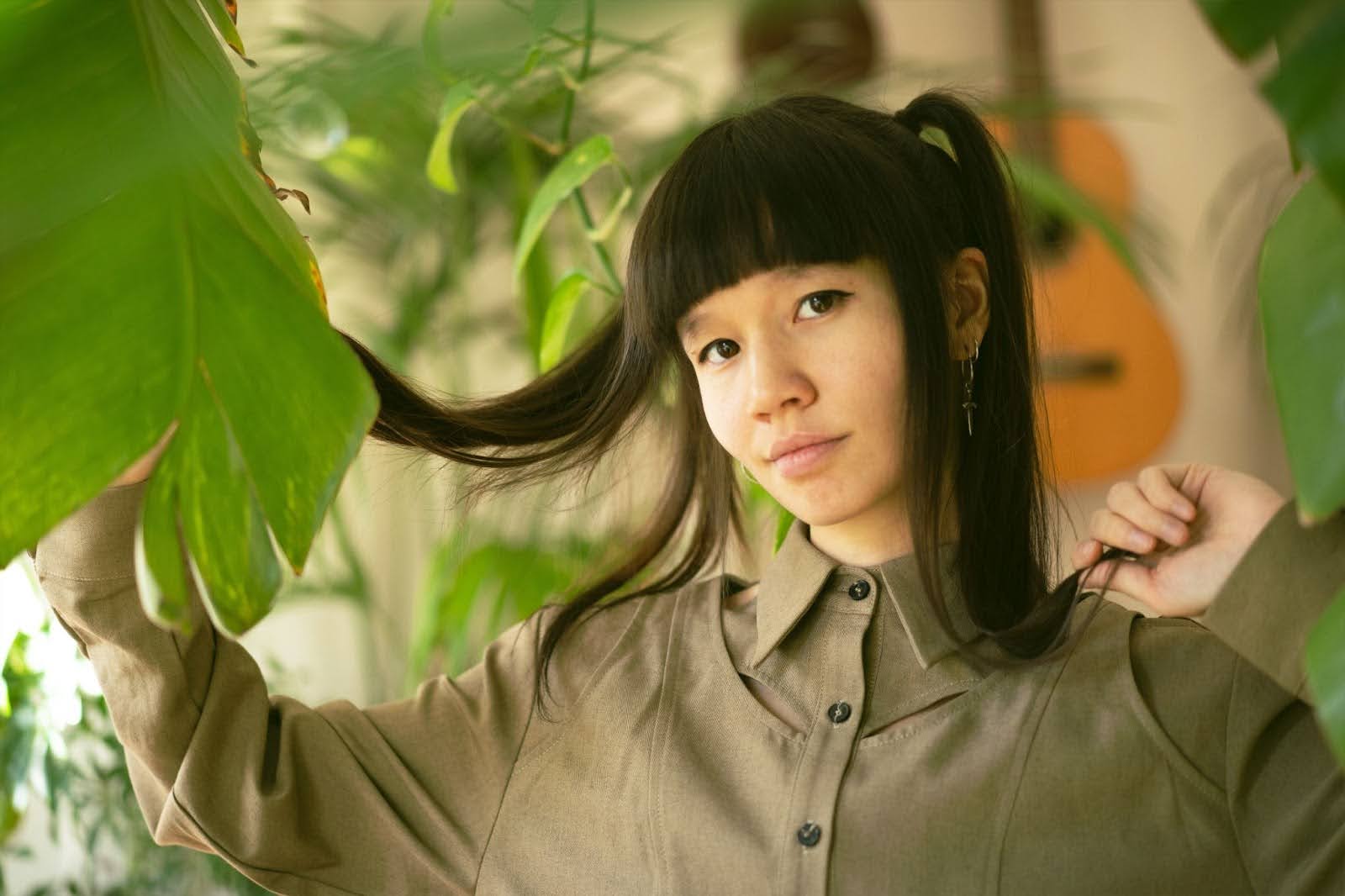
Wang’s trajectory into electronic music production is rooted in a lifelong immersion in classical arts. Growing up in a musically distinguished household—her father performed with the Shanghai Quartet and prominent German orchestras, her mother worked for a major sheet music publisher, and her grandfather served as a clarinet professor—Wang received rigorous classical training, specializing in the violin while also studying the piano.
As she matured, exposure to radio broadcasts and MTV introduced her to the electronic production elements underlying contemporary pop music. Rather than focusing on lyrical content, Wang was drawn to the structural mechanics of audio production. This analytical curiosity deepened when friends introduced her to UK dubstep, a genre whose sonic innovation and spatial dynamics served as her gateway into the broader electronic underground.
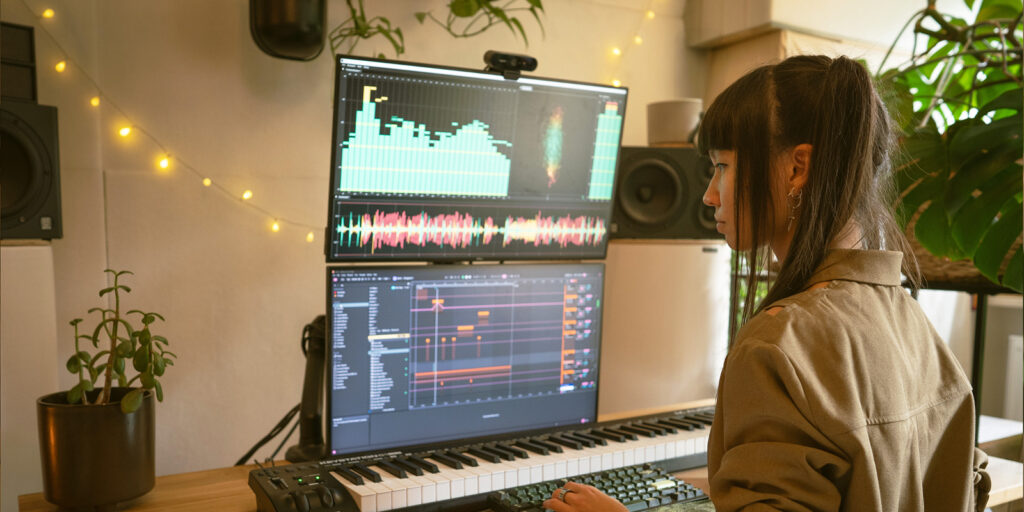
Transitioning from left-field hip-hop and SoundCloud beat culture, Wang eventually gravitated toward the atmospheric, psychedelic aesthetics of minimalist techno. Performances by foundational artists such as Cio D’or and Rrose at the Freqs of Nature Festival proved pivotal, demonstrating how stripped-down, psychedelic sonic architecture could command large stages with elegance and psychological depth.
The Munich Scene and Creative Community
While Berlin remains the widely recognized epicentre of Germany’s electronic music industry, Wang remains a staunch advocate for Munich’s vibrant, supportive creative ecosystem. Operating out of a smaller geographic footprint, Munich artists benefit from reduced commercial pressure and a lack of hyper-saturation compared to the capital.
Local institutions play a crucial role in sustaining this ecosystem. Venues such as Blitz Club—hailed for booking eclectic, forward-thinking lineups and hosting dedicated label showcases—alongside Zirka Space and Radio 80000, foster a tight-knit community characterized by mutual support rather than intense rivalry. Wang’s commitment to this local infrastructure underscores her ethos of sustainable artistic growth, anchoring her practice firmly in the regional community she helped cultivate.
Record Label Stewardship: IO and QEONE
Wang’s administrative and curatorial contributions to electronic music span two distinct enterprises: the IO collective and the boutique digital label QEONE.
The IO collective functions as an expressive platform for a tight-knit circle of friends, many of whom have maintained relationships dating back to their high school years. Beyond releasing music, the collective leverages the technical expertise of its members to explore software development and cross-disciplinary experimentation.
Conversely, QEONE operates as Wang’s solo curatorial vehicle. Dedicated primarily to digital releases to minimize capital risk, QEONE serves as a launchpad for emerging, lesser-known artists. By prioritizing fresh talent over familiar industry names, Wang actively contributes to the discovery and promotion of the next generation of electronic music producers.
Anatomy of Neon Oracle: Production Breakdown and Ableton Live 12.1 Integration
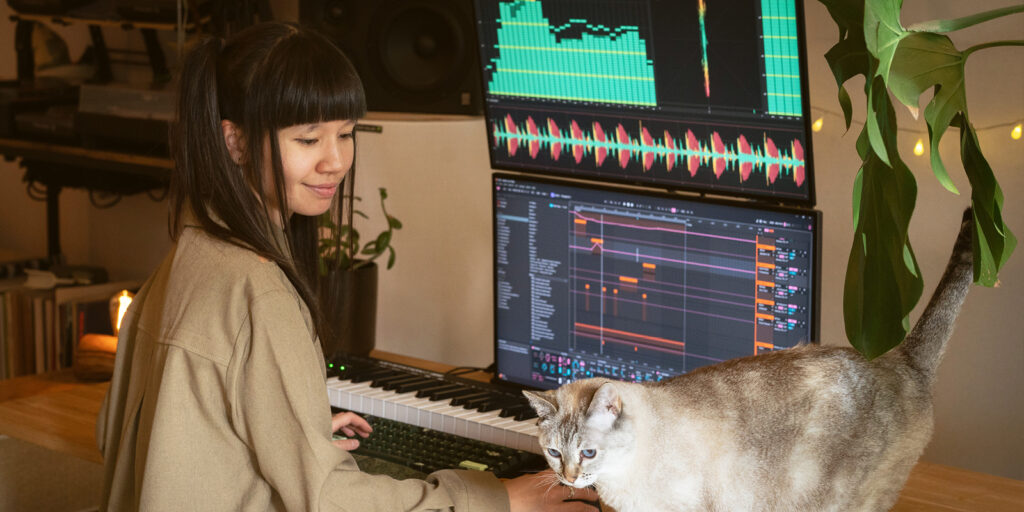
Neon Oracle was conceived in the wake of Wang’s debut dubstep performance at DNO Records’ Mine event series in Brighton. Energized by the sound system weight and the euphoria of the live environment, Wang sought to channel that kinetic energy into a fresh studio composition using the newly released features of Ableton Live 12.1.
The track’s intricate sound design reflects Wang’s professional background as a sound designer for electric vehicles, where she developed interactive synthesizers using Max/MSP. This foundational experience in dynamic, responsive audio synthesis translates directly into her studio work, where she favors concise, highly targeted effect chains over complex, bloated signal processing.
Detailed examination of the Neon Oracle session reveals several key technical achievements:
Melodic Textures via Collision and Pitchloop89
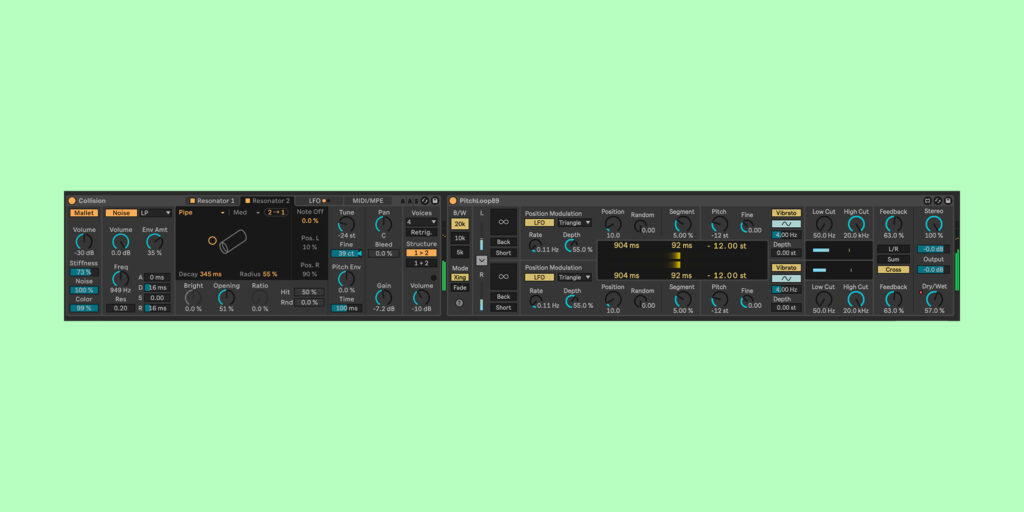
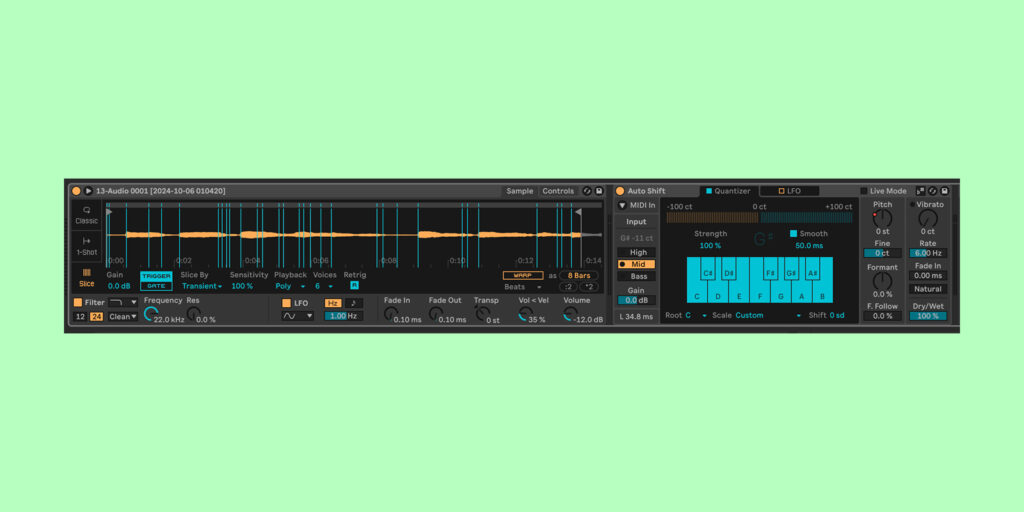
To craft the track’s ethereal, bell-like opening melodies without relying on familiar muscle memory, Wang utilized Ableton’s Collision device in tandem with Pitchloop89. Rather than employing a standard delay, Pitchloop89 allows for real-time pitch manipulation, generating deep atmospheric layers. Wang set the wet/dry balance to 57 percent while shifting the pitch down an octave to establish a robust foundational sub-layer.
Harmonic Tension and the Phrygian Dominant Scale
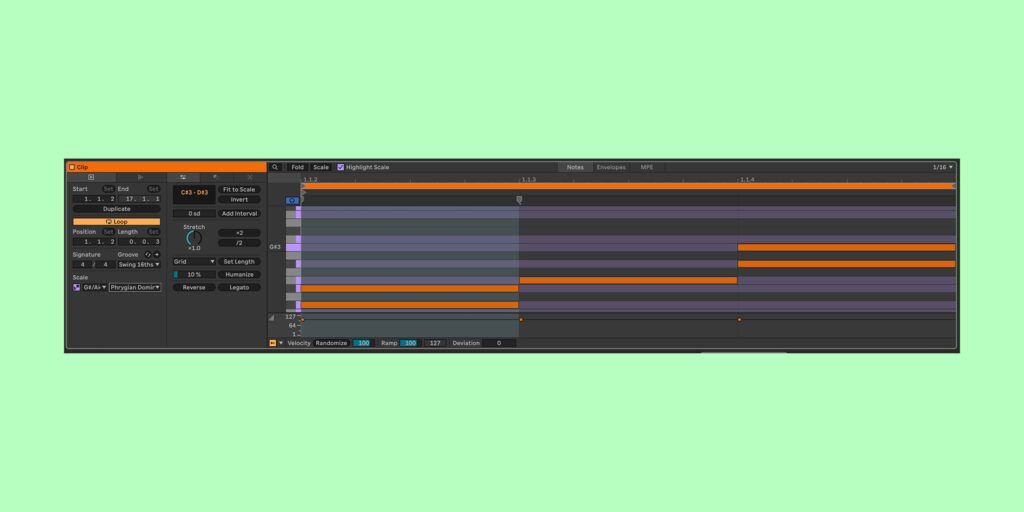
The track’s driving arpeggio utilizes Meld, a versatile synthesizer boasting low latency ideal for live performance. Wang programmed the MIDI pattern manually, deliberately introducing a major second interval between notes to create subtle harmonic dissonance. Furthermore, she leveraged Live 12.1’s advanced scale mapping capabilities to employ the Phrygian Dominant scale, imbuing the composition with a mysterious, unsettling quality reminiscent of traditional church modes.
Dynamic Distortion via Roar
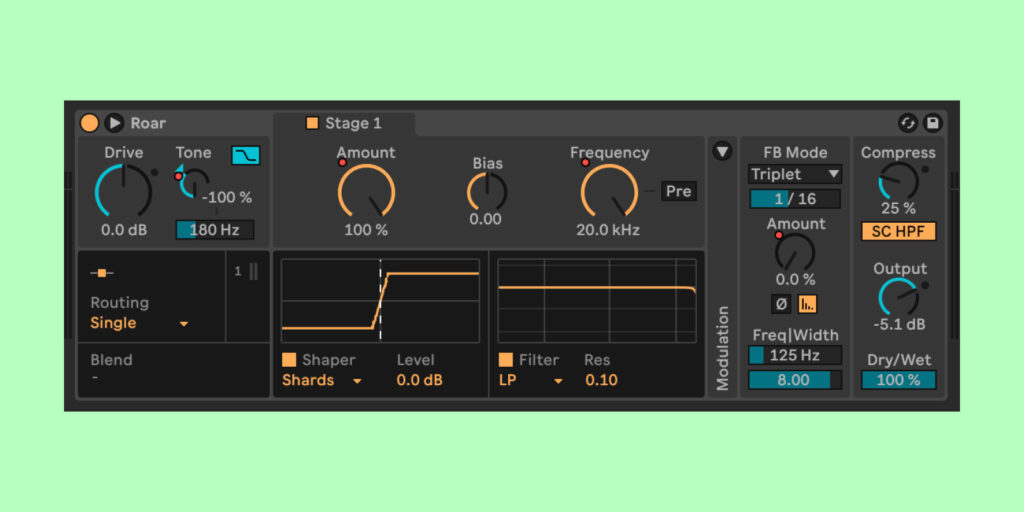
For the track’s heavily distorted yet controlled low-end, Wang integrated Ableton’s Roar device, replacing her previous reliance on the Amp device. By setting Roar to a multiband configuration and actively automating the Feedback parameter, she achieved wave-like movement and heightened tension across the frequency spectrum without muddying the mix.
Humanizing Elements: Drum Sampler and Traditional Instrumentation
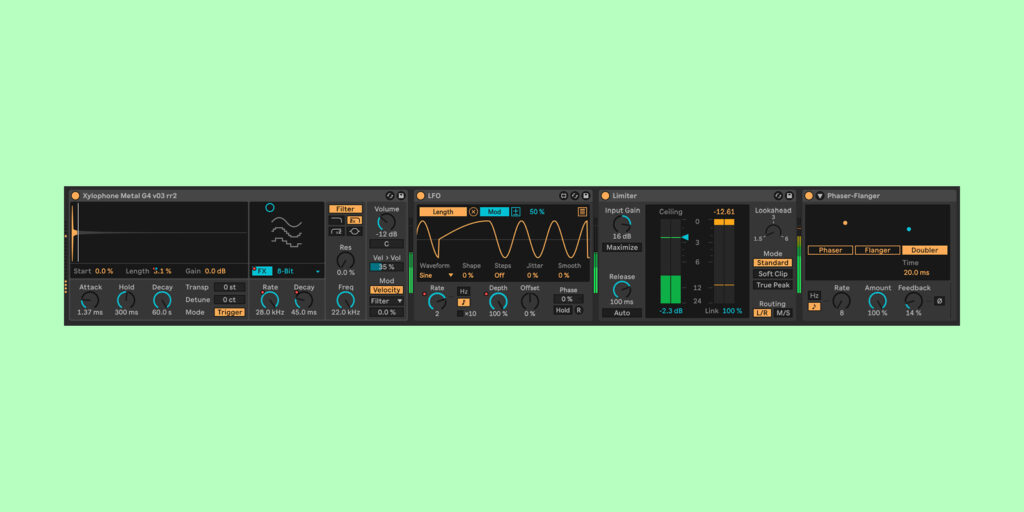
To avoid static, overly mechanical sequencing, Wang utilized a fast sine Low-Frequency Oscillator (LFO) to subtly modulate the sample length within the new Drum Sampler device, replicating the organic expressive nuances of a violin pizzicato. Additionally, the track features live recordings of a traditional Chinese flute—an heirloom passed down from her childhood—introducing acoustic overtones and a distinct human touch to the electronic arrangement.
Broader Industry Implications and Educational Impact
The release of the Neon Oracle Live Set aligns with a broader industry trend toward open-source education and transparency in electronic music production. By allowing producers of all skill levels to dissect her project files, Wang demystifies the creation of complex sound design, reinforcing the pedagogical value of software platforms like Ableton Live.
As the lines between classical composition, sound design, and electronic dance music continue to blur, artists like Polygonia demonstrate that technical versatility and conceptual rigor are essential for pushing genre boundaries. With her second studio album slated for release in 2025—featuring a blend of vocals, acoustic instrumentation, and electronic production—Wang is positioned to further solidify her status as one of the most innovative polymaths in contemporary electronic music.
The Ableton Live Set for Neon Oracle is available for free educational download via Ableton’s official platform, requiring an active Live 12.1 Suite license or trial. Commercial use of the session files and included sample data remains strictly prohibited.