Bozeman black bear encounter highlights the unpredictable nature of wildlife-domestic animal interactions in Montana urban interfaces

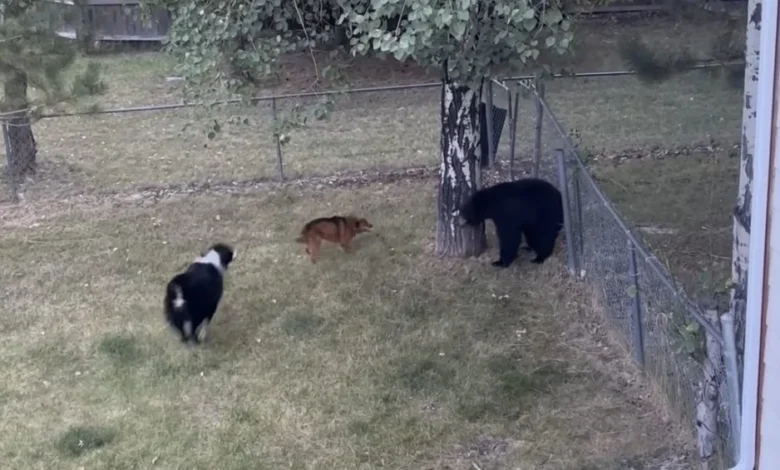
The quiet suburbs of Bozeman, Montana, recently became the stage for a dramatic encounter that underscores the growing intersection between urban development and apex predator habitats. A black bear, having wandered into a residential fenced backyard, found itself forced into a defensive retreat by two domestic dogs. The incident, captured on video by homeowner Jeana Paulson, serves as a poignant case study regarding the behavior of American black bears (Ursus americanus) when confronted with territorial domestic animals in confined spaces.
Chronology of the Incident
The confrontation began when a black bear, likely seeking food or navigating through the residential corridor, breached the perimeter of a private backyard. Upon its arrival, the animal was immediately intercepted by the property’s two resident dogs, identified as Alvin and a canine ironically named Bear.
The chronology of the event suggests that the bear, initially caught off guard, attempted to navigate the fenced perimeter to exit the premises. However, the dogs’ persistent defensive posturing and aggressive barking created a psychological barrier that momentarily paralyzed the bear’s escape attempts. As the homeowner, Jeana Paulson, attempted to intervene by shouting for the dogs to retreat, the bear was forced to maneuver through several areas of the yard. The apex predator, despite being significantly larger than its pursuers, exhibited clear signs of avoidance behavior rather than aggression. After a series of defensive pivots and a failed attempt to scale a section of the chain-link fence, the bear ultimately identified a clear path of egress and fled the property. The encounter lasted less than two minutes but highlighted the intense stress such interactions place on both wildlife and domestic pets.
Biological Context and Predator Behavior
American black bears are inherently opportunistic omnivores. While they are physiologically equipped with the strength and weaponry to act as formidable predators, their natural instinct is to minimize energy expenditure and avoid unnecessary physical conflict. When a black bear enters an urban environment, it is typically driven by the scent of anthropogenic food sources—such as bird feeders, unsecured trash, or pet food—rather than predatory intent.
Wildlife biologists note that in scenarios where a bear is cornered, its primary behavioral drive is to escape. The “fight or flight” response in bears is heavily weighted toward flight when the animal perceives that the risk of injury outweighs the potential reward of the environment. In the case of the Bozeman incident, the bear’s refusal to engage the dogs is consistent with established wildlife behavior. Even when pressured by the dogs, the bear did not resort to retaliatory strikes, preferring to endure the agitation of the canines in favor of finding an exit. This restraint is critical to understanding bear-human conflicts; bears are generally not looking for a fight, especially against loud, unpredictable, and territorial animals.
The Role of Domestic Canines in Wildlife Mitigation
The presence of dogs in bear country is a complex issue for homeowners. While dogs can act as an effective deterrent, their presence also carries significant risks. According to the Montana Department of Fish, Wildlife and Parks (FWP), dogs can sometimes inadvertently lure a bear back toward their owners if the bear decides to stand its ground rather than flee.
In this instance, the dogs functioned as a deterrent by creating a high-arousal environment that the bear found incompatible with its objectives. However, the irony of the situation—a dog named Bear effectively chasing a real black bear—highlights the unpredictable nature of these encounters. Experts suggest that while dogs can protect a home, owners must remain vigilant, as an escalated encounter could easily lead to severe injury for the dogs if the bear were to shift from a defensive posture to an offensive one.
Supporting Data on Human-Wildlife Conflict
Bozeman and the surrounding Gallatin Valley have seen an increase in human-wildlife interactions over the last decade, mirroring broader trends across the Rocky Mountain West. As human development continues to expand into historical wildlife migration corridors, the frequency of bear sightings in residential areas has risen.
According to data from the Interagency Grizzly Bear Committee and state wildlife agencies, the primary driver of these encounters is the availability of attractants. In the state of Montana, “bear-aware” initiatives are standard practice, with officials emphasizing the importance of securing garbage, cleaning outdoor grills, and removing bird feeders during peak bear activity seasons. While this specific incident involved a black bear—a species generally more tolerant of human presence than the grizzly—the underlying cause remains the same: the encroachment of urban infrastructure into wild habitats.
Official Guidelines and Safety Implications
Following the release of the footage, wildlife advocates and local officials reiterated the importance of managing property to prevent such high-stress encounters. The Montana FWP maintains a set of strict guidelines for residents living in wildlife-dense areas:
- Secure Attractants: Ensure all waste is stored in bear-resistant containers and avoid leaving pet food outside.
- Supervise Pets: Even within fenced yards, pets should be monitored, as fences do not provide a complete barrier against wildlife.
- Avoid Confrontation: In the event of an encounter, residents are advised to remain indoors and avoid interfering in a way that might trap the animal or escalate its aggression.
- Report Sightings: Consistent documentation of bear activity helps local agencies track wildlife movement patterns and intervene if an animal becomes habituated or poses a public safety risk.
Broader Societal and Ecological Implications
The viral nature of the video has sparked a broader conversation about the reality of living in a landscape shared with large predators. Comments from the public reflect a wide spectrum of perspectives: some viewers expressed concern for the safety of the dogs, while others sympathized with the bear, noting that the animal was likely confused and stressed by the domestic environment.
From an ecological standpoint, the bear’s decision to retreat is a positive outcome. Had the bear felt sufficiently threatened, the encounter could have resulted in physical trauma to the dogs or necessitated a lethal response by wildlife management officials to protect public safety. The fact that the bear exited the property without injury suggests that the "fight or flight" mechanism remains an effective natural regulator in urban-wildlife interfaces.
However, the frequency of these incidents points to a necessary shift in how residential communities are designed. As the population of the Gallatin Valley continues to grow, the pressure on local wildlife populations will intensify. Future urban planning must account for the permeability of the landscape, ensuring that wildlife can move through corridors without being forced into direct, high-conflict proximity to human dwellings and domestic animals.
Conclusion
The Bozeman encounter serves as a vivid reminder that Montana’s status as a wild landscape is not limited to the backcountry; it extends to the very doorsteps of its residents. While the outcome was peaceful, the incident underscores the necessity for proactive wildlife management and responsible pet ownership. The bear, having experienced the volatile nature of a domestic environment, is unlikely to return to that specific location, effectively learning a lesson in survival. For the residents, the event serves as a call to re-evaluate their backyard safety protocols to ensure that future encounters remain, at worst, an inconvenience rather than a tragedy. As the integration of human and animal habitats continues, the primary goal remains the preservation of wildlife health and the maintenance of public safety through informed, cautious, and respectful co-existence.