Harley Benton Fusion-T II: These Humbucker-Loaded T-Styles Are Packed With Features and Are Offered With Myriad Hardware, Pickups and Finish Options

The guitar market, a dynamic landscape of innovation and tradition, has once again been stirred by the introduction of Harley Benton’s latest offering: the Fusion-T II series. Building on the success of their previous high-performance Fusion IV series, which made waves in May with its array of S-style guitars, Harley Benton is now extending its ambitious Fusion concept to the T-style platform. This new series promises to deliver a compelling blend of modern features, extensive customization options, and the brand’s signature affordability, aiming to capture the attention of discerning guitarists across various genres.
A Legacy of Value: The Fusion Series Continues
Harley Benton has carved a significant niche in the global musical instrument market by consistently offering instruments that punch well above their weight in terms of features and build quality, particularly within accessible price brackets. The Fusion IV series, launched earlier this year, exemplified this philosophy. These S-style guitars, lauded by publications like MusicRadar, presented a staggering 41 variations, all retailing for under $600. This ambitious rollout demonstrated Harley Benton’s commitment to providing a broad spectrum of choices, catering to a wide array of player preferences and stylistic needs.
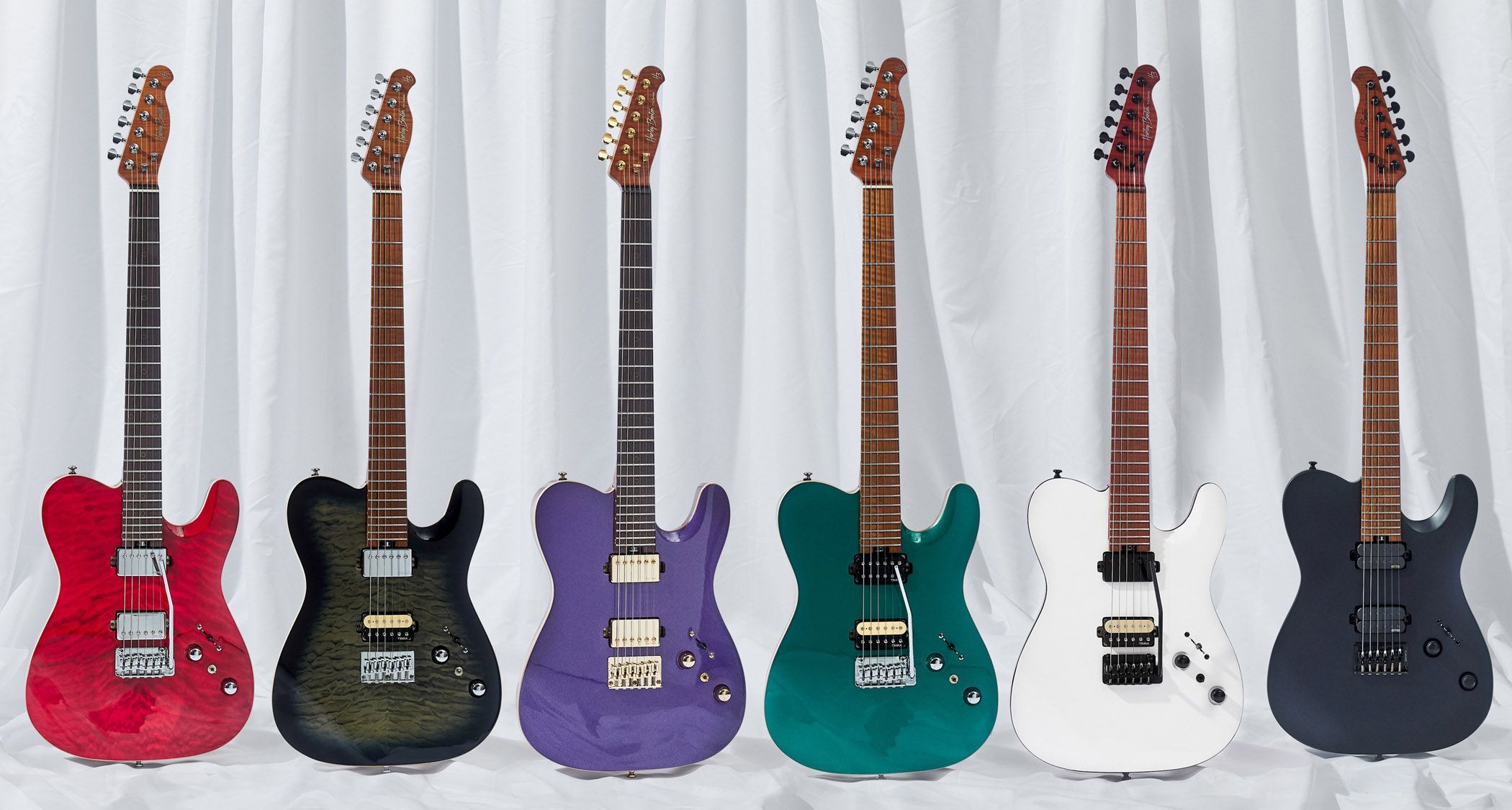
The introduction of the Fusion-T II series signifies a strategic expansion of this successful formula. By translating the core principles of the Fusion IV – high performance, extensive customization, and exceptional value – to the iconic T-style guitar, Harley Benton is poised to attract a new segment of guitarists. The T-style, a design that has remained a cornerstone of electric guitar sound and aesthetics for decades, offers a distinct playing experience and tonal character. Adapting this classic platform with modern enhancements, as the Fusion-T II series does, represents a thoughtful evolution rather than a radical departure.
Unveiling the Fusion-T II: A Deeper Dive into Specifications
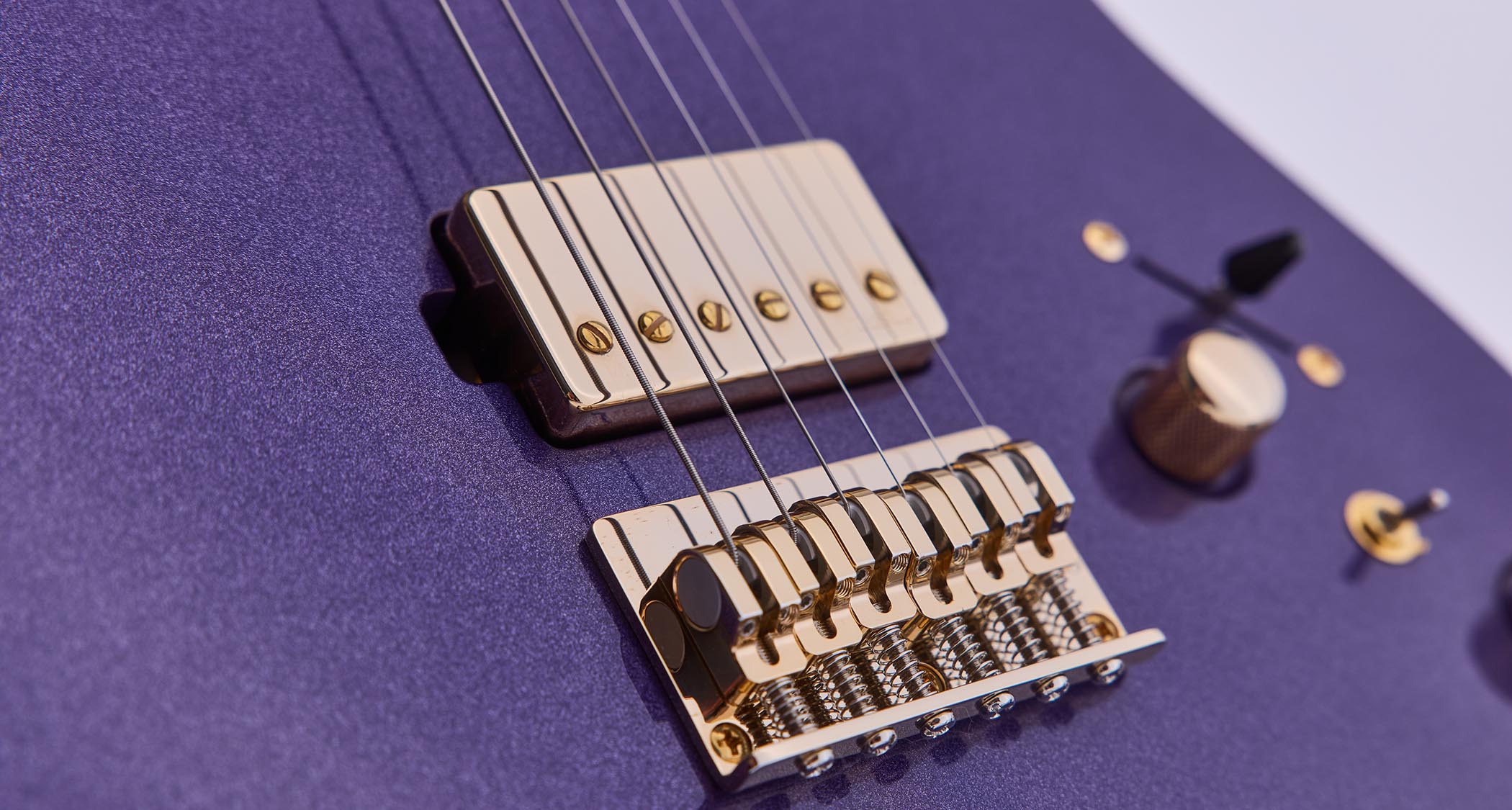
The Fusion-T II series comprises a substantial collection of 18 distinct models, each offering a unique combination of aesthetic and functional attributes. This extensive range ensures that players can find a guitar that not only meets their sonic requirements but also aligns with their personal style. The available finishes are diverse, ranging from striking metallic solid colours, such as the eye-catching green and purple variants, to sophisticated options featuring figured maple veneers. This commitment to aesthetic variety underscores Harley Benton’s understanding that a guitar’s visual appeal is as crucial as its playability and tone.
At the heart of every Fusion-T II model lies a robust set of specifications that speak to a dedication to quality craftsmanship and player comfort. All guitars in the series feature a roasted figured maple neck, a premium material known for its stability, resonance, and attractive grain patterns. This neck is securely bolted to an ergonomically sculpted nyatoh body, chosen for its balanced tonal properties and lightweight feel. The fingerboards are meticulously crafted with a compound radius, tapering from a 12-inch radius at the nut to a 16-inch radius at the higher frets. This design facilitates comfortable chording in the lower positions and effortless string bending and lead playing in the higher registers.
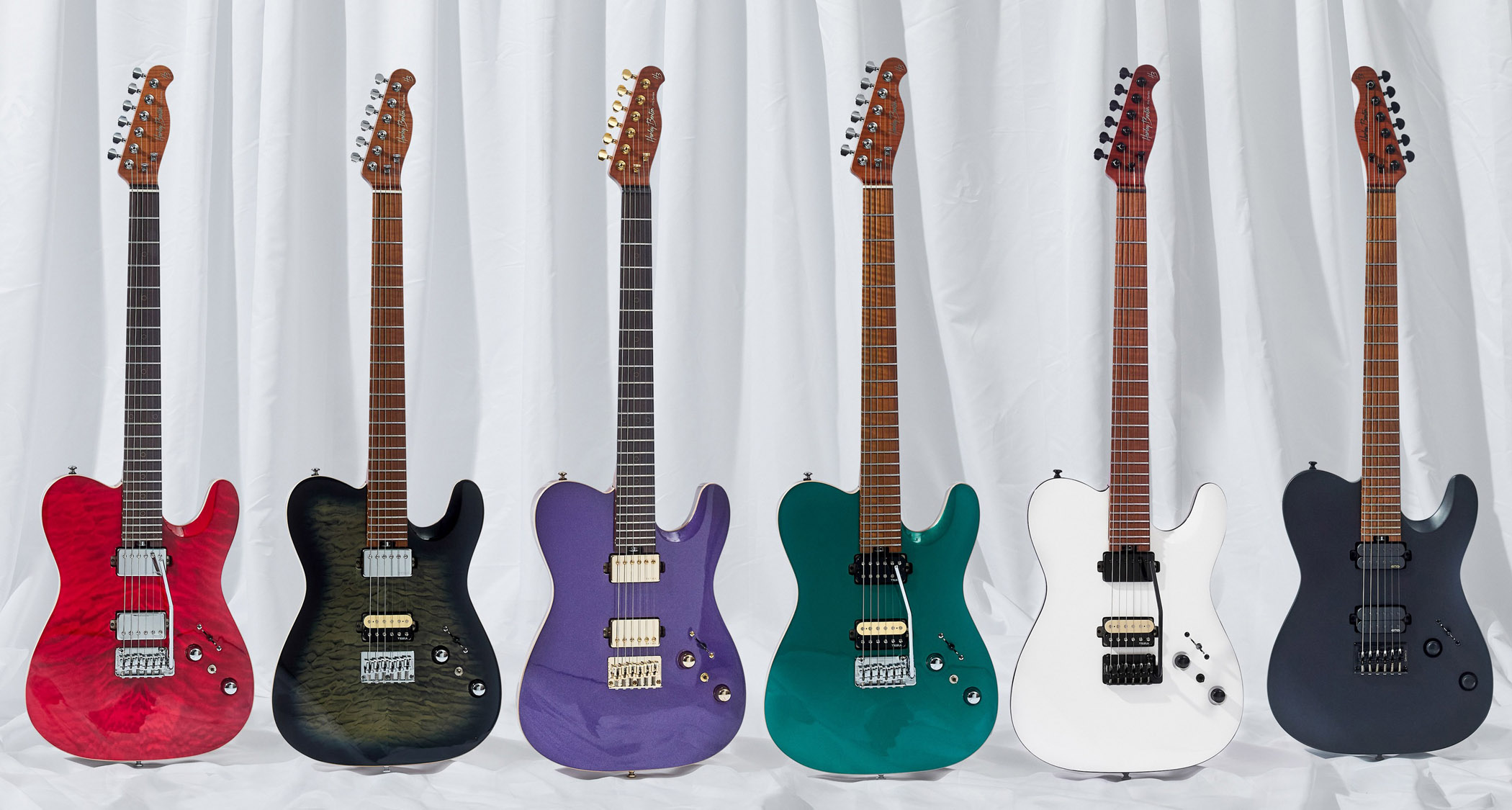
Further enhancing the player experience are the Jinho locking tuners, which provide precise and stable tuning, a critical feature for both live performance and studio recording. The Fusion-T II series also boasts 24 stainless steel frets. Stainless steel frets are prized for their durability, smooth feel, and resistance to wear, ensuring a long lifespan and a consistently smooth playing surface. This specification, often found on much more expensive instruments, highlights Harley Benton’s strategy of incorporating high-end features into their accessible price point.
Reimagining the T-Style: Humbuckers and the Alter Switch
While the general silhouette of the Fusion-T II models clearly pays homage to the iconic Telecaster, the internal electronics represent a significant departure from the traditional single-coil configuration. Instead, these guitars are equipped with a dual-humbucker pickup arrangement. This choice immediately signals a move towards a more powerful and versatile sonic palette, capable of handling a wider range of genres, from hard rock and metal to blues and jazz.
A standout feature of many Fusion-T II models is the inclusion of an "Alter Switch." This innovative electronic component offers players access to a spectrum of tonal possibilities, effectively allowing them to tap into single-coil sounds from their humbucker pickups. This is achieved through various wiring schemes that can split the humbuckers or blend their coils in unique ways. The Alter Switch significantly broadens the guitar’s sonic versatility, enabling players to achieve those sought-after in-between tones that are particularly useful for clean settings, as well as a more specialized "Ghost tone."
The "Ghost tone," as described by Harley Benton, is a hybrid sound that artfully combines the warm, thick bass response of a humbucker with the bright, cutting bite of a single-coil pickup. This unique tonal character is said to possess a "spectral quality," offering guitarists a distinctive sound that can add an intriguing dimension to their playing, especially when exploring atmospheric or textural elements. The inclusion of such advanced switching capabilities as standard on a guitar in this price range is a testament to Harley Benton’s commitment to pushing the boundaries of value.
A Symphony of Options: Pickups and Hardware Choices
Harley Benton’s commitment to offering extensive choice is further evident in the variety of pickup and hardware configurations available across the Fusion-T II range. Guitarists have the option to select models equipped with Harley Benton’s own Tesla humbuckers. These pickups are offered in two distinct styles: covered, for a more classic and refined look, and open-coil zebra-coloured bobbins, which provide a more aggressive visual statement and can sometimes contribute to a slightly different tonal character.
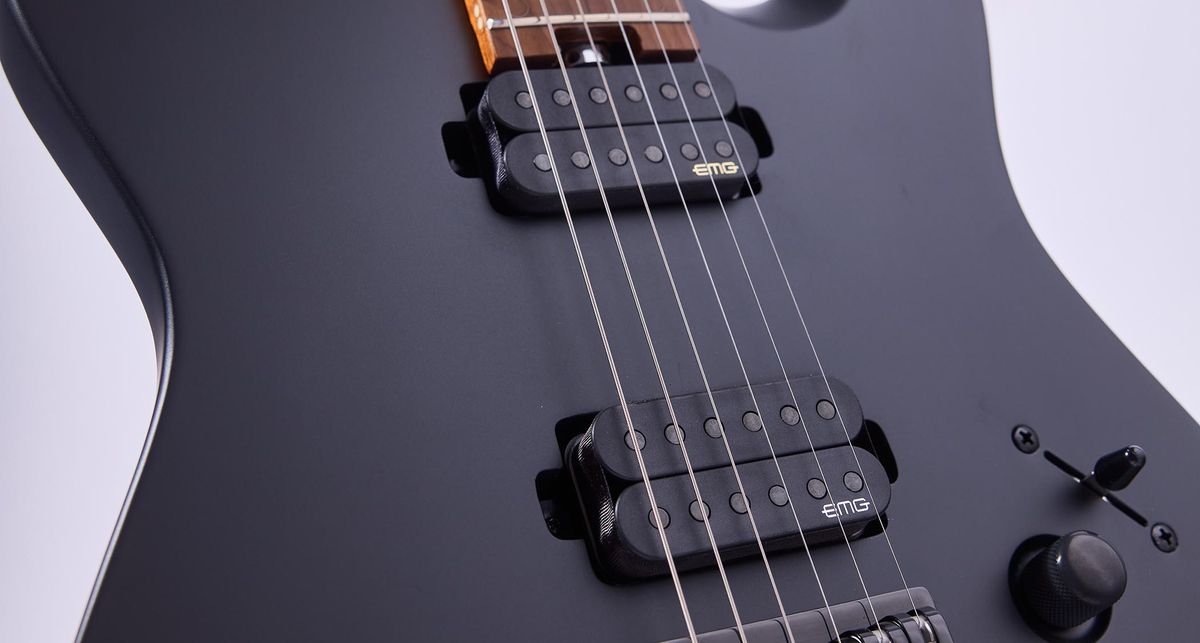
For players who demand higher output and a more aggressive tonal character, often favored by rock and metal musicians, an EMG pickup option is available. While these models may not feature the Alter Switch, they deliver the potent active humbucker attack that can add significant physicality and punch to riffs and solos. Notably, the EMG models utilize the Custom Retroactive Hot 70 pickup, a choice that aims to provide high output while retaining a degree of old-school warmth, striking a balance between modern power and vintage character.
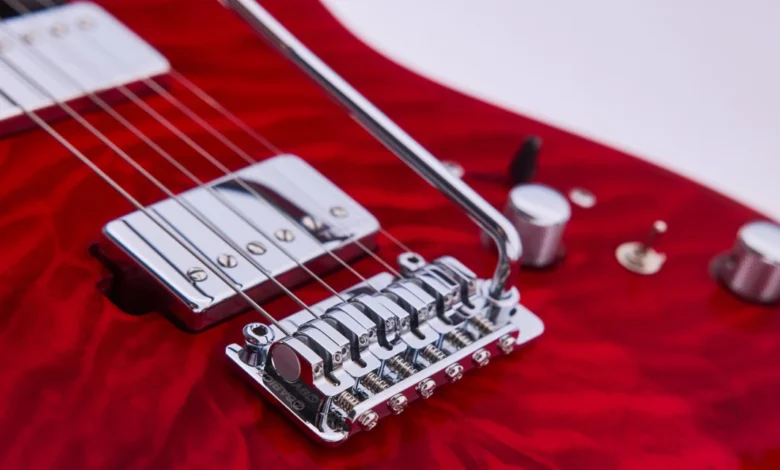
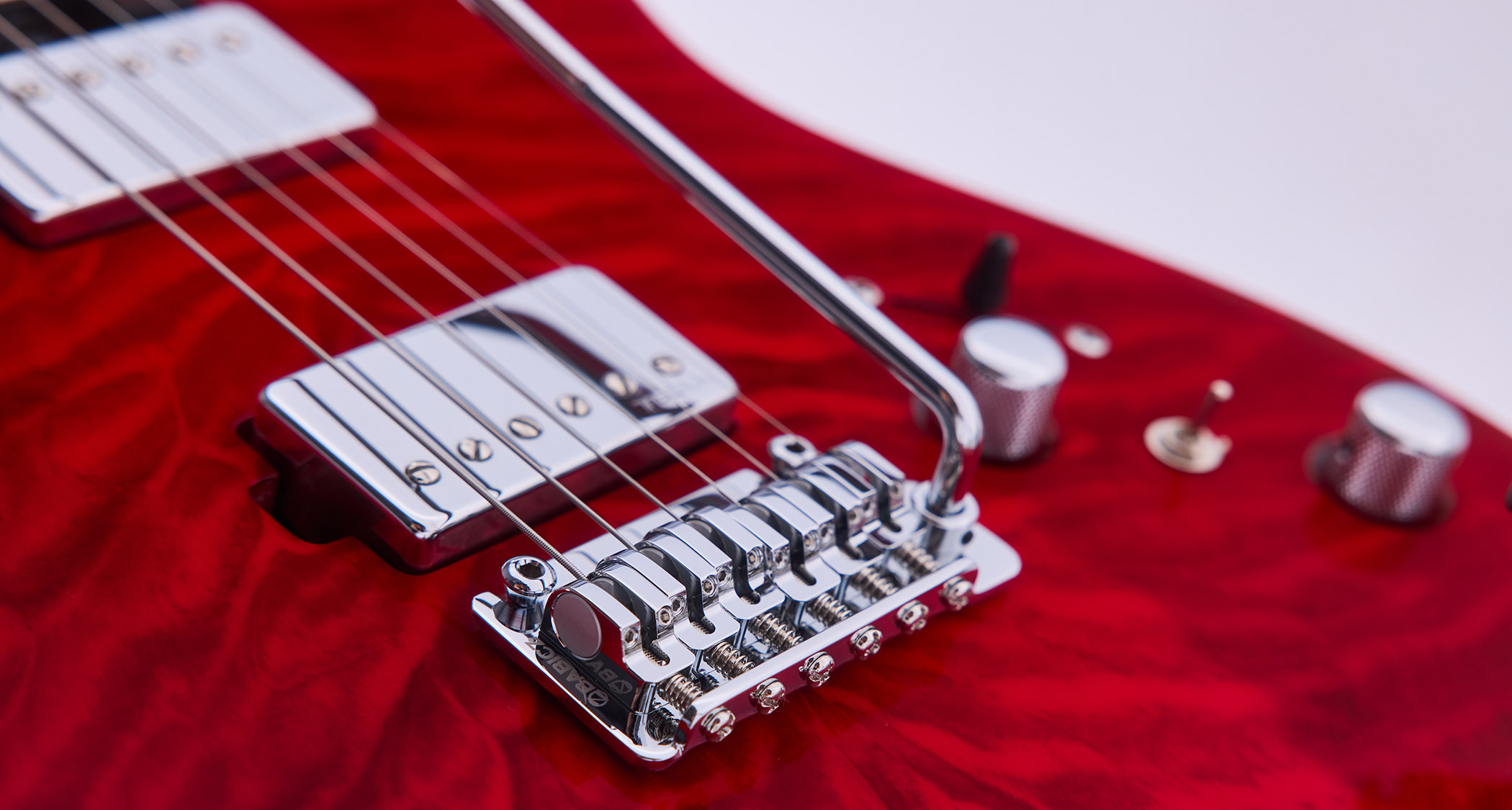
The hardware also sees thoughtful variations. The EMG-equipped models are available as left-handed instruments, reflecting Harley Benton’s dedication to inclusivity. These left-handed variants often feature a Babicz Z Series hard-tail bridge, known for its excellent sustain and intonation. In contrast, the Tesla-equipped models can be found with the Babicz FCH 2-Point Special Z-Series "full-contact" vibrato system. This bridge design is engineered to maximize string-to-body contact, theoretically enhancing resonance and sustain, while also offering the expressive capabilities of a tremolo system.
Beyond these core components, the Fusion-T II series incorporates other high-quality appointments. The nuts are made from Graph Tech Tusq XL, a material renowned for its self-lubricating properties, which contribute to tuning stability by reducing string friction. Furthermore, the truss rod adjustment wheel is conveniently positioned at the top of the fingerboard, allowing for easy neck relief adjustments without the need to remove the neck. These seemingly minor details collectively contribute to a more user-friendly and player-centric instrument.
A Market Disruption: Analysis of Implications
The launch of the Harley Benton Fusion-T II series represents more than just the introduction of new guitars; it signifies a continued disruption of the established guitar market. By offering a comprehensive package of premium features, such as roasted maple necks, compound radius fingerboards, stainless steel frets, locking tuners, and advanced electronics like the Alter Switch, all at aggressively competitive price points (typically under $500), Harley Benton is setting a new benchmark for value.
This strategy has several implications:
- Increased Accessibility to Advanced Features: Players who might have previously been priced out of instruments with these specifications now have a viable option. This democratizes access to features that enhance playability, durability, and sonic versatility.
- Pressure on Competitors: Established guitar manufacturers, particularly those in the mid-range market, may face increased pressure to innovate and justify their pricing in the face of Harley Benton’s compelling value proposition.
- Empowerment of Guitarists: The sheer number of options and configurations available allows guitarists to be more precise in their choices, selecting instruments that closely match their specific needs and preferences without significant compromise.
- Market Growth: By making feature-rich instruments more accessible, Harley Benton likely contributes to the growth of the guitar market, encouraging more individuals to pick up the instrument or upgrade from lower-tier options.
The extensive configurator available on the Harley Benton website, allowing users to explore the nuances of each model, further empowers consumers. This level of transparency and customization is a key differentiator, enabling potential buyers to make informed decisions. The availability of these instruments through major retailers like Thomann ensures broad reach and accessibility for customers worldwide.
Conclusion: A New Era of Value-Driven Innovation
The Harley Benton Fusion-T II series stands as a testament to the brand’s ongoing commitment to delivering exceptional value and innovation in the guitar market. By combining classic T-style aesthetics with a host of modern enhancements, premium materials, and an unparalleled array of customization options, these guitars offer a compelling proposition for players of all levels. The series not only expands Harley Benton’s already impressive Fusion lineup but also reinforces their position as a formidable force, challenging industry norms and empowering musicians with access to high-performance instruments at unprecedented price points. The Fusion-T II is more than just a new line of guitars; it’s a clear signal of Harley Benton’s intent to redefine what’s possible in affordable, feature-rich electric guitars.