The Debate Over Indie Stardom: Why Labeling Artists Like Ian Noe as Obscure Misses the Mark

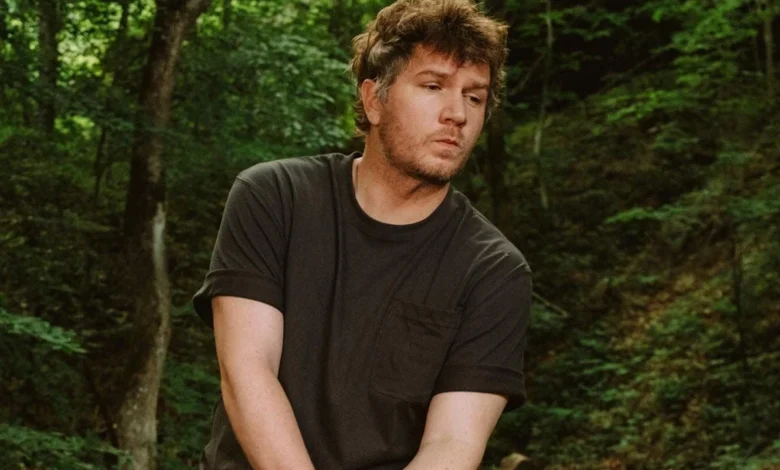
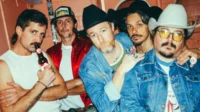
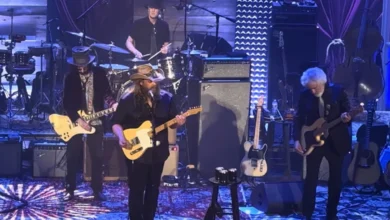
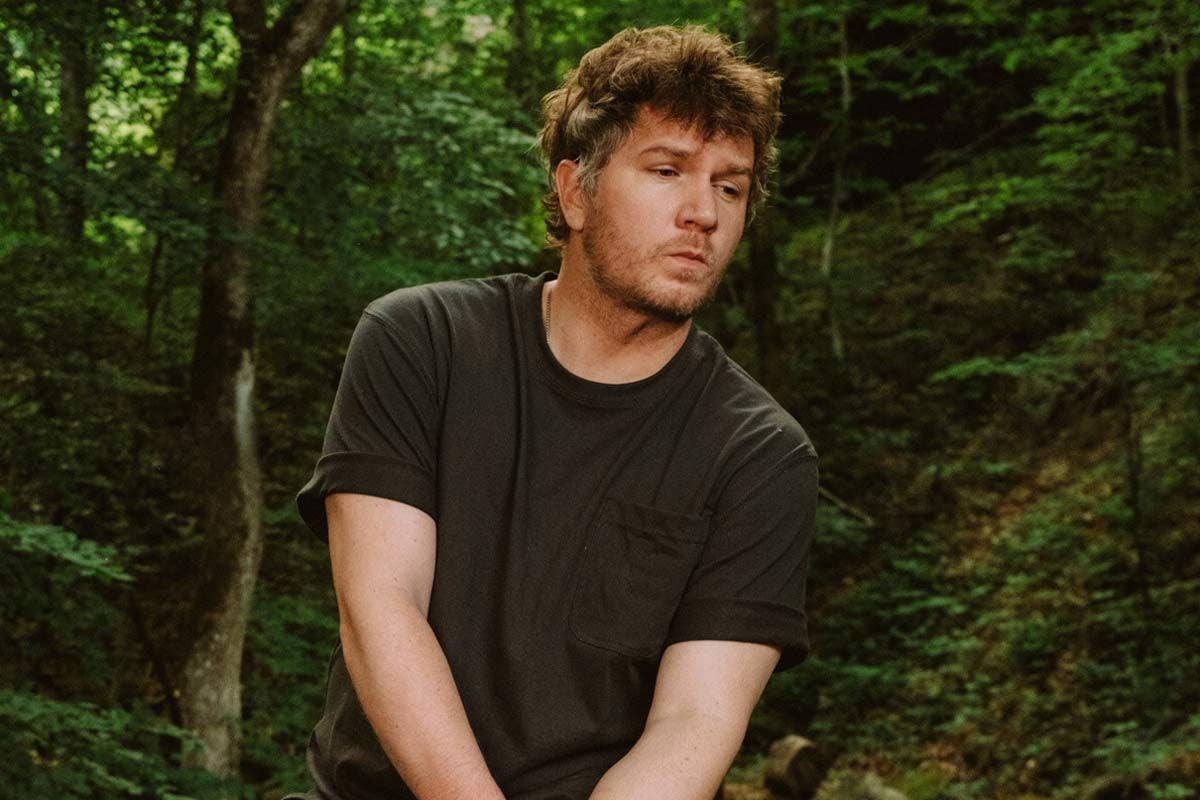
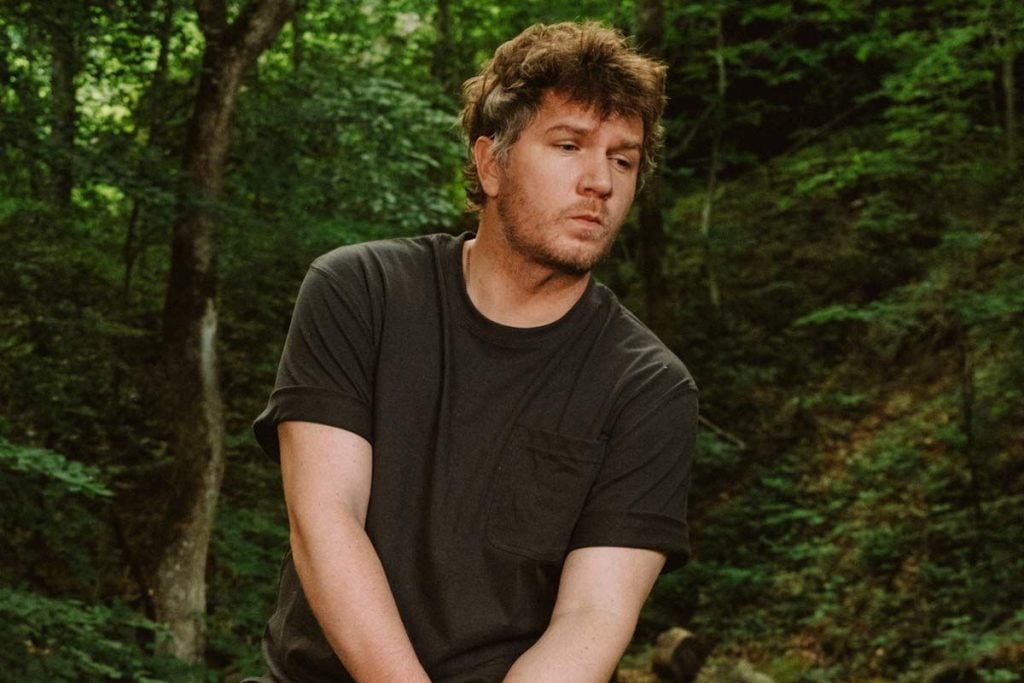
The modern music landscape often struggles to accurately categorize artists who exist outside the traditional machinery of major record labels. This tension was brought to the forefront following a recent collaborative gesture by arena-headlining singer-songwriter Zach Bryan, who bypassed releasing a standard live track for his own material to spotlight Kentucky-born folk artist Ian Noe. Instead of dropping a conventional studio version, Bryan hired a film crew, enlisted a gospel choir, brought in fiddle player Billy Contreras, and recorded a striking live rendition of "Kentucky Hurricane," a standout track from Noe’s late-September album, Canyon Falls Trailer Band.
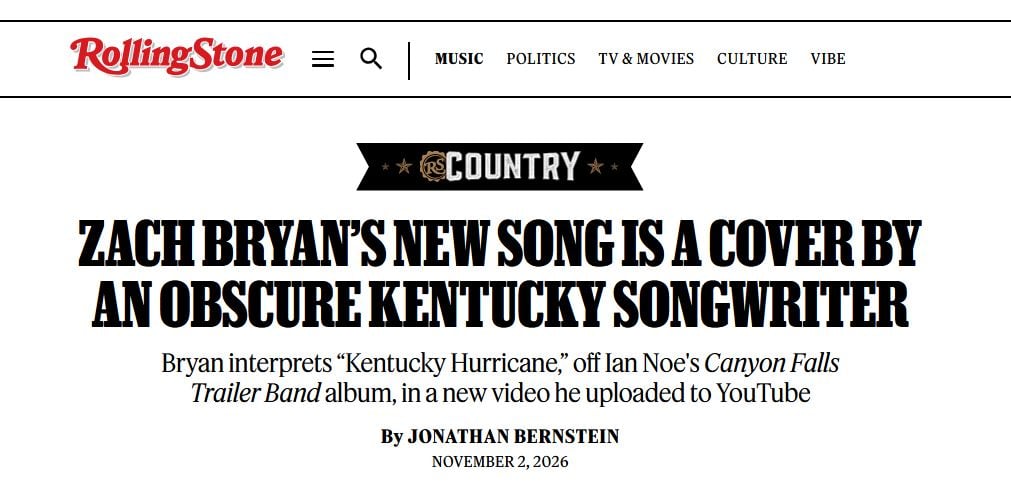
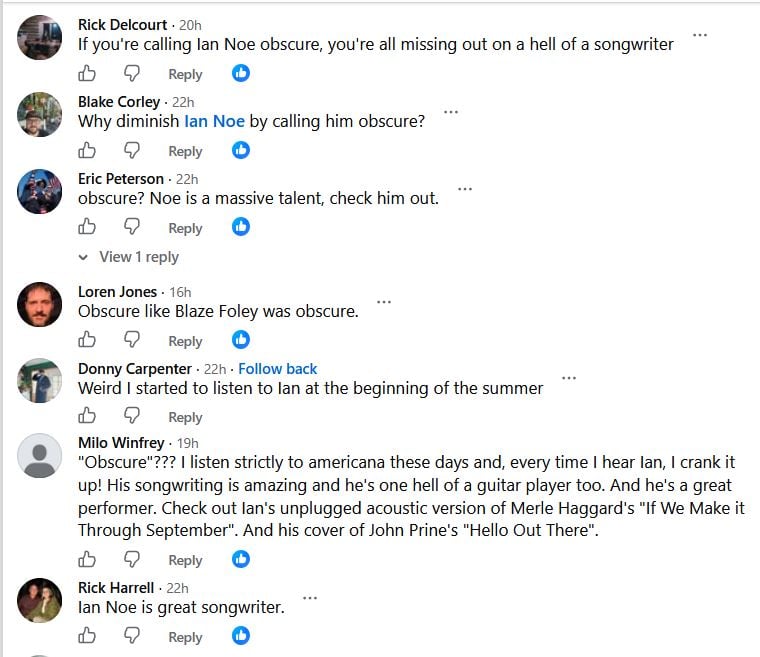
While the gesture served as a powerful testament to the community-minded ethos frequently displayed by contemporary folk and country artists, it also reignited a broader industry debate regarding how mainstream music journalism covers independent talent. Media coverage following the release—most notably an article by Rolling Stone—characterized Noe as "obscure," prompting widespread pushback from fans, industry observers, and fellow musicians who argue that such labels diminish the robust, highly engaged audiences built by roots and Americana artists in the digital age.
The Phenomenon of the Zach Bryan Spotlight
Zach Bryan’s career has been defined by an unusual paradox: he has achieved massive, stadium-selling commercial success while maintaining the grassroots aesthetics of an underground folk troubadour. Throughout his rise, Bryan has consistently used his platform to champion peers and emerging songwriters, frequently resulting in seismic career advancements for the artists he highlights.
A primary example is Noeline Hofmann, whose career gained massive momentum after Bryan championed her song "Purple Gas." Similarly, Bryan’s collaboration with the Turnpike Troubadours on the track "Plainsman" propelled the veteran Oklahoma band to their first-ever appearance on the Billboard Hot 100, landing at number 45. Other acts, including Sierra Ferrell, The War and Treaty, and Charles Wesley Godwin, have experienced substantial audience growth following similar associations.
Perhaps the most prominent example of this phenomenon is Kacey Musgraves. Her collaboration with Bryan on the track "I Remember Everything" achieved rare commercial heights, earning a Diamond certification and accumulating over 1.5 billion streams on Spotify alone. While Noe’s collaboration takes the form of a live cover video rather than a joint studio single, the release has driven renewed attention to Canyon Falls Trailer Band and Noe’s broader catalog, demonstrating the enduring influence of peer endorsement in a fragmented media ecosystem.
Defining "Obscurity" in the Digital Streaming Era
The core controversy surrounding the media coverage of Noe centers on the application of the term "obscure." In the article penned by Rolling Stone contributor Jonathan Bernstein, Noe was described as "relatively obscure," a framing intended to highlight the magnitude of Bryan’s platform boost. However, industry analysts and listeners were quick to point out the disconnect between this characterization and Noe’s actual commercial footprint.
Even prior to Bryan’s recent video release, Noe commanded nearly one million monthly listeners on Spotify—a streaming audience that dwarfs the traditional definition of obscurity. Furthermore, his breakout track "Letter to Madeline" has accumulated nearly 50 million streams. These figures align closely with the career trajectory of artists like Colter Wall, who maintains a massive, dedicated global following despite limited touring and virtually no reliance on mainstream radio promotion.
Critics of the Rolling Stone headline argue that framing successful independent acts as obscure relies on outdated metrics that measure success solely by mainstream chart dominance or top-tier pop radio rotation. In an era where contemporary folk and Americana artists routinely sell out mid-sized theaters, historic venues, and amphitheaters without commercial radio support, applying major-label metrics to independent musicians creates an inaccurate narrative.
The Broader Implications for Roots and Americana Music
The language used by major music publications carries tangible consequences for artists operating outside the commercial mainstream. Labels such as "obscure" or overly broad categorizations like "Americana"—when utilized to marginalize roots artists ignored by mainstream country radio—can erect artificial barriers between performers and their potential audiences.
Industry insiders note that critical framing directly impacts professional opportunities, including major festival bookings, award consideration, and institutional recognition from bodies such as the Recording Academy. When a publication of significant influence portrays a critically acclaimed artist with millions of streams as obscure, it risks inadvertently signaling to event promoters and voters that the artist commands a smaller or less culturally relevant following than they actually do.
This tension reflects a wider structural shift within the music industry. The contemporary folk and singer-songwriter sector has expanded so rapidly that the Grammy Awards introduced a dedicated category to accommodate its growth. Artists like Noah Kahan, Zach Bryan, and their contemporaries regularly outpace traditional mainstream country acts in ticket sales and digital consumption, proving that meaningful, lyric-driven songwriting has captured a dominant share of the modern listening public.
Industry Responsibility and the Path Forward
The discussion also casts a light on the changing responsibilities of modern tastemakers. While publications like Rolling Stone continue to shape cultural conversations, their institutional ties to corporate media conglomerates—such as Penske Media holdings, which encompasses both Rolling Stone and Billboard—frequently draw scrutiny from independent music advocates. Critics argue that corporate music journalism often attempts to balance the celebration of independent talent with the preservation of traditional industry hierarchies, sometimes resulting in framing that downplays the autonomy and established success of grass-roots creators.
As the music industry continues to decentralize, the relationship between mainstream superstars and independent stalwarts remains symbiotic. Zach Bryan has frequently acknowledged that his success is built on poetic authenticity rather than conventional vocal or instrumental virtuosity, positioning himself not as a musical gatekeeper, but as a participant in a larger lineage of American songwriting.
Ultimately, the reception of Ian Noe’s Canyon Falls Trailer Band and his subsequent collaboration with Bryan highlight a thriving ecosystem where artistic merit can still bypass traditional gatekeepers. Whether Noe’s work appears on end-of-year critical lists alongside—or ahead of—his mainstream contemporaries, the broader consensus among fans and peers is clear: artists who build enduring audiences through exceptional songwriting and authentic connection have long since moved past the boundaries of obscurity.