Why Apple’s Omission of Camera-Equipped AirPods at the September Launch Signals a Strategic Pivot

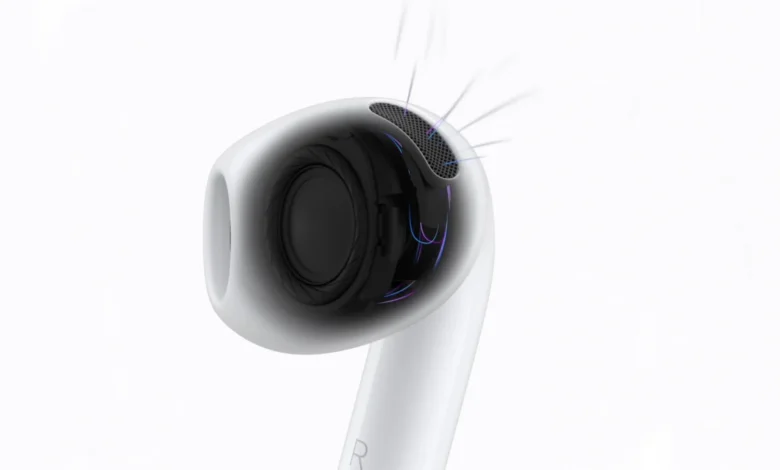
The highly anticipated September 9th iPhone 18 launch event concluded with a clear focus on the company’s core hardware lineup, notably excluding the long-rumored "AirPods Ultra" or any variant featuring integrated camera technology. While industry analysts and supply chain observers had speculated that Apple might unveil earbuds equipped with infrared camera sensors, the company opted to center its audio presentation on the newly released AirPods 5. With reports now suggesting a release window shifted to 2027, the delay offers a window into Apple’s evolving strategy regarding wearable artificial intelligence and the complex intersection of user privacy and hardware innovation.
The Evolution of the AirPods Roadmap
The rumors surrounding camera-integrated AirPods first gained significant traction in early 2024. Industry reporting suggested that these devices, internally referenced as part of a potential "Ultra" tier, would incorporate miniaturized infrared (IR) sensors. Unlike traditional optical cameras designed for photography or videography, these sensors were conceptualized to facilitate "Visual Intelligence"—a system intended to map the user’s environment to provide contextual awareness.
This technological trajectory aligns with Apple’s broader interest in spatial computing. Following the introduction of the Vision Pro headset, the integration of environment-sensing capabilities into smaller form factors like earbuds represents a logical, albeit challenging, step in the company’s roadmap. However, the absence of this technology at the iPhone 18 launch suggests that the hardware is either not yet ready for mass-market deployment or that Apple is refining the use cases to ensure they align with the company’s stringent privacy standards.
Privacy Concerns and the Meta Precedent
The decision to postpone such technology is likely influenced by the current climate of public scrutiny regarding wearable cameras. The industry has closely monitored the reception of competing products, such as smart glasses equipped with cameras capable of recording video and audio. These devices have faced significant pushback from privacy advocates due to the potential for recording individuals without consent or clear notification.
Apple’s brand identity is deeply rooted in the concept of user privacy. For the company to integrate any form of optical or infrared sensor into a device as intimate as an earbud, it must ensure that the technology is perceived as an accessibility or productivity tool rather than a surveillance mechanism. By prioritizing features like enhanced Active Noise Cancellation (ANC) and acoustic architecture in the AirPods 5, Apple maintains its reputation for delivering consumer-centric audio experiences while allowing more time to address the ethical and technical hurdles associated with environmental sensing.
Chronology of Development and Strategic Delays
The trajectory of the rumored AirPods project has been characterized by iterative refinement:
- Early 2024: Initial reports emerge detailing supply chain investigations into IR-camera modules for wireless earbuds.
- Mid-2025: Technical documentation leaks, including references in macOS Tahoe, highlight potential applications for environmental scanning, such as object identification.
- September 2026: The iPhone 18 launch confirms the launch of the AirPods 5, focusing on acoustic fidelity and ANC performance, while camera-equipped models remain absent.
- Current Outlook: Analysts now point to a 2027 development timeline, providing a buffer for the integration of next-generation silicon, likely an "H3" chip, to manage the power-intensive demands of advanced AI processing.
Technical Implications: The Power-Performance Tradeoff
The primary technical obstacle to integrating advanced sensor arrays into earbuds is the limitation of the current H2 chip and existing battery density. Wireless earbuds are constrained by their physical footprint; every millimeter allocated to a camera module or an additional sensor is a millimeter taken away from battery capacity or acoustic chambers.
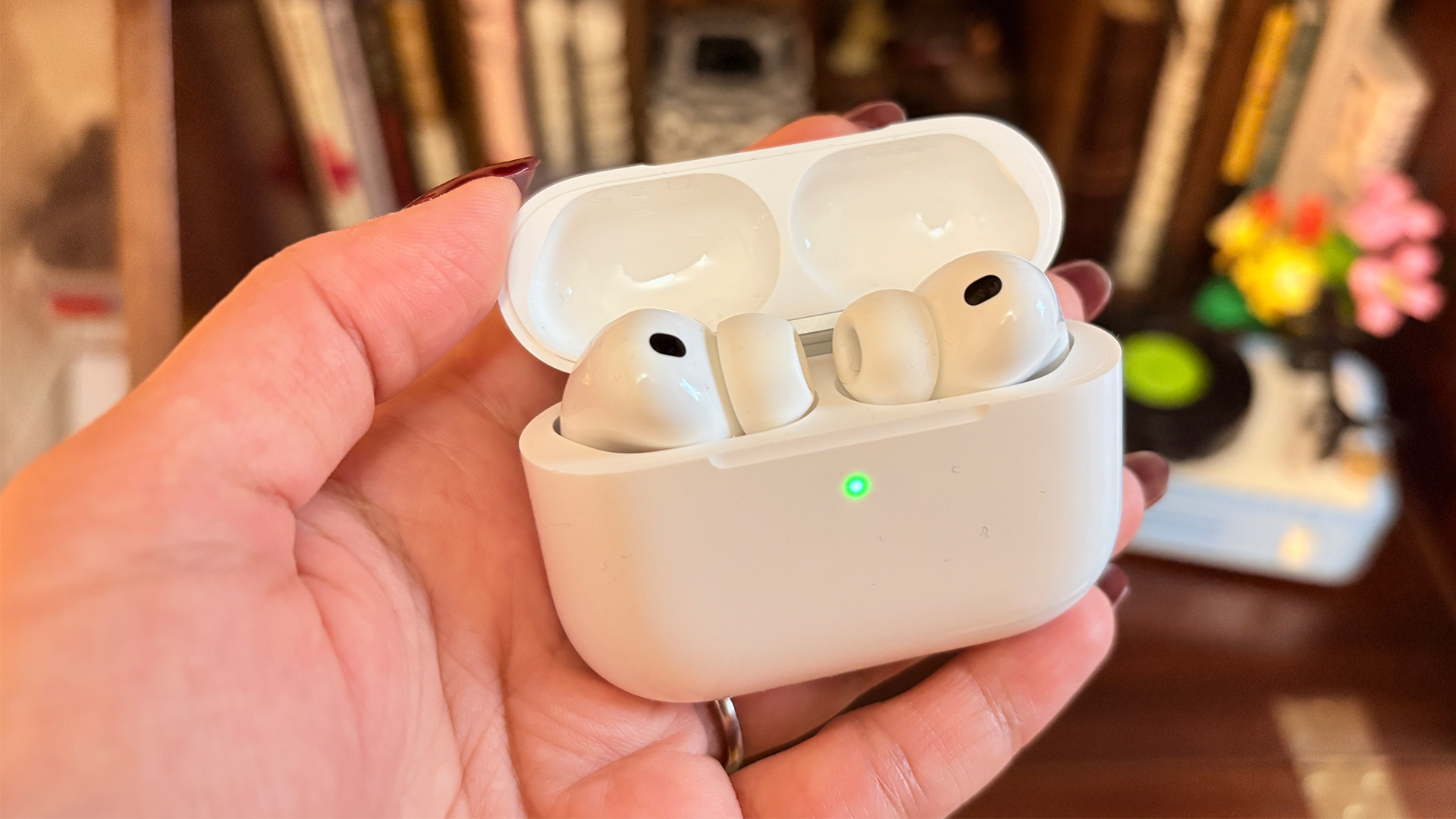
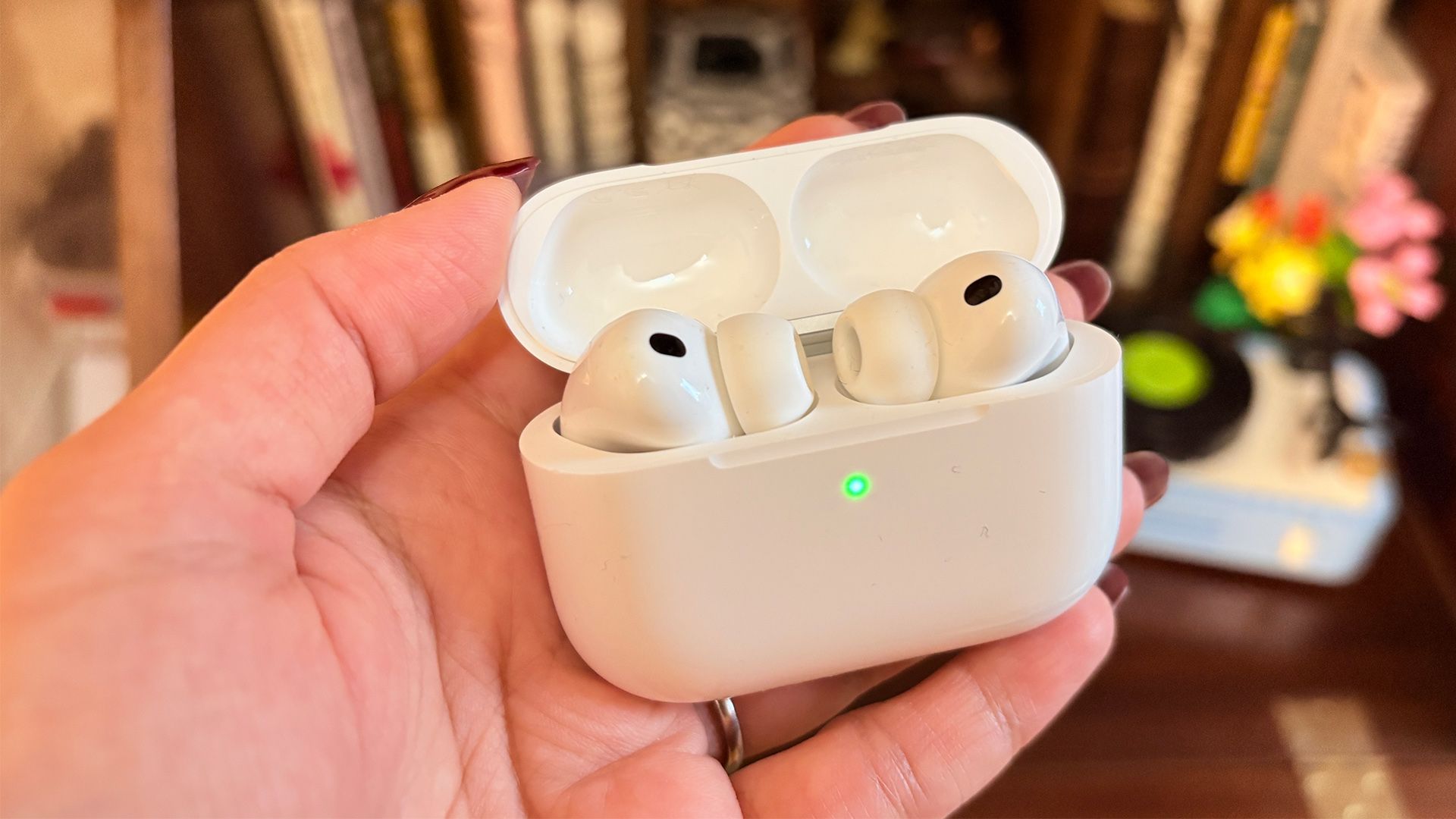
The AirPods Pro 3, which serve as the foundation for these rumors, already push the boundaries of miniaturization. Integrating a camera system capable of continuous, real-time environmental analysis would necessitate a significant leap in power efficiency. If Apple is to release such a device, it must overcome the "thermal-power bottleneck." A device that exhausts its battery in two hours of use would contradict the utility expected of a premium, all-day wearable. Consequently, the 2027 delay likely allows for the development of a more power-efficient silicon architecture that can handle AI-driven visual processing without compromising the core function: high-fidelity audio reproduction.
The Role of Apple Intelligence and AI Integration
Apple’s current strategy centers on the rollout of its proprietary AI platform, Apple Intelligence. During the iPhone 18 event, the company emphasized a new, more conversational iteration of Siri, designed to process complex requests while keeping data local to the device.
The integration of cameras into earbuds would likely serve as a hardware bridge to this AI ecosystem. Rather than generating images, the proposed camera system would act as an input device for the AI, allowing users to ask questions like, "What is the name of this book?" or "How do I assemble this object?" based on visual input. By waiting to launch this technology, Apple ensures that its AI infrastructure—which is currently undergoing a massive scaling phase—is mature enough to provide a seamless, non-frivolous user experience.
Market Positioning: Performance Over Novelty
While the prospect of "smart" earbuds is compelling, the current market for wireless audio remains heavily focused on sound quality, comfort, and noise management. The Sony WF-1000XM6 currently sets the benchmark for high-fidelity audio in the wireless earbud category, and Apple faces stiff competition to maintain its market share.
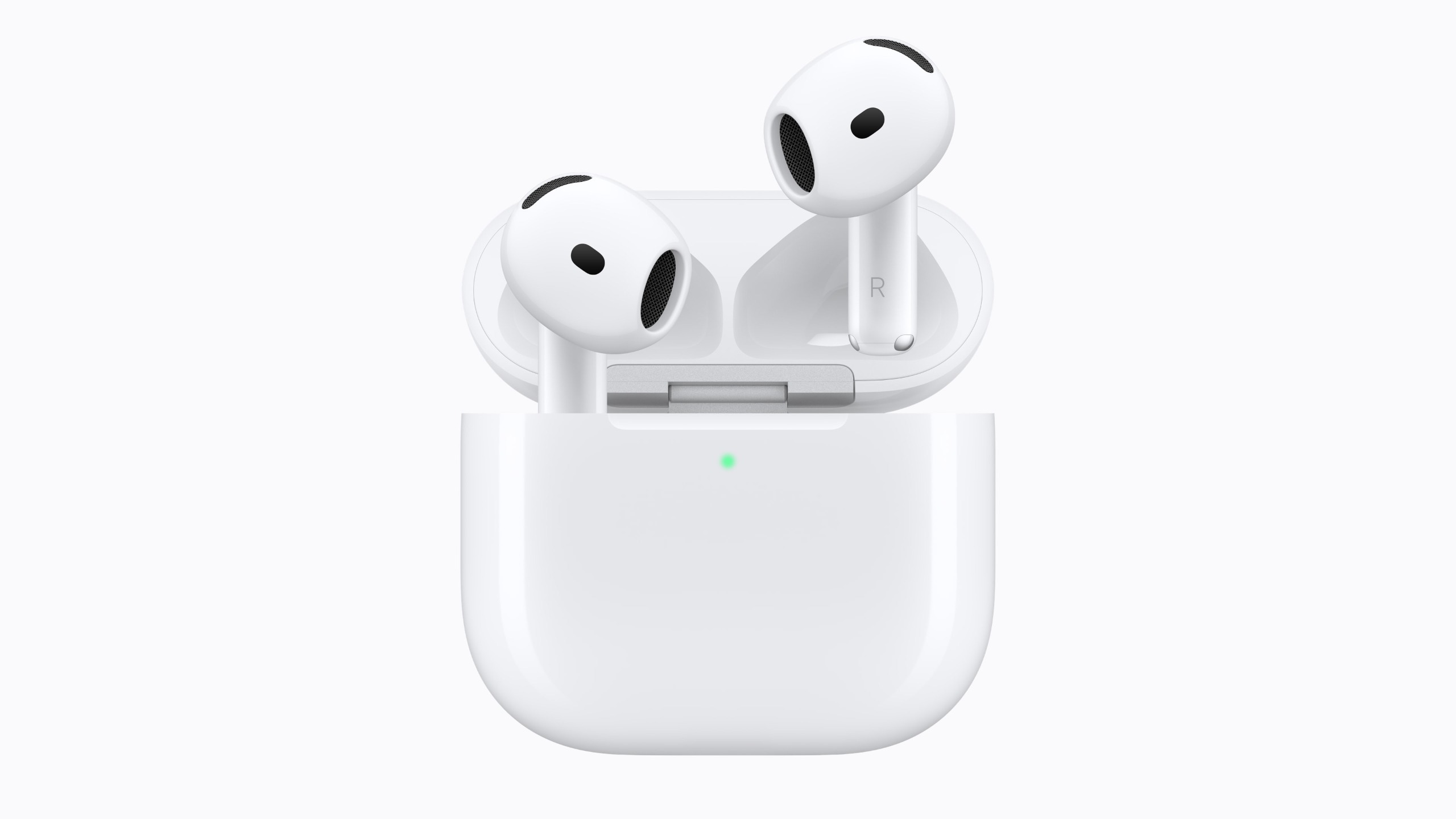
The AirPods 5, launched alongside the iPhone 18, highlight a commitment to the fundamentals. With a 50 percent improvement in ANC performance and a redesigned acoustic architecture, Apple is signaling that it understands the core demographic: audiophiles and daily commuters who prioritize clarity and reliability. The "Ultra" branding, if and when it arrives, will likely be positioned as a niche, professional-grade accessory rather than a direct replacement for the standard AirPods lineup.
Future Outlook and Industry Impact
The delay of the camera-equipped AirPods is a calculated strategic move. By opting out of the immediate "AI hardware arms race," Apple avoids the risks associated with rushed technology that may face regulatory or social backlash. Instead, the company is opting for a more measured approach that integrates advanced sensing capabilities only when they can be presented as essential, privacy-conscious utilities.
As the industry moves toward 2027, the focus will likely shift to the performance capabilities of the rumored H3 chip. If Apple can successfully marry high-end spatial audio with unobtrusive, AI-assisted environmental awareness, it could fundamentally redefine the role of the earbud in the digital workspace. For now, the decision to hold off on such a radical departure from traditional audio hardware demonstrates a disciplined approach to product development that prioritizes long-term ecosystem stability over short-term headline grabbing. The future of wearables may indeed include cameras, but under Apple’s stewardship, that future remains subject to the company’s rigid requirements for utility, safety, and acoustic excellence.