U2 Discuss Defiant Joy, 50 Years of Collaboration, and Their New Album Carnaval de Luz Ahead of 2027 World Tour

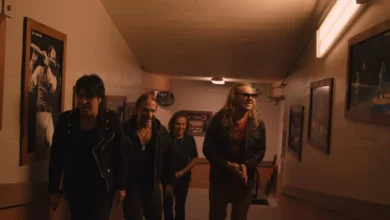
Following five decades at the pinnacle of international rock music, legendary Irish stadium giants U2 have returned with profound reflections on their enduring creative partnership, the political history of escapism, and their upcoming sixteenth studio album, Carnaval de Luz. Sitting down in a London hotel on the afternoon of Guy Fawkes Night—just days after an intimate, critically acclaimed BBC launch performance at the Tate Modern—frontman Bono and guitarist The Edge detailed the philosophical and sonic underpinnings of their latest era. The conversation bridged a historic trajectory that began in Dublin 50 years ago with a forward-looking perspective on modern music, highlighting the band’s persistent drive to reinvent themselves amidst a rapidly shifting global landscape.
The release of Carnaval de Luz, slated for November 13, arrives nearly a decade after the band’s 2017 record, Songs of Experience. Produced by Jacknife Lee and featuring longstanding creative contributions from producer Brian Eno, the album embraces what the band describes as "defiant joy." This thematic core is heavily influenced by the cultural history of carnivals—events historically used by working-class populations to subvert autocracy, mock the landed gentry, and reclaim public spaces from repressive regimes. Reflecting on their upbringing in Ireland, The Edge noted the band’s early artistic rebellion against strict religious constraints, joking that they were "cheated out of carnival by the Catholic Church in Ireland" and offered pancakes instead. This tension between solemnity and celebration informs the vibrant, politically charged sonic architecture of the new record, which follows a string of surprise companion EPs including Days of Ash and Easter Lily.

Brian Eno’s Influence and the Deconstruction of Sound
Central to the creation of Carnaval de Luz is the band’s enduring collaboration with visionary producer Brian Eno, whose influence dates back to U2’s landmark 1984 album, The Unforgettable Fire. Reflecting on their decades-long professional relationship, The Edge recalled how Eno initially encouraged the group to deconstruct their traditional band arrangements and treat their technical limitations not as impediments, but as creative opportunities. This methodology of building compositions "from nothing" remains a foundational pillar of U2’s studio process. During their recent BBC performance at the Tate Modern’s South Tank, the band celebrated this symbiotic relationship by performing against a 360-degree backdrop of Eno’s digital art installation, 77 Million Paintings, reinforcing the visual and auditory multimedia experimentation that has defined much of their career.
Chronology of a Half-Century Partnership

Founded in Mount Temple Comprehensive School in Dublin in 1976, U2 evolved from a local teenage outfit into one of the most commercially successful and critically revered touring acts in rock history. Over the past fifty years, the band has navigated monumental cultural shifts, technological revolutions in the music industry, and significant geopolitical events. Their discography charts a distinct evolution from the post-punk urgency of Boy (1980) and War (1983) to the sonic deconstruction of Achtung Baby (1991) and the stadium-scale multimedia spectacles of the Zoo TV and Sphere residencies.
Recent homecoming celebrations in Dublin and the intimate Tate Modern showcase mark a deliberate transition into their sixth decade as a cohesive unit. Despite reaching this rare milestone, both Bono and The Edge emphasize that the threat of creative stagnation remains a primary motivator. Rather than relying on past glories, the band approaches each new project as a blank slate, frequently comparing their longevity to a continuous cycle of disbanding and reforming under new artistic parameters.
Industry Perspectives and the Modern Musical Landscape

In evaluating their place within the contemporary music industry, Bono and The Edge offered candid assessments of the mainstream landscape and the new generation of artists currently capturing public attention. Discussing the pressures of sustaining a mass audience after four decades, Bono admitted a feeling of having "failed the mainstream" with the fragmented sonic identities of their previous two studio albums, Songs of Innocence (2014) and Songs of Experience (2017). However, the creation of Carnaval de Luz allowed the band to shed commercial anxieties and return to a collaborative, exploratory sandbox reminiscent of their early days.
The band members also expressed deep admiration for emerging and contemporary acts that refuse to stay confined to traditional genres. Highlighting the meteoric rise of fellow Irish artists Fontaines D.C.—who are slated for massive outdoor stadium performances—as well as the genre-bending aesthetics of Rosalía, Wolf Alice, the Lambrini Girls, and Geese, U2 pointed to these younger acts as vital catalysts keeping them creatively engaged. Bono singled out Rosalía’s artistic trajectory, which inspired the track "The Mirror Maker," noting her ability to look beyond surface reflection and fundamentally reshape the world around her aesthetic vision.
Economic Realities and the Commodification of Music

Beyond artistic philosophy, the interview turned toward systemic challenges facing the modern music ecosystem. Drawing a sharp contrast between their own status as stadium-tier headliners and the financial realities confronting grassroots musicians, Bono launched a stern critique of the current digital music economy. Highlighting the stark disparity in streaming payouts and the near-impossibility for developing acts to sustain a living solely through recorded music, the frontman advocated for sweeping structural reform. He argued that while legacy acts retain the ability to generate revenue through massive international tours, the broader commodification of music penalizes artists who lack live-performance infrastructure.
Broader Impact and Implications for 2027
The release of Carnaval de Luz marks more than just a return to the recording studio; it serves as a strategic cultural reset for a band preparing for a rigorous international schedule. Alongside the album’s release, U2 has announced an extensive UK and European stadium tour for 2027 under the banner "The Greatest Show on Earth," supported by Wolf Alice. Industry analysts view the tour as a major economic driver for the live entertainment sector, capitalizing on pent-up consumer demand for large-scale communal musical events.

Ultimately, U2’s longevity offers a compelling case study in institutional resilience within the performing arts. By prioritizing collective cooperation over individual ego, maintaining an active dialogue with younger generations of musicians, and harnessing music as an instrument of both protest and celebration, the band continues to navigate the complexities of aging in the public eye. As they look toward their 2027 tour dates and the reception of their sixteenth studio album, Bono and The Edge remain anchored by the foundational belief that their most defining creative statement may still be just around the corner.