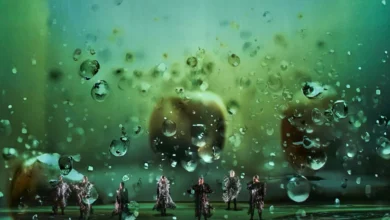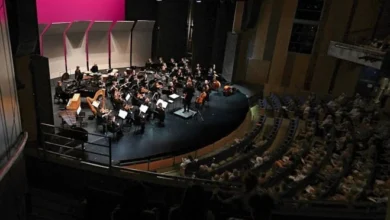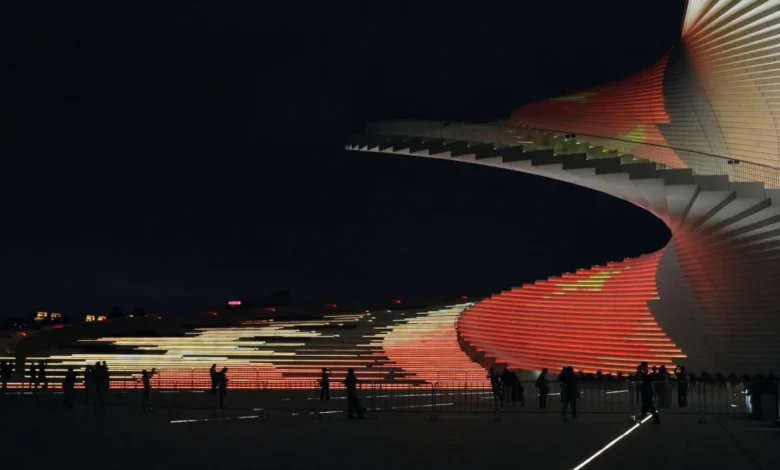
The recent surge in high-profile operatic programming at the Shanghai Grand Opera House has sparked a critical dialogue regarding the logistical, financial, and cultural sustainability of hosting world-class productions in rapid succession. When a single venue hosts La Fenice’s production of "Tosca," the Mariinsky Theatre’s staging of "Aida," and the Staatsoper Unter den Linden’s "Der Rosenkavalier" within a window of less than thirty days, the feat transcends traditional touring logistics. This concentration of elite international repertoire is reminiscent of the dense programming seen at the Lucerne Festival or the milestone anniversary seasons of Hamburg’s Elbphilharmonie. However, for a venue navigating the unique pressures of the Chinese cultural market, the sheer volume of personnel, specialized shipping containers, and mounting capital expenditure has shifted the conversation from artistic achievement to the viability of the "opera marathon" model.
The Logistics of Global Cultural Exchange
The coordination required to transport, rehearse, and execute three major international productions in under a month is an endeavor of industrial scale. Each production—from the elaborate set designs of a Mariinsky "Aida" to the intricate costume archives of a Staatsoper Unter den Linden "Der Rosenkavalier"—requires specialized climate-controlled transport and a local crew capable of executing technical riders that were designed for permanent, European-style repertory theaters.
In the case of these specific productions, the logistical chain involves thousands of tons of stage equipment moving across continents. The process begins months in advance, requiring precise customs clearance, technical adaptation to the Shanghai stage’s dimensions, and the temporary relocation of dozens of technicians from the originating companies. The financial burden is substantial, involving not only the standard rental fees but also the astronomical costs of air freighting delicate stage machinery and the labor costs associated with round-the-clock "changeovers"—the period between the teardown of one production and the setup of the next.
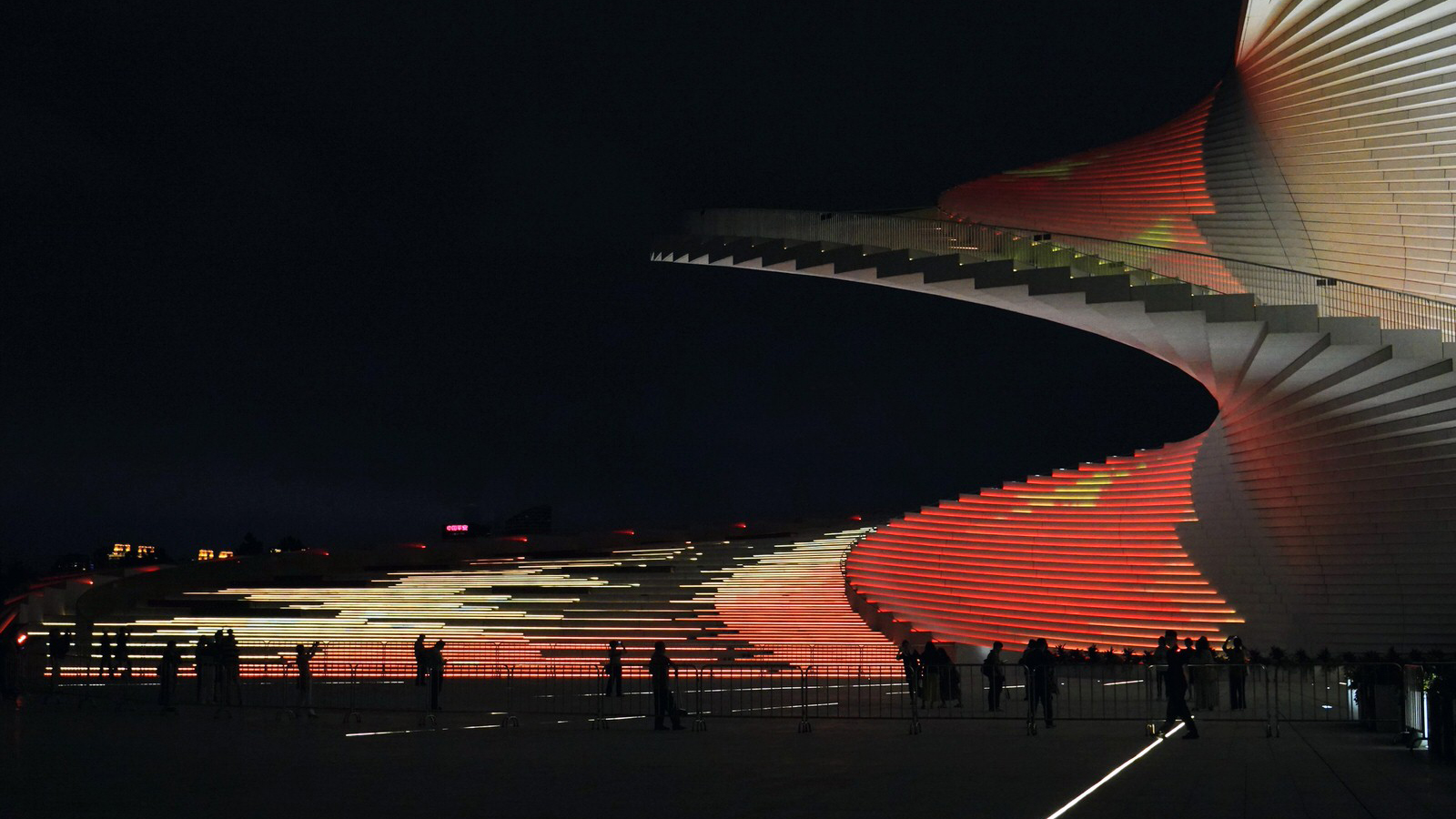
Chronology of the Shanghai Operatic Surge
The strategic push to position Shanghai as a global hub for opera has been a multi-year effort, accelerating significantly as the city seeks to bolster its "cultural soft power."
- Phase I (2022–2023): The initial stabilization period, focusing on securing long-term partnerships with European houses to ensure a pipeline of high-quality, pre-vetted productions.
- Phase II (2024): The experimentation phase, where the venue tested its capacity for shorter, more frequent turnarounds, bringing in international ensembles for limited, high-impact residencies.
- Phase III (2026): The current saturation model, where the schedule is compressed to maximize audience exposure to diverse international "brands" of opera, effectively turning the theater into a rotating showcase of global talent.
This accelerated timeline was designed to meet a post-pandemic surge in domestic demand for high-end cultural experiences. However, the compression of three major, multi-act operas into a single month leaves virtually no margin for error. A delay in customs or a mechanical failure in the theater’s automated stage systems would theoretically derail the entire seasonal schedule.
Economic and Operational Data
While exact budget figures for these productions remain proprietary, industry standards for international touring of this magnitude provide a clear picture of the economic stakes. A single full-scale production tour involving a major European house can cost anywhere from $2 million to $5 million, depending on the complexity of the scenery and the size of the accompanying orchestra and chorus.
When aggregated, the "marathon" season in Shanghai likely represents a multi-million-dollar investment per month. Critics note that the focus on imported productions rather than domestic creation raises questions about the long-term ROI. While these performances drive ticket sales and elevate the venue’s prestige, they do not necessarily build local infrastructure or foster the development of a indigenous Chinese operatic tradition. The reliance on foreign companies serves as a temporary injection of excellence, but the sustainability of such a model depends on constant, high-level capital funding—a challenge in any economic climate.

Perspectives from the Industry
Within the global opera community, the reaction to Shanghai’s rapid-fire programming is mixed. European arts administrators often view the invitation as a lucrative opportunity to export their productions, providing essential revenue streams that subsidize their own domestic seasons. However, there is growing concern regarding the "burnout" of touring companies.
"The physical and mental toll on performers and technicians is significant," notes one anonymous consultant familiar with international touring logistics. "Performing a major, set-heavy opera is an athletic event. Doing it in a new city, with a different stage crew, every ten days, creates an environment where ‘good enough’ becomes the standard, rather than the artistic perfection that these houses usually demand."
Conversely, the Shanghai administration maintains that the intensity of the schedule is a necessary response to the scale of the city and the expectations of its audience. By providing a "greatest hits" of international opera, the venue is effectively fast-tracking the education and engagement of a new generation of opera enthusiasts who might otherwise wait years to see these specific productions in their home theaters.
Implications for the Future of the Venue
The current model has profound implications for the future of the Shanghai Grand Opera House. To sustain this pace, the venue must solve three primary challenges:

- Technical Standardisation: The theater must continue to upgrade its stage technology to accommodate the varied requirements of international companies, ensuring that a production from Venice fits as seamlessly as one from Berlin.
- Cost Management: The current reliance on imported talent is expensive. To remain sustainable, the venue will likely need to shift toward co-productions, where the set and costume designs are shared or manufactured locally, reducing shipping and labor costs.
- Audience Retention: The "marathon" approach is excellent for attracting headlines, but it remains to be seen if it builds a loyal, repeat audience base. The venue must transition from the "event-based" model of the last year to a "repertory-based" model that fosters deeper community ties.
Broader Cultural Impact
The broader impact of this initiative is a shift in the global center of gravity for classical music. For decades, the flow of operatic culture was largely unidirectional: from the established houses of Europe and the United States to the rest of the world. By hosting these major houses in such rapid succession, Shanghai is asserting itself as a peer-level participant in the global operatic discourse.
However, the criticism remains that this is a "curated" excellence. The true test of the Shanghai Grand Opera House will not be in its ability to rent the best productions from abroad, but in its capacity to generate a sustainable, original, and local operatic culture that can survive independently of the international touring circuit.
As the 2026 season continues, observers will be watching closely to see if the current pace is a permanent strategic shift or a temporary demonstration of capability. The logistical hurdles of moving "Tosca," "Aida," and "Der Rosenkavalier" in quick succession have proven that the venue has the infrastructure to handle the world’s most demanding productions. Now, the question is whether the venue can evolve into a creative engine, rather than just a global stage for others’ creations. The reliance on massive logistics and high-cost imports may be a powerful start, but the future of the Shanghai Grand Opera House will ultimately be defined by its ability to integrate these international standards into a lasting, locally rooted artistic vision.