Gram Parsons Posthumous Rock Hall Induction Sheds Light on Lost 1970 Sci-Fi Film Saturation 70 and a New Definitive Book

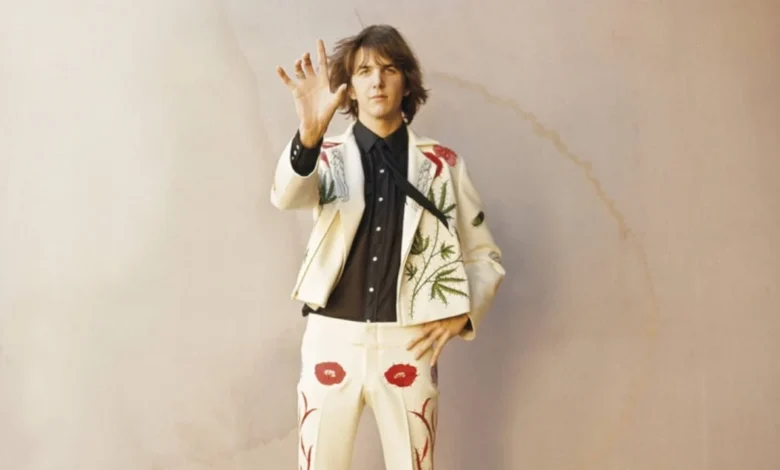
Long before his tragic passing forever etched his name into the annals of American music lore, visionary singer-songwriter Gram Parsons was charting a kaleidoscopic, genre-bending course that would profoundly influence both country and rock music. On November 14, 2026, that towering legacy will be formally recognized when Parsons is posthumously inducted into the Rock and Roll Hall of Fame during a star-studded ceremony at the Peacock Theater in Los Angeles. While the institution that bears his musical roots, the Country Music Hall of Fame, has notably delayed extending this honor to the pioneer of "Cosmic American Music," the Rock Hall is ensuring his profound impact is preserved on a grand scale. Fans worldwide will have unprecedented access to the event, with streaming availability on Hulu and Disney+ the following day, alongside a scheduled broadcast television special on ABC on December 8, 2026.
Yet, as the global music community prepares to celebrate the life and times of the former Byrds and Flying Burrito Brothers frontman on what would have been his birthday season, a fascinating and previously obscured chapter of his artistic trajectory is finally coming to light. Ahead of the November induction, historians, biographers, and fans are turning their attention to one of the great lost artifacts of counterculture cinema: Saturation 70. Long relegated to whispered rumors among music historians, this ambitious, unfinished 1970 dystopian sci-fi feature film represents a critical junction in Parsons’ career—a moment when his artistic ambitions stretched far beyond the confines of traditional recording studios into the realm of visionary filmmaking.
The Lost Project: Inside the World of Saturation 70
Conceived at the tail end of the tumultuous 1960s, Saturation 70 was envisioned as a psychedelic, dystopian allegory that captured the anxieties and utopian ideals of the era. Director Anthony Foutz spearheaded the avant-garde project, casting an eclectic ensemble that reflected the cross-pollination of the era’s rock, folk, and fashion elite. Gram Parsons was slated to star in the film, stepping out of his musical comfort zone to test his presence on the silver screen. He was joined by a mesmerizing supporting cast, including legendary country music tailor Nudie Cohn—whose flamboyant rhinestone-studded suits defined the visual aesthetic of classic country music—and singer-actor Michelle Phillips, celebrated globally as the iconic soprano of The Mamas & The Papas. Adding to the film’s surreal pedigree was five-year-old Julian Jones, the son of late Rolling Stones founding guitarist Brian Jones.
The production values of Saturation 70 were surprisingly high-caliber for an underground counterculture venture. The filmmakers enlisted Douglas Trumbull as the special effects coordinator. Trumbull was a titan of cinematic visual effects, renowned for his groundbreaking work on cinematic masterpieces such as 2001: A Space Odyssey, Close Encounters of the Third Kind, and Blade Runner. Principal photography took place across Southern California, utilizing the stark, otherworldly landscapes of Los Angeles and the Mojave Desert. Notably, a significant portion of the production was shot on location during the 1969 Giant Rock Space Convention in Joshua Tree, an annual gathering of ufologists, counterculture icons, and fringe thinkers that would subsequently become deeply intertwined with Parsons’ personal mythology.
Despite its immense creative promise, Saturation 70 was never completed. In 1970, a severe stock market crash sent shockwaves through the American economy, drying up the independent funding sources keeping the film afloat. Production was abruptly halted when the project was roughly halfway finished. Tragically, in the decades that followed, the vast majority of the original film stock, script notes, and visual assets were lost, leaving the project to fade into the realm of music and film urban legends.
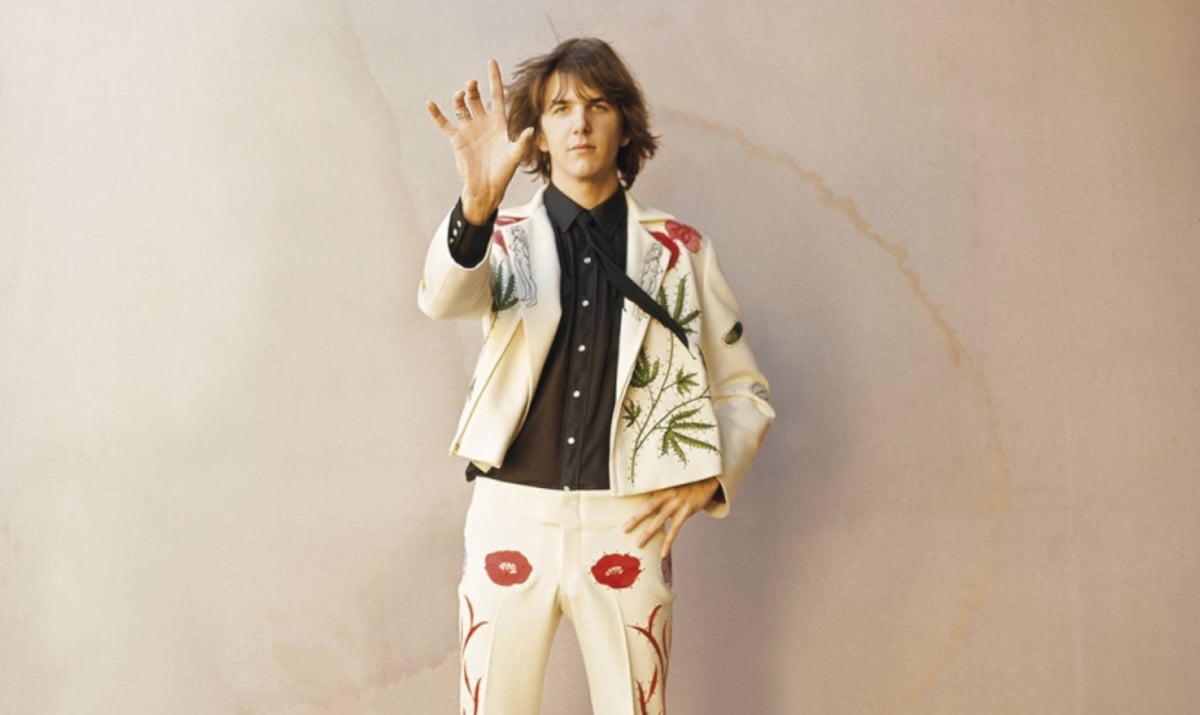
Uncovering a Hidden Era Through a New Definitive Biography
While the motion picture itself remains largely a phantom of cinema history, its underlying narrative and the pivotal life stage it captured are finally being thoroughly documented. A forthcoming book, titled Saturation 70: A Vision Past of the Future Foretold, is set to be released on March 22, 2027. Written by author and publisher Chris Campion—renowned for his work on the critically acclaimed Gary Stewart biography I Am From The Honky Tonks—in collaboration with original film director Anthony Foutz, the publication promises to rewrite the popular historical narrative surrounding Parsons’ final years.
The book moves decisively away from the fatalistic mythos that has historically dominated retrospectives of the artist. Instead, it offers a granular examination of the transitional window between 1969 and 1970, a time defined by intense creative output, personal reinvention, and profound turbulence.
"Gram’s death has long overshadowed his life," co-author Chris Campion explains, highlighting the impetus behind the exhaustive research project. "Our book makes a compelling case for exactly the opposite, by focusing on a pivotal period of his life that coincided with the making of Saturation 70 (1969/1970)—namely, his break from the Flying Burrito Brothers and decision to go solo, and a devastating bike crash that was a premonition of things to come."
Campion notes that the collaboration with Foutz unlocked unprecedented access to primary sources who had previously remained silent about their proximity to the musician. "Part of the reason I wrote the book is that Anthony was able to tell a completely different story about Gram than the popular myth that has developed," Campion continues. "He introduced me to a whole group of Gram’s other close friends, none of whom have spoken about him before. Through them, I was able to piece together a fresh take on his life at the prime of his career. The book also tells the origin story, for the very first time, of Gram’s association with Joshua Tree."
Comprehensive Archive and Publishing Details
Saturation 70: A Vision Past of the Future Foretold is designed not merely as a standard literary biography, but as a comprehensive multimedia archive. The volume features over 200 previously unpublished photographs, offering rare glimpses into the production of the lost film and the private lives of its cast. Additionally, the book incorporates surviving fragments of the original screenplay and rare visual documentation of Parsons and his contemporaries mingling at the 1969 Giant Rock Space Convention.
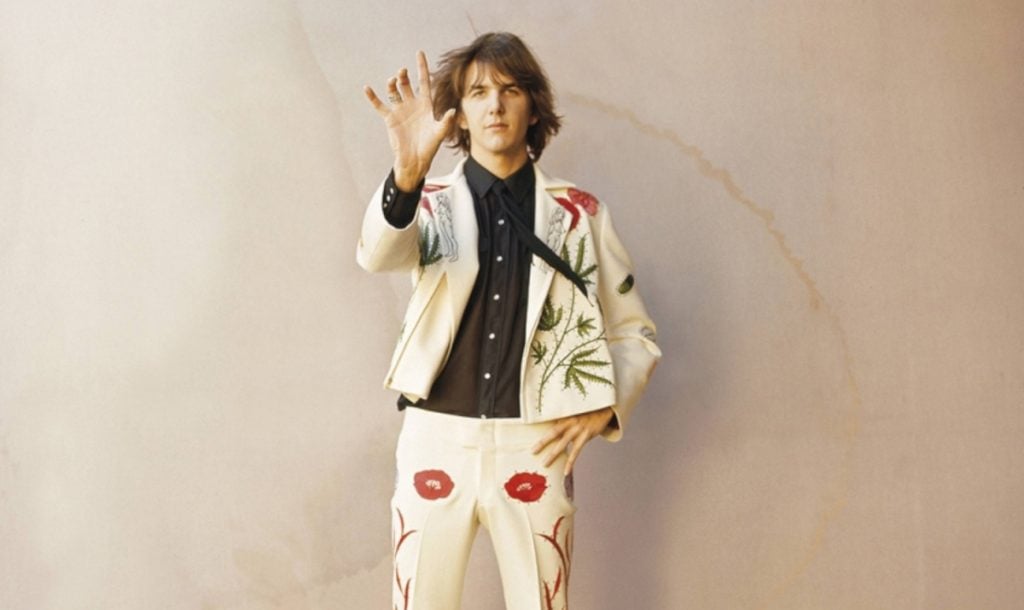
Recognizing the immense collectible interest surrounding Parsons, the publisher Wolf and Salmon has curated a specialized release schedule. The ultra-exclusive "Kosmic Kiddie" Deluxe Limited Edition of the book is currently available for pre-order directly through the publisher’s official platform. Simultaneously, the standard trade edition has been made available for pre-order via major retailers, including Amazon, ahead of the official worldwide release date of March 22, 2027.
Broader Cultural Implications and Industry Analysis
The convergence of Parsons’ posthumous Rock and Roll Hall of Fame induction and the forthcoming publication of Saturation 70: A Vision Past of the Future Foretold underscores a broader, ongoing reassessment of country-rock pioneers in contemporary cultural institutions. For decades, Parsons occupied a paradoxical space in American music history: universally revered by his peers—including members of The Rolling Stones, The Byrds, and Eagles—yet frequently sidelined by mainstream commercial gatekeepers during his lifetime and immediately following his 1973 death.
The decision by the Rock and Roll Hall of Fame to induct Parsons independently highlights the fluid boundaries of rock music history, acknowledging that the synthesis of traditional country instrumentation with counterculture rock ethos was largely catalyzed by his singular vision. Analysts note that this mainstream recognition, amplified by modern streaming distribution via Hulu, Disney+, and network television broadcasts on ABC, introduces Parsons’ foundational catalog and aesthetic to younger generations who consume music across genre divides.
Simultaneously, the unearthing of the Saturation 70 archive challenges simplistic biographical tropes. By shifting the historical focus away from the grim circumstances of his passing and toward his forward-looking artistic experiments in cinema, fashion, and desert mysticism, the new literature repositions Parsons as a proactive architect of 1970s counterculture. As cultural historians unpack the surviving fragments of his cinematic endeavors and private life, the narrative of Gram Parsons continues to evolve, confirming his status as one of the most enduring and enigmatic figures in the tapestry of American songcraft.