Morgan Freeman’s Symphonic Blues Experience Bridges the Divide Between Delta Roots and Classical Grandeur

The intersection of folklore and musical innovation has long been defined by the myth of the "devil’s bargain." In the annals of American music, Robert Johnson is famously whispered to have traded his soul at a Mississippi crossroads for mastery of the guitar. Centuries earlier, across the Atlantic, the Italian virtuoso Nicolo Paganini sparked similar legends, with his deathly pallor, penchant for black attire, and unparalleled dexterity on the violin leading skeptics to claim his talent was supernatural. While these two figures represent disparate musical traditions—the proletariat blues of the American South and the aristocratic classical compositions of Europe—they share a common narrative of otherworldly skill. In 2025, Oscar-winning actor and blues club proprietor Morgan Freeman initiated an ambitious project to synthesize these worlds, culminating in the release of the album Morgan Freeman’s Symphonic Blues Experience.
The Genesis of a Symphonic Movement
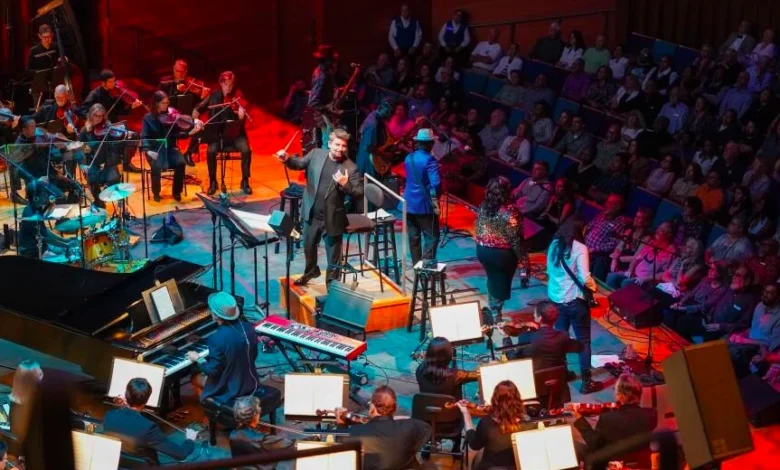
The conceptual framework for this project originated in Freeman’s desire to elevate the blues from the intimate, often smoke-filled environments of juke joints to the prestigious stages of fine arts performance halls. For decades, the blues has been categorized as the music of the working class, while orchestras remained tethered to the traditions of the bourgeoisie. Freeman sought to challenge this social stratification by touring the United States with a collective of blues luminaries accompanied by regional symphonic orchestras.
The tour, which debuted in 2025, served as a pilot program to test the acoustic viability of layering strings, woodwinds, and brass arrangements over traditional blues rhythms. Following a successful run of live performances—most notably in St. Petersburg, Florida—the project transitioned into the studio, resulting in a 12-track album released in the summer of 2026. This record captures the synergy of the live experience, documenting a rare collaboration between traditional blues artists and symphonic ensembles.
Chronology of the Project
The timeline of the Symphonic Blues Experience reflects a deliberate effort to curate a modern legacy for the genre:
- Early 2025: Morgan Freeman begins conceptualizing the fusion of Delta blues with symphonic structures, drawing inspiration from his personal history in Mississippi.
- Mid-2025: The "Symphonic Blues Experience" tour commences, bringing together regional orchestras and veteran blues performers for a series of high-profile dates across the United States.
- Late 2025: Post-tour analysis confirms audience receptivity to the orchestral arrangements, prompting the decision to record the performance for a commercial release.
- Summer 2026: The official album, Morgan Freeman’s Symphonic Blues Experience, is released, featuring a mix of blues standards and contemporary compositions.
- Late 2026: The project gains significant traction in academic and musical circles, particularly following the inclusion of the track "I Lied To You," which was featured in the motion picture Sinners.
Musical Analysis and Track Composition
The album spans approximately 43 minutes, a duration that presents specific challenges for the integration of symphonic elements. Traditional orchestral music relies on long-form development and expansive movements, whereas the blues is defined by its brevity and punchy, repetitive structures.
The album’s opening track, "Dark Was the Night, Cold was the Ground," features a narrative by Freeman himself, reflecting on a 1927 composition by Blind Willie Johnson. This piece serves as a thematic anchor, grounding the listener in the historical context of the blues. Subsequent tracks, such as the reimagined "Crossroads," showcase a deliberate evolution of sound. In this version, Mississippi veteran Super Chikan leads, while the orchestral backing draws more heavily from the rock-influenced arrangement popularized by Cream than from Johnson’s original acoustic recording.
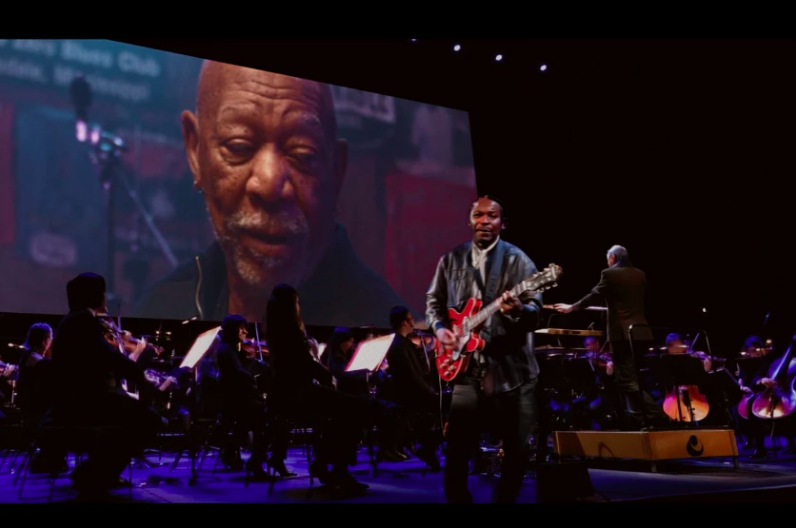
"Death Letter Blues," featuring Taj Mahal, stands as a critical success within the collection. The track utilizes the orchestra to create a haunting, percussive atmosphere that supports, rather than obscures, Mahal’s gravelly vocal delivery. Similarly, the interpretation of B.B. King’s "The Thrill is Gone," performed by Alvin Youngblood Hart, demonstrates the potential of the project. By incorporating organ and lush string arrangements, the track pushes the blues into the realm of soul, echoing the production values of 1970s funk.
Other notable performances include Keb Mo’s "Cadillac Assembly Line," which functions as a social commentary on Detroit’s working-class struggle, and Shemekia Copeland’s rendition of "Travelling Riverside Blues." The latter, while technically proficient, highlights the ongoing debate regarding the "Symphonic Blues" format—specifically, whether the constraints of a four-minute song allow the symphony enough space to contribute meaningfully to the storytelling.
Implications and Industry Response
The broader impact of the Symphonic Blues Experience lies in its attempt to dismantle the elitism often associated with classical music institutions. By placing blues musicians on center stage at major concert halls, the project forces a reassessment of the blues as a complex, sophisticated art form worthy of orchestral preservation.
Industry analysts suggest that the project’s success, particularly among younger audiences, is partly due to its synergy with film. The inclusion of "I Lied To You," a track heavily associated with the cinematic atmosphere of the film Sinners, suggests that the future of genre fusion may rely on cross-media pollination. By associating the blues with the high-production value of cinematic soundtracks, the project effectively rebrands the genre for a new demographic.
However, the project has not been without its critics. Purists argue that the "symphonic" overlay occasionally dilutes the raw, unvarnished emotionality that defines the blues. Furthermore, the brevity of the tracks—with only four of the 12 songs exceeding four minutes—limits the opportunity for the symphony to provide the "ebb and flow" typical of classical composition. A more ambitious approach might have seen the orchestration take the lead on a piece, perhaps utilizing themes from Igor Stravinsky’s L’Histoire du soldat—a work that explicitly deals with the Faustian bargain of trading one’s soul for wealth—to bridge the gap between Paganini and Johnson more formally.
A New Chapter for the Delta Legacy
Ultimately, the Symphonic Blues Experience acts as both a historical preservation effort and a forward-looking experiment. By providing a platform for regional performers like Anthony "Big A" Sherrod, Freeman has ensured that the project remains rooted in the Delta rather than merely serving as a retrospective of legacy acts.
The success of this endeavor suggests that the future of American roots music may lie in its ability to adapt and expand. While the "devil’s bargain" may be the foundation of the myth, the success of this project suggests that the real secret to the longevity of the blues is not a supernatural contract, but rather its capacity for evolution. As the project continues to reach new listeners through streaming and cinematic integration, it serves as a testament to the fact that the blues—much like the classical traditions it now shares the stage with—is an enduring pillar of human expression. Whether this model of "Symphonic Blues" will be adopted by other regional orchestras remains to be seen, but for now, the project stands as a definitive exploration of what happens when the crossroads meet the concert hall.