Todd Edwards: The Architect of Modern House and the Legacy of a Sampling Pioneer

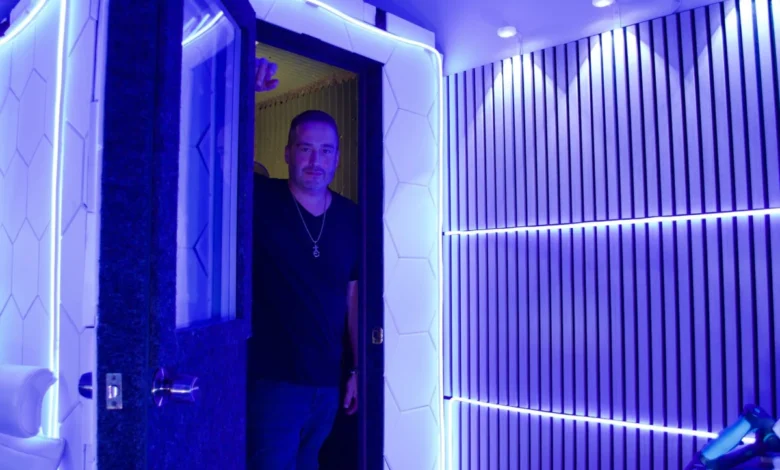
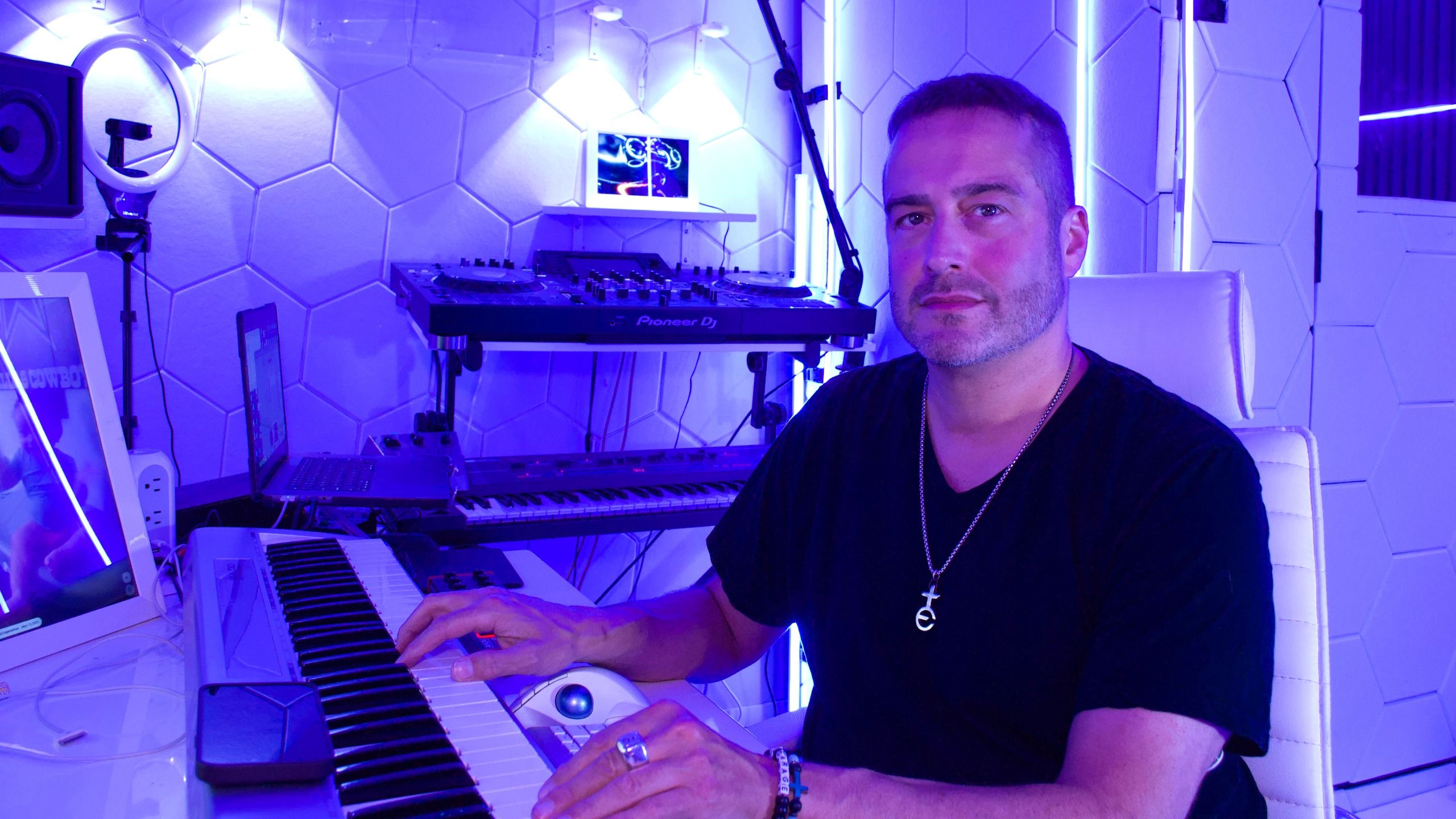
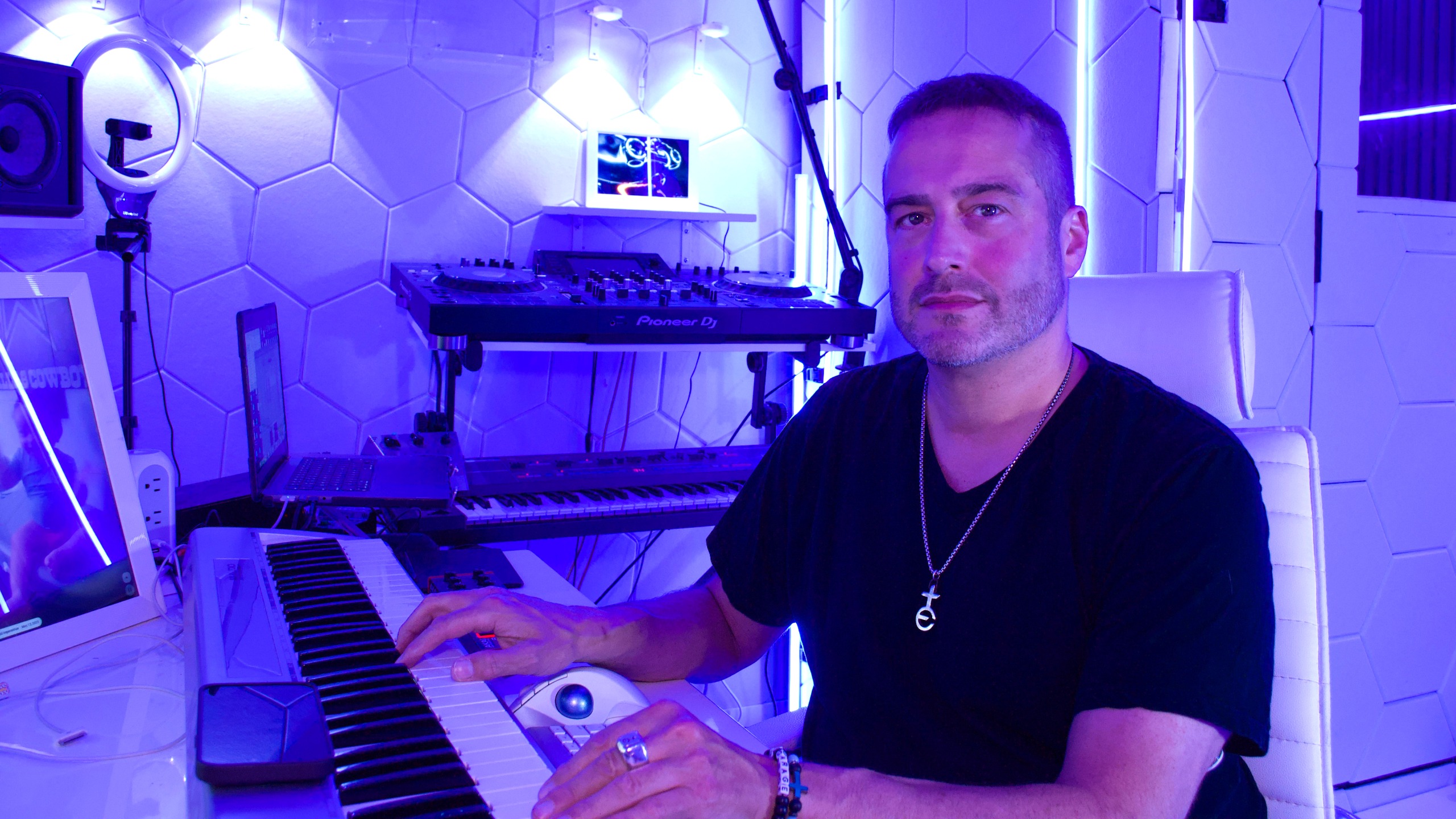
Thirty-four years into an illustrious and often tumultuous career, Todd Edwards remains a foundational figure in the global electronic music landscape. While his signature sound—characterized by intricate, chopped-up vocal samples and a relentless, syncopated house rhythm—laid the essential groundwork for UK garage and influenced titans ranging from Daft Punk to Burial and Disclosure, Edwards’ journey has been defined as much by his internal struggles with stage fright and industry instability as by his monumental creative achievements. Today, from his studio in Cathedral City, California, the New Jersey native continues to reconcile his status as a legendary producer with the ongoing demands of the streaming era and the evolving nature of the live performance circuit.
The Genesis of a Sound: New Jersey Roots and Early Recognition
Born in New Jersey in 1972, Edwards was introduced to the burgeoning house music scene during his teenage years. His early education in the genre was unconventional; he often found himself dancing to the tracks of pioneer Todd Terry at local teen clubs without fully grasping the mechanics behind the music. It was his friend, Rich Criso, who eventually helped decode the architectural components of the genre for him. Edwards’ obsession with production began in earnest as he religiously recorded Tony Humphries’ legendary KISS FM radio shows, transcribing the sets to study the arrangement and sound design on his Walkman.
This dedication paid off in a career-defining moment when Humphries, a titan of the New York house scene, became the first professional DJ to play an Edwards production. The track, Get Carried Away, released on 111 East Records, marked his entry into the industry. However, the path from local enthusiast to international icon was far from linear. Despite the early support from industry stalwarts, the commercial success of his early work was inconsistent, forcing him into long periods of uncertainty where he balanced his creative output with the realities of living in his parents’ basement.
Chronology of a Career: From Basement to Global Stages
The arc of Edwards’ career is a study in persistence. In 1992, he released his first project, beginning a decade of deep experimentation. It was not until January 1, 2003, at DJ EZ’s 4by4 party in East London, that Edwards finally performed his first live club set. The delay was primarily due to crippling stage fright and a lack of effective management during his formative years. The reception in London was transformative; the British crowd, already deeply familiar with his seminal recordings, provided a level of validation that he had previously only imagined.
Following the 2003 breakthrough, Edwards entered a period of relative quiet as the UK garage scene shifted toward different subgenres. Between 2007 and 2009, he stepped away from music entirely to work in customer service at Verizon, a period he describes as an emotional nadir. Yet, this sabbatical served to reinforce his commitment to his art. Upon his return, he transitioned from a studio-bound producer to an active, animated performer. This evolution was capped by his 2014 Grammy win for his contributions to Daft Punk’s Random Access Memories, a project that served as a bookend to his collaborative history with the French duo.
Daft Punk and the Alchemy of Collaboration
The relationship between Edwards and Daft Punk is perhaps the most significant narrative thread in his career. In 1997, the duo famously name-checked Edwards in their track Teachers, an homage to the producers who shaped their sound. For a young, insecure artist, this recognition provided a vital sense of security. Years later, he was invited to contribute to their 2001 masterpiece Discovery.
The creation of the track Face to Face remains a legendary anecdote in dance music history. According to Edwards, approximately 90 percent of the track was produced in his home studio in New Jersey. The process was a meticulous interplay of sampling—Edwards provided 70 samples, and the duo provided another 70. His vocal performance on the track, famously captured in only two takes at the behest of Thomas Bangalter to emulate the raspy tone of the band Foreigner, remains one of the most recognizable vocal hooks in modern house.
Their collaboration reached a second peak with the 2013 album Random Access Memories. The track Fragments of Time emerged from a two-week session in Los Angeles, where Bangalter encouraged Edwards to write about his own fear that the collaborative experience was coming to an end. The result was a melancholic yet jubilant meditation on the creative process, further cementing Edwards’ role as a core collaborator within the Daft Punk ecosystem.
The Reality of the Modern Gig Economy
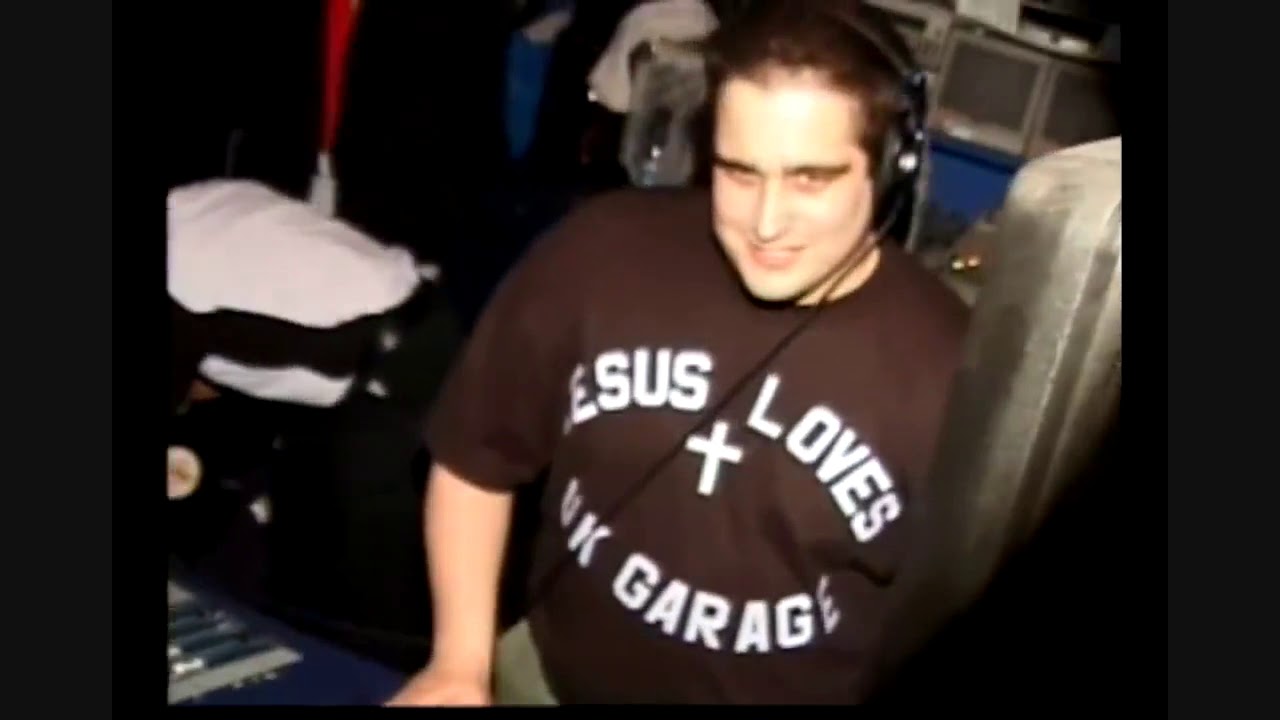
Despite a resume that includes a Grammy and the pioneering of an entire subgenre, Edwards admits that he must maintain a rigorous touring schedule to sustain his livelihood. In the current streaming era, where revenue from recorded music often struggles to compete with the immediacy of live performance, Edwards treats his DJ sets as a primary vehicle for self-promotion.
He maintains a distinct approach to these sets, rejecting the "top 50" mentality common in modern festival lineups. Instead, he focuses on playing his own productions and custom edits, viewing his performance as an extension of his studio identity. His observations on the current state of dance music are candid; he notes that while artists like Oppidan and Conducta are pushing the genre forward with unique styles, there is a pervasive trend of "rehashed" music. He argues that many younger producers are too reliant on over-polished drums and standard drum-roll-and-drop structures, driven by a fear of failure that is exacerbated by social media culture.
Impact and Broader Implications
The influence of Todd Edwards on the trajectory of house music cannot be overstated. By manipulating vocal samples in a way that mimicked the elasticity of human speech, he provided the sonic blueprint for what would eventually evolve into the high-energy, syncopated world of UK garage. His work bridged the gap between American house music and the frenetic, innovative energy of the London club scene in the late 1990s and early 2000s.
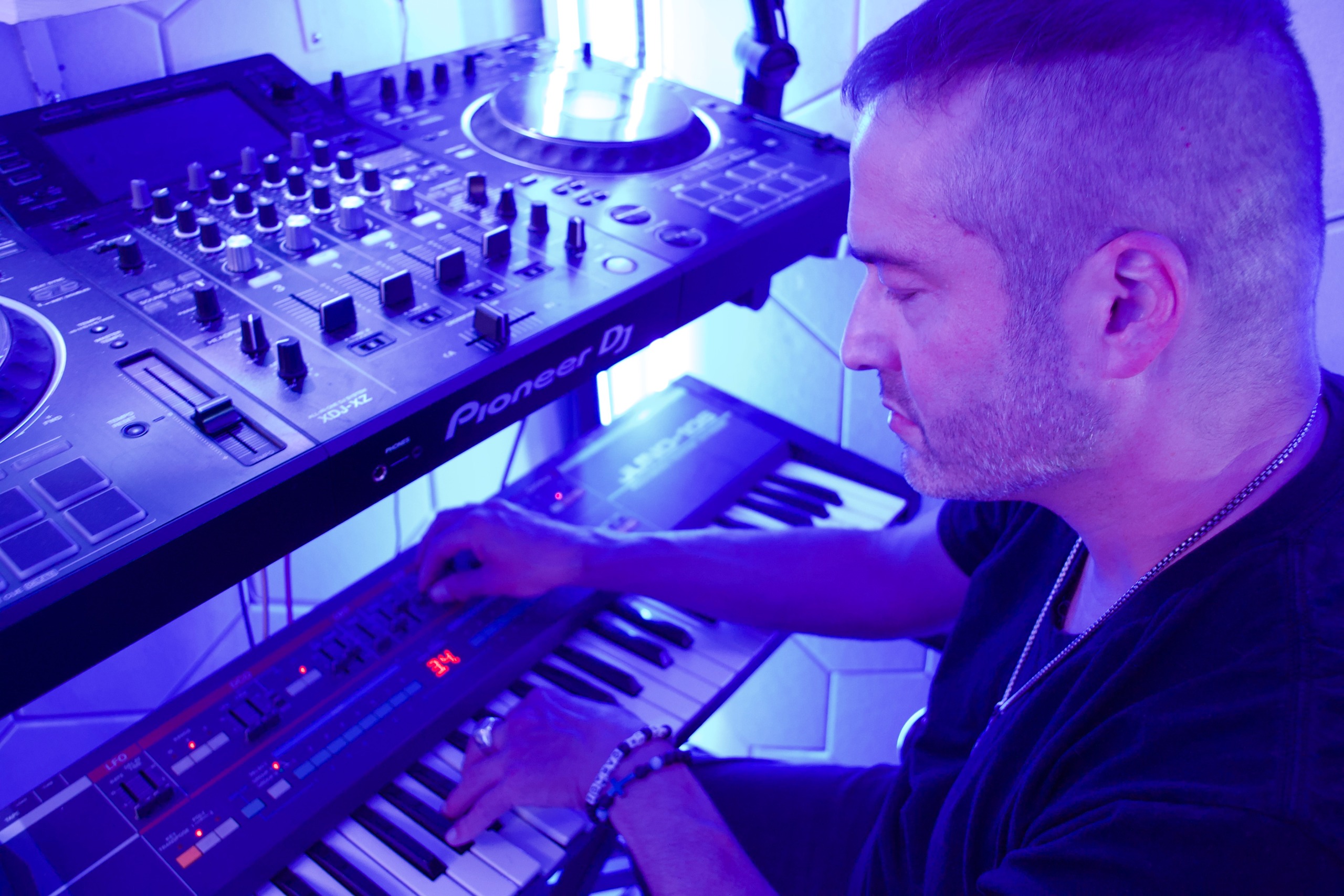
His partnership with Defected Records, which began in 2020, has been a strategic success. The label acquired his extensive back catalog and released the House Masters – Todd Edwards compilation in 2024. This move not only secured his legacy for future generations but also exposed his work to a younger demographic, effectively lowering the age bracket of his audiences.
The significance of his career lies in the "tapestry" of his creative output. Edwards remains a firm believer that art, if genuine, will eventually find its audience. Whether through his early, underground releases or his later, high-profile collaborations, he has maintained a consistent standard of technical excellence. His journey from a hesitant, stage-frightened producer in a New Jersey basement to a global ambassador for house music serves as a testament to the longevity afforded by artistic evolution.
Looking Toward the Future
As Edwards looks toward the future, he remains a vocal advocate for risk-taking in electronic music. He encourages producers to move away from the "nostalgia trap" and to prioritize the development of a unique sound over the comfort of current trends. For Edwards, the goal remains the same as it was in 1992: to plant a seed through his music, regardless of whether that seed reaches one person or a thousand.
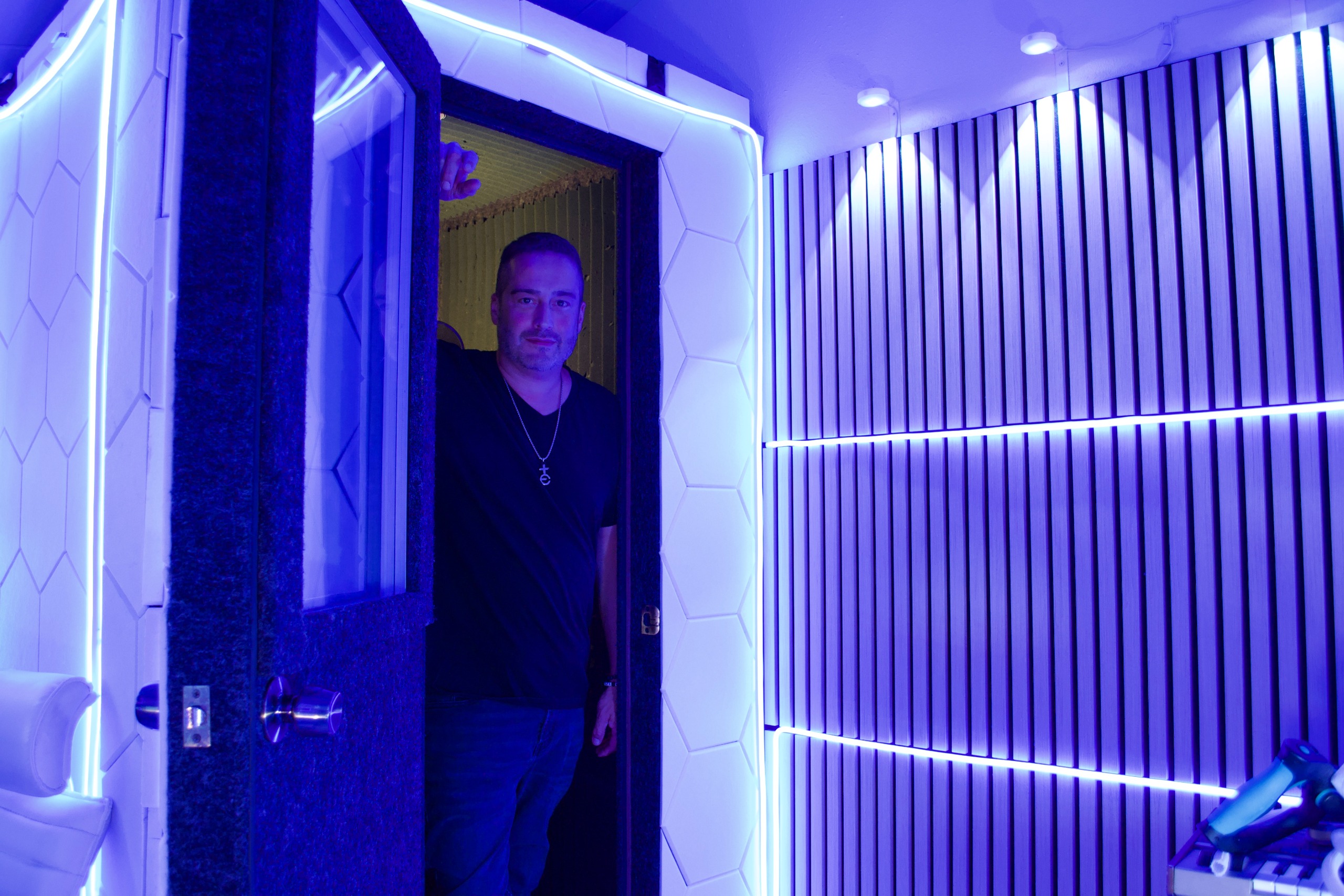
In an era where the shelf life of a producer can be measured in months, Todd Edwards’ 34-year tenure is a rarity. He represents a bridge between the analog roots of house and the digital future of the genre. His life, defined by both the "random memories" of his past and his continued presence on the global stage, confirms his status as a "musical Jesus" to his peers and an enduring architect of the dance floor. His story is not just one of technical innovation, but of the persistence required to remain relevant in an industry that is perpetually in flux. As he continues to tour and create, his influence is likely to be felt for decades to come, embedded in the DNA of every house track that prioritizes soul and substance over the fleeting trends of the day.