Feral Foster returns to the roots music landscape with his latest single Be Mine and the announcement of his first studio album in over a decade

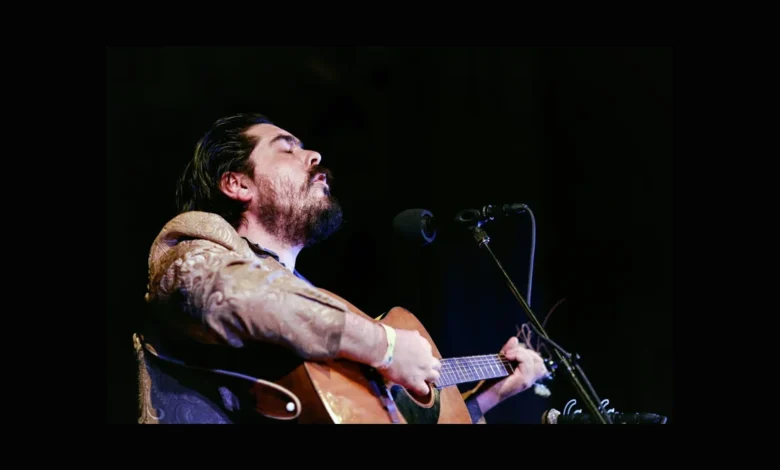
Feral Foster, a pivotal figure in the contemporary American roots music scene, has officially announced his return to recording with the upcoming release of his new album, New World Blues. Slated for a worldwide debut on October 23 via Jalopy Records, the project marks the songwriter’s first full-length studio effort in more than ten years. The announcement is spearheaded by the lead single "Be Mine," a composition that synthesizes the raw, visceral sensibilities of garage rock with the storytelling traditions of folk blues.
The Sonic Architecture of New World Blues
Foster’s musical identity has long been defined by a refusal to sanitize the grit inherent in his songwriting. On "Be Mine," listeners are presented with a vocal performance that critics often compare to the weathered, gravel-inflected baritone of Tom Waits or the soulful, blues-drenched urgency of Eric Burdon. The instrumentation reflects a deliberate choice to prioritize atmosphere over polish; the track relies on a windswept, lo-fi aesthetic that mirrors the volatility of its lyrical content.
The song’s production serves as a bridge between the traditional folk-revival movement and a more contemporary, aggressive garage-rock ethos. By blending acoustic-leaning sensibilities with an unvarnished, heavy-handed rhythmic section, Foster captures a soundscape that feels both ancient and immediate. This approach is consistent with his broader body of work, which frequently explores the intersection of human fragility and the overwhelming power of the natural world.
A Chronology of Inspiration and Composition
The genesis of "Be Mine" dates back several years, originating from a period of extensive touring. According to Foster, the track began as a private refrain during long stretches of travel, eventually coalescing into a meditation on the psychological weight of unrequited affection.
"‘Be Mine’ was a song I started singing to myself on tour a bunch of years ago," Foster remarked in a recent statement regarding the track’s origins. "I had someone in mind when thinking of it. It captures that specific type of unrequited desire that feels so all-consuming that it could manifest itself as catastrophic upheaval in nature."
This thematic focus—the projection of personal internal turmoil onto the macrocosm of the environment—is a recurring motif in the forthcoming album. The development of New World Blues has been a slow, deliberate process, reflecting a decade of life experience, observation, and refinement of the songwriter’s craft. While the industry standard for independent artists often dictates a more frequent release schedule to maintain digital relevance, Foster’s decade-long hiatus suggests a commitment to a cohesive, long-form artistic statement rather than episodic content generation.
The Legacy of Roots n’ Ruckus
To understand the significance of Foster’s return, one must examine his role in the New York City folk circuit. For more than two decades, Foster has been a central architect of the local roots community, most notably through his stewardship of the "Roots n’ Ruckus" music series.
The series began in 2005 in a small Manhattan venue, acting as an incubator for musicians specializing in pre-war blues, folk, and traditional American music. By 2008, the series found a permanent home at the Jalopy Theatre in Brooklyn. Under Foster’s guidance, Jalopy became a sanctuary for artists who operated outside the mainstream commercial music industry, fostering a collaborative ecosystem that prioritized technical mastery and historical preservation.
The move to Jalopy Records for the release of New World Blues is a logical homecoming. The label is an extension of the theater’s mission, focusing on documenting the sound of a community that has historically been ignored by major labels. By aligning his new album with Jalopy Records, Foster reinforces his position as a standard-bearer for the independent roots movement.
Industry Context and Market Implications
The release of New World Blues arrives at a time when the folk-blues genre is experiencing a resurgence in popularity, driven largely by a listener base seeking "authentic" and "analog" sonic experiences in an increasingly digital world. Data from music analytics firms suggest that interest in independent, genre-defying folk music has seen steady growth over the past five years, with streaming audiences showing a marked preference for "lived-in" vocal performances and minimalist, high-impact production.
Foster’s return is expected to have a notable impact on the independent circuit, particularly given his standing as a mentor to younger performers who cut their teeth at his Roots n’ Ruckus showcases. The long lead time between his previous record and the current project serves as a case study in the sustainability of an independent career; it highlights that artistic relevance in the 21st century can be built on the strength of long-term community engagement rather than the relentless pursuit of social media trends.
Analysis: The Evolution of the Folk-Blues Narrative
From a musicological perspective, "Be Mine" offers a synthesis of styles that avoids the trap of pastiche. Where many modern folk revivalists lean into a polished, "Americana" radio sound, Foster’s work remains tethered to the harsh realities of the blues tradition. His reliance on gravel-and-gospel delivery serves as a reminder that folk music, at its core, is a vehicle for transmitting the tensions of the human condition.
The implication of this release is twofold. First, it signals that the Jalopy-centered folk scene is reaching a level of institutional maturity, with veteran artists like Foster providing the foundational pillars for a new generation of performers. Second, it reaffirms the viability of the "slow-growth" model for songwriters. By eschewing the industry’s demand for high-frequency output, Foster has created a reservoir of anticipation. For listeners, the 10-year gap is not merely a hiatus; it is a period of incubation that gives the new material a sense of gravity and necessity.
Looking Toward October 23
As the music industry pivots toward the final quarter of the year, the release of New World Blues is positioned to capture the attention of curators and critics who specialize in roots and folk music. The album’s tracklist, which remains largely under wraps, is expected to delve deeper into the themes of environmental and emotional turbulence introduced in the lead single.
For those within the industry, the success of this project will likely serve as a litmus test for the enduring power of the Brooklyn folk-blues movement. With Foster’s established track record as an organizer and a performer, the project carries the weight of a decade of community building. Whether the album successfully translates the intimacy of his live performances into a recorded medium remains the primary question for observers, but early indicators from the "Be Mine" release suggest a work of depth and enduring resonance.
In an era where music is often consumed as a disposable commodity, Feral Foster’s return represents a deliberate move in the opposite direction. By focusing on the interplay of raw emotion and traditional instrumentation, he invites his audience to slow down and engage with the music in a way that is increasingly rare in the current commercial climate. New World Blues is poised to be not just a collection of songs, but a testament to the longevity of the independent musician’s voice in a changing world.