Reviewed: Louis Armstrong | Jason Kao Hwang Human Rites Trio | Judi Silvano’s Garden Winds

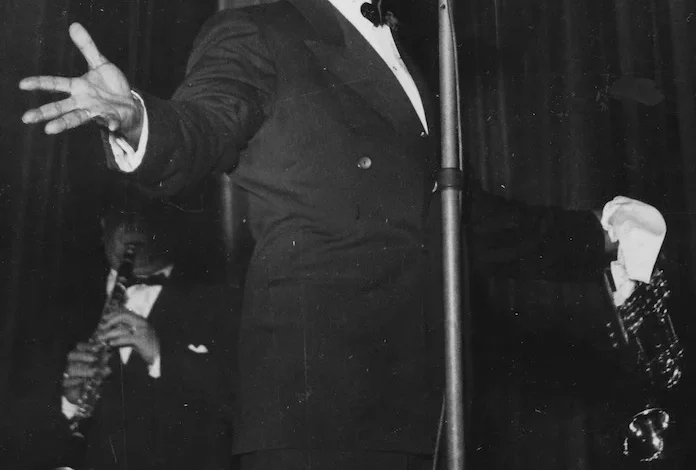
The history of 20th-century music is often defined by pivotal migrations and creative collisions. From the monumental restoration of Louis Armstrong’s foundational New York years to the avant-garde explorations of contemporary jazz ensembles, the latest releases from Mosaic, True Sound, and JSL Records offer a panoramic view of the evolution of jazz—from its formative acoustic roots to the experimental landscapes of the present day.
The Archival Milestone: Louis Armstrong in New York 1924-1925
The release of The Complete Louis Armstrong In New York 1924-1925 by Mosaic Records represents a significant achievement in music preservation. Spanning six CDs, this collection assembles the entirety of Armstrong’s output during his inaugural tenure in New York City, a period that fundamentally shifted the trajectory of American jazz.
Historical Context and Chronology
In October 1924, Louis Armstrong arrived in New York at the personal invitation of Fletcher Henderson, the leader of the city’s most prestigious black dance band. At the time, the New York jazz scene was heavily influenced by "sweet" dance music and novelty arrangements. Armstrong, fresh from the visceral, blues-drenched environment of Chicago, introduced a level of rhythmic fluidity and improvisational ingenuity that initially challenged the rigidity of the Henderson orchestra.
The timeline of this collection highlights several critical sessions:
- Late 1924: Armstrong begins his tenure with the Fletcher Henderson Orchestra, contributing to sides like Manda.
- Early 1925: A notable evolution occurs in the band’s sound, culminating in the recording of Sugar Foot Stomp, a transformative reinterpretation of Joe "King" Oliver’s Dippermouth Blues.
- Mid-1925: Armstrong engages in sessions with the Clarence Williams Blue Five and the Red Onion Jazz Babies, collaborating with luminaries such as Sidney Bechet and Alberta Hunter.
- Late 1925: Armstrong records with blues legend Bessie Smith, producing definitive tracks including St. Louis Blues.
Technical Restoration and Analysis
The sound quality of this collection has been substantially upgraded through the meticulous restoration of original 78-rpm discs. By utilizing modern noise-reduction technology, engineers have captured the nuance of Armstrong’s trumpet work, which had previously been obscured by the limitations of early acoustic and early-electric recording techniques.
Musicologists note that the contrast between the Henderson orchestra’s initial "stiff" arrangements and the organic, swinging style eventually adopted by the band under Armstrong’s influence is stark. The inclusion of arranger Don Redman’s work provides a window into the transition from ragtime-influenced structures to the jazz-forward arrangements that would dominate the Big Band era. David Sager and Ricky Riccardi, the latter being the Director of Research Collections at the Louis Armstrong House Museum, provide comprehensive liner notes that contextualize these sessions within the broader framework of 1920s American culture.
Contemporary Avant-Garde: Jason Kao Hwang Human Rites Trio
Moving from the bedrock of the jazz tradition to the cutting edge of contemporary composition, the Human Rites Trio—led by violinist Jason Kao Hwang, bassist Ken Filiano, and percussionist Andrew Drury—presents their second studio album, Second Life.
Artistic Profile and Methodology
Jason Kao Hwang, born in 1957 in Lake Forest, Illinois, has long explored the intersection of his Asian-American heritage and Western jazz improvisation. His career includes significant collaborations with free-jazz pioneers like Anthony Braxton and Bill Dixon. Second Life continues the trajectory established by the trio’s 2020 self-titled debut, focusing on extended-form compositions that prioritize texture and timbre.
The album consists of four extended pieces: Galaxies Twist Under Before It, What To Keep, What To Let Go, Second Life, and Ricochet. Hwang’s approach is notably multi-disciplinary; his background in film and television scoring at New York University informs the cinematic sweep of his compositions.
Percussive Innovation
A defining feature of the album is the work of percussionist Andrew Drury. Moving beyond the traditional drum kit, Drury incorporates a "found object" array including Tibetan prayer bowls, aluminum pots, and industrial hardware. This approach creates a "dry" sonic environment that allows the violin and bass to cut through the mix with heightened clarity. The resulting soundscape is an exercise in modern chamber jazz, reflecting the diversity of the New York experimental scene.
Vocal Innovation: Judi Silvano’s Garden Winds
Judi Silvano’s First Flight represents a departure from traditional jazz vocal performance, pushing into the territory of contemporary classical composition and free improvisation. Silvano, whose professional background includes classical training with the Philadelphia Orchestra and an extensive career as a choreographer and dancer, brings a unique perspective to the vocal medium.
The Evolution of Vocalese
Unlike traditional "scat" singing, which often follows the rhythmic patterns of bebop, Silvano employs an approach that functions as a fourth instrumental voice within the trio. Accompanied by flutist Haruna Fukazawa and bassoonist Claire de Brunner, the album explores the interplay between the human voice and woodwind textures.
The sessions, recorded in July 2024, emphasize:
- Instrumental Integration: Silvano uses percussion to bridge the gap between her vocal improvisations and the woodwinds.
- Contemporary Idioms: The compositions favor abstract syllable patterns over lyrical narratives, moving closer to the traditions of the avant-garde and free-jazz movements.
- Collaborative Dynamics: The trio functions as a democratic ensemble, where each voice is treated with equal weight in the improvisational conversation.
Broader Implications for the Jazz Genre
The simultaneous release of these three projects highlights the breadth of the current jazz landscape. The Mosaic Records set provides an essential historical anchor, ensuring that the foundational work of Louis Armstrong remains accessible with modern audio fidelity. This is not merely an archival exercise; it is an economic and cultural necessity, as these recordings serve as the primary source material for the global jazz education infrastructure.
Conversely, the works of Jason Kao Hwang and Judi Silvano demonstrate that the genre remains a vital, evolving field. By integrating non-traditional percussion and moving away from lyric-based vocal structures, these artists are challenging the boundaries of what constitutes "jazz."
Industry Impact
The shift toward independent, niche-focused record labels like True Sound and JSL suggests a changing market. As mainstream music consumption moves toward streaming playlists, the demand for highly specialized, artist-led projects has grown among serious collectors and academic institutions.
For the listener, these releases provide a roadmap of the genre’s longevity. From the 1924 New York sessions that established the soloist as the center of the jazz experience, to the 2024 experiments that seek to deconstruct that very experience, the trajectory of jazz remains a testament to human creativity. The meticulous preservation of the past, paired with the relentless exploration of the future, ensures that the genre continues to hold a position of prominence in the global cultural dialogue. As noted in the documentation accompanying the Armstrong set, understanding the past is not a limitation but a catalyst—a sentiment that resonates across all three of these recent, diverse contributions to the recorded history of music.