The Reluctant Anthem: How Skid Row’s I Remember You Became a Defining Moment of the 1989 Hard Rock Landscape

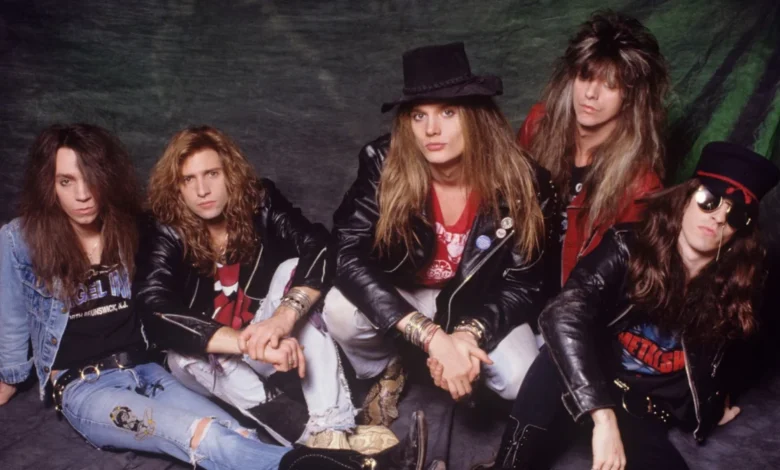
The landscape of late-1980s heavy metal and hard rock was defined by a specific commercial duality: the raw, aggressive energy of street-level anthems and the meticulously crafted power ballad. Few bands navigated this dichotomy as successfully—or as reluctantly—as New Jersey’s Skid Row. While their self-titled 1989 debut album eventually climbed to number six on the Billboard 200, the record’s massive commercial trajectory was anchored not by the band’s preferred gritty rockers, but by two specific mid-tempo tracks. The first, 18 And Life, captured the dark, cautionary realities of youth gone wrong. The second, I Remember You, emerged as one of the definitive love songs of the era. However, internal history reveals that this enduring classic was nearly relegated to the scrap heap by its own creators, who viewed the "power ballad" label with deep-seated professional disdain.
The Genesis of a Classic
The composition of I Remember You traces back to the domestic surroundings of bassist Rachel Bolan. Contrary to the high-gloss production values associated with the late-80s "hair metal" explosion, the song was born in a room within Bolan’s parents’ home in New Jersey. Bolan has described the setting as a visual time capsule, marked by an aesthetic of green paneling and dated furniture. It was in this space, often utilized by Bolan and guitarist Dave "Snake" Sabo as an informal songwriting studio, that the fundamental structure of the track was established.
Sabo provided the primary acoustic guitar riff, a simple yet evocative chord progression that would eventually serve as the song’s heartbeat. The lyrics were not intended as a specific missive to an individual, but rather as an abstract collection of observations regarding the transience of youth. Bolan drew inspiration from the cyclical nature of summers spent at the Jersey Shore, where the social dynamics of "love letters in the sand" and cruising with the top down created a recurring, nostalgic narrative. By synthesizing these suburban experiences into a melody, the duo inadvertently created a song that resonated with the universal experience of teenage longing and seasonal romance.
A Conflict of Artistic Identity
Despite the emotional resonance of the track, the band’s internal leadership was initially dead-set against its inclusion on their debut studio album. In 1988, as the group entered Royal Recorders in Lake Geneva, Wisconsin, under the guidance of producer Michael Wagener, they were acutely conscious of their image. The "power ballad" was, by the late 1980s, a commercially necessary trope, but for artists like Bolan and Sabo, it was a creative trap. They feared that incorporating a slow-tempo love song would pigeonhole them alongside the more saccharine, commercially manufactured acts of the day, potentially undermining their credibility as a hard-hitting rock outfit.
The standoff between the band and their industry partners was resolved through institutional pressure. Atlantic Records, recognizing the song’s massive radio potential, firmly insisted that I Remember You be part of the final tracklist. This directive was bolstered by an unlikely source: Jon Bon Jovi and guitarist Richie Sambora. Given their personal connection to Sabo and their own astronomical success with albums like Slippery When Wet, the duo’s influence was significant. Their intervention—essentially informing the members of Skid Row that omitting the song would be a major strategic error—forced the band to capitulate.
The Production and Musical Anatomy
The final recording, captured in 1988, showcased a distinct maturation in the band’s sound. Sebastian Bach, the group’s charismatic frontman, provided a vocal performance that balanced raw, emotive power with the controlled restraint required for a radio-friendly ballad. Yet, according to Bolan, the song’s true aesthetic elevation came from the lead guitar work of Scotti Hill.
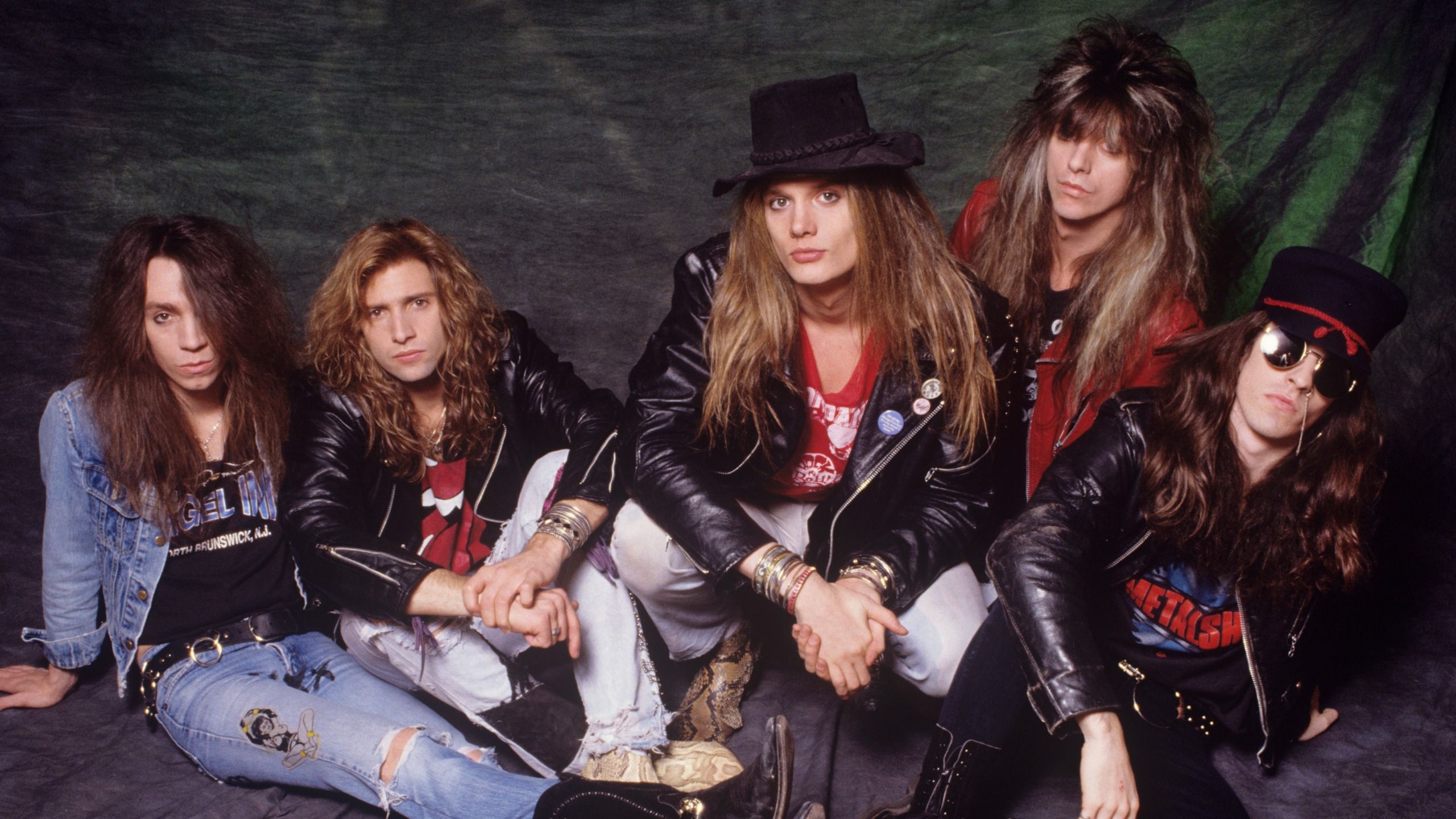
In the broader context of the 1980s guitar hero era, the solo in I Remember You is often cited by industry peers for its melodic economy. Rather than relying on the frantic shredding techniques popularized by contemporaries, Hill delivered a solo that prioritized phrasing and emotional weight. This contribution served to legitimize the track for critics and fans alike, effectively insulating the band from the accusation that they had "sold out" to pop sensibilities. The solo remains a benchmark for how guitarists of the era could integrate technical proficiency into a song-first structure.
Commercial Impact and Legacy
The release of I Remember You as a single in November 1989 served as a second wave of momentum for the band’s debut album. Following the success of 18 And Life, which had already established the band’s chart presence in June 1989, I Remember You solidified Skid Row as a multi-dimensional act. The song peaked at number six on the Billboard Hot 100, achieving significant airplay in Canada, Australia, and New Zealand.
The implications of this success were profound. It granted Skid Row the longevity required to sustain a career beyond the initial "rebel" image, allowing them to headline larger venues and command consistent rotation on MTV’s Headbangers Ball and Dial MTV. More importantly, it established a blueprint for the "power ballad" that didn’t feel entirely disingenuous. By anchoring the lyrics in genuine, if slightly idealized, memories of adolescence, the band created a bridge between the subculture of heavy metal and the mainstream pop audience.
Modern Reflections
Decades removed from its release, I Remember You remains a staple of the Skid Row live experience. The band, now featuring vocalist Justin Sargent, continues to integrate the track into their setlists. For founding members like Bolan and Sabo, the nightly performance of the song has evolved from a begrudging obligation into an act of retrospective appreciation.
The history of the song serves as a compelling case study in the tension between artistic integrity and commercial reality. The band’s initial rejection of the track highlights the protective instincts of musicians who are wary of being defined by a single sub-genre trend. However, their subsequent success demonstrates the value of internal and external guidance in recognizing a hit.
The endurance of I Remember You lies in its simplicity. While the production reflects the specific sonic signatures of the 1989 studio environment, the songwriting remains anchored in a relatable, timeless sentiment. It is a song that successfully bridged the gap between the "rowdy" aesthetic of a New Jersey hard rock band and the emotional hunger of a global radio audience. Today, the song stands not as a "sell-out" moment, but as a pivotal chapter in the band’s history—a reminder that sometimes, the songs an artist fights the hardest against are the ones that cement their legacy for generations to come. As Bolan frequently notes, standing on stage night after night, the realization remains the same: the decision to include the song was, ultimately, the correct one.