Building Your First Home Cinema System: Expert Recommendations for Black Friday 2024

Constructing a dedicated home cinema system remains one of the most intimidating yet rewarding endeavors for audio-visual enthusiasts, particularly as the complexity of modern AV receivers and speaker configurations can often discourage newcomers. However, with the current Black Friday sales cycle providing significant price reductions on high-end components, the window of opportunity to assemble a high-fidelity theater experience at a competitive price point is currently at its peak. By prioritizing key components—specifically the projector, the AV receiver, the speaker array, and the source player—users can bypass the confusion of technical specifications and focus on a balanced, cohesive setup that delivers professional-grade picture and sound.
The Strategic Value of Black Friday Acquisitions
Black Friday, which historically originated as a post-Thanksgiving retail event in the United States, has evolved into a global phenomenon in the consumer electronics sector. For 2024, the period between late November and Cyber Monday represents a critical window for hardware procurement. Industry data indicates that home cinema components, including projectors and AV receivers, see price volatility peaks during this timeframe, with discounts frequently ranging from 10% to 30% off MSRP.
The primary benefit of purchasing during this period is the ability to acquire "legacy-plus" equipment—devices that are not necessarily the newest annual iteration but possess the critical HDMI 2.1 specifications and high-dynamic-range (HDR) support necessary for modern 4K content. By selecting components that emphasize long-term performance over superficial feature bloat, consumers can assemble a system that remains relevant for the next five to seven years.
Central Components: The Foundation of the Theater
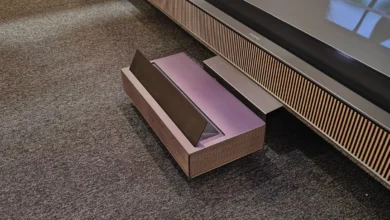
The heart of the modern home cinema is the projection system. The Valerion VisionMaster Pro 2 has emerged as a standout solution for those requiring an all-in-one approach. Unlike traditional cinema projectors that require external streaming dongles and separate audio routing, the VisionMaster Pro 2 integrates Google TV streaming functionality directly into the chassis. From an engineering perspective, this reduces the number of points of failure in the signal chain and simplifies the setup process, which is essential for the average consumer. Its automated features, including auto-keystone correction, focus, and image sizing, mitigate the manual labor historically associated with projector alignment.
Supporting the visual output is the Sony TA-AN1000 AV receiver. This unit serves as the connective tissue for the entire system. Its inclusion of HDMI 2.1 inputs allows for seamless passthrough of high-bandwidth signals, such as those from current-generation gaming consoles and 4K Blu-ray players. The receiver’s automatic room calibration software—a staple of Sony’s current AV lineup—utilizes microphone-based acoustic analysis to adjust crossover frequencies and delay settings to match the specific dimensions of a living room or dedicated media space. This technology is critical, as it eliminates the need for professional acoustic installation in smaller residential environments.
Acoustic Selection: Balancing Fidelity and Budget
The choice of speakers represents the most permanent investment in a home cinema build. Because speaker technology does not suffer from the same "obsolescence curve" as digital processors or streaming interfaces, investing in high-quality acoustic drivers is a sound financial decision.
For budget-conscious builders, the Wharfedale Diamond 12.1i HCP (Home Cinema Package) offers a sophisticated entry point. Wharfedale has a long-standing reputation for utilizing advanced materials, such as their proprietary Kevlar-based cone technology, to minimize distortion. The Diamond 12.1i package is characterized by its "all-standmount" configuration, which provides a cohesive soundstage where every speaker in the 5.1 array shares a similar sonic signature. This is vital for "panning" effects, where sound moves across the room; if the speakers do not match in tonal quality, the illusion of a seamless environment is broken.
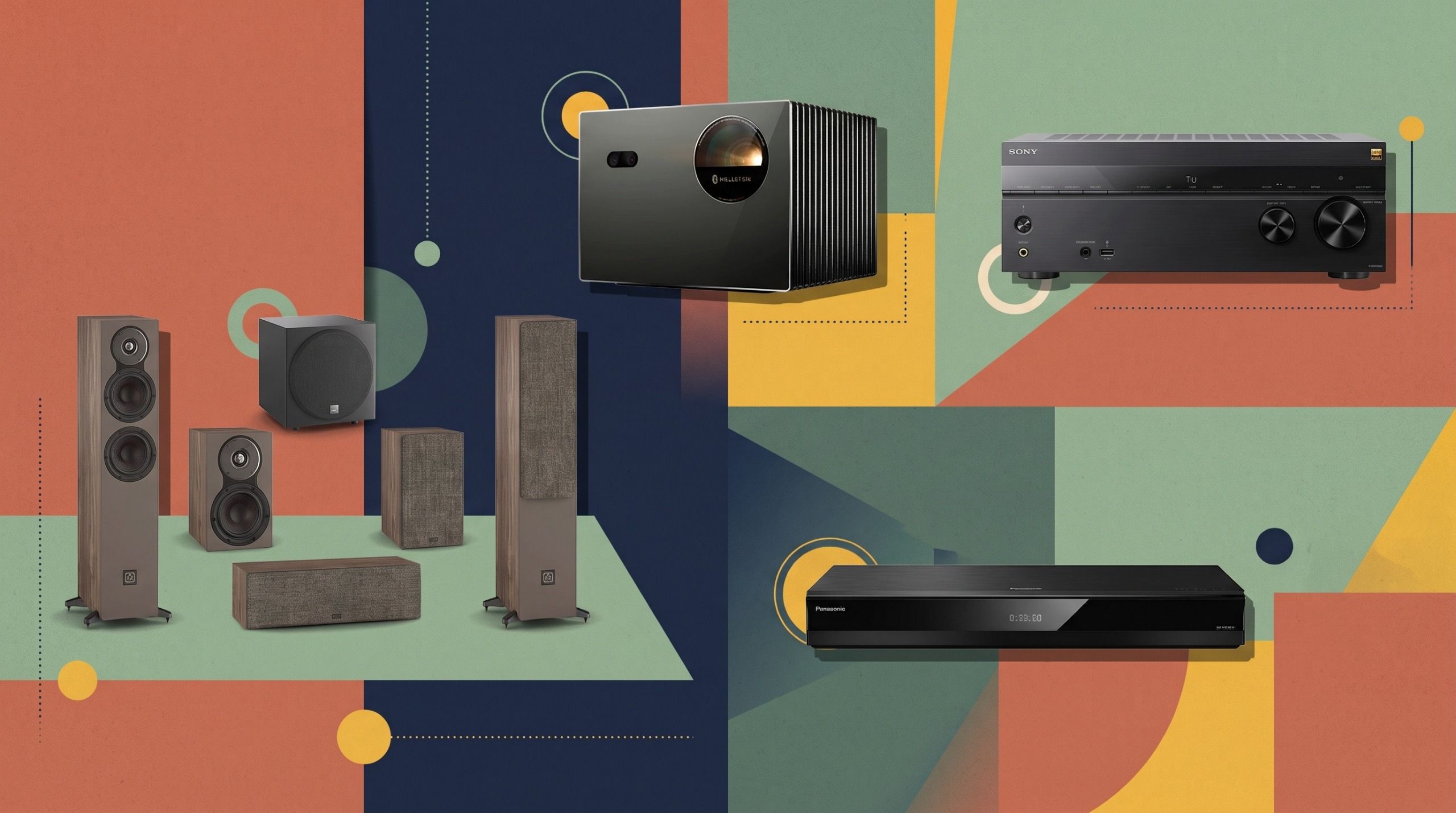
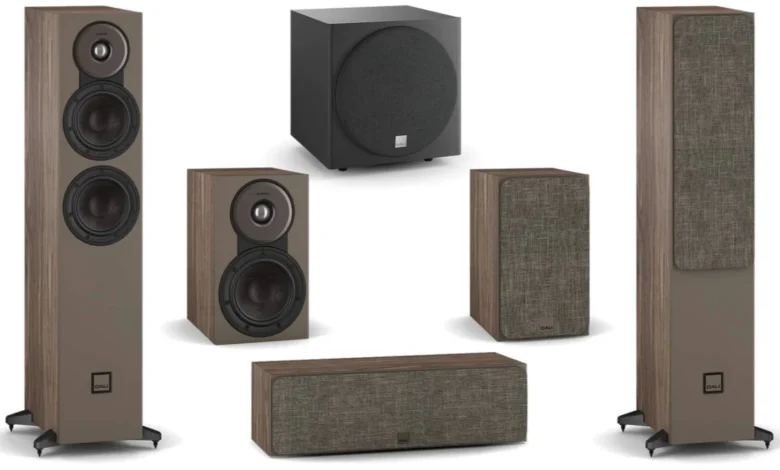
Alternatively, for those seeking an upgrade in performance, the Dali Sonik 5 5.1 system represents a significant step forward. The inclusion of floor-standing speakers for the front channels offers greater low-frequency extension and dynamic headroom, which is particularly beneficial for high-impact action sequences. Dali’s engineering focus on wide-dispersion tweeters ensures that the "sweet spot"—the area where the audio sounds best—is expanded, allowing for a more inclusive viewing experience in rooms with multiple seating positions.
Physical Media and the Role of the Panasonic DP-UB820
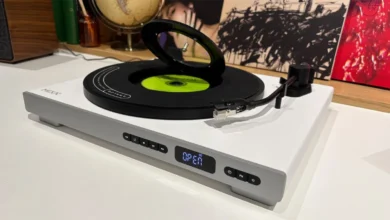
Despite the dominance of streaming platforms, the role of physical media remains vital for those prioritizing maximum bit-rate video and lossless audio. The Panasonic DP-UB820 4K Blu-ray player is widely considered the industry standard for home cinema enthusiasts. The device’s internal processor is specifically calibrated to handle HDR tone mapping, which is essential when outputting high-dynamic-range content to projectors that may not have the brightness output of high-end OLED televisions.
By utilizing a dedicated player, the user removes the burden of decoding complex video codecs from the projector’s internal chipset, allowing for a more stable and higher-quality image. In a market where high-end physical media players are increasingly rare, the Panasonic unit remains a critical piece of hardware for any serious enthusiast.
Chronology and Implementation Strategy
To successfully implement this system, a structured approach is recommended:
- Preparation (Week 1): Measure the room and ensure that cable management paths are established. For a 5.1 system, ensure that the rear speakers are positioned behind the listener at ear level.
- Calibration (Week 2): Connect all HDMI devices to the Sony TA-AN1000. Run the automatic room calibration software twice to ensure consistent readings.
- Fine-Tuning (Week 3): Utilize the projector’s manual image correction tools to adjust for any slight variations in light leakage or ambient brightness.
- Integration (Ongoing): Ensure all firmware for the Valerion projector and the Sony receiver is updated to the latest version to ensure compatibility with streaming service updates.
The Broader Impact on Home Entertainment
The shift toward accessible, high-performance home cinema systems reflects a broader trend in the entertainment industry: the move from public, commercial cinema to private, on-demand viewing. As streaming services continue to push high-bitrate 4K content and Dolby Atmos audio, the consumer appetite for hardware that can faithfully reproduce these formats is growing.
The economic implications are significant. By spending in the range of £3,700 to £4,000, a consumer can create a system that outperforms many commercial multiplexes in terms of audio clarity and personal convenience. While the initial capital expenditure is higher than a standard soundbar-and-TV setup, the longevity of the speakers and the modular nature of the AV receiver provide a hedge against future technology shifts. If a new video format emerges in five years, the user need only replace the receiver or the source player, retaining the high-quality speaker array and the physical installation.
Conclusion and Future Outlook
While the speaker packages mentioned—the Wharfedale Diamond 12.1i and the Dali Sonik 5—have remained at their recommended retail prices throughout the initial Black Friday window, the value proposition remains high. Retailers and manufacturers often hold back on deep discounts for high-demand, high-performance acoustics, viewing them as long-term assets rather than disposable tech.
For the prospective buyer, the focus should remain on building a system that is greater than the sum of its parts. By selecting a high-performing projector like the Valerion VisionMaster Pro 2, a capable receiver like the Sony TA-AN1000, and robust speakers from established manufacturers, the barrier to entry for professional-grade home cinema has never been lower. As the industry moves toward further integration of smart features and automated calibration, the "daunting" nature of these systems is rapidly fading, leaving more room for the primary objective: the immersive experience of cinema in the home.