Sheku Kanneh-Mason Marks Decade Since BBC Young Musician Breakthrough with New Decca Album Hope in Shadow

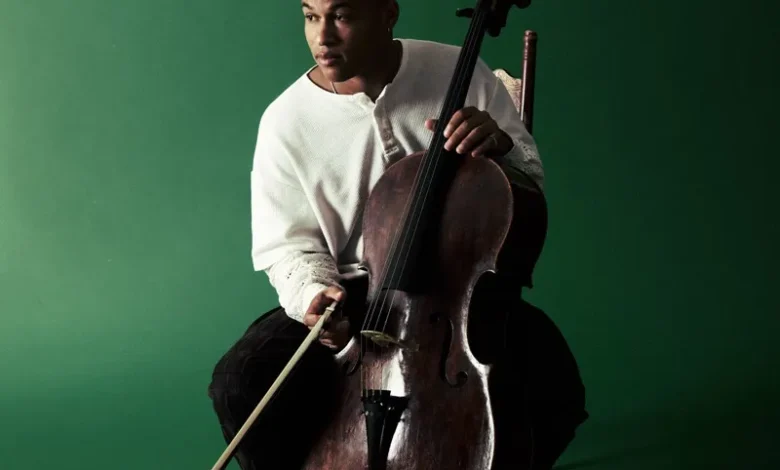
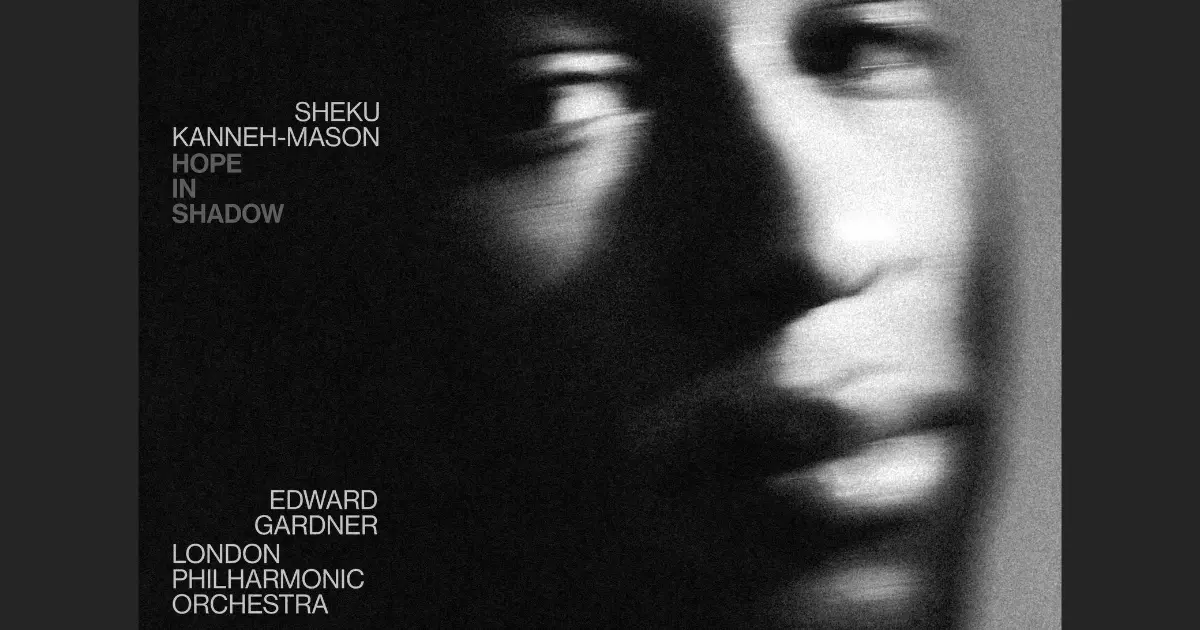
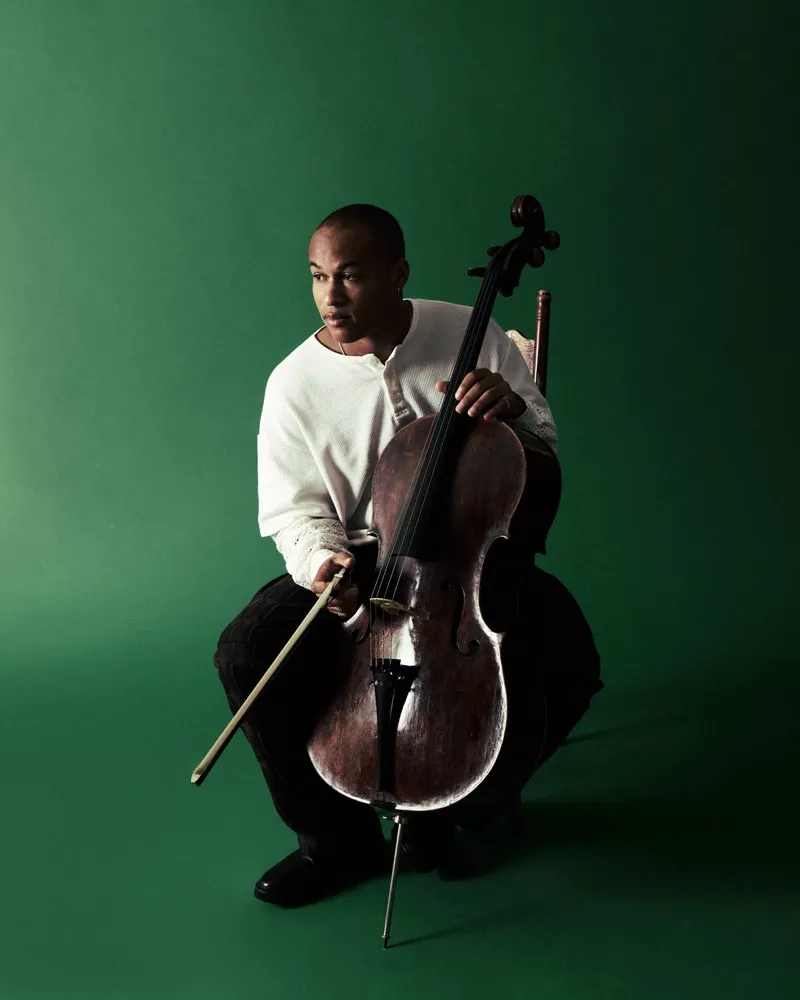
British cellist Sheku Kanneh-Mason has officially marked a significant career milestone with the release of his latest studio album, Hope in Shadow, issued through Decca Classics. The new recording arrives exactly ten years after Kanneh-Mason made history as the first Black musician to win the prestigious BBC Young Musician competition in 2016—a transformative victory that catapulted him into the international spotlight and established his long-standing recording partnership with Decca.
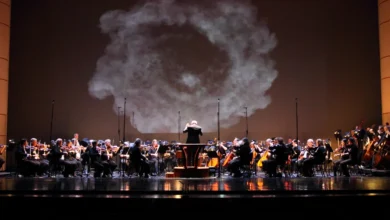
Recorded alongside conductor Edward Gardner and the London Philharmonic Orchestra (LPO), the album features a thoughtfully curated program combining a major cello concerto with several concertante works. The release highlights Kanneh-Mason’s ongoing artistic evolution, contrasting virtuosic brilliance with moments of profound, introspective solemnity.
Repertoire and Performance Analysis
The album opens with Camille Saint-Saëns’ Cello Concerto No. 1 in A minor, a cornerstone of the Romantic cello repertoire known for its technical demands and dramatic intensity. Kanneh-Mason tackles the opening Allegro non troppo with considerable boldness, delivering highly driven phrases that help project the solo instrument prominently against the LPO’s robust accompaniment. While the cellist’s approach yields a vibrant, energetic reading, critics note that his tone can occasionally verge on strident—a byproduct of the sheer enthusiasm he brings to the score.
The central Allegretto con moto offers a reprieve, with the orchestra evoking a light, graceful, minuet-like atmosphere. Kanneh-Mason responds with lyrical charm while maintaining the structural fullness established in the opening movement. However, the final Molto allegro returns to a state of turbulent angst. Although Kanneh-Mason navigates the movement’s acrobatic passages and recurring motifs with ease, the relentless pacing occasionally causes the upper-register passages to sound hurried and thin. Comparative listeners frequently contrast this energetic reading with Steven Isserlis’s classic recording alongside Michael Tilson Thomas and the London Symphony Orchestra, which offers a rounder tone and more finely contoured phrasing.
A momentary sense of tranquility arrives with The Swan from Saint-Saëns’ Carnival of the Animals. The track serves as a subtle nod to Kanneh-Mason’s earlier family-collaborative album featuring the complete work. Stylistically, while the dynamic contrasts are handled with precision, the performance shares traits with the concerto: a tendency to push the musical lines forward too eagerly as tension builds.
Exploring Themes of Solemnity and Atonement
The emotional core of Hope in Shadow is arguably found in Max Bruch’s Kol Nidrei, a work that deeply aligns with the album’s overarching thematic concept. In the Adagio ma non troppo, soloist and orchestra deftly navigate contrasting shades of solemnity and spiritual atonement. Kanneh-Mason imbues the writing with sensitivity and gravitas, perfectly complemented by the LPO’s stately, declamatory posture. The subsequent major-key shift in the second section feels like a hard-earned resolution, illuminated by delicate dynamic shading and exemplary bow control.
The program also features two selections by Ernest Bloch from From Jewish Life. Prayer showcases Kanneh-Mason’s warm, vocal quality, utilizing artfully crafted phrasing to deliver a deeply personal invocation. The LPO matches this intimacy with an expansive, cinematic accompaniment that provides vital structural momentum. In Supplication, Kanneh-Mason explores the disparate tonal personalities of his instrument’s registers, contrasting the comforting warmth of the husky bass with the intense urgency of tight vibrato and dense bowing in the higher ranges.
The Bloch sequence concludes with Jewish Song, a piece marked by suspense and eerie, lingering melodies. Kanneh-Mason successfully balances underlying tension with profound tenderness, supported by the delicate, translucent textures of the string section. The album draws to a close with John Williams’ theme from Schindler’s List, providing a universally recognized melodic anchor, though some critics suggest the inclusion of additional lighter works might have better balanced the album’s heavy, reflective atmosphere.
Background Context and Career Chronology
The release of Hope in Shadow underscores a remarkable decade of professional achievement for Sheku Kanneh-Mason. Born in Nottingham, England, in 1999, Kanneh-Mason began playing the cello at the age of six. His exceptional talent brought him early recognition, but it was his landmark victory at the 2016 BBC Young Musician competition that fundamentally altered the trajectory of his career.
Following his win, Kanneh-Mason signed exclusively with Decca Classics, becoming one of the label’s flagship classical artists. His debut album, Inspiration, released in 2018, combined classical masterworks with arrangements of popular and traditional tunes, resonating widely with mainstream audiences. This crossover appeal was further amplified in 2018 when he performed at the royal wedding of Prince Harry and Meghan Markle, an event watched by an estimated global audience of nearly two billion people.
Subsequent releases, including his 2020 recording of the Elgar Cello Concerto, topped classical charts and cemented his reputation as a serious, mature interpreter of the standard repertoire. Alongside his solo career, Kanneh-Mason has frequently performed and recorded chamber music alongside his equally talented siblings as part of the Kanneh-Mason piano-and-string ensemble.
Chronology of Key Milestones
- 1999: Sheku Kanneh-Mason is born in Nottingham, England.
- 2005: Begins formal cello instruction at age six.
- 2016: Wins the BBC Young Musician competition, a historic first for a Black instrumentalist, and subsequently signs with Decca Classics.
- 2018: Releases debut studio album, Inspiration; performs globally viewed set at the royal wedding of Prince Harry and Meghan Markle.
- 2020: Releases critically acclaimed recording of the Elgar Cello Concerto, achieving chart success.
- 2023–2024: Expands international touring schedule with major orchestras across Europe, North America, and Asia.
- Late 2026: Releases Hope in Shadow with conductor Edward Gardner and the London Philharmonic Orchestra, celebrating ten years of partnership with Decca.
Broader Impact and Implications for Classical Music
The release of Hope in Shadow is indicative of a broader shift in the classical music industry toward thematic programming that bridges traditional masterworks with deeply reflective, culturally resonant repertoire. By pairing standard Romantic concertos by Saint-Saëns and Bruch with spiritually focused works by Bloch and Williams, Kanneh-Mason and Decca Classics continue to target both traditional connoisseurs and younger, diverse audiences.
Industry analysts note that Kanneh-Mason’s sustained commercial and critical viability demonstrates the ongoing importance of artist-led curation in classical music marketing. As streaming platforms like Apple Music Classical increasingly prioritize curated playlists and concept albums, releases structured around cohesive emotional narratives—such as Hope in Shadow—are positioned to capture wider listener engagement.
Furthermore, Kanneh-Mason’s decade-long tenure at the forefront of the genre reinforces the changing demographics of classical music performance and consumption. As he transitions from a celebrated prodigy to an established mature artist, his willingness to tackle emotionally weighty and technically demanding repertoire signals a long-term commitment to artistic depth that extends well beyond his initial breakthrough years.
Album details for Hope in Shadow confirm its distribution via Decca Classics under catalogue number 4872248, with physical and digital availability spanning major retail platforms including Presto Music and integration into Apple Music Classical.