Record Store Day Unveils Exclusive Black Friday Catalog Highlighting Rare Archival Releases and Independent Retailers

As consumers transition from holiday gatherings to the annual retail rush of Black Friday, music enthusiasts are presented with an alternative to mainstream commercial shopping through the official Record Store Day (RSD) Black Friday catalog. Beyond serving as a premier destination for holiday gift shopping and collection expansion, the event remains a vital economic driver for independent record stores across the globe. This year’s catalog features a meticulously curated selection of 188 exclusive releases, ranging from modern recordings to historically significant archival recoveries. Music critics, journalists, and staff writers from industry publications have already begun combing through the official roster to highlight standout pressings, with historical recordings commanding considerable attention from both audiophiles and cultural historians.
Main Facts and the R.L. Burnside Phenomenon
At the center of this year’s historical offerings is a rare and newly remastered recording by Hill Country blues pioneer R.L. Burnside, titled "Jumper on the Line (Live on R.L.’s Farm)." The release has drawn intense interest, mirroring a broader cultural fascination with the roots of American blues music.
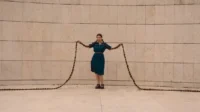
The accompanying visual and audio artifact—captured originally on R.L. Burnside’s farm—has experienced an exponential surge in digital engagement. Prior to the official rollout of the Black Friday list, a corresponding YouTube video featuring the performance had already accumulated approximately 11 million views. Within a remarkably brief window leading up to the publication of initial critical roundups, that viewership metric climbed to 14 million views, demonstrating sustained, modern consumer appetite for traditional vernacular music.
The recording itself carries profound historical weight. Captured in 1978 by esteemed folklorist Alan Lomax, the performance is part of a monumental multimedia collection amassed by Alan and John A. Lomax between 1933 and 1991. These recordings represent an irreplaceable audit of American folk, blues, and roots music traditions, celebrated universally for their unvarnished authenticity and raw emotional power.
For the first time in history, this specific rendition of "Jumper on the Line" has undergone professional audio remastering directly from the original archival tapes. The resulting master has been pressed to physical vinyl, offering collectors a tangible piece of musical history. Given the niche nature of the medium and the dedication to quality, production of the 7-inch single has been strictly limited to 1,450 physical copies worldwide, creating an immediate collector’s item for record store patrons.
Chronology and Archival Preservation
To understand the magnitude of the Burnside release, one must examine the chronological preservation efforts that rescued these audio treasures from obscurity. The preservation timeline spans nearly a century of field recording, institutional archiving, and modern digital migration:
- 1933–1991: Field collectors Alan Lomax and John A. Lomax travel extensively across the United States and international territories, capturing tens of thousands of audio and film recordings of indigenous folkways, blues, gospel, and vernacular music.
- 1978: Alan Lomax visits R.L. Burnside’s farm, documenting the legendary bluesman’s intimate and powerful performance style on film and magnetic tape.
- Late 20th to Early 21st Century: The massive physical archive is housed, cataloged, and eventually transitioned toward stabilization and preservation methodologies to prevent degradation of the original acetate and magnetic media.
- Modern Era: The Association for Cultural Equity, a nonprofit organization established by the Lomax family, oversees the ongoing digitization of the catalog, launching the Lomax Digital Archive as a free, publicly accessible online resource.
- Contemporary Window: Archival audio teams collaborate with rights holders and specialized labels to select high-profile historical performances for physical vinyl distribution via events like Record Store Day.
- Current Event: Record Store Day officially schedules the limited pressing of R.L. Burnside’s "Jumper on the Line" for its Black Friday event, coinciding with a viral surge of millions of views on the archival footage across digital platforms.
Supporting Data and the Economics of Independent Retail
Record Store Day, founded in 2007, has evolved from a grassroots initiative to support struggling independent storefronts into a global economic phenomenon. While the spring iteration of the event remains the flagship day, the Black Friday companion event has established itself as a critical financial quarter-booster for independent retailers navigating the competitive holiday shopping season.
Independent record stores operate on notoriously slim margins, facing intense pressure from online retail giants, major streaming services, and mass-market department stores. According to trade data from organizations like Music Biz and Nielsen SoundScan, physical vinyl sales have experienced a historic multi-year renaissance. Vinyl record sales have consistently outpaced compact discs in terms of revenue, proving that consumers value the tactile, ritualistic experience of owning physical music.
Key metrics surrounding the event include:
- 188: The total number of exclusive, limited-edition titles curated for the current Black Friday drop, encompassing genres from classic blues and punk rock to contemporary indie and jazz.
- 1,450: The exact pressing limit for the highly sought-after R.L. Burnside 7-inch single, underscoring the scarcity model that drives collector engagement.
- Participating Storefronts: Hundreds of independent record shops across North America and international markets participate in the event, serving as community hubs for localized music culture.
- Digital Footprint: Millions of cumulative streams and video views demonstrate how digital platforms and physical vinyl marketing now operate in a symbiotic loop, where online visibility directly fuels physical retail demand.
Official Responses and Institutional Perspectives
While individual statements from major label executives and independent store owners emphasize the logistical hurdles of global vinyl pressing plant backlogs, the overarching consensus remains overwhelmingly positive regarding the cultural vitality of the event.
Representatives from The Association for Cultural Equity have frequently noted that physical releases serve as an essential funding and awareness mechanism for their broader preservation mandates. By partnering with specialty labels and events like Record Store Day, archival organizations can bring historical recordings out of the vault and into the hands of a younger, digitally native audience that discovered the artists through streaming and video platforms like YouTube.
Independent record store proprietors consistently report that events like Record Store Day Black Friday act as essential lifelines during the fourth-quarter retail period. Store owners note that lines frequently form hours before opening time, drawing both dedicated collectors and first-time shoppers who might otherwise default to online shopping algorithms. This foot traffic provides a vital halo effect, driving sales not just for the exclusive releases, but across the stores’ entire back catalog of new and used inventory.
Broader Impact and Market Implications
The intersection of modern digital platforms and mid-century archival preservation—exemplified by the R.L. Burnside release—highlights a broader shift in the music economy. Physical media is no longer merely a functional format for listening to audio; it has transformed into a luxury artifact, a collectible piece of art, and a physical connection to cultural history.
For music fans who miss out on securing one of the 1,450 physical copies of the Burnside single, the existence of the Lomax Digital Archive ensures that the music remains accessible. Maintained by The Association for Cultural Equity, the digital repository serves as an educational and cultural utility, allowing scholars, musicians, and casual listeners to explore the raw materials of American music history for free.
Ultimately, the inclusion of deeply historical, roots-oriented releases in a commercial holiday shopping event speaks to the enduring relevance of traditional music genres. As consumers increasingly seek authenticity in an era of hyper-processed digital content, the pairing of physical vinyl culture with grassroots archival preservation offers a sustainable model for honoring musical heritage while supporting the independent retail ecosystem that keeps local music communities alive.