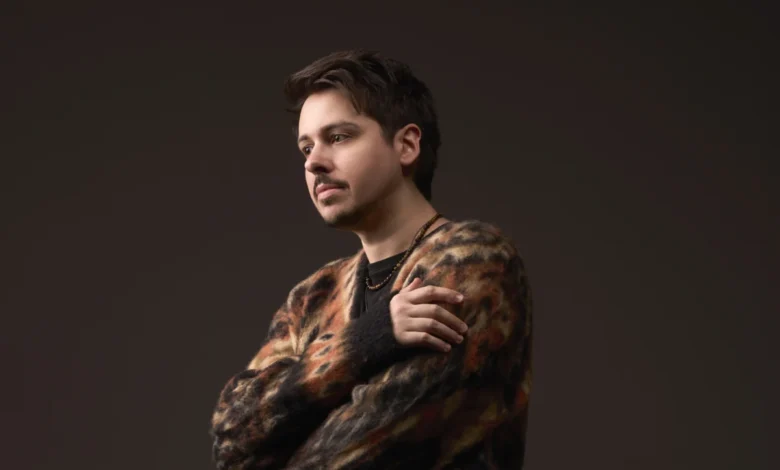
In 2023, Australian musician, producer, and composer Dan Webb undertook a transformative relocation from his home in Melbourne to the bustling, culturally rich landscape of Singapore. This geographical shift served as more than a simple change of scenery; it acted as the catalyst for an intense period of creative and spiritual introspection. While the move demanded the practical adjustments associated with international migration, it coincided with a period of profound personal loss. As Webb finalized his fifth studio album, titled Lion Dance, he faced the consecutive passing of three family members, an experience that forced a deep engagement with existential themes of mortality, legacy, and the cyclical nature of existence found in Taoist and Buddhist philosophy.
The resulting record, Lion Dance, is a dense, multi-layered exploration of these themes, blending world-music textures with psychedelic fusion. By enlisting a global cohort of elite instrumentalists—many of whom have collaborated with industry titans such as David Bowie, Snarky Puppy, and The Rolling Stones—Webb has crafted a project that sits at the intersection of grief and celebration.
The Genesis of a Concept: From Da Nang to the Studio
The conceptual framework for the album emerged during a trip to Da Nang, Vietnam. It was there that Webb witnessed a traditional "lion dance," a form of traditional dance in Chinese and other Asian cultures in which performers mimic a lion’s movements in a lion costume to bring good luck and fortune. For Webb, the performance was a revelation. He described the experience as a visual and spiritual touchstone, noting the vibrant, percussive, and intensely "alive" nature of the event.
This energy became the sonic blueprint for the album. Rather than attempting a literal interpretation of traditional music, Webb sought to capture the "magic" and kinetic movement of the lion dance through the lens of modern experimental jazz and psychedelic rock. The resulting work serves as a bridge between the ancient, ceremonial traditions of Southeast Asia and the improvisational, high-fidelity aesthetic of contemporary Western production.
Chronology of Production and Personal Transition
The timeline of Lion Dance is inextricably linked to the rapid acceleration of Webb’s life in the early 2020s:
- 2022–2023: Initial development of the album concept begins, influenced by travel throughout Southeast Asia.
- Early 2023: Webb relocates from Melbourne to Singapore, initiating a period of cultural immersion and personal reflection.
- Mid-2023: During the final stages of production, Webb experiences the death of three family members in quick succession. This period of mourning shifts the focus of the album from a standard collection of compositions to a meditation on death and rebirth.
- Late 2023: Release of Sunshine/Dialogue, an experimental project where Webb composed musical beds for featured interviews, establishing a precursor to the technical complexity seen in his later work.
- 2024–2025: Finalization of Lion Dance, involving remote and in-studio collaborations with high-profile session musicians.
Collaborative Architecture: The Personnel
A notable aspect of Lion Dance is the caliber of musicians involved. Webb’s ability to draw from such a diverse talent pool underscores his status as an emerging force in the fusion scene.
Clive Deamer, known for his long-standing work with Radiohead and Robert Plant, provides a percussive foundation that pushes the boundaries of traditional rhythm. His work on the track "Hungry Ghosts" is a standout example of how funk-inspired drumming can anchor complex, swirling arrangements. Alongside him, keyboardist and synth specialist Dennis Hamm—who has gained significant acclaim for his work with Thundercat and the Flying Lotus collective—adds layers of harmonic depth. Bob Lanzetti, a founding member of the Grammy-winning ensemble Snarky Puppy, contributes guitar work that is described as "acid-etched" and heavily textured, providing the necessary grit to balance the more ethereal elements of the production.
Fact-Based Analysis: "Hungry Ghosts" and Symbolic Intent
The track "Hungry Ghosts" serves as a microcosm of the album’s thematic depth. In Buddhist tradition, "hungry ghosts" represent beings driven by intense emotional needs—often greed or attachment—who remain in a state of perpetual dissatisfaction. By choosing this title, Webb effectively characterizes the modern listener and the human condition in the face of loss.
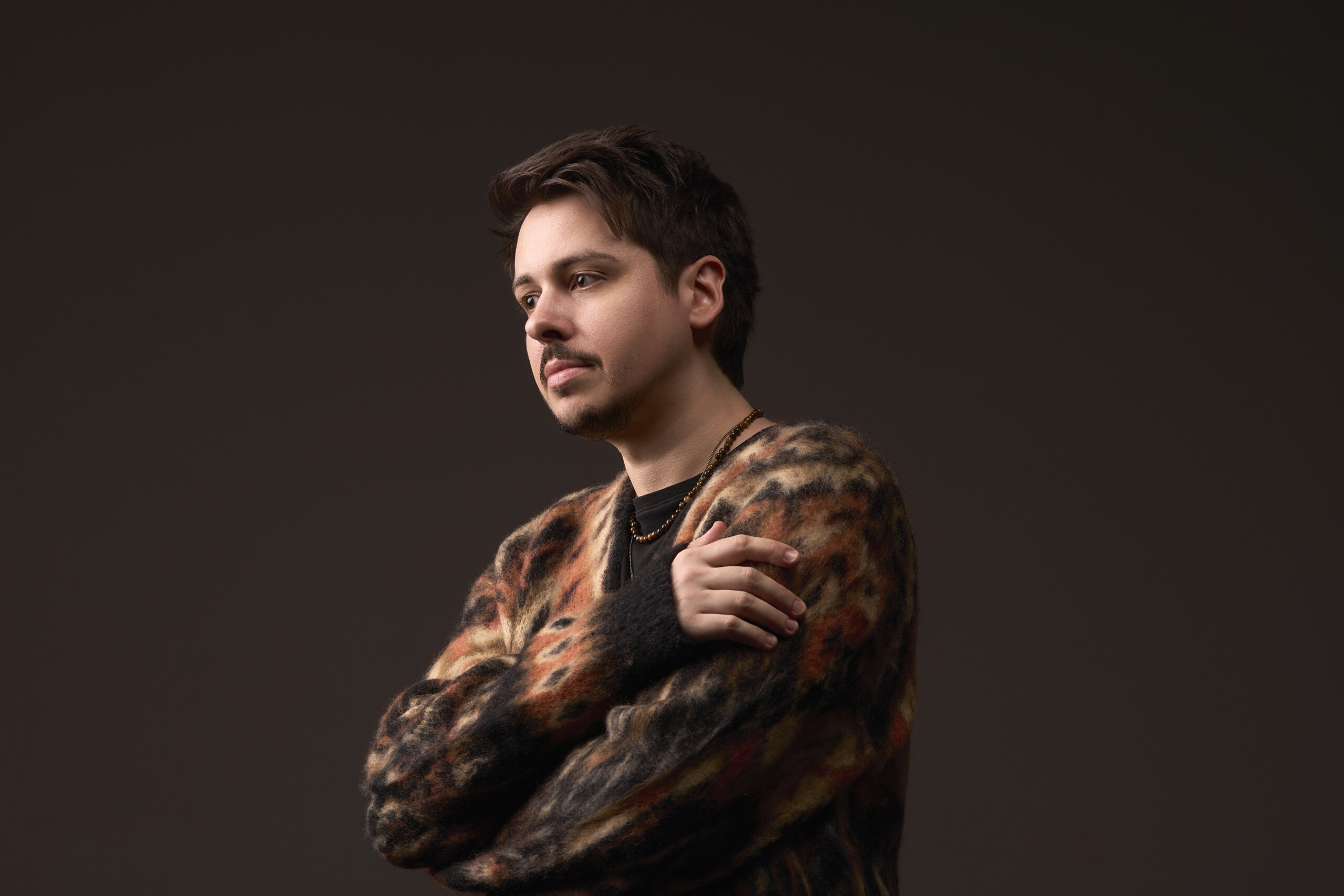
The technical execution of the song—a high-energy, psychedelic explosion—contrasts sharply with its abrupt ending. By cutting the track off mid-motion, as if a power supply had been severed, Webb creates a deliberate sense of incompleteness. This choice forces the listener to grapple with the "hunger" for a resolution that never arrives, mirroring the feeling of sudden, unresolved loss that accompanies the death of a loved one.
Broader Impact and Industry Context
The release of Lion Dance comes at a time when the "global fusion" genre is experiencing a resurgence. Following the success of artists who integrate Eastern rhythmic structures with Western jazz-fusion, Webb’s work occupies a niche that values both intellectual rigor and emotional vulnerability.
From a production standpoint, the album reflects a shift toward globalized workflows. With contributors based in different time zones and cultural spheres, the project exemplifies the modern "virtual studio" model. This approach allows for a cross-pollination of styles that would have been logistically impossible in previous decades.
Industry analysts observe that composers like Webb are increasingly turning to thematic, concept-driven records to differentiate themselves in a streaming market that often favors individual tracks over cohesive albums. By framing his music through the specific cultural experience of the lion dance, Webb provides a narrative hook that invites listeners into a deeper, more intentional engagement with the music.
Implications for Future Composition
Webb’s career trajectory, marked by the rapid succession of Sunshine/Dialogue and now Lion Dance, suggests an artist who is comfortable with radical shifts in methodology. His previous project, which focused on the intersection of long-form interviews and ambient soundscapes, was a study in restraint. In contrast, Lion Dance is a study in maximalism and percussive intensity.
This variance makes his future work difficult to categorize, yet it establishes a consistent ethos: the music must serve the narrative. Whether he continues to explore the intersections of Eastern philosophy and Western fusion or pivots toward more traditional instrumental jazz, the focus remains on the "sonic gateway"—a term Webb has used to describe the function of his music in moving the listener from one state of consciousness to another.
Conclusion
Lion Dance is not merely a collection of songs; it is a document of a specific period of transition. For Dan Webb, the move to Singapore provided the necessary external stimulus to process internal change. By integrating the tragedy of personal loss with the vibrant, celebratory imagery of the lion dance, he has produced a work that manages to be simultaneously mourning and life-affirming.
As the music industry continues to evolve, the value of such multidisciplinary projects—those that draw from philosophy, world culture, and high-level technical collaboration—will likely continue to rise. For audiences and critics alike, the work of Dan Webb remains a compelling case study in how global movement and personal upheaval can be synthesized into a cohesive and meaningful artistic statement. While his next creative endeavor remains a matter of speculation, the structural integrity and emotional honesty of Lion Dance suggest a composer who has found a distinct voice in a crowded, globalized soundscape.