U2 Play the Hits, Pay Tribute to Dolly Parton for NFL Thanksgiving Eve Halftime Show

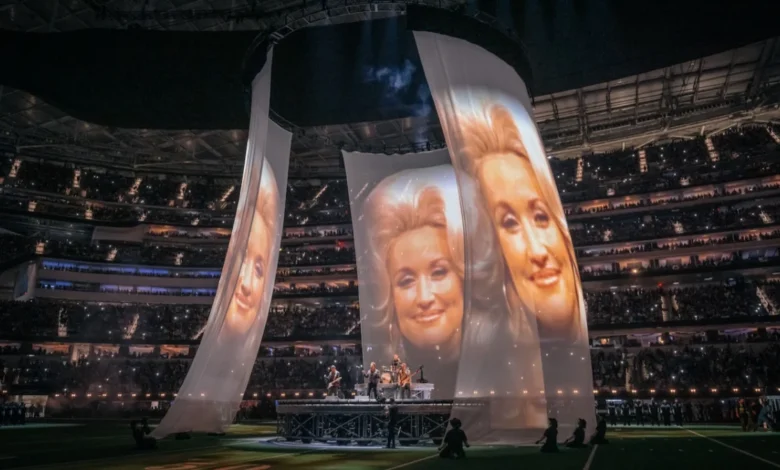
The NFL’s inaugural Thanksgiving Eve game at SoFi Stadium in Los Angeles featured more than just a clash between the Green Bay Packers and the Los Angeles Rams; it served as a high-profile stage for Irish rock legends U2 to deliver a poignant and musically dense halftime performance. As the league continues to expand its holiday-adjacent programming, the choice of U2 underscores the NFL’s ongoing commitment to pairing its premier broadcast events with A-list musical acts capable of bridging generations.
The performance, which arrived shortly after the release of the band’s latest studio album, Carnaval De Luz, functioned as both a celebration of the group’s enduring catalog and a respectful homage to the late country music icon Dolly Parton. While the band utilized the massive platform to signal the upcoming launch of their 2027 "The Greatest Show on Earth" world tour, the set remained firmly rooted in the stadium anthems that have defined their four-decade-long career.
A Masterclass in Stadium Spectacle
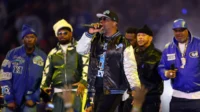
The halftime show commenced with a rousing rendition of "I Still Haven’t Found What I’m Looking For," elevated by the inclusion of a full marching band that transformed the field into a dynamic visual tableau. In a move that highlighted the band’s penchant for musical fusion, U2 invited The Womack Sisters to the stage. Their presence added a soulful layer to the performance, specifically through an unexpected, seamless interpolation of The Supremes’ classic "Stop! In the Name of Love."
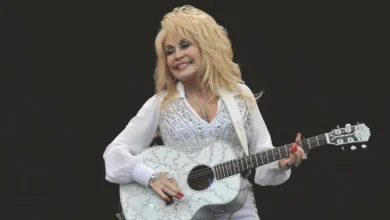
Following the opening sequence, the band transitioned into the politically charged "Sunday Bloody Sunday," a track that remains one of the most recognizable pieces of protest music in history. The intensity of the set reached its emotional apex with the performance of "Torn," the band’s recent collaboration with Dolly Parton. With the late singer’s pre-recorded vocals filling the cavernous SoFi Stadium, Bono provided a live accompaniment that resonated with the gravity of a memorial tribute. This moment served as the sole representation of the Carnaval De Luz record, signaling the band’s intent to balance new creative output with the respectful recognition of musical legends who have passed.
The set concluded with two of the band’s most iconic compositions: "Where the Streets Have No Name" and "Pride (In the Name of Love)." The return of The Womack Sisters for the finale provided a harmonic fullness that rounded out the production, solidifying the performance as a highlight in the NFL’s recent history of high-budget halftime entertainment.
Historical Context: U2 and the NFL
U2’s relationship with the NFL is deeply woven into the fabric of American sports history. Their performance at SoFi Stadium was not merely a standalone concert but the latest chapter in a long-standing partnership between the band and the league.
Most notably, the band headlined the Super Bowl XXXVI halftime show in 2002. Taking place at the Superdome in New Orleans just months after the September 11 attacks, that performance is widely cited by music historians and sports journalists as a pivotal cultural moment. The band’s decision to project the names of those lost in the tragedy onto a massive screen while performing "Where the Streets Have No Name" provided a sense of communal healing that transcended the game of football.
Four years later, in 2006, U2 returned to the same venue—the Superdome—to perform alongside Green Day. That event was equally significant, marking the inaugural home game for the New Orleans Saints following the devastation of Hurricane Katrina. By performing at such politically and emotionally charged moments in the league’s timeline, U2 has positioned itself as the "go-to" act for the NFL when the organization aims to project a message of resilience and national unity.
Economic and Logistical Implications
The inclusion of U2 in the NFL’s Thanksgiving Eve schedule is part of a broader strategy by the league to capture larger television audiences outside of the traditional Sunday afternoon window. By expanding the holiday slate to include Wednesday night, the NFL effectively creates a "pre-game" to the Thanksgiving festivities, allowing for massive ad revenue growth and heightened brand engagement.
The production cost for a halftime show of this caliber is estimated to be in the millions, covering everything from the logistics of stage setup and breakdown—which must occur in less than 15 minutes—to the synchronization of lighting, pyrotechnics, and the live broadcast feed. For the NFL, the investment is justified by the massive surge in social media engagement and viewer retention metrics that follow a high-profile musical act. Data from recent years suggests that halftime shows consistently outperform the game itself in terms of digital sharing, making them an essential component of the league’s global marketing strategy.
Looking Ahead: The Greatest Show on Earth Tour
The halftime spectacle also functioned as a strategic marketing maneuver for the band’s upcoming "The Greatest Show on Earth" world tour, set to launch in 2027. By showcasing their sound in one of the world’s most technologically advanced stadiums, the band successfully reminded a global audience of their live capabilities.
The tour, which was announced earlier in the week, represents a significant undertaking for the quartet. With a sprawling list of dates covering North America, South America, and Europe, the tour is poised to be one of the highest-grossing concert series of the decade. The itinerary includes major stadium venues such as Estadio GNP Seguros in Mexico City, Estádio MorumBIS in São Paulo, and London’s Tottenham Hotspur Stadium.
The tour will feature a variety of high-profile support acts, highlighting the band’s influence on multiple genres of music. Beck will support the Latin American leg of the tour, while Wolf Alice is set to join for the European dates. In North America, the band has curated a diverse support lineup including Stephen Wilson Jr. for the initial stadium runs and The War on Drugs for the final stretch of shows in Texas, California, and Canada.
Analysis of the Performance
From a critical perspective, the halftime show demonstrated U2’s evolution from the raw, post-punk outfit of the late 1970s to the polished, stadium-filling institution they are today. The inclusion of an interpolation of a Motown classic within a U2 song, followed by a collaborative tribute to a country legend, showcases the band’s willingness to experiment with the "Great American Songbook" while maintaining their signature sound.
Furthermore, the band’s ability to anchor their performance around a song from their new album while relying on a heavy rotation of classics reflects the modern challenge facing heritage acts: how to maintain relevance without alienating the legacy fan base. By placing "Torn" in the middle of the set, the band ensured that the new music was heard, but by flanking it with "Where the Streets Have No Name" and "Pride," they ensured the audience remained engaged.
The performance also underscored the changing nature of the "halftime show" format. Once a simple parade or marching band affair, the modern NFL halftime show has evolved into a micro-concert that acts as a vital pillar of the American entertainment industry. With the NFL’s continued expansion into international markets, and U2’s upcoming global tour, the alignment of these two massive cultural forces is likely to continue for the foreseeable future.
Tour Chronology and Logistics
The 2027 tour schedule reflects the band’s global reach, with a heavy emphasis on high-capacity venues. The tour is structured in distinct geographic legs, allowing the band to manage the complex logistical requirements of international travel for their production equipment.
- Latin America (February–March 2027): The tour opens in Mexico City before moving to Brazil and Argentina. This leg features a four-night residency in each city, allowing the production team to minimize travel time and maximize the efficiency of the stage setup.
- Europe (April–July 2027): Following the South American dates, the tour moves to Europe, starting in Sweden and concluding in Milan. This segment includes multiple-night stands in major capitals, emphasizing the band’s continued popularity in the European market.
- North America (August–October 2027): The final leg of the tour covers the United States and Canada, hitting major NFL stadiums such as MetLife Stadium and SoFi Stadium, effectively bringing the "Greatest Show on Earth" back to the venues that hosted their initial halftime appearance.
As the NFL continues to dominate the sports landscape and U2 prepares to embark on what promises to be a career-defining tour, the Thanksgiving Eve performance at SoFi Stadium stands as a testament to the enduring power of live performance. Whether through the lens of sports entertainment or the history of rock music, the event captured the intersection of pop culture and national tradition, setting a high bar for the remainder of the 2026-2027 season.