Audio Plugins for Electronic Music Production: Essential Tools to Elevate Your Mixes and Master Your Tracks

The modern landscape of electronic music production relies heavily on software processing to transform standard digital synthesizers and drum machines into polished, commercially competitive audio assets. As producers strive to achieve professional standards that translate seamlessly from massive festival sound systems to consumer-grade laptop speakers, the demand for specialized, high-performance audio plugins continues to grow exponentially. Achieving a balanced mix requires precise control over the low-end frequency spectrum, creative modulation to maintain listener engagement, and mastering-grade tools that can maximize perceived loudness without introducing unwanted digital distortion.
Industry professionals often divide their processing toolkits into categories addressing low-end integrity, rhythmic animation, spatial depth, and final bus saturation. By carefully curating a selection of versatile processors, electronic music creators can significantly streamline their workflow while enhancing the sonic impact of their arrangements. Several standout plugins have emerged as industry standards for tackling these specific production challenges, offering advanced features that bridge the gap between vintage analog hardware warmth and modern digital precision.
Low-End Optimization and Low-Frequency Management
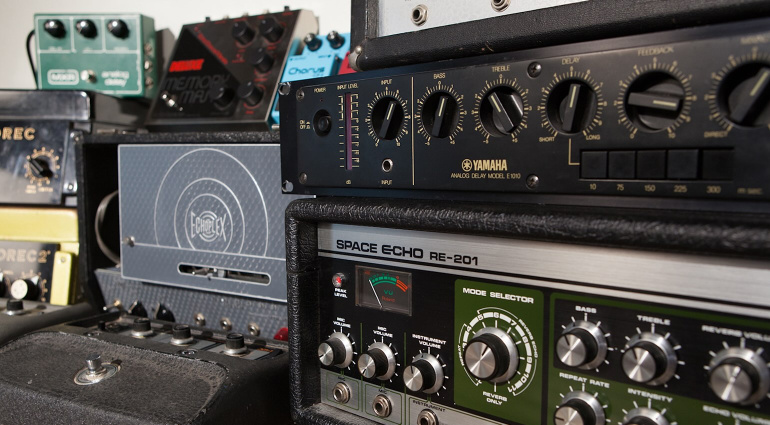
In genres heavily driven by rhythm, such as techno, house, and bass music, the relationship between the kick drum and the bassline forms the structural foundation of the entire track. A muddy or clashing low-end will immediately fail on club systems, making precision low-frequency processing a critical priority for mixing and mastering engineers. Ensuring that the fundamental frequencies of the kick and sub-bass occupy distinct sonic territories prevents destructive phase cancellation and allows the master bus to be pushed harder during the final stages of production.
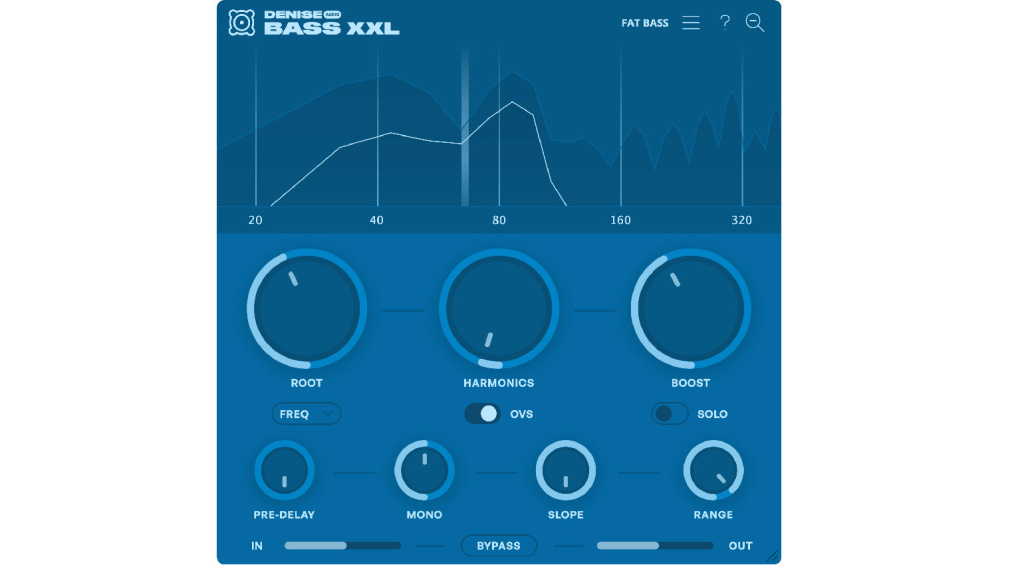
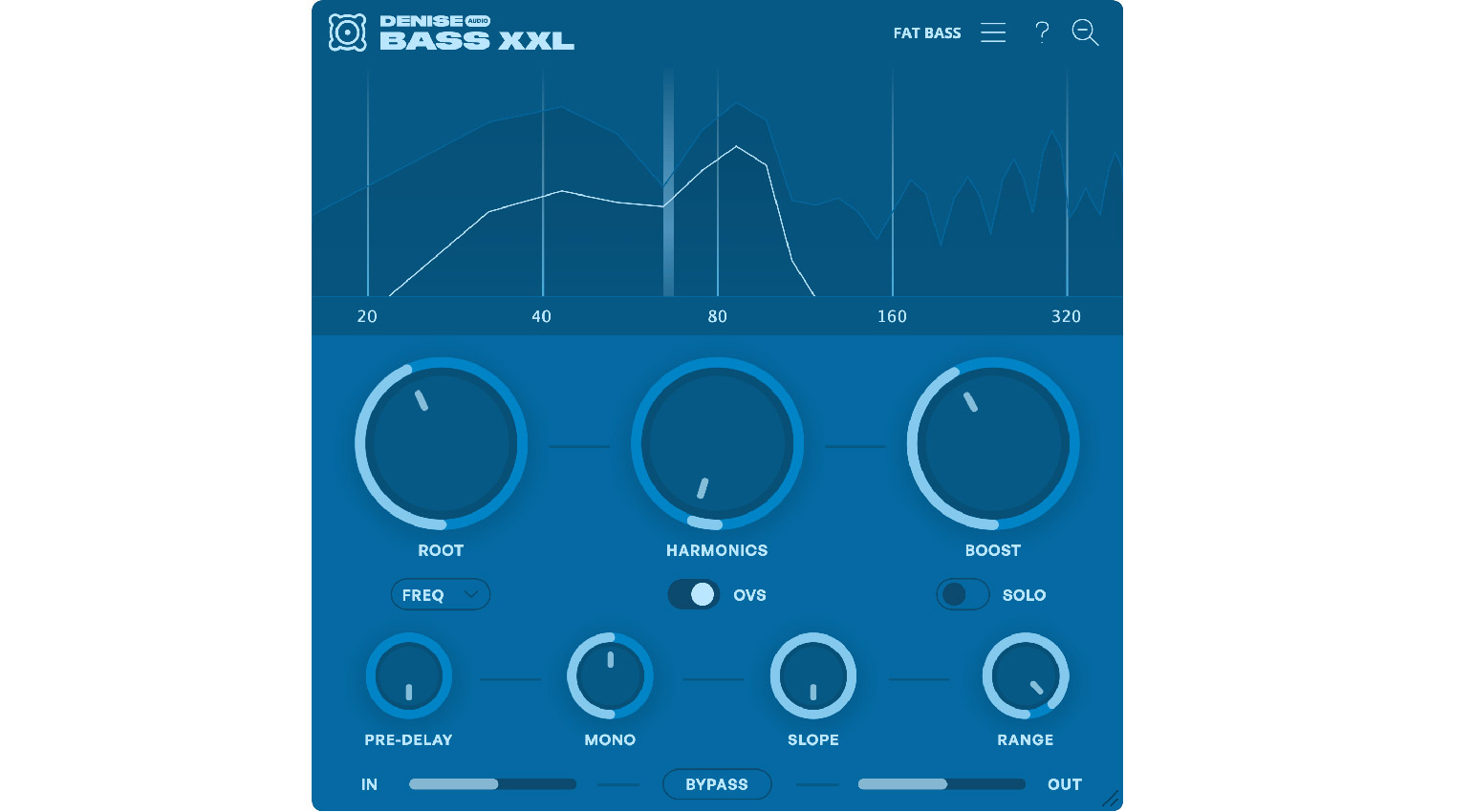
To address these low-end complexities, specialized processors like Denise Audio Bass XXL have become indispensable. Bass XXL operates by identifying the root note of a low-frequency element and generating tailored harmonics that help the signal cut through dense mixes. Unlike traditional saturation tools that indiscriminately affect the entire frequency spectrum, Bass XXL features a dedicated MIDI tracking mode that follows the precise notes of a moving bassline. Producers can manipulate parameters such as range, slope, and pre-delay to preserve the transient punch of the original signal while adding controlled harmonic weight. This targeted approach allows darker kick drums and 808s to maintain precise definition, ensuring maximum sonic impact on large-scale sound systems.
Rhythmic Animation and Multi-Effects Processing
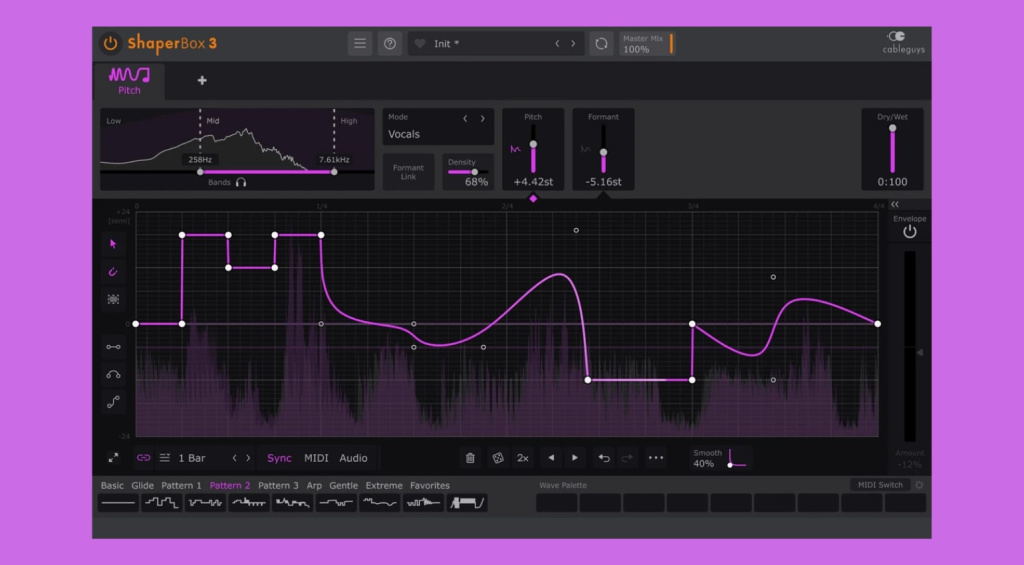
Beyond the foundation of kick and bass, electronic music thrives on constant movement, texture, and rhythmic variation. Static synthesizer patches and rigid drum programming can quickly fatigue the listener’s ear, necessitating dynamic effects that breathe life into static arrangements. Traditional automation within a Digital Audio Workstation (DAW) can achieve these results, but dedicated multi-effects processors offer modular, tempo-synced workflows designed specifically for electronic music production.
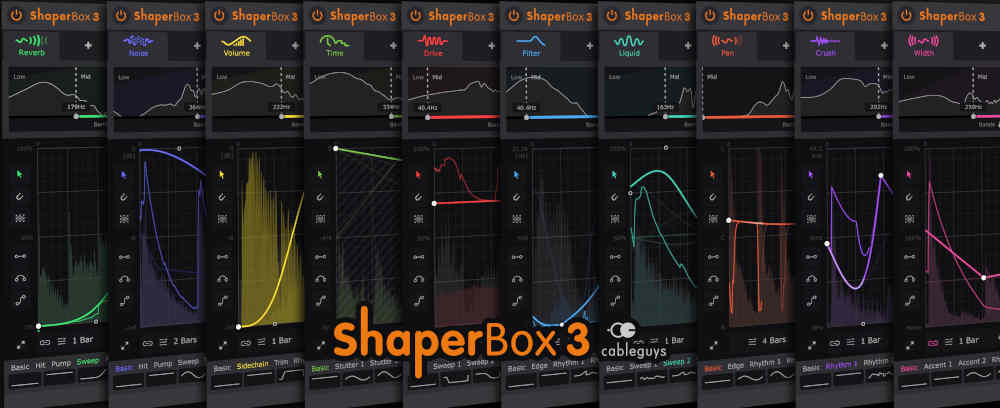
Cableguys ShaperBox has established itself as a premier solution for rhythmic and spatial animation. Built around an expansive modular architecture featuring eleven distinct Shapers, the plugin allows producers to transform audio signals using LFOs, envelope followers, and multi-band processing. The VolumeShaper module handles essential duties like sidechain ducking and gating, while TimeShaper introduces glitchy, stuttered effects. Additional modules such as DriveShaper, NoiseShaper, and FilterShaper Core provide extensive sound design capabilities ranging from analog-style saturation to rhythmic filtering and lo-fi textural degradation. By splitting the incoming audio signal into three distinct frequency bands, producers can apply these dynamic effects strictly to the mid and high frequencies while keeping the crucial sub-range clean and uncompromised.
Spatial Dimension and Reverb Innovation
Spatial processing in electronic music extends far beyond the standard room or hall simulations traditionally used in acoustic genres. Producers frequently leverage expansive, atmospheric reverbs and echoes to transform basic synth leads and pads into hypnotic, cinematic soundscapes. Recreating the complex behavior of vintage hardware units within a software environment has opened new creative avenues for DAW-based artists.
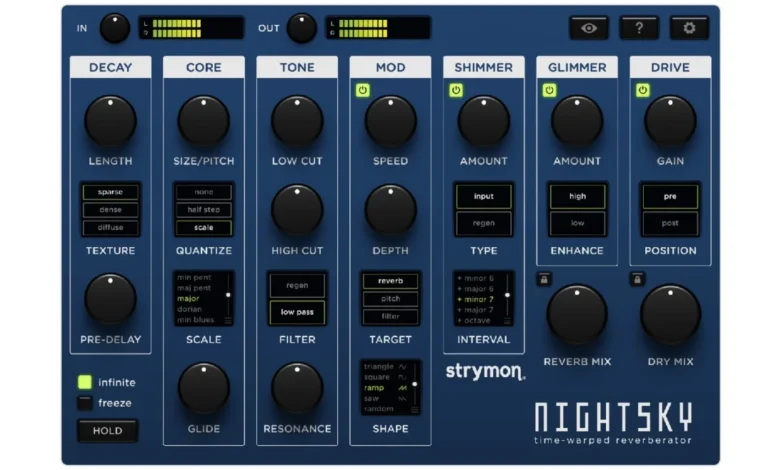
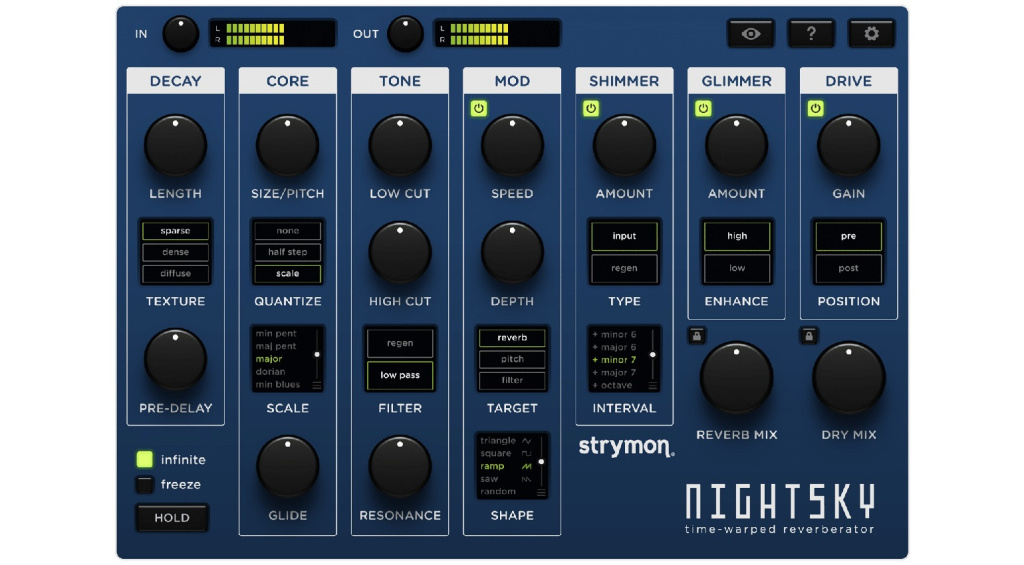
The Strymon NightSky plugin serves as a prime example of high-end hardware translation, bringing the sophisticated algorithms of the physical effects pedal directly into the digital workspace. NightSky offers three distinct texture modes—sparse, dense, and diffuse—alongside a controllable reverb core whose pitch can be quantized to specific musical scales. To prevent the reverb tail from washing out the mix, users can integrate modulation, shimmer, glimmer, and drive parameters. This combination of controls enables electronic music producers to add sophisticated depth and movement to synthesizer lines with automation capabilities optimized for live performance and studio composition alike.
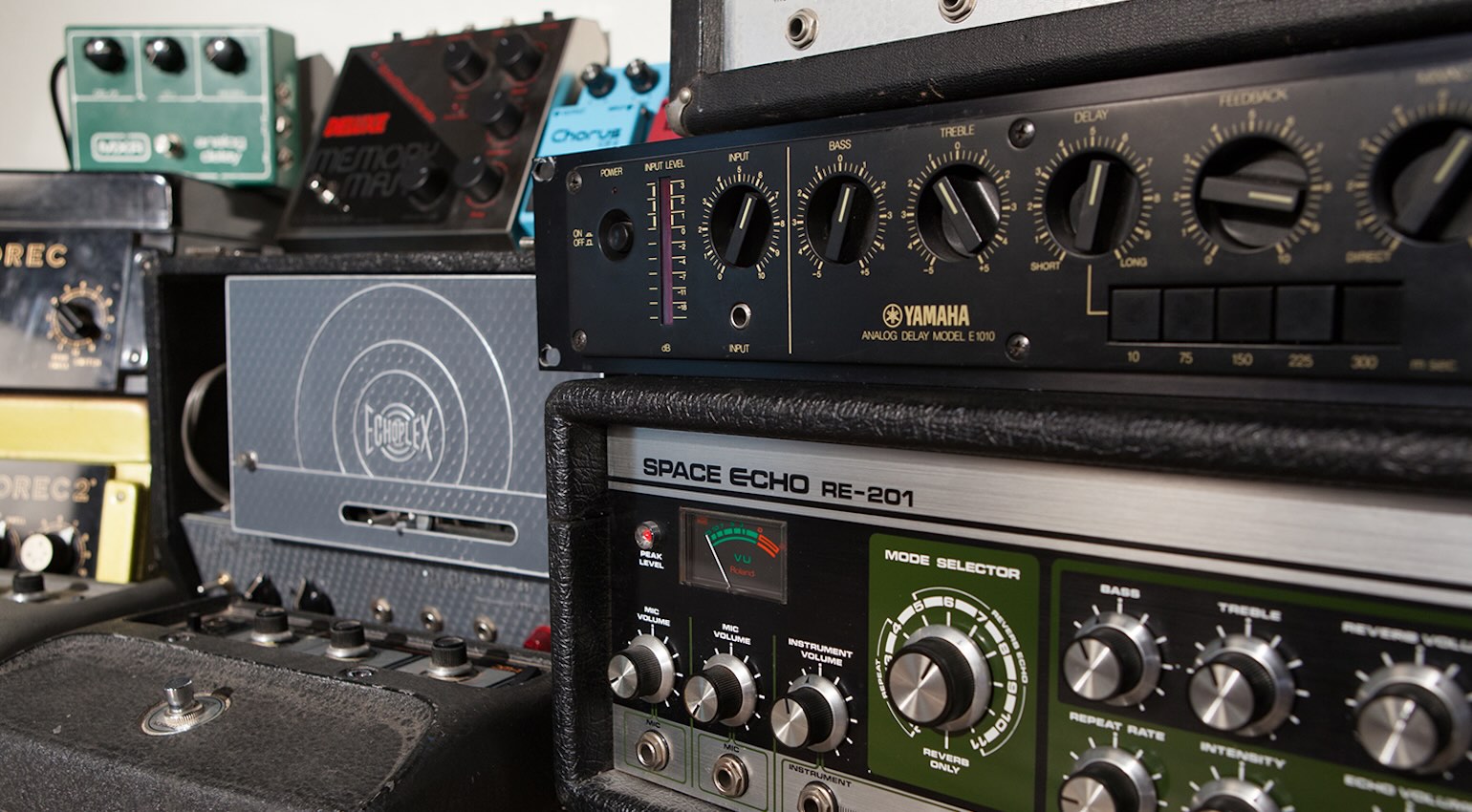
Similarly, Soundtoys EchoBoy remains a staple delay processor for adding analog character and rhythmic complexity to electronic tracks. Featuring over thirty distinct algorithms modeled on legendary vintage hardware—including the Maestro Echoplex, Roland RE-201 Space Echo, and Ampex ATR-102 tape machine—EchoBoy delivers authentic warmth and tape-style degradation. Its four primary delay modes, combined with advanced groove controls and a versatile 3-band EQ, allow producers to weave delays intricately around the master clock or use the processor purely for its rich analog saturation characteristics.
Loudness Maximization and Mastering-Grade Clipping
As tracks move from the mixing stage to final distribution, creators invariably face the industry-wide challenge of achieving competitive commercial loudness. Simply pushing a standard limiter to its absolute limit often results in squashed transients, pumping artifacts, and a loss of perceived clarity. To circumvent these issues, modern electronic music production frequently utilizes precision audio clippers as a transparent alternative or complement to traditional limiting.
Kazrog KClip 3 represents an advanced approach to peak control and loudness maximization, offering mastering-grade clipping algorithms that introduce subtle, pleasing analog saturation rather than harsh digital distortion. By utilizing multiple instances of KClip across individual instrument buses and the master output, producers can shave off transient peaks in a controlled manner, effectively winning the loudness war without sacrificing mix dynamics. The plugin incorporates multiband and mid-side processing modes, alongside comprehensive EBU LUFS loudness metering, enabling artists to prepare their mixes accurately for streaming platforms and club playbacks.

Broader Implications and Industry Trends
The continuous evolution of specialized audio plugins reflects a broader shift in the music production industry toward accessible, high-end sound design tools that were once exclusive to professional recording studios. As computer processing power increases, software developers are able to model complex analog circuits and implement advanced psychoacoustic algorithms with unprecedented accuracy. This technological democratization empowers independent electronic music producers to achieve commercial mixing and mastering standards entirely "in-the-box."
Furthermore, the integration of intelligent modulation sources, such as MIDI tracking and multi-band envelope followers, highlights a growing emphasis on dynamic, living mixes that adapt organically to the arrangement of a track. As electronic music subgenres continue to fragment and evolve, the demand for versatile, multi-functional plugins will undoubtedly remain high, driving further innovation in software audio processing for years to come.