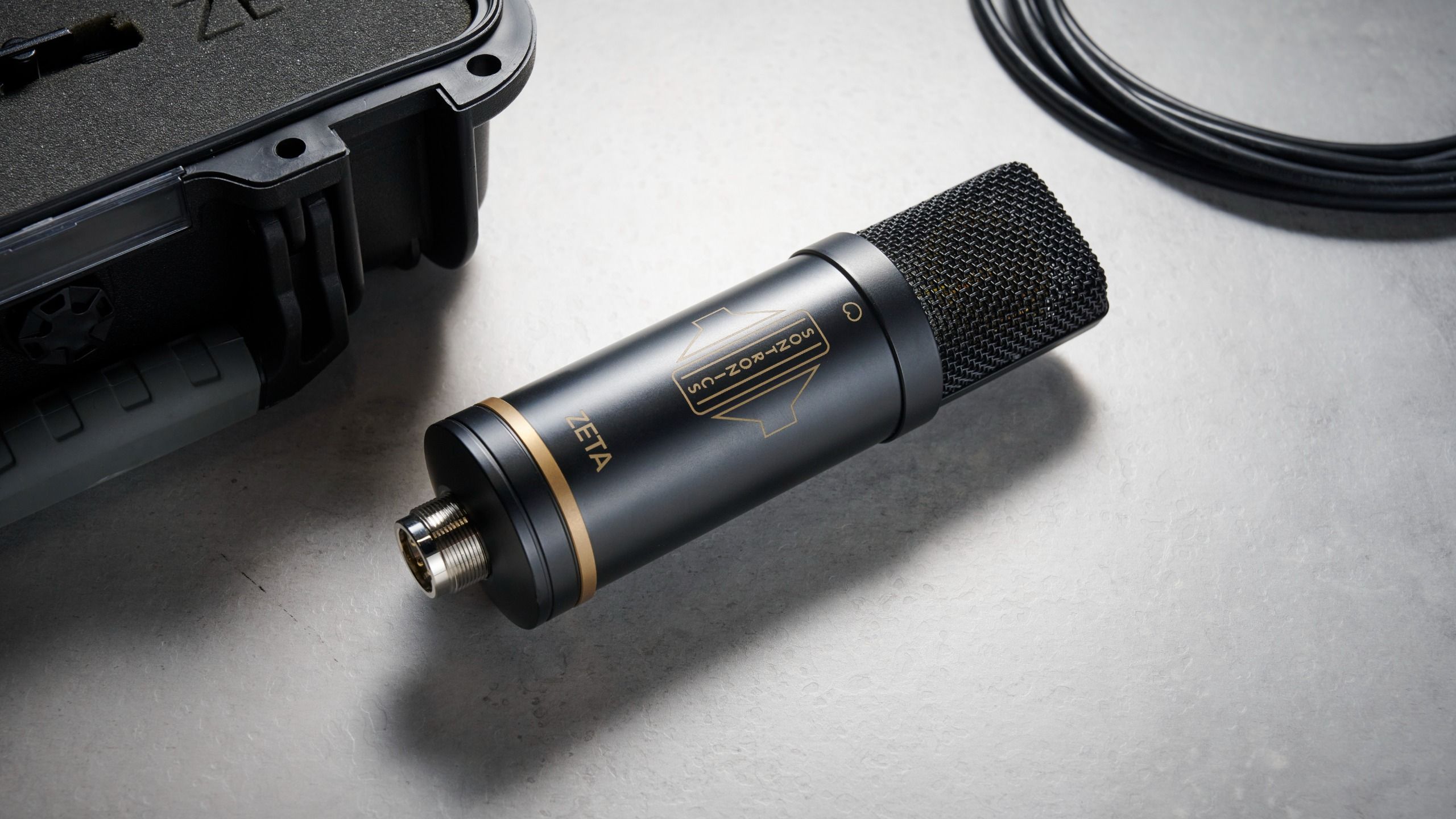
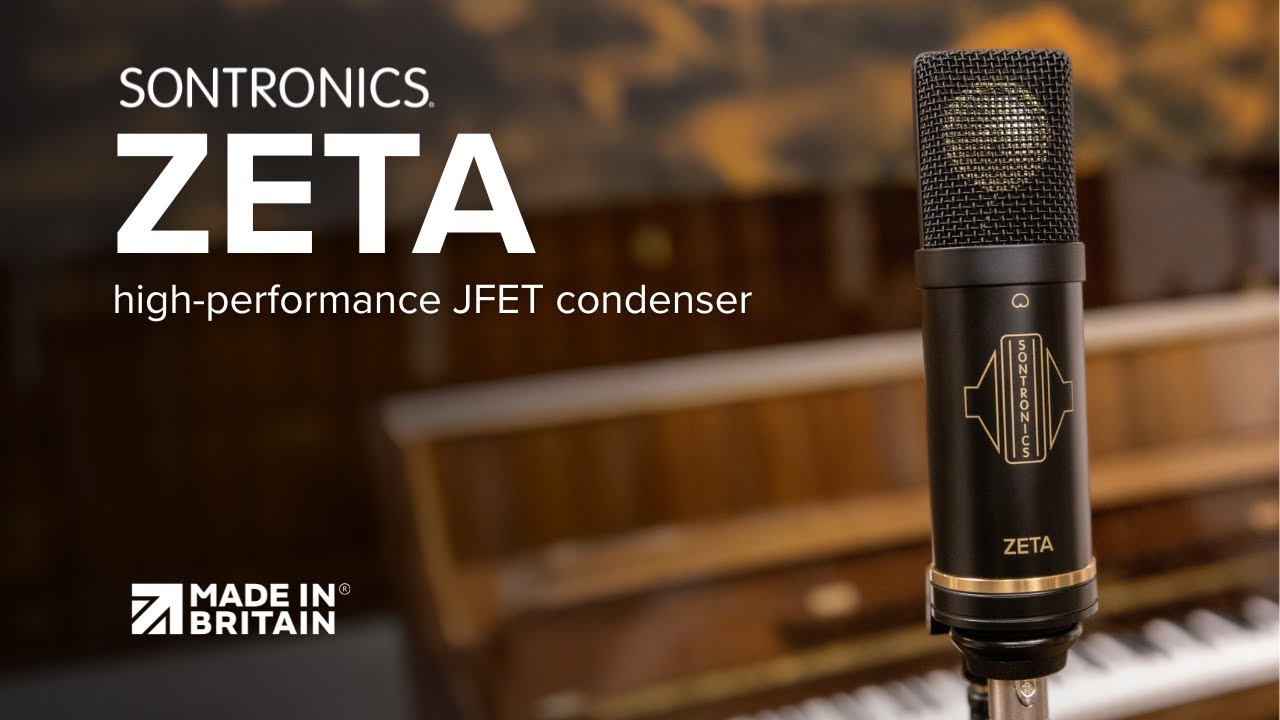
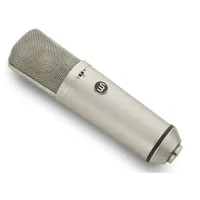
The Sontronics Zeta represents a significant milestone in the evolution of the British microphone manufacturer, marking a strategic shift back toward the high-end professional studio market. While the brand has enjoyed immense mainstream success over the last several years thanks to the ubiquity of the Podcast Pro—a microphone that became a staple for content creators and home streamers—the launch of the Zeta signals a renewed commitment to its roots in professional recording and performance. Engineered and manufactured entirely in the United Kingdom, the Zeta is a premium large-diaphragm condenser microphone that balances classic design architecture with contemporary sonic precision, positioning itself as a versatile, long-term investment for engineers and producers alike.
The Evolution of Sontronics
To understand the significance of the Zeta, one must consider the trajectory of Sontronics within the competitive landscape of audio technology. Founded in 2004, the company initially gained traction by offering high-quality, boutique-style microphones at accessible price points. However, the rise of the digital creator economy necessitated a pivot. The release of the Podcast Pro, with its distinctive silhouette and array of vibrant colorways, introduced the Sontronics brand to a global audience far beyond the traditional studio environment.
Despite this commercial triumph, the company’s new ownership has clearly identified a need to bolster the "pro-audio" arm of the catalog. The development of the Zeta follows a period of corporate transition where the primary objective was to reclaim the brand’s reputation for crafting high-fidelity instruments for the recording studio. By moving the manufacturing process back to the UK, Sontronics is not merely appealing to national pride; it is exerting tighter control over quality assurance and component sourcing, ensuring that the Zeta meets the rigorous demands of professional acoustic environments.
Design Philosophy and Technical Architecture
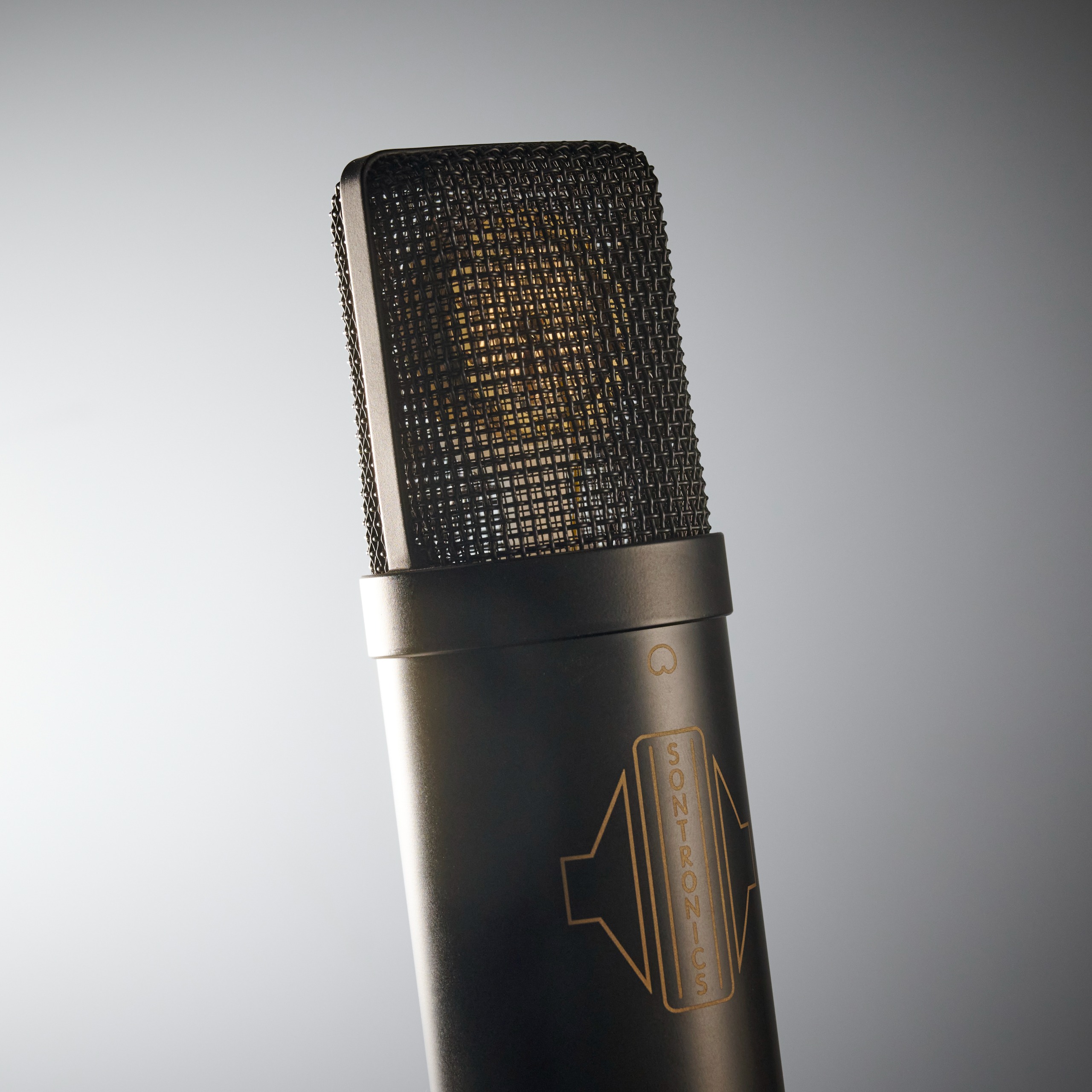
At the core of the Zeta’s design is a commitment to a "classic" topology. The microphone utilizes a large, single-diaphragm capsule paired with JFET circuitry and a Lundahl transformer output stage. This specific configuration is not a coincidence. For decades, the combination of Field Effect Transistor (FET) electronics and transformer-coupled outputs has been the gold standard for studio workhorses. By opting for this design, Sontronics is drawing from a lineage of legendary microphones, most notably the AKG C414 B-ULS and the industry-standard Neumann U87.
The technical specifications of the Zeta underscore its intent to serve as a high-performance tool. It boasts a remarkably low equivalent noise floor of 9dB (A-weighted), a figure that places it among the most capable modern condensers for capturing delicate sources. The output level is a robust 33mV/Pa, providing a healthy signal that minimizes the need for extreme preamp gain. Weighing in at a substantial 680g, the microphone feels inherently durable, reflecting the build quality expected of a premium, UK-manufactured product.
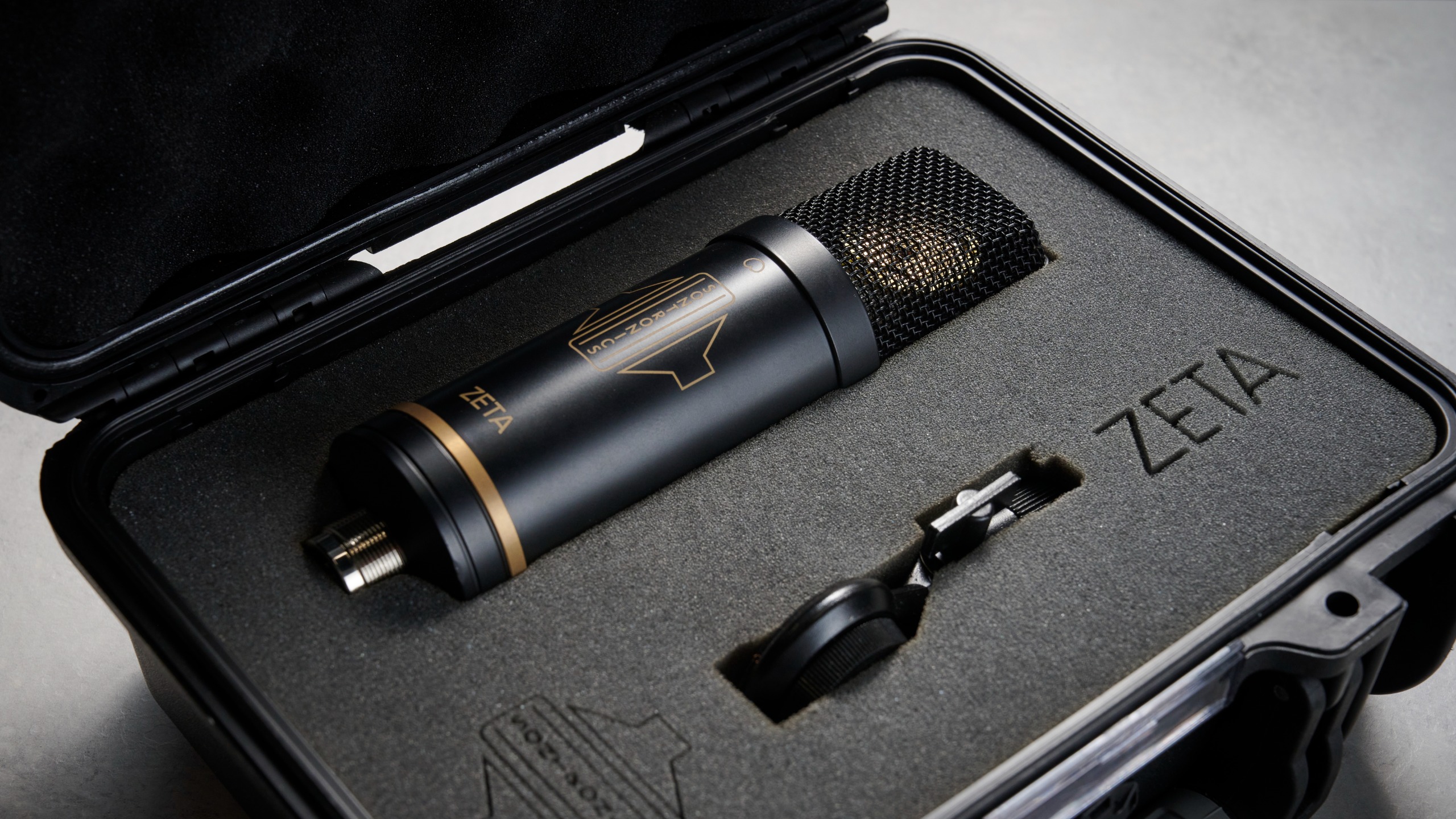
However, the design is intentionally utilitarian. Unlike some modern microphones that are packed with on-body switches for high-pass filters, polar pattern selection, or attenuation pads, the Zeta is fixed. It operates exclusively in a cardioid polar pattern. While some users might view the lack of onboard switches as a limitation, it is a design choice that reflects a "purity of signal" philosophy. By stripping away complex switching matrices, Sontronics has focused the internal circuitry on transparency and headroom, leaving the sonic shaping to the engineer’s outboard gear or software plugins.
Performance in Professional Contexts
In practical application, the Zeta exhibits a unique sonic signature that differentiates it from the "hyped" frequency responses often found in entry-level condensers. Frequency analysis shows a gentle high-frequency boost that begins to peak around 7kHz, which adds a sense of "air" and presence without becoming sibilant. Conversely, there is a smooth, musical roll-off in the low-frequency spectrum starting at approximately 500Hz. This design prevents the "mud" or "boxiness" that often plagues recordings when a microphone is placed in close proximity to an acoustic source.
For vocalists, the Zeta offers a balanced, professional sound that is remarkably forgiving. It does not impose a harsh, artificial brightness, making it an excellent candidate for both male and female voiceover work and singing applications. The microphone’s sensitivity to plosives necessitates the use of a high-quality pop shield, particularly for close-miking techniques, but this is a standard requirement for any large-diaphragm condenser of this caliber.
When utilized for acoustic instrumentation, such as classical guitar or stringed ensembles, the Zeta’s low-noise floor and controlled proximity effect come to the fore. The lack of excessive low-end build-up allows for closer placement to the instrument, capturing the nuance of the strings while maintaining a clear, defined image. In a drum kit recording scenario, the Zeta performs well as an overhead or room microphone, provided the engineer is not seeking to aggressively color the transients of the cymbals. With a maximum SPL (Sound Pressure Level) rating of 125dB, it also holds its own in front of guitar amplifiers and other moderate-volume sources, demonstrating its versatility across a wide range of studio tasks.
The Market Context and Competitive Landscape
The launch of the Zeta arrives at a time when the pro-audio market is highly polarized. On one end, there is a deluge of low-cost, mass-produced microphones flooding the entry-level space. On the other, the premium segment continues to be dominated by heritage brands charging high prices for legacy designs. Sontronics is positioning the Zeta in the "prosumer to professional" sweet spot. By pricing it at roughly £949 ($1,219), the company is positioning the mic as an investment piece that is accessible to independent studio owners but robust enough for commercial facilities.
When compared to alternatives like the Telefunken TF17 FET or the Warm Audio WA87 R2, the Zeta stands out for its specific focus on "clean" performance rather than direct emulation. While some manufacturers attempt to clone the sound of a vintage Neumann or AKG, Sontronics has aimed for a modern, refined sound that sits comfortably in a contemporary mix. The inclusion of an ABS flight case in the package is a practical touch that emphasizes its intended use as a professional tool that may need to be transported between locations.

Broader Implications for the Industry
The success of the Zeta could have wider implications for the future of British audio manufacturing. In an era where supply chains are increasingly volatile, the ability to design and manufacture premium, high-tech components within the UK is a competitive advantage. It allows for a tighter feedback loop between the engineers and the end-users, potentially shortening the cycle for product updates and refinements.
Furthermore, the Zeta’s arrival is a testament to the fact that there is still a significant market for "workhorse" hardware. While digital modeling and software emulation have made massive strides, the physics of a large-diaphragm condenser and the natural saturation of a transformer output remain difficult to replicate with 100% fidelity. By sticking to the fundamentals of analog design while updating the components for a modern noise floor, Sontronics has created a product that is likely to retain its value and utility for decades.
Conclusion: A New Standard
The Sontronics Zeta is an understated yet powerful addition to the company’s portfolio. It successfully bridges the gap between the brand’s recent commercial popularity and its heritage in professional audio. By prioritizing build quality, low noise, and a balanced frequency response, Sontronics has delivered a microphone that is capable of handling almost any studio task with grace.
While the absence of variable polar patterns or pad switches might deter those looking for a "Swiss Army knife" microphone, the Zeta is aimed at a different audience: the engineer who understands the value of a high-quality, fixed-cardioid instrument. With its UK-based manufacturing and its reliance on proven, classic electronics, the Zeta is poised to become a staple in professional and high-end home studios alike. It is a clear statement of intent from Sontronics, proving that the brand is ready to compete at the highest levels of the global microphone market. As the industry continues to evolve, tools like the Zeta—which favor precision and reliability over gimmicks—are likely to remain the most essential assets in any recording chain.