Opera’s Dark Mirror: Examining the Ethical and Artistic Stakes of Du Yun’s Angel’s Bone

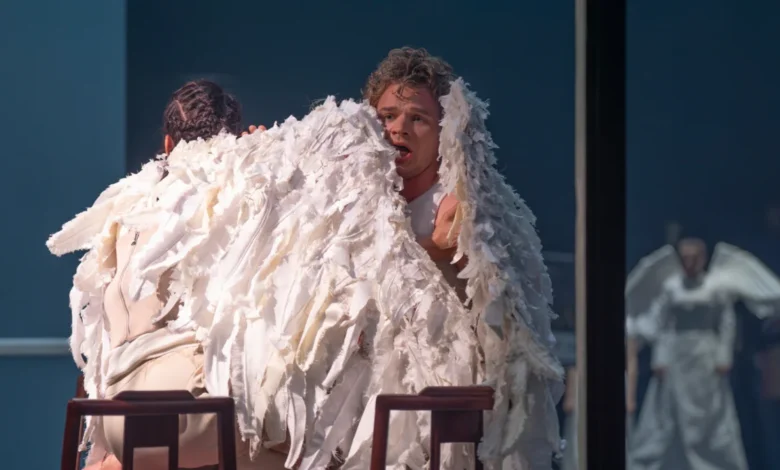
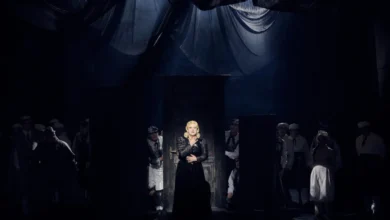
The English National Opera’s recent production of Du Yun’s Pulitzer Prize-winning opera "Angel’s Bone" at the Aviva Studios in London has reignited critical debates surrounding the portrayal of trauma and exploitation in contemporary performance art. As patrons arrived for the May 2026 premiere, they were met with a comprehensive content warning detailing a litany of harrowing themes, including human trafficking, sexual violence, and self-harm. This stark precursor to the performance reflects a growing trend in modern opera to address the societal implications of human rights abuses, yet it also invites a rigorous analysis of the responsibility artists hold when depicting the most visceral aspects of the human experience.
The Genesis and Evolution of Angel’s Bone
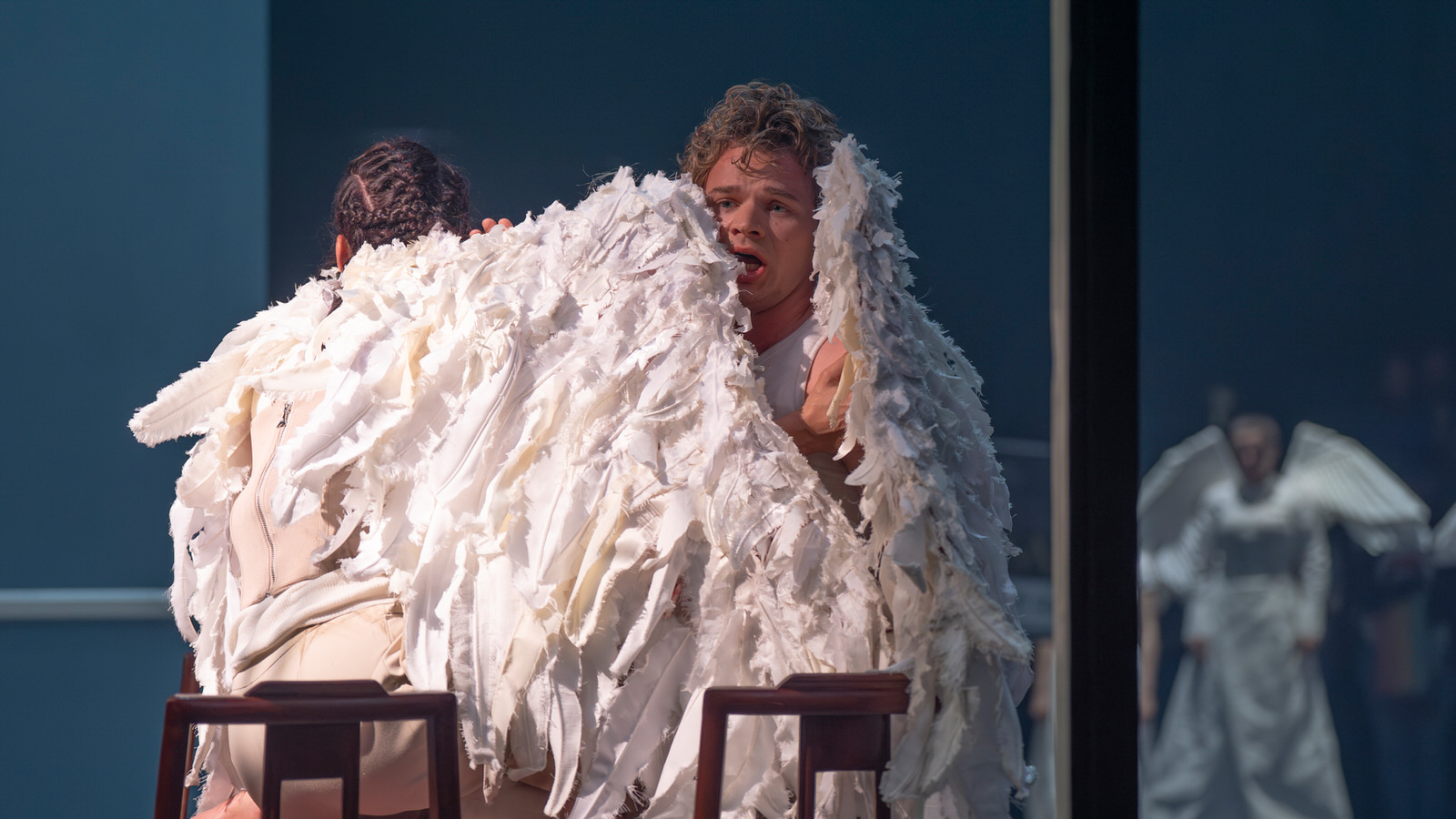
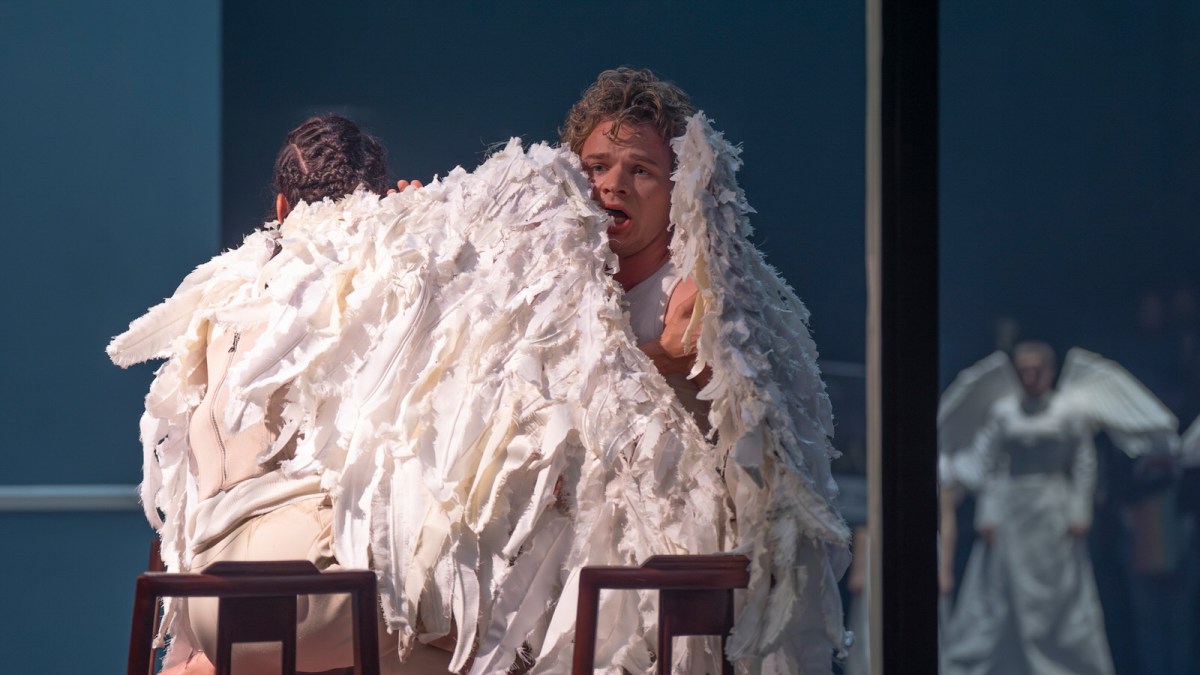
"Angel’s Bone," with music by the Chinese-American composer Du Yun and a libretto by Royce Vavrek, first garnered international acclaim when it premiered in 2016 at the Prototype Festival in New York City. The narrative follows two fallen angels who descend to earth, only to be discovered and subsequently enslaved by a suburban couple. The couple, struggling with financial desperation, exploits the angels’ divine status to turn a profit, trapping them in a cycle of domestic servitude and sexual abuse.
The opera is a genre-defying work that blends chamber music, electronic soundscapes, and rock elements to heighten the sense of unease. Since its debut, the production has traveled through various international venues, but its arrival in London under the auspices of the English National Opera marks a significant moment for the company, signaling a commitment to avant-garde works that challenge the traditional operatic canon. The move to the Aviva Studios—an industrial, expansive space—provides a fittingly claustrophobic yet exposed environment for the story’s themes of public exploitation and private suffering.
Chronology of Reception and Evolution
The trajectory of "Angel’s Bone" reflects a decade-long evolution in how audiences and critics consume "trauma-informed" art.
- 2016: The world premiere in New York serves as a shock to the system, winning the Pulitzer Prize for Music. Critics praise the raw, unfiltered look at human trafficking, though some express discomfort with the stylized nature of the violence.
- 2018–2022: The work enters the repertory of various contemporary opera companies. Its staging becomes increasingly sophisticated, utilizing multimedia projections to underscore the theme of surveillance and the commodification of the body.
- May 2026: The London premiere at Aviva Studios marks a high-water mark for the production. The scale of the production is larger, and the discourse surrounding the ethics of the staging is more pronounced than ever before, reflecting the current cultural climate where "trigger warnings" and "duty of care" are central to the discourse in the performing arts.
Data and Context: The Global Crisis of Human Trafficking
The opera is not merely a piece of artistic expression; it is a direct engagement with the realities of modern slavery. According to data provided by the International Labour Organization (ILO) and the Walk Free Foundation, an estimated 50 million people were living in modern slavery as of the mid-2020s. This includes forced labor and forced marriage, both of which are central to the thematic anatomy of "Angel’s Bone."
By choosing to ground the ethereal concept of "fallen angels" in the grimy reality of human trafficking, Du Yun and Vavrek force the audience to confront the invisibility of modern victims. The "bone" in the title serves as a metaphor for the structural support of the global economy, which often relies on the exploitation of vulnerable populations. In the context of 2026, where the migration crisis and labor exploitation remain at the forefront of international policy, the opera acts as an uncomfortable mirror to systemic failures.
Artistic Intent vs. Audience Experience
The inclusion of extensive content warnings—ranging from "sexual aggression" to "depiction of a firearm"—is a strategic decision by the English National Opera. Historically, opera has frequently dealt with death, violence, and sexual assault (as seen in works like "Tosca" or "Salome"). However, the explicit nature of the warning for "Angel’s Bone" suggests a shift in institutional transparency.
Critics and audience members have noted that these warnings serve two functions: they protect vulnerable audience members from potential retraumatization, and they manage the expectations of a modern audience that is increasingly wary of gratuitous suffering. From a production standpoint, the challenge lies in balancing the need for authentic representation with the danger of sensationalizing the victim’s plight. Du Yun has previously stated in interviews that her goal is to "make the audience feel the weight of the silence" that surrounds victims of trafficking, rather than to merely shock them into compliance.
Official Responses and Creative Justification
Representatives from the production team and the English National Opera have emphasized that the violence depicted on stage is designed to be a catalyst for empathy rather than a source of entertainment. In internal discussions surrounding the production’s development, directors have argued that by making the violence "unwatchable," the opera forces the spectator to engage with the moral failing of the perpetrators.
"The intention is never to exploit the victim for a second time," a spokesperson for the production noted during the opening week. "The intention is to render the act of exploitation so repulsive that the audience cannot look away from the reality of the crisis outside the theater walls."
Broader Implications and Future Trajectory
The success and controversy surrounding "Angel’s Bone" highlight a shift in how major arts institutions curate their seasons. There is a growing demand for "theatre of conscience," where artistic merit is measured not just by musical complexity or vocal performance, but by the work’s ability to facilitate social dialogue.

However, this trend is not without its detractors. Some purists argue that the infusion of heavy political and social themes, particularly those involving graphic trauma, risks alienating the traditional operatic audience and turning the art form into a vehicle for political activism. Conversely, proponents argue that if opera is to remain relevant in the 21st century, it must grapple with the same complexities as cinema and literature.
The implications for future productions are significant. We are likely to see a continued integration of "content transparency" as a standard component of marketing and audience relations. Furthermore, the success of "Angel’s Bone" suggests that there is a hunger for works that do not provide easy answers or comfortable resolutions.
As the curtains close on the London run, the legacy of "Angel’s Bone" remains tethered to its ability to disturb. It is a work that succeeds by failing to offer the traditional catharsis associated with the operatic form. Instead, it leaves the audience with a persistent, uncomfortable awareness—the sensation of having witnessed a truth that is, in the real world, far more pervasive and far less contained than anything that can be captured on a stage. The debate over whether such art is "necessary" will undoubtedly continue, but the necessity of the conversation itself is no longer in dispute.