Navigating the Labyrinth of Music Royalties: A Comprehensive Analysis of the Mogul Platform and the State of Independent Artist Revenue Recovery

The modern music industry presents independent artists with a paradoxical reality: while digital distribution has democratized the ability to release music globally, the underlying financial infrastructure remains remarkably complex, fragmented, and prone to leakage. For decades, artists, songwriters, and managers have wrestled with a convoluted web of performing rights organizations (PROs), mechanical collection societies, digital service providers (DSPs), and neighboring rights organizations. Despite meticulous registrations across platforms such as The Mechanical Licensing Collective (MLC), SoundExchange, ASCAP, and BMI, a significant portion of earned revenue frequently falls through the cracks. Industry veterans note that even well-managed catalogs with millions of streams routinely harbor uncollected or misallocated royalties, highlighting systemic inefficiencies within global copyright administration. Against this backdrop, the emergence of automated royalty auditing and collection platforms represents a notable shift in how independent creators manage their intellectual property assets. Among these emerging solutions, the royalty collection platform Mogul—founded by industry veteran Jeff Ponchick—has drawn significant attention from artists and artist managers seeking to streamline financial recovery.
Background Context and the Evolution of Royalty Administration
To understand the current friction in music monetization, one must examine the historical architecture of music publishing and sound recording rights. Historically, revenue streams are bifurcated into publishing (composition) and master (sound recording) rights. Each category involves multiple stakeholders, territories, and collection societies. In the United States alone, mechanical royalties are processed by the MLC, public performance royalties are distributed by PROs like ASCAP, BMI, and SESAC, and digital performance royalties for non-interactive streaming are handled by SoundExchange. Internationally, these responsibilities multiply across dozens of collective management organizations (CMOs).
For independent creators operating without a major label or a dedicated business management firm, keeping pace with these disparate databases is a formidable challenge. Errors in metadata, mismatched International Standard Recording Codes (ISRCs), unlinked International Standard Musical Work Codes (ISWC), and delayed cue-sheet filings frequently result in unclaimed funds. These unallocated royalties often end up in "black box" pools, which are subsequently distributed to major rightsholders according to market share rather than actual consumption.
The launch of digital distribution aggregators over the past fifteen years lowered the barrier to entry, enabling millions of tracks to flood streaming services. However, this proliferation exacerbated the administrative burden. Compounding the issue is the recent influx of generative artificial intelligence tracks, automated spam, and heavily manipulated streaming data, which strain the compliance and accounting infrastructure of digital distributors and collection societies alike. Consequently, independent artists often find that commercial success—measured in millions of streams—does not automatically translate into a streamlined, error-free accounting of their earnings.
Platform Mechanics and Audit Capabilities of Mogul
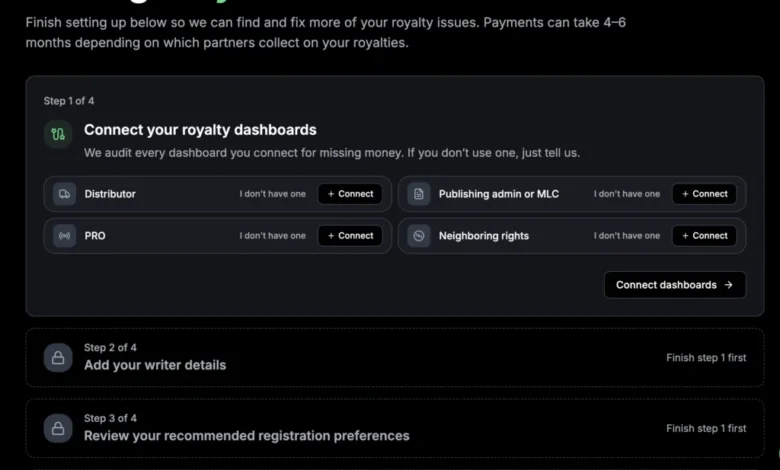
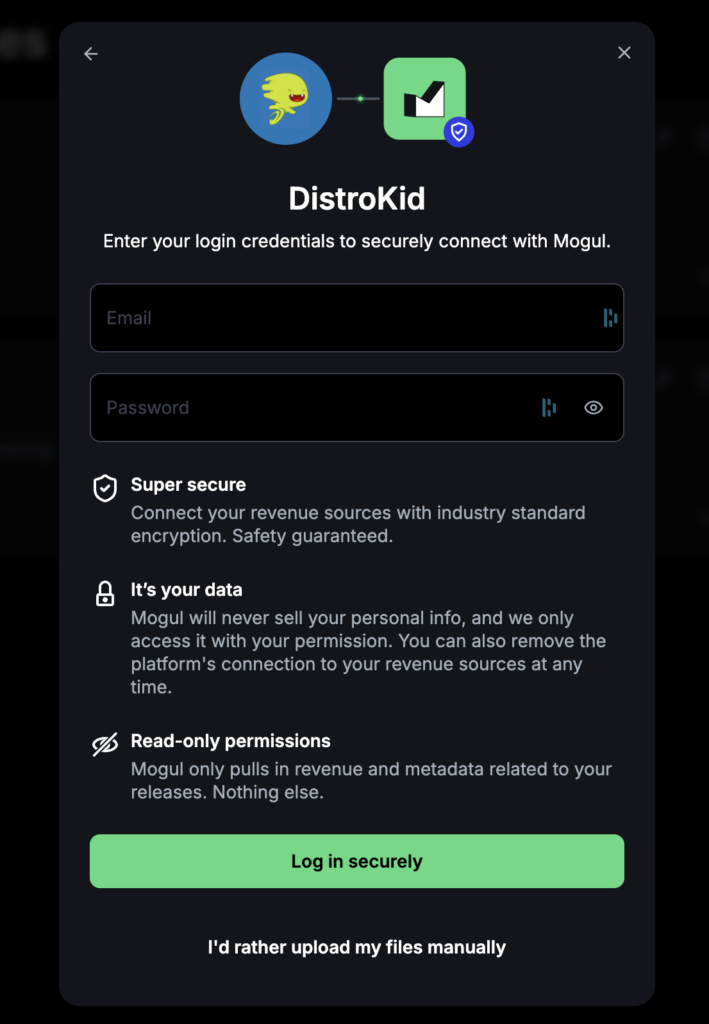
Developed by Jeff Ponchick, who previously founded Repost Network prior to its acquisition by SoundCloud, Mogul was designed to address these systemic administrative gaps by functioning as a centralized auditing and collection layer. The platform operates on a direct-integration model. Users onboard by connecting their existing artist profiles, digital distributors, PRO accounts, and publishing administrators. Once integrated, Mogul’s proprietary software scans the catalog against various global databases to identify discrepancies, uncollected balances, and registration gaps.
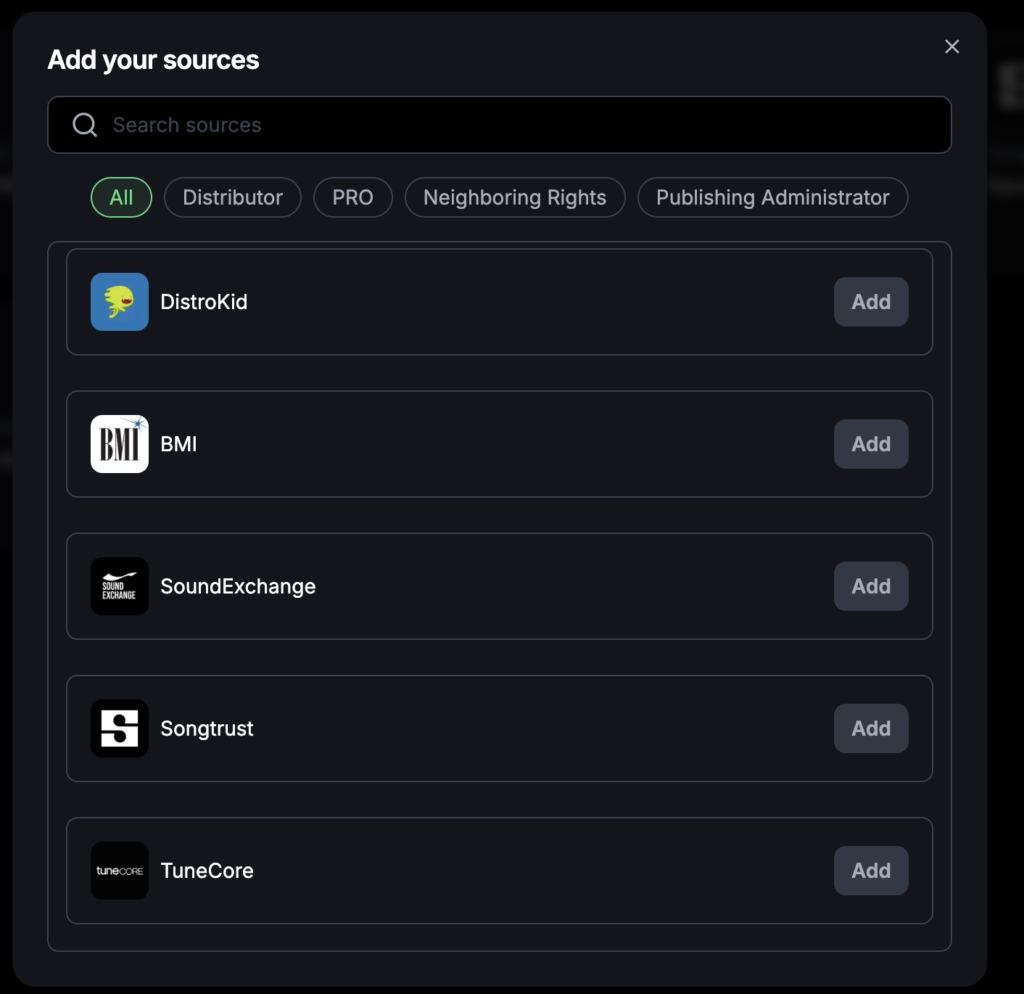
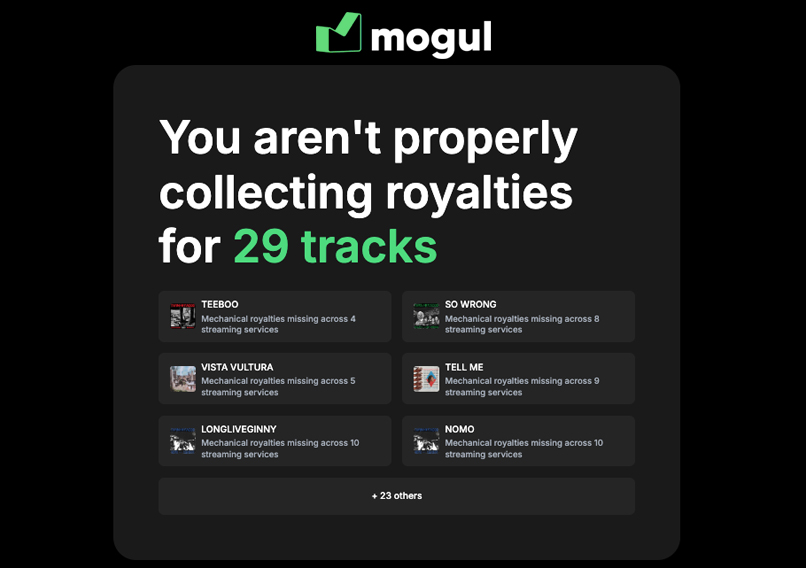
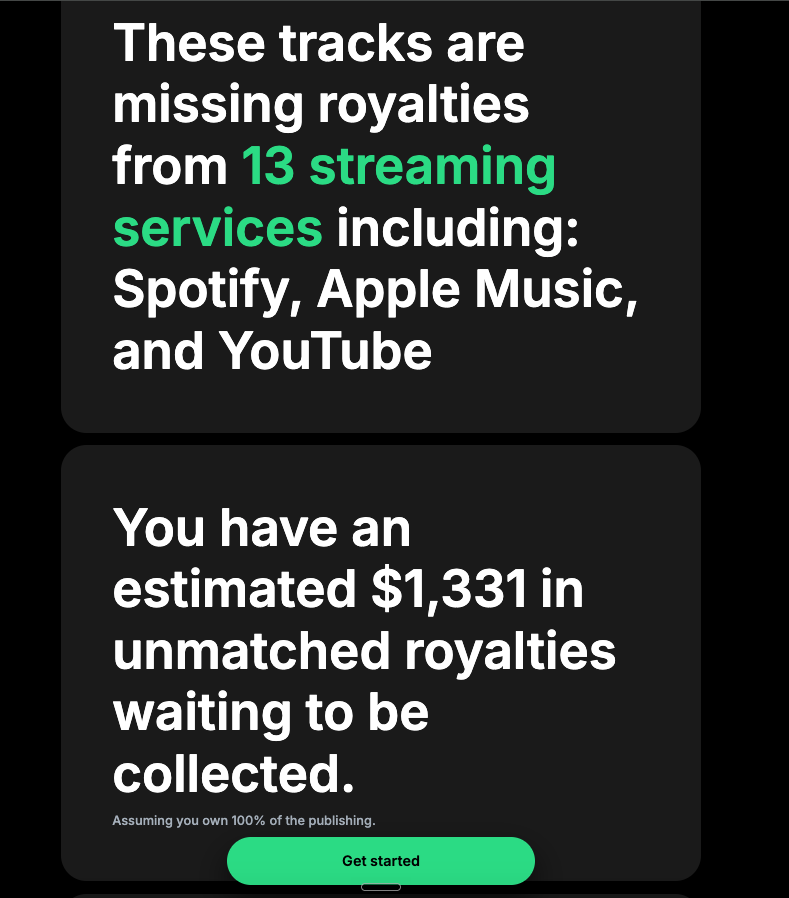
A core feature of the platform is its automated catalog audit tool, which operates on a freemium model. Artists can run a preliminary scan of their catalog without upfront costs to estimate potential missing revenue across disparate collection sources. For accounts exhibiting discrepancies, the platform incorporates direct integration features—colloquially termed "fix" buttons—that interface directly with partner labels, distributors, PROs, and CMOs. This integration allows the platform to sync data and update registrations directly within the dashboard, minimizing the need for manual outreach across multiple portals. For institutions or catalogs lacking direct digital integrations, manual data upload pathways remain available to ensure comprehensive coverage.
Publishing Administration and Global Collection Frameworks
In addition to auditing, Mogul offers a publishing administration tier designed to act on behalf of songwriters and independent publishers. Operating on a 0% commission model for publishing collection, the service partners with established institutional collectors to secure global revenue. In North America, the platform interfaces directly with organizations such as ASCAP, BMI, SESAC, the MLC, HFA, CMRRA, and SOCAN. For international territories, Mogul utilizes Mint Digital Services to handle global multi-territorial licensing and collection.
Unlike traditional publishing administrators that typically retain a 10% to 25% commission of gross collections, this zero-commission structure alters the traditional economic relationship between creator and administrator. According to platform disclosures, sub-partners like Mint retain a minor administrative percentage (reported as under 10% for specific collections), but the primary platform does not levy an additional commission fee. This pricing strategy positions the service as an alternative to traditional administration deals, particularly for mid-level independent songwriters seeking to retain full ownership and revenue share of their composition income.
Digital Distribution Infrastructure and Market Limitations
Mogul also provides a digital distribution service capable of delivering sound recordings to major digital service providers, including Spotify and Apple Music. Operating on a zero-commission model, the distribution pipeline is powered by Audiosalad. However, industry analysts and early adopters have noted significant limitations within this distribution wing when compared to established competitors like DistroKid, TuneCore, Symphonic, or CD Baby.
Notably, Mogul Distribution currently lacks several industry-standard features required by professional release strategies. These omissions include automated split payments for collaborators and session musicians, lyrics distribution integration, Spotify Discovery Mode tools, and TikTok sound timestamp synchronization. Furthermore, the platform offers a free distribution tier that delivers music exclusively to Spotify and Apple Music at zero cost and zero commission.
Industry observers express skepticism regarding the long-term viability of free distribution models. Historical precedent demonstrates that zero-fee tiers inevitably attract high volumes of fraudulent uploads, automated spam, and generative AI content. Managing this influx requires substantial investments in content moderation, fraud detection, and customer support infrastructure. Without monetization from distribution commissions or higher subscription fees, maintaining the necessary compliance apparatus presents a significant operational hurdle for newer entrants in the distribution sector.

Pricing Tiers, Concierge Services, and Enterprise Scalability
Mogul structures its pricing around tiered subscription models tailored to varying catalog sizes and administrative needs. The standard tier is priced at $18 per month (or $150 annually) per artist, unlocking the full suite of auditing, recovery, and administrative tools.
For larger catalogs, estate holders, or established independent acts requiring intensive oversight, the platform offers a Concierge tier priced at $200 per month (or $1,500 annually). This tier is designed to function as an outsourced business management service, providing advanced royalty recovery, catalog valuation, and deal analysis for artists navigating potential catalog acquisitions or major label negotiations. By comparison, traditional music business managers typically charge upward of $1,000 per month or retain a 5% commission on gross revenue, making the concierge tier a cost-effective intermediate step for developing catalogs that require remediation before a major financial transaction.
Despite these offerings, industry analysts have identified a structural gap for artist managers and independent management firms. Currently, the platform lacks a consolidated manager tier that would allow a single firm to oversee multiple disparate artist accounts under a unified subscription fee. At the standard $18 monthly per-artist rate, managers representing a roster of diverse artists—ranging from developing acts earning minimal royalties to established clients with substantial catalogs—may find the per-artist overhead difficult to justify or absorb into standard commission structures, particularly for emerging talent whose revenues do not yet cover administrative expenses.

Catalog Valuation and Strategic Implications
A notable component of Mogul’s enterprise service offering is its catalog valuation tool. As the market for music intellectual property maturation continues to attract private equity, institutional investment funds, and corporate buyers, accurate valuation has become critical for rightsholders. The platform’s valuation service analyzes historical streaming data, revenue velocity, and demographic engagement to establish baseline financial valuations. This data assists creators and their legal representatives during catalog sale negotiations, advance structuring, and distribution contract renewals.
Broader Industry Impact and Future Outlook
The introduction of automated, cross-platform auditing tools like Mogul addresses a persistent structural inefficiency in the modern music economy. For decades, the fragmentation of copyright databases has penalized independent creators who lack the legal and accounting resources of major record labels and publishing conglomerates. By aggregating disparate data streams into a single interface and automating the identification of uncollected revenue, platforms of this type democratize access to financial recovery tools.
At the same time, the platform’s evolution reflects the ongoing growing pains of music tech startups. Rapid user interface modifications, evolving feature parity within distribution pipelines, and the operational challenges of managing global royalty flows highlight the complexity of the sector. Whether Mogul can successfully transition from a specialized recovery and administration tool into a comprehensive, all-in-one platform for independent artists and managers will depend on its ability to expand its distribution feature set, scale its infrastructure against digital fraud, and refine its pricing models for multi-artist management teams.
As the music industry continues to digitize, the ability of creators to audit, verify, and collect every dollar generated by their intellectual property will remain paramount. Platforms that successfully bridge the gap between complex global collection societies and individual artist dashboards are poised to play a permanent role in shaping the financial sustainability of the independent music community.