In the rapidly evolving landscape of the modern music industry, the traditional path of signing to a major record label as the sole gateway to success has been thoroughly dismantled. Today, independent artists possess unprecedented control over their masters, distribution channels, and direct-to-consumer revenue streams. However, navigating this decentralized ecosystem requires a sophisticated blend of business acumen, legal awareness, data analytics, and psychological resilience. Shedding light on these critical components, artist manager, business manager, and 1990 Records co-founder Toni Nelson recently appeared on the New Music Business podcast, hosted by Ari Herstand, to provide a masterclass in building a sustainable, long-term independent music career from the ground up.
Nelson brings a uniquely multifaceted professional background to the music sector, having previously worked in retail fashion and clinical mental health. By fusing behavioral science principles with rigorous music industry operations, she has carved out a specialized niche in sustainable artist development. Alongside her work at 1990 Records, Nelson focuses heavily on data analytics and safeguarding intellectual property, helping independent acts—such as R&B/soul singer-songwriter Adrian Daniel—forge monetizable careers while retaining full ownership of their creative output.
The comprehensive discussion between Herstand and Nelson touched upon every vital stage of an artist’s journey, offering actionable insights into community building, intellectual property protection, release strategies, tour readiness, and the paramount importance of mental health in the creative industries.
The Shift Toward Independence and Sustainable Development
For decades, the standard trajectory for emerging musicians involved chasing major label attention, often signing away lucrative percentages of future earnings and, critically, their master recordings in exchange for upfront capital and radio promotion. While major labels still hold significant sway in global marketing and playlisting, the digital age has democratized production and distribution. Platforms like Spotify, Apple Music, and Bandcamp allow creators to distribute music globally without a middleman, while social media networks offer direct lines of communication to fans.
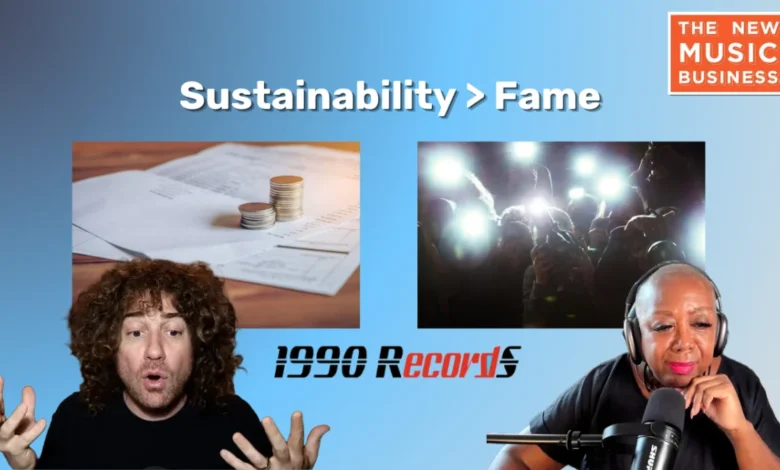
Despite these advantages, independence brings its own set of trials. Without the financial cushion and institutional infrastructure of a major label, independent artists must function as entrepreneurs. Nelson’s approach emphasizes that career longevity is not built on viral moments or overnight success, but on deliberate, methodical foundation-building. By treating music as a legitimate business enterprise from day one, artists can avoid costly legal pitfalls and maximize their revenue potential.
Protecting Intellectual Property and Navigating Studio Agreements
One of the most critical segments of the podcast conversation centered on the legal frameworks governing music creation. Too often, emerging artists enter recording studios, collaborate with producers, and write songs without formal agreements in place, leading to catastrophic disputes over royalties and ownership down the line.
Nelson strongly advocates for the meticulous use of split sheets during every writing session. A split sheet is a straightforward document signed by all songwriters and producers present in the studio, outlining the exact percentage of ownership each contributor holds in the musical composition (publishing) and the sound recording (masters). Establishing these percentages immediately prevents ambiguity and ensures that when revenue begins to flow from streaming, sync licensing, or radio play, all parties are compensated accurately.
Furthermore, artists must understand the legal distinctions between producer-for-hire agreements, royalty-bearing producer contracts, and writer splits. Producers who contribute original melodies or lyrics are co-writers entitled to publishing splits, whereas those who simply provide a beat on a flat-fee "work-for-hire" basis may surrender ongoing publishing claims in exchange for upfront payment. Nelson underscores that educating oneself on these legal nuances is non-negotiable for anyone serious about protecting their intellectual property.
Cultivating Creative Communities and Monetizing Audiences
Building a sustainable career requires more than just releasing great music; it requires cultivating a dedicated community. Nelson notes that true community building goes beyond accumulating passive social media followers. It involves fostering deep, engaged connections where fans feel emotionally invested in the artist’s journey.
Once a core community is established, the challenge shifts to monetization. Independent artists frequently rely solely on streaming royalties—which notoriously yield fractions of a cent per stream—to sustain their livelihoods. Nelson and Herstand explored diverse monetization strategies that enable artists to thrive financially on much smaller, highly dedicated fanbases. These strategies include direct-to-fan merchandise sales, Patreon subscriptions, exclusive behind-the-scenes content, physical vinyl and CD sales, and ticketed virtual or live performances. By diversifying income streams, artists insulate themselves against fluctuations in streaming revenue or algorithmic changes on social media platforms.
Data Analytics and Strategic Releases
In the modern music business, intuition must be paired with empirical data. Gone are the days of guessing which city an artist should tour in or which song should be pushed as a single. Nelson emphasizes the vital role of music analytics in shaping release strategies.
By analyzing data from Spotify for Artists, Apple Music for Artists, and social media insights, management teams can identify exactly where their audience is concentrated geographically, what demographic groups are listening, and which tracks are generating the highest engagement retention. This data-driven approach allows independent artists to run targeted advertising campaigns, plan hyper-local tour routes where ticket sales are statistically likely to succeed, and time their single releases for maximum impact. Rather than dropping a full-length album blindly, Nelson encourages strategic rollout plans that keep listeners engaged over extended periods through a continuous stream of singles, remixes, and content drops.
Staying Independent Versus Signing Label Licensing Deals
As independent artists gain traction, the question inevitably arises: Should they remain entirely independent, or should they partner with a traditional or independent label?
Nelson addresses this crossroads by analyzing the mechanics of label licensing deals versus traditional record contracts. In a licensing deal, the artist typically retains ownership of their master recordings while leasing the rights to a label for a specific territory and time period in exchange for marketing support, distribution muscle, and financial investment. This structure offers a middle ground for artists who want institutional backing without permanently relinquishing their intellectual property. However, Nelson stresses that artists should only consider these deals once they have built sufficient leverage, allowing them to negotiate favorable terms from a position of strength rather than desperation.
Tour Readiness: When is an Emerging Artist Ready to Hit the Road?
Touring is traditionally viewed as a rite of passage for musicians, yet in the current economic climate—marked by rising transportation costs, venue expenses, and inflation—touring can result in severe financial loss for unprepared acts.
Nelson outlines the key performance indicators that signal whether an emerging artist is genuinely ready to tour. Rather than hitting the road immediately in the hopes of building a following from scratch, artists should look for hard data indicating localized demand. If streaming analytics show a high concentration of monthly listeners in a specific city, or if social media engagement from a particular region is exceptionally robust, the likelihood of selling out local venues increases dramatically. Tour readiness is defined not by artistic readiness alone, but by economic viability and proven audience appetite.
Case Study: Developing Adrian Daniel’s Career
To illustrate these principles in practice, the podcast discussion examined a real-world case study: the career development of independent R&B and soul artist Adrian Daniel. Under Nelson’s guidance, Daniel has steadily built a dedicated global audience, released critically acclaimed music, and maintained strict ownership over his catalog.
The collaboration serves as a blueprint for modern artist development, demonstrating how patience, strategic branding, legal diligence, and consistent engagement can yield a resilient, independent career. By focusing on organic growth and refusing to take short-cuts that compromise long-term ownership, Daniel and Nelson have established a framework that other independent acts can emulate.
Mental Health and the Psychological Reality of the Music Industry
Perhaps the most grounding aspect of the conversation between Herstand and Nelson was the explicit focus on mental health. Given Nelson’s background in clinical mental health work, she brings a compassionate and deeply informed perspective to the psychological toll that the music industry takes on creatives.
The pressure to constantly produce content, maintain a flawless public persona on social media, manage financial uncertainty, and deal with rejection can lead to severe burnout, anxiety, and depression. Nelson discusses what it truly means to "make it" in music, arguing that external markers of success—such as streaming milestones, chart placements, or critical acclaim—are hollow if the artist’s internal well-being is compromised. Sustainable artist development must therefore encompass mental health preservation, setting healthy boundaries, recognizing the signs of burnout, and prioritizing personal wellness over relentless industry hustle.
Broader Industry Implications and Future Outlook
The insights shared by Toni Nelson on the New Music Business podcast reflect a broader, irreversible shift in the global music economy. As the barriers to entry continue to lower, the definition of success is being rewritten. No longer constrained by the gatekeepers of the past, independent artists are proving that longevity, financial independence, and artistic freedom are entirely attainable goals.
However, this democratization places a heavy burden of responsibility on the creators themselves. Success in the modern era requires artists to evolve into sophisticated business operators, legal advocates, and data analysts—all while maintaining the vulnerable, authentic emotional core necessary to create compelling art. By bridging the gap between clinical behavioral science and rigorous industry operations, professionals like Toni Nelson are providing the essential roadmap for the next generation of independent talent, ensuring that artists can build careers that are not only lucrative, but enduring and mentally sustainable.
Related posts: