Sons Of Cream Emerge From The Shadows Of Their Fathers To Forge A New Musical Identity


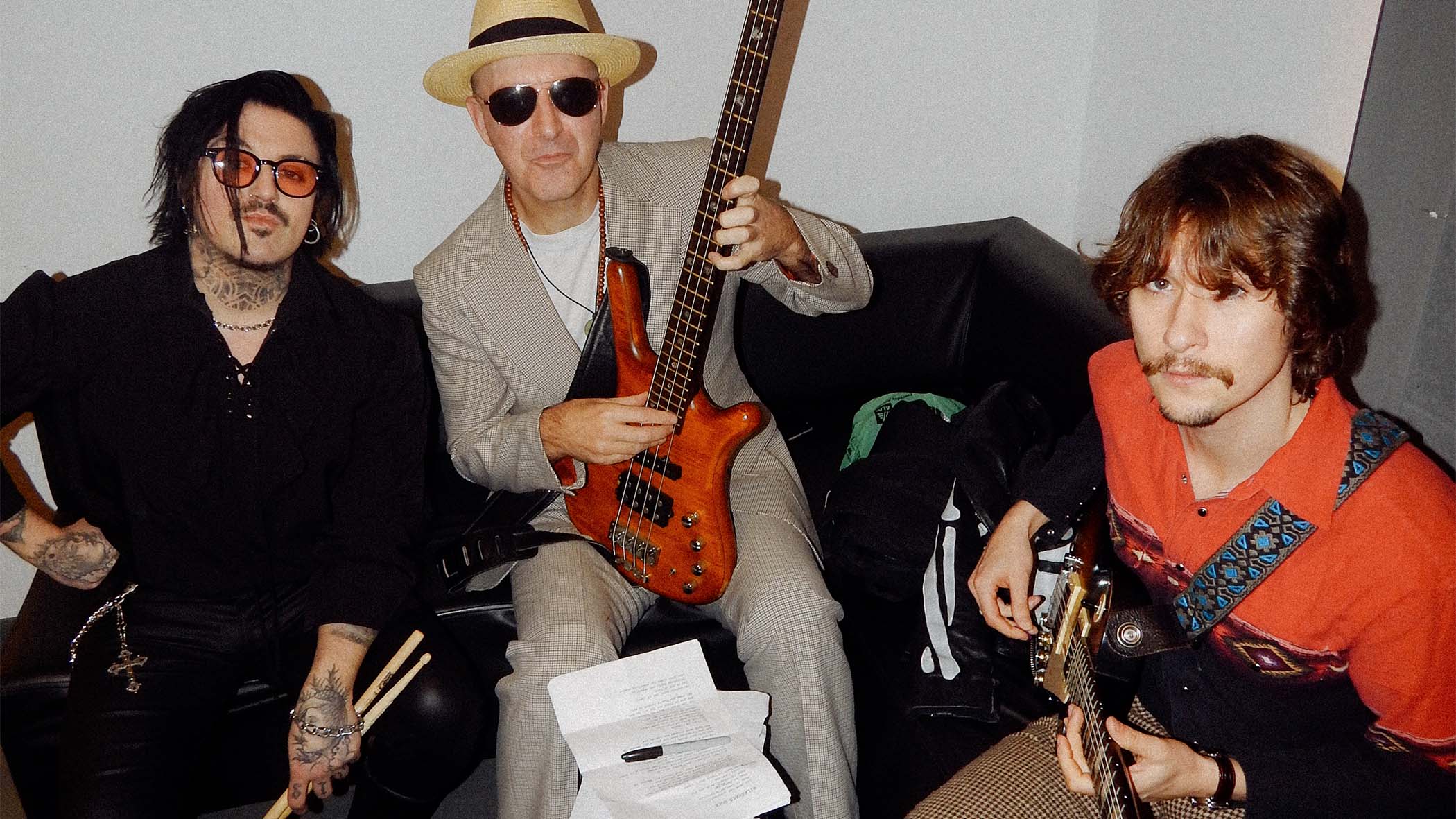
The weight of legacy is a heavy burden for any musician, but for Malcolm Bruce and Kofi Baker, it is a reality that has defined their artistic paths from their earliest years. As the sons of Cream legends Jack Bruce and Ginger Baker, respectively, the duo has navigated a complex journey to establish their own creative voices while honoring the seismic impact of the world’s first "power trio." Their latest project, the studio album Half And Half, recorded at the historic Marshall Studio in Bletchley, serves as a bridge between the storied past of 1960s rock and a modern attempt at self-actualization.

The formation of Sons Of Cream was not born out of a desire to capitalize on nostalgia, but rather from a necessity to address the music that shaped their childhoods. The original Cream—comprising Jack Bruce, Ginger Baker, and Eric Clapton—existed for a mere two-and-a-half years, from 1966 to 1968. Despite this short duration, their influence on the development of hard rock, blues-rock, and psychedelic music remains unparalleled. For the sons of these icons, the challenge was to perform this legacy without becoming a static tribute act, a goal they have pursued by integrating original compositions with reworked classics.
The Ethos of Improvisation and Identity
At the heart of the Sons Of Cream project is a fundamental disagreement with the concept of a tribute band. While Malcolm Bruce acknowledges the skill required to replicate the sound of his father’s work, he emphasizes that the spirit of Cream was always about reinvention. Cream was a group defined by improvisation; no two performances of a song were ever identical. To simply mimic the original recordings would be to ignore the primary lesson passed down by the founding members.

"One of the biggest lessons I learned from my dad is that although there’s tradition, there’s also finding yourself within things," says Malcolm Bruce. "If you look at Cream, every single time they performed a particular song they were reinventing it, and I think that at the heart of that music is improvisation. It’s about discovering who I am, my own voice as an artist. Find your own way to be somebody, not just sound like somebody else."
This philosophy of "becoming" rather than "mimicking" is evident in the lineup of the new band. Joining Bruce and Baker is Rob Johnson, a guitarist whose familial connection to the original group—as Ginger Baker’s great-nephew—adds an additional layer of heritage to the project. This familial trio structure is intentional, mirroring the power-trio format that revolutionized live music in the late 1960s.
A Chronology of Influence: From the 1960s to Today
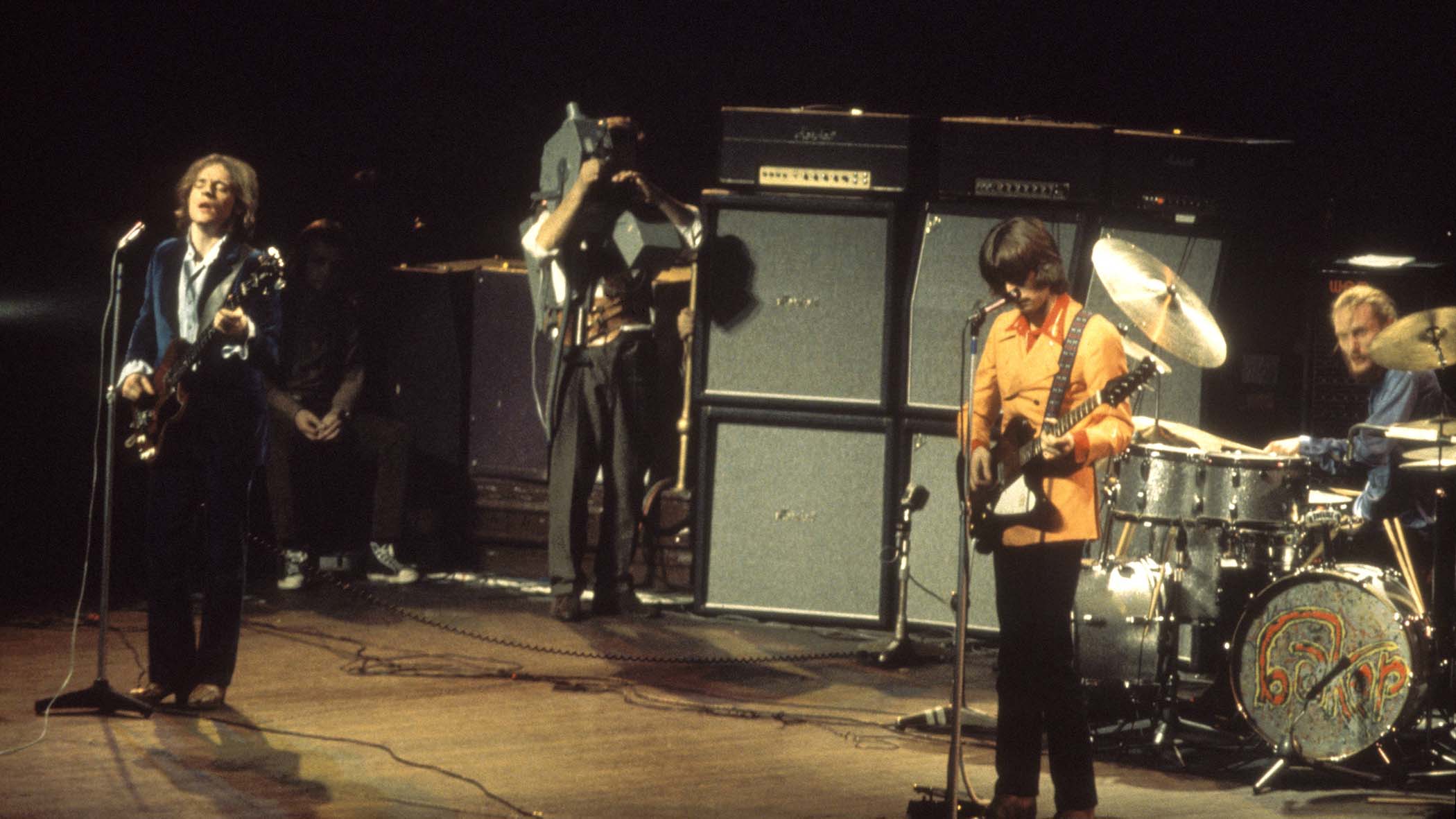
To understand the weight of this endeavor, one must place Cream in its proper historical context. The late 1960s were a period of intense cultural transition. The rise of youth culture, the experimental nature of studio production, and the introduction of high-powered amplification—most notably the Marshall stacks that changed the sound of rock forever—created a perfect storm for Cream’s success.
The band’s farewell concert at the Royal Albert Hall in London, which took place 58 years ago, serves as a poignant bookmark in rock history. The prestige of that venue, combined with the band’s decision to disband at the height of their commercial power, solidified their status as a legendary act. For Malcolm Bruce, who was born after his father had already achieved global stardom, this history is both personal and abstract. He possesses archival Super 16 footage of that final show, captured by his maternal grandfather—a silent, flickering record of a transformative moment in music that he is now tasked with reinterpreting.
Structural Balancing: The Half And Half Approach
The decision to title their new album Half And Half was a deliberate reflection of their mission. The tracklist is split evenly: six original songs and six Cream compositions. This structure allows the band to demonstrate their growth as contemporary songwriters while anchoring their identity in the music that made their fathers household names.
The selection process for the covers was equally strategic. The group deliberately avoided the most ubiquitous tracks, such as "White Room," "Sunshine Of Your Love," and "Crossroads," opting instead for deeper cuts. Notably, the album features "Sweet Wine," a track co-written by Malcolm’s mother. This inclusion adds a personal touch to the production, highlighting the familial web that surrounded the original band’s creative output.
Technical Mastery and the Marshall Connection
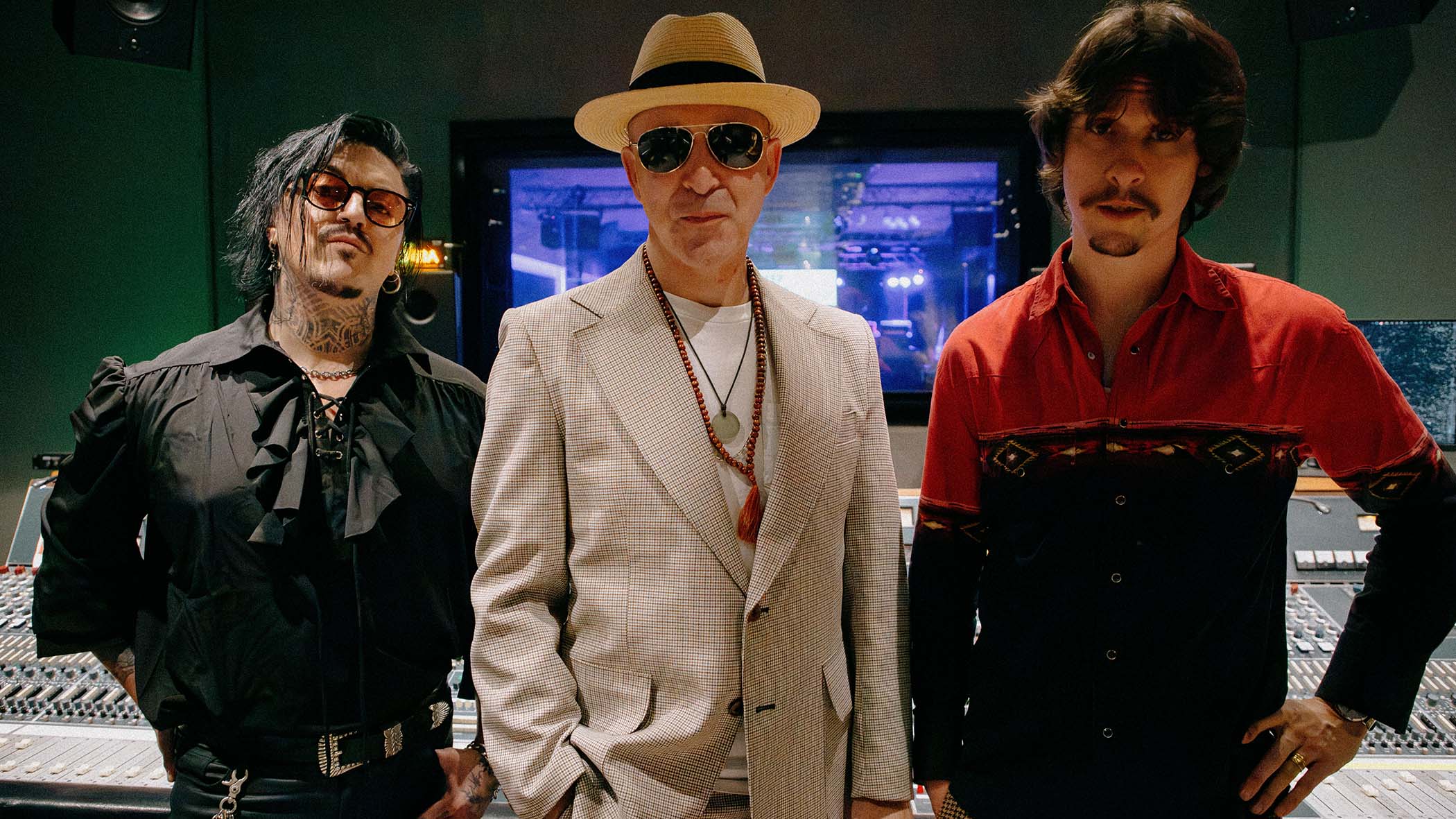
The recording process at Marshall Studio provided the band with the necessary tools to replicate the sonic environment of the late 1960s without relying on digital mimicry. By utilizing hand-wired JTM45 amplifiers and modified Plexi heads, the band sought to capture the high-volume "mojo" that defined the era.
However, the instrumentation shows a clear departure from the historical blueprint. Rob Johnson utilizes a combination of Les Paul and Telecaster guitars, while Malcolm Bruce employs a diverse array of gear, including his 1974 Gibson SG Deluxe, a Framus Mayfield, and a Warwick Jazzman FNR bass. This deliberate variety reflects a broader approach to the music: respecting the tone of the past while utilizing the versatility of modern instruments.
The Psychological Dimension of a Musical Legacy
The act of performing songs composed by one’s father, particularly when those songs are considered foundational to the rock canon, creates a unique psychological pressure. Malcolm Bruce speaks candidly about the surreal nature of his upbringing. Having a father who was a genius of composition and performance, while simultaneously trying to forge an independent career, is a dichotomy he continues to navigate.
"I’m way too traumatized by the whole thing to really have any objectivity about it," Bruce admits with a laugh. "But as far as the music goes, definitely, it’s a bigger thing than any of us. I try not to listen to it too much, because I’m playing it. I don’t want to be inhibited by any of it."

This sentiment is echoed by observations from other industry veterans. Robin Trower, who worked with Jack Bruce in the power trio project BLT, has previously noted that Jack Bruce operated on a "different level" altogether. The challenge for the younger generation is to absorb those influences without being crushed by them. This is not an unprecedented struggle; even the late Gary Moore, who collaborated with Jack Bruce and Ginger Baker in the trio BBM, had to carve out his own space despite being a self-described "superfan" of Eric Clapton.
Broader Implications and Historical Continuity
The project also provides a lens through which to examine the later career of Jack Bruce. His post-Cream years, including his work with Tony Williams’ Lifetime, were defined by a desire to be respected as a "musician’s musician" rather than simply a rock star. He often felt confined by the immense shadow of the two years he spent in Cream, yet he eventually came to terms with that success.

Sons Of Cream’s endeavor is, in many ways, the continuation of that search for artistic legitimacy. By blending their own material with the work of their fathers, they are asserting that their connection to this music is not just genetic, but deeply experiential. They are not merely curators of a museum of sound; they are practitioners of an art form that thrives on the very same "exploration and discovery" that their fathers championed.
Ultimately, the impact of Half And Half lies in its honesty. By choosing not to emulate the past, the group is signaling a desire to move beyond the "tribute" label and into a space of genuine creative output. Whether they can fully escape the gravity of the Cream legacy remains to be seen, but their commitment to the improvisational spirit of their predecessors ensures that the music remains, as Malcolm Bruce suggests, "very much alive." The story of Sons Of Cream is not just about the past; it is a calculated attempt to ensure that the future of their own musical careers is defined by their own choices, not just by the names they inherited.
Related posts: