SMSL Announces the VMV D1R Desktop Digital-to-Analogue Converter with ROHM Silicon and Advanced Connectivity

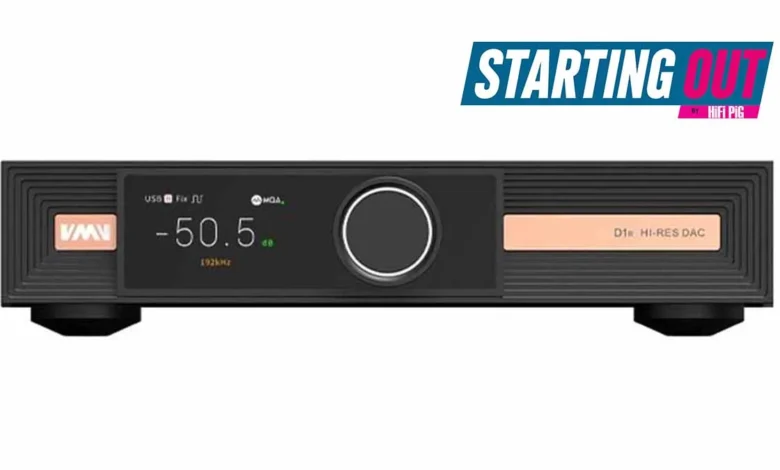
The landscape of high-resolution desktop audio continues to evolve rapidly as manufacturers strive to bridge the gap between studio-grade performance and consumer-accessible form factors. SMSL, a prominent name in the personal audio and hi-fi components market, has officially introduced its latest flagship desktop digital-to-analogue converter (DAC), the VMV D1R. Listed at an accessible retail price point of $699, the new device aims to serve as a high-performance source component for audiophiles looking to elevate existing hi-fi systems centered around traditional external amplifiers or active, powered speakers.
Designed to unify multiple digital sources into a single, cohesive analogue output chain, the VMV D1R accommodates computers, digital audio transports, and mobile smartphones simultaneously. Because the unit functions strictly as a source component without an integrated power amplifier, it is not engineered to drive passive loudspeakers independently. Instead, it places its entire engineering focus on pristine digital-to-analogue conversion, signal processing versatility, and robust connectivity options. As digital audio formats grow increasingly complex and consumer demand for flexible wireless integration rises, components like the VMV D1R represent a critical juncture in modern hi-fi system building.
Core Conversion Architecture and Technical Specifications
At the heart of the SMSL VMV D1R lies a sophisticated conversion stage anchored by the high-grade ROHM BD34302EKV DAC chip. ROHM’s flagship silicon has earned a stellar reputation within the audiophile community for delivering a natural, highly detailed soundstage characterized by low distortion and exceptional musicality. By opting for this specialized chipset rather than more ubiquitous mass-market alternatives, SMSL has positioned the VMV D1R to compete effectively against higher-priced rivals in the competitive desktop audio segment.
Through its wired USB input interface, the DAC supports ultra-high-resolution audio playback, handling Pulse Code Modulation (PCM) files up to 32-bit/768kHz alongside native Direct Stream Digital (DSD) files up to DSD512. This expansive compatibility ensures that users with extensive libraries of studio-master recordings or high-definition streaming subscriptions can fully exploit the native resolution of their audio files without downsampling or conversion bottlenecks.
In addition to traditional wired connections, the unit features integrated Bluetooth connectivity designed to cater to casual listening habits without sacrificing significant fidelity. The onboard Bluetooth receiver supports a comprehensive suite of high-definition wireless codecs, including Sony’s LDAC format, Qualcomm’s aptX HD and standard aptX, as well as AAC and SBC. While the ultimate transmission quality remains dependent on the capabilities of the source device—such as a smartphone or digital audio player—the inclusion of LDAC ensures that wireless playback can approach the transparency of wired connections when paired with compatible hardware.

Design, Usability, and Advanced System Integration
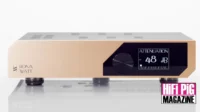
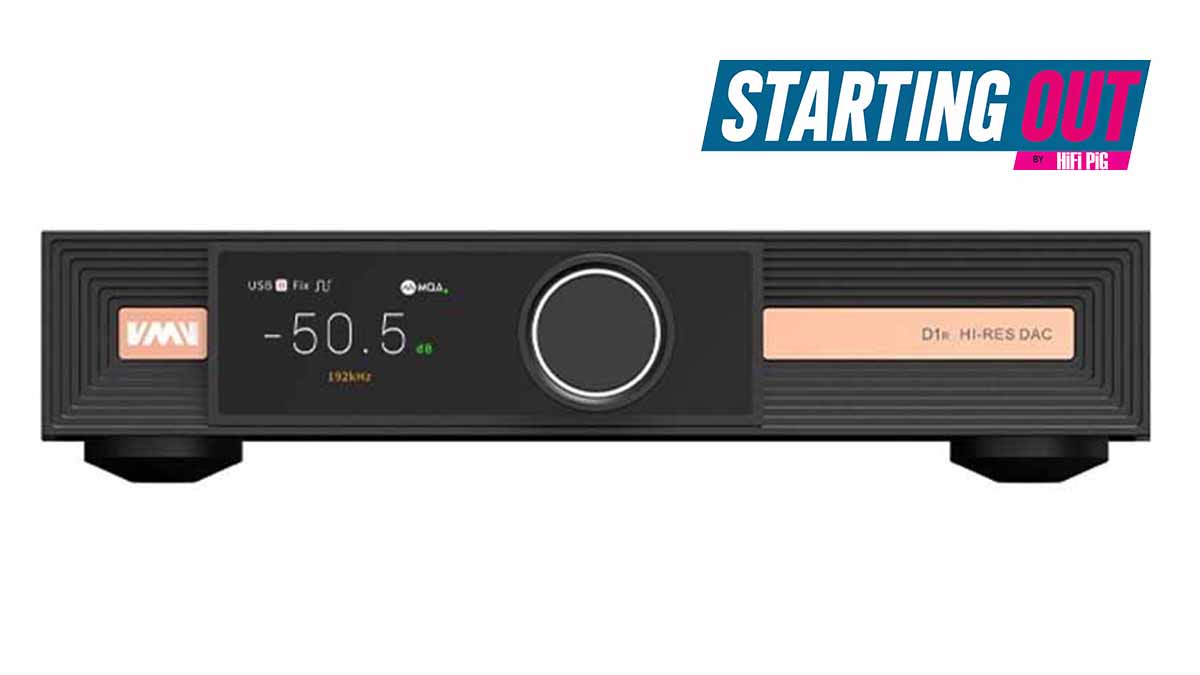
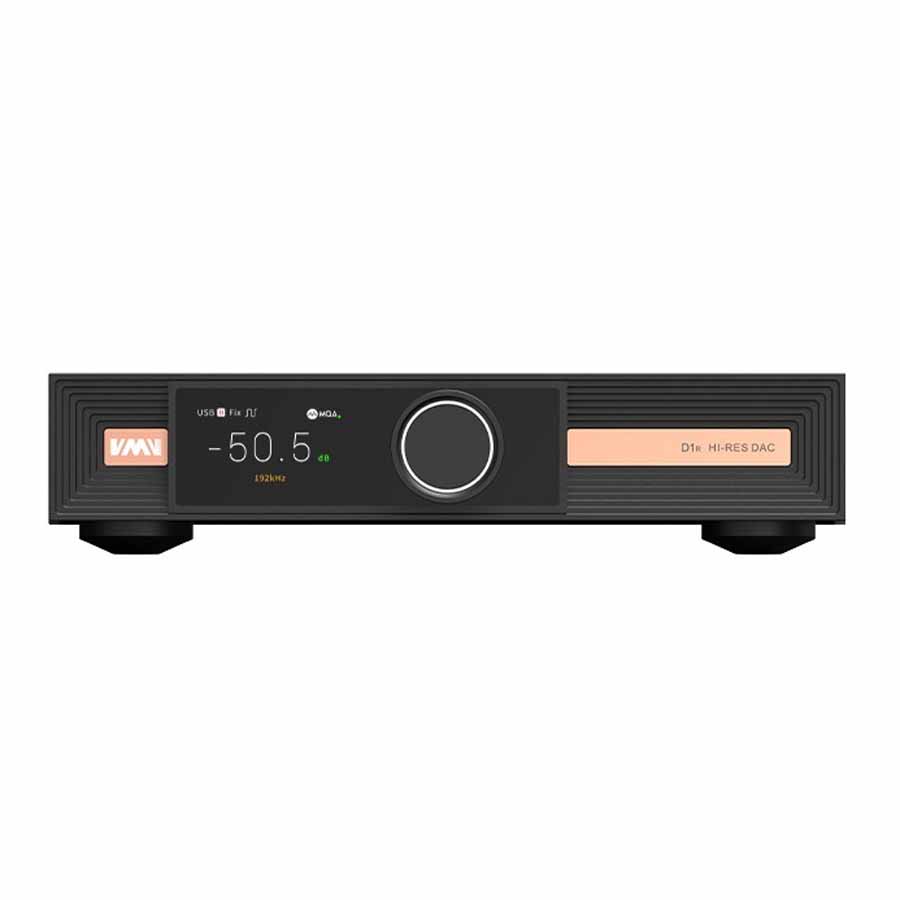
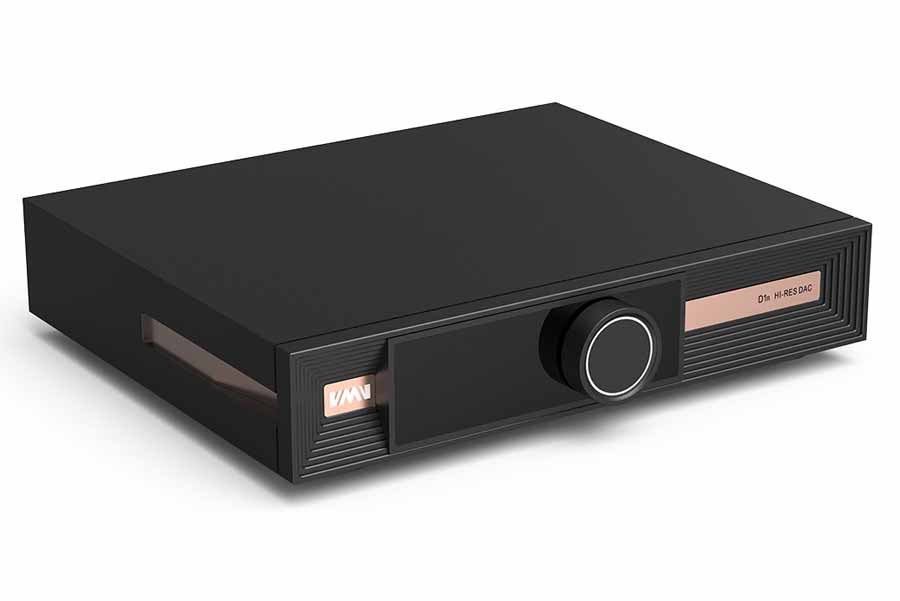
Measuring compactly for a desktop component, the VMV D1R features a clean, industrial aesthetic highlighted by a 1.9-inch front-panel display. This screen provides clear, real-time feedback regarding active inputs, sampling rates, volume levels, and operational settings. Notably, the display can also present metadata such as song titles when streaming audio via Bluetooth, enhancing usability during casual listening sessions.
For more advanced or complex audio setups, SMSL has incorporated a dedicated 10MHz external clock input. This feature allows audiophiles to integrate an ultra-precise external master clock, reducing jitter and phase noise to absolute minimums. However, the manufacturer emphasizes that an external clock is entirely optional; the internal clock mechanism is robust enough to deliver optimal performance out of the box, making the 10MHz input an upgrade path rather than a mandatory requirement.
The rear panel also features an I²S digital audio connection implemented via an HDMI-style physical socket. SMSL has issued a precautionary note regarding this interface, reminding consumers that the physical geometry of an HDMI connector does not imply compatibility with standard television or video equipment. Users must verify pinout and format compatibility with other connected digital transports before establishing an I²S link to prevent equipment malfunction or signal mismatch.
Industry Context and Evolution of the Desktop Hi-Fi Market
The launch of the VMV D1R arrives at a time of significant transformation within the consumer electronics and high-end audio sectors. Over the past decade, the proliferation of high-resolution streaming services such as Qobuz, Tidal, and Apple Music has shifted consumer demand away from physical media toward flexible, computer- and network-based audio sources. Consequently, the standalone DAC has transitioned from a niche studio tool into the cornerstone of modern desktop and living-room audio systems.
SMSL has carved out a distinct market niche by consistently delivering measurements-driven engineering at competitive price points. The VMV D1R exemplifies this philosophy by combining high-end silicon—traditionally reserved for four-figure components—with a $699 price tag. This strategy places pressure on legacy audio brands to modernize their entry-level and mid-tier offerings while providing budget-conscious enthusiasts with access to studio-level resolution.
Industry analysts note that the integration of advanced wireless codecs into dedicated desktop DACs reflects a broader consumer preference for convenience without compromise. By supporting high-bitrate Bluetooth alongside ultra-high-resolution USB and I²S pathways, manufacturers acknowledge that modern listeners frequently alternate between critical, seated listening sessions and casual background streaming from portable devices.
Broader Implications for Audiophiles and System Builders
The introduction of the SMSL VMV D1R has profound implications for how enthusiasts approach assembling or upgrading their audio chains. For owners of active powered monitors or traditional integrated amplifiers lacking modern digital decoding stages, a device like the VMV D1R serves as an economical yet uncompromising upgrade. It centralizes digital traffic from computers, television audio extractors, network streamers, and mobile phones, converting these disparate streams into a unified, high-fidelity analogue signal.
Furthermore, the inclusion of sophisticated features such as external clock support and I²S connectivity demonstrates that SMSL is targeting not just casual desktop listeners, but dedicated hobbyists who enjoy tweaking and optimizing their signal paths over time. As the market continues to absorb components that blur the line between consumer-friendly electronics and uncompromising laboratory-grade engineering, the VMV D1R stands as a clear indicator of where modern high-fidelity audio is heading: toward greater versatility, higher resolution, and broader accessibility.