The Significance of BBC Archival Licensing
The release of this material signifies a shift in the accessibility of public broadcasting archives. Historically, recordings made by the BBC were intended for singular or limited transmission, often relegated to the broadcaster’s internal libraries. The successful negotiation for commercial distribution rights for this material sets a precedent that could potentially open the door for a wider catalog of wartime and post-war jazz recordings, including the storied Ellington and Basie sessions.
The audio quality present on this record is a direct byproduct of the BBC’s technical standards during the mid-1970s. Utilizing advanced stereo recording techniques, the broadcast captures the quintet with a fidelity that rivals contemporary studio albums of the era. This technical clarity allows for a detailed forensic analysis of the instrumentation, providing listeners with a pristine representation of the interplay between the reed section—led by Don Rendell and Barbara Thompson—and the rhythm section of Peter Lemer, Steve Cook, and Laurie Allan.
Chronology of the 1974 Sessions
The material featured on the album is drawn from two distinct dates: January 9, 1974, and June 12, 1974. These sessions were conducted under the auspices of the BBC’s Jazz Club, a program that played a crucial role in documenting the British jazz scene during a period when the commercial record industry was increasingly focused on rock and progressive music.
- January 9, 1974: The quintet records the first half of the material, including the expansive Wensleydale Suite. This session highlights the band’s technical proficiency in navigating complex arrangements and shifting tonal landscapes.
- June 12, 1974: The second session, which provided the remainder of the tracks, saw the group refining their approach to the 5/4 time signatures and blues-based improvisations that characterize the later pieces on the record, such as Penta-gone and Mina Impact.
These dates represent a period of high creative output for Rendell, who had by this time solidified his reputation as one of the most versatile and technically accomplished tenor saxophonists in Europe.
Personnel and Instrumentation Analysis
The quintet’s lineup for these broadcasts was notably front-loaded with multi-instrumentalists, a choice that allowed for a vast palette of textures. Don Rendell (clarinet, flute, alto flute, soprano saxophone, and tenor saxophone) worked in close tandem with Barbara Thompson (flute, soprano saxophone, and tenor saxophone).
The synergy between Rendell and Thompson is a central pillar of the recording. At the time, Thompson was gaining significant critical acclaim for her original compositions and technical command of the saxophone. Her contributions—ranging from the aggressive tenor work on Calcite to the agile soprano lines on Sands of Time—demonstrate a level of musical sophistication that was relatively rare in the period. Rendell’s role as both a soloist and a supportive reed partner creates a balanced environment where the two tenors complement each other rather than competing, a hallmark of Rendell’s collaborative philosophy.
The rhythm section, anchored by Peter Lemer on piano and electric piano, provides the necessary structural support to accommodate the band’s frequent changes in time signature and mood. Lemer’s solo work, particularly on Blues for Adolphe Sax, serves as a bridge between traditional jazz sensibilities and the more contemporary, modal-influenced directions the band was exploring in the mid-70s.
Tracklist and Compositional Themes
The album is structured into two main segments, totaling approximately 52 minutes of music. The composition list reveals an eclectic mix of styles:
- Wensleydale Suite: An ambitious work that showcases the group’s ability to sustain thematic development over a longer duration.
- Blue John: A fast-paced minor blues that serves as an introduction to the quintet’s aggressive, high-energy improvisational style.
- Calcite Cats / Well, Make It Up: Tracks that demonstrate the technical agility of both lead soloists.
- Penta-gone: A standout track characterized by a challenging 5/4 time signature, showcasing the group’s comfort with non-standard rhythmic structures.
- Blues for Adolphe Sax: A piece that highlights the transition between traditional clarinet influences and modern saxophone techniques.
The variety of instruments utilized—from the pastoral flute duets to the biting, hard-edged tenor sax solos—provides an overview of the stylistic range of the British jazz scene in 1974.
Broader Impact on Jazz Preservation
The release of this archive material has broader implications for the jazz community and music historians. By proving that high-quality, commercially viable recordings can be salvaged from broadcast archives, the Spotlite project provides a blueprint for future endeavors. There is a vast repository of recordings held by national broadcasters globally; if the licensing model utilized here can be replicated, it could prevent the loss of significant musical performances that currently sit in state-controlled or private vaults.
Furthermore, this release re-evaluates the legacy of Don Rendell. While he has historically been acknowledged as a titan of the genre, the availability of these specific recordings reaffirms his standing as one of the most consistent and inspired tenor soloists of his generation. His "built-in" sense of jazz phrasing, noted by critics of the time, is clearly audible throughout the Wensleydale Suite.
Industry Perspective and Conclusion
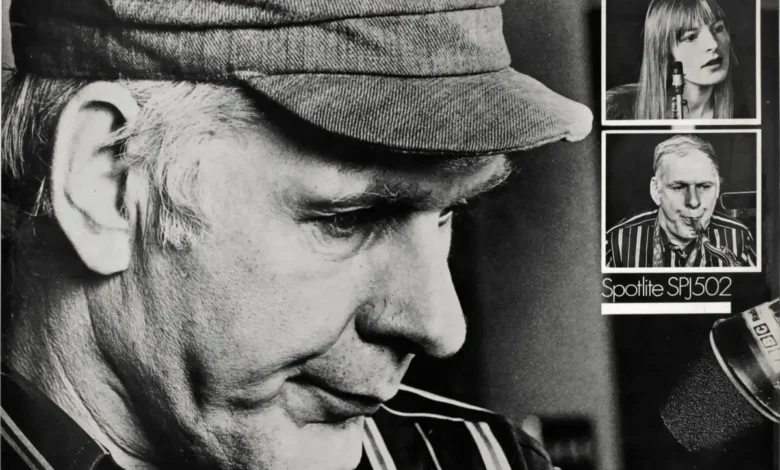
From a production standpoint, the success of this release rests on the careful curation by Tony Williams. By selecting sessions that were never formally recorded in a studio environment, Williams has ensured that the release is not merely a compilation of existing works, but a necessary addition to the jazz canon.
The financial investment required to license such material, priced at £3.25 for the original release, was indicative of the boutique nature of jazz labels in the mid-70s. However, the qualitative value of the recording—the combination of the BBC’s technical infrastructure and the band’s superlative performance—positions Just Music as a benchmark for archival jazz releases. As the jazz community continues to look back at the mid-20th century, the importance of such high-fidelity, officially sanctioned releases becomes increasingly apparent, ensuring that the legacy of artists like Don Rendell and Barbara Thompson remains accessible to future generations of listeners and scholars. The record stands as a definitive document of a professional, highly skilled quintet operating at the peak of their creative powers.