The Intersection of Classical Performance and Yogic Disciplines in Modern Musical Practice

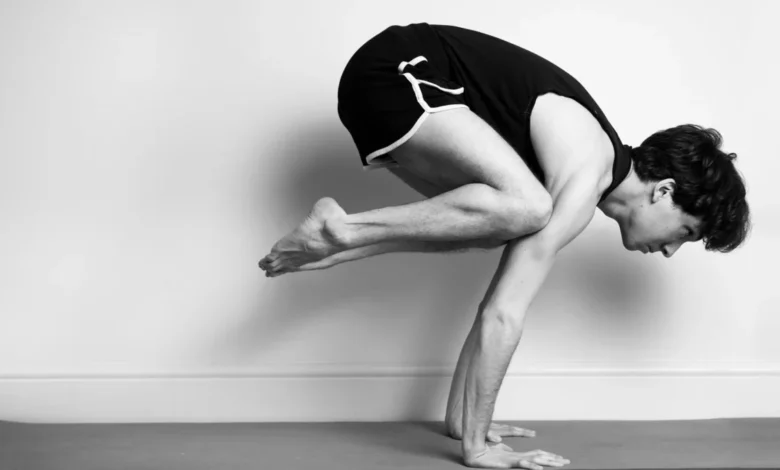
On a cold morning in November, I sat cross-legged on a mat in the basement of Fidelio, a restaurant and music venue in Clerkenwell, London, to observe a growing trend in the classical music world: the integration of ancient meditative practices into the professional training of concert pianists. Opposite me was the Italian-Australian pianist Jonathan Ferrucci. He instructed me to place my thumbs on my ears’ tragi, press in to block any external sound, and then position my fingers across my face. We breathed in through our noses and hummed as we exhaled, repeating the sequence ten times—a specific execution of the Bhramari Pranayama technique, a foundational breathing exercise in various forms of yoga. This session served as a microcosm of a broader movement within elite musical education, where performers are increasingly turning to mindfulness and somatic awareness to manage the physical and psychological rigors of a concert career.
The Evolution of Performance Wellness
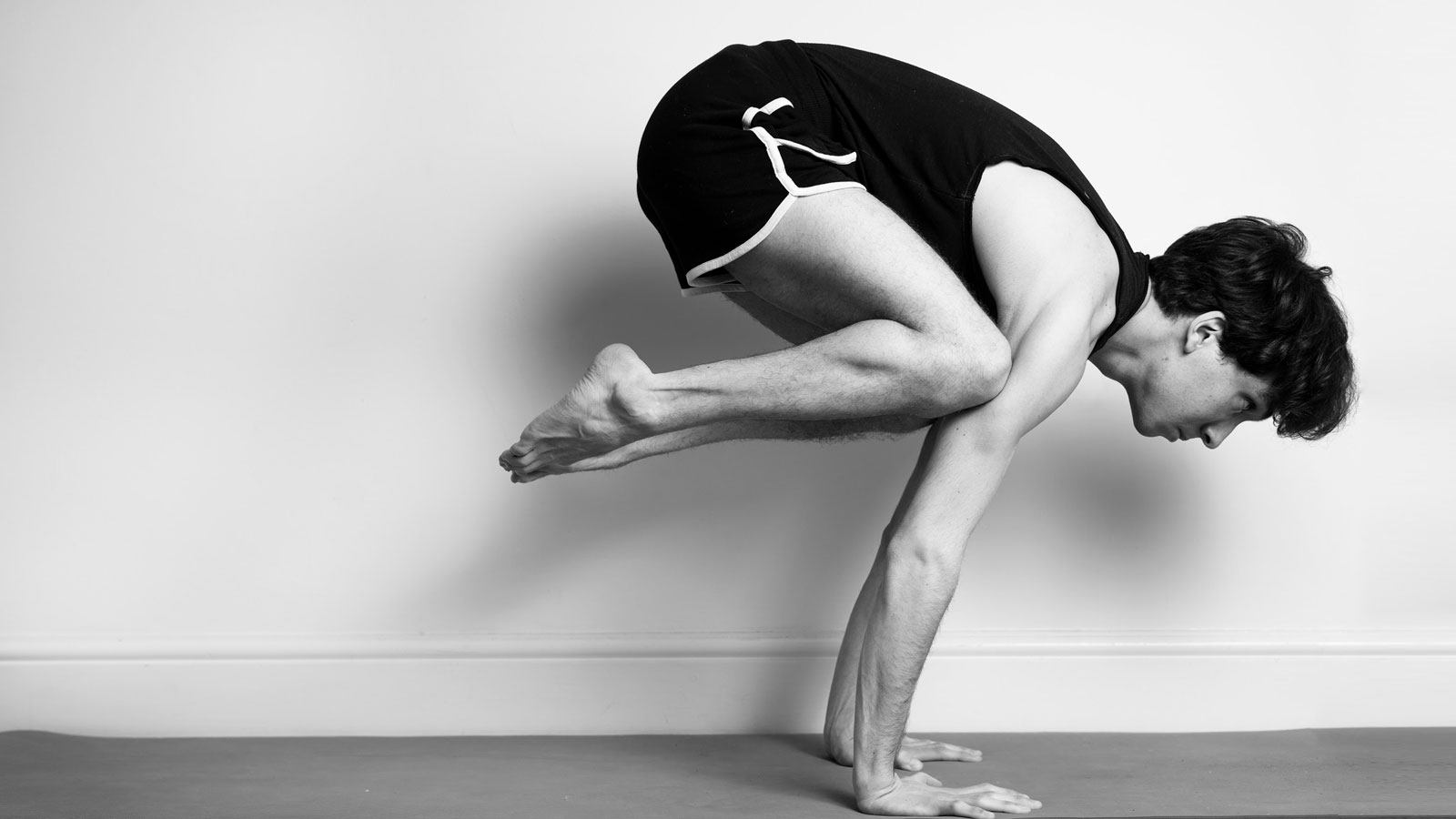
The integration of yoga and meditation into the life of a classical musician is no longer a fringe practice. For decades, the primary focus of musical pedagogy was centered exclusively on technical facility, repertoire mastery, and theoretical understanding. However, the modern concert stage presents unique physiological challenges, including chronic musculoskeletal strain, stage fright, and the mental fatigue associated with international touring schedules.
Recent data from the British Association for Performing Arts Medicine (BAPAM) indicates that over 60 percent of professional musicians experience performance-related injuries or psychological distress at some point in their careers. These figures have catalyzed a shift in conservatories and private practice studios worldwide. Musicians are increasingly viewing their bodies as the primary instrument, leading to the adoption of methodologies that emphasize breath control, nervous system regulation, and body alignment—all of which are central tenets of yoga.
Chronology of the Mind-Body Movement in Music
The movement toward somatic awareness in music can be traced back several decades, though its adoption has accelerated significantly since 2020. In the 1980s and 90s, the Alexander Technique and Feldenkrais Method began to gain traction in music schools as a way to address repetitive strain injuries (RSIs). By the early 2000s, specialized yoga programs for musicians—often focusing on shoulder and wrist health—started to appear in major institutions like the Juilliard School and the Royal College of Music.
By 2015, the conversation shifted from physical rehabilitation to mental performance enhancement. Studies published in the Journal of Research in Music Education began highlighting the correlation between mindfulness-based stress reduction (MBSR) and decreased cortisol levels in students preparing for high-stakes auditions. By 2024, wellness programs had become a standard offering in many international music competitions, with organizers providing dedicated spaces for meditation and yoga to help candidates manage the intense pressure of competitive environments.
The Mechanics of Bhramari Pranayama for Musicians
The specific technique employed by Jonathan Ferrucci—Bhramari Pranayama, or "bee breath"—is grounded in the physiological regulation of the vagus nerve. By blocking external sound and creating a resonant vibration in the cranial cavity, the practitioner induces a state of calm that shifts the autonomic nervous system from the sympathetic (fight-or-flight) state to the parasympathetic (rest-and-digest) state.
For a concert pianist, this state is critical. The ability to enter a "flow state" requires a delicate balance of intense focus and physical relaxation. If the nervous system is hyper-aroused due to performance anxiety, fine motor skills can be compromised, leading to tension in the forearms and wrists. By utilizing pranayama, musicians aim to achieve a state of "alert relaxation," where the mind remains sharp and the body remains supple, allowing for greater expressive freedom during a performance.
Perspectives from the Industry
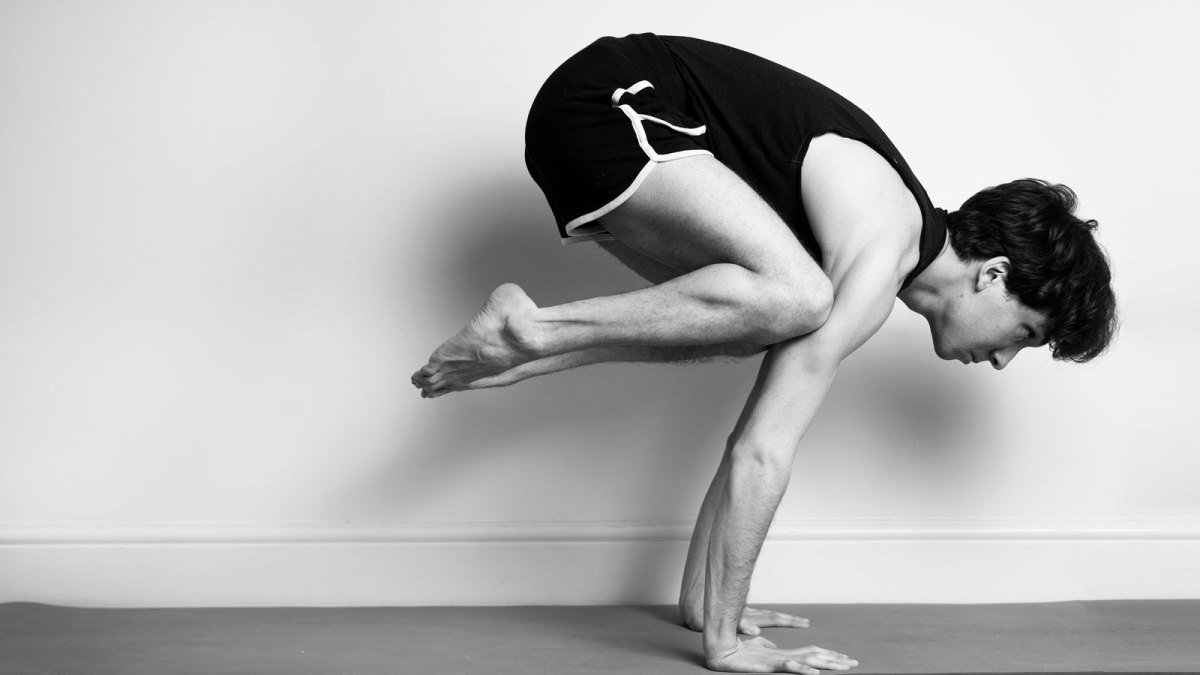
The shift toward incorporating wellness into musical training has met with both enthusiastic support and critical scrutiny. Proponents argue that it creates a more sustainable career path. "The old paradigm of practicing until you break is being replaced by a model of longevity," says Dr. Elena Rossi, a music psychologist who works with touring soloists. "When a musician understands their body’s feedback loop, they can detect the early warning signs of injury before they become career-threatening."
Conversely, some traditionalists express concern that an over-emphasis on wellness might distract from the rigorous technical demands of the art form. "The music must always come first," noted one anonymous veteran conservatory professor. "While relaxation is beneficial, there is a risk that if students spend too much time focusing on their internal states, they may lose the necessary intensity required for the most demanding concertos."
Despite these concerns, the empirical evidence suggests that the inclusion of such practices is gaining institutional legitimacy. Major orchestras are now routinely hiring wellness coaches to work with their members, and the curriculum at elite music schools is increasingly reflecting a holistic approach to the performer’s life.
Broader Impact and Future Implications
The implications of this trend extend beyond the individual performer. As the industry grapples with changing audience demographics and the need for more authentic, transparent performances, the "humanization" of the concert pianist has become a key theme. Audiences are increasingly interested in the person behind the instrument, and the willingness of high-profile performers like Ferrucci to share their wellness practices serves to destigmatize mental health challenges in the arts.

Furthermore, the economic impact of reduced injury rates is significant. The cost of medical leave and career interruption for professional musicians is substantial, and preventative practices like yoga and meditation offer a cost-effective strategy for managing these risks. If this trend continues, we may see a future where "performance health" is as standard a part of a musician’s curriculum as music theory or sight-reading.
A New Standard of Professionalism
The basement in Clerkenwell where I joined Ferrucci is perhaps an unlikely setting for a revolution in musical pedagogy, yet it perfectly illustrates the quiet, deliberate transformation occurring within the industry. By stepping off the piano bench and onto the yoga mat, musicians are not abandoning their classical roots; they are expanding their toolsets.
The fusion of these disciplines represents a maturation of the profession. As the demands of the global music market continue to grow, the ability to maintain composure, physical health, and mental clarity becomes as vital as the technical ability to play a Chopin Etude. The path forward for the next generation of pianists will likely involve a dual focus: the rigorous discipline of the keyboard and the equally demanding, yet deeply rewarding, discipline of the self. In this light, the hum of the Bhramari breath is not merely a meditative exercise—it is a rehearsal for the intense focus required to communicate at the highest level of human expression. As we look toward the future of classical music, the integration of such holistic practices may well be the defining characteristic of a more sustainable and vibrant musical culture.