Massive Raid Uncovers Sophisticated Methamphetamine Laboratory in Ludwigsfelde, Brandenburg, Disrupting Emerging Drug Network

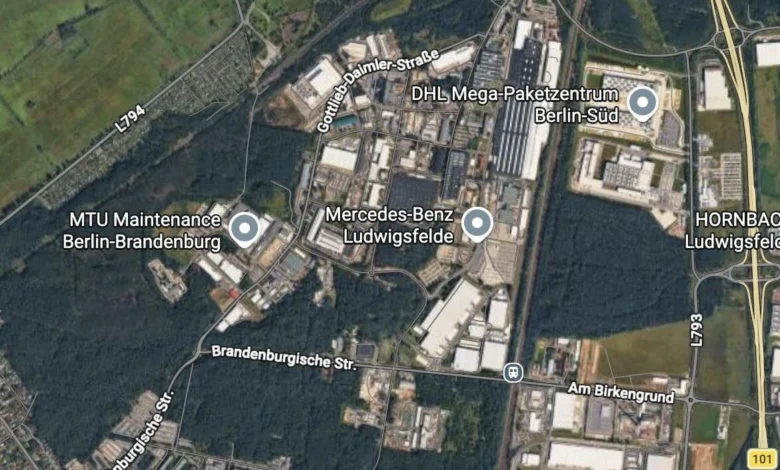
In a meticulously planned and executed operation that underscores the escalating challenge of synthetic drug production in Germany, law enforcement agencies have dismantled a suspected methamphetamine laboratory located within an industrial complex in Ludwigsfelde, Brandenburg. The large-scale raid, involving over 250 personnel from the Customs Investigation Office (Zollfahndung), Federal Police (Bundespolizei), and specialized tactical units, resulted in multiple arrests and the seizure of significant quantities of illicit substances, effectively neutralizing a burgeoning criminal enterprise suspected of producing Crystal Meth for distribution across the region and potentially beyond. The coordinated sweep, which unfolded on a recent Wednesday, highlights the increasing sophistication of drug manufacturing operations and the robust, multi-agency response required to combat them.
Operation Details and Scope
The primary target of the extensive operation was a sprawling warehouse situated in the Industriepark Ost in Ludwigsfelde, a strategically located industrial zone just south of Berlin. This location, typically bustling with legitimate commercial activities, had been covertly transformed into a clandestine drug production facility. The sheer scale of the police presence – exceeding 250 uniformed and plainclothes officers, including highly trained specialists and tactical units – speaks volumes about the perceived threat level and the intricate nature of the criminal network under investigation. The deployment of such a significant force indicates meticulous intelligence gathering and a thorough risk assessment, characteristic of operations targeting organized crime.
Simultaneously with the raid on the Ludwigsfelde laboratory, investigators fanned out across Berlin and Brandenburg, conducting searches at fourteen private residences. These parallel actions were crucial in disrupting the broader logistical and distribution arms of the suspected network. The scope of these simultaneous searches underscores the geographically dispersed nature of modern drug trafficking organizations, which often utilize various locations for different stages of their operations, from production and storage to distribution and financial management. An additional arrest was made further afield in Heidelberg, suggesting the network’s reach extended beyond the immediate Berlin-Brandenburg metropolitan area, hinting at potential national or even international distribution channels.
Arrests and Allegations Against a Transnational Network
In total, the ongoing investigations are directed against twelve suspects, ranging in age from 19 to 47. Following the coordinated raids, six individuals were apprehended in Berlin, one in Heidelberg, and three Mexican nationals were taken into custody directly at the Ludwigsfelde industrial facility. The charges against these individuals primarily involve violations of the Narcotics Act (Betäubungsmittelgesetz), encompassing the production, trafficking, and possession of illicit substances. The involvement of foreign nationals, particularly from Mexico, immediately raises questions about potential links to international drug cartels or specialized criminal groups known for their expertise in synthetic drug manufacturing.
The alleged principal suspect has been identified as a 21-year-old individual who is believed to have played a pivotal role in orchestrating the operation. Investigators suggest that this young man was responsible for recruiting the three Mexican citizens who were found working as "chemists" or "laboratory technicians" on-site. This alleged recruitment strategy points to a deliberate effort by the criminal organization to acquire specialized knowledge and skills essential for the complex process of methamphetamine synthesis. The presence of foreign specialists in such a setup is a recurring pattern observed in sophisticated drug labs across Europe, often indicative of an international division of labor within organized crime.
The Clandestine Laboratory and its Dangerous Output
Upon breaching the industrial hall, investigators discovered a sophisticated yet still-developing methamphetamine laboratory. The fact that the lab was "still in its setup phase" suggests that authorities intervened at a critical juncture, potentially preventing the full-scale production and widespread dissemination of large quantities of Crystal Meth. Despite its incomplete status, the facility had already accumulated significant illicit materials. Officers secured approximately 30 kilograms of finished methamphetamine and nearly 50 liters of suspected methamphetamine base, a precursor chemical crucial for the final synthesis.
According to statements from the public prosecutor’s office, the primary objective of this facility was the production of Crystal Meth, a highly addictive and destructive synthetic drug. The dangers inherent in such clandestine laboratories are immense, not only to the individuals involved in the production but also to the surrounding environment and the public. The manufacturing process of methamphetamine involves highly volatile and toxic chemicals, posing significant risks of explosions, chemical fires, and the release of hazardous waste. During the Ludwigsfelde raid, specialists in protective suits were deployed to meticulously secure traces and evidence, underscoring the hazardous environment. Simultaneously, forensic chemists were on-site to analyze the discovered substances, providing immediate expert assessment of the materials. The ongoing search of the premises is expected to continue as investigators work to fully document the facility and gather all possible evidence.
Broader Context: The Rise of Synthetic Drugs in Germany and Europe
The discovery of the Ludwigsfelde laboratory is not an isolated incident but rather indicative of a disturbing trend in the European drug landscape: the increasing prevalence and domestic production of synthetic drugs like methamphetamine. Historically, Germany has primarily been a transit country for drugs originating from other regions, but recent years have seen a significant shift towards local production, particularly for synthetic substances.
Methamphetamine, commonly known as Crystal Meth, is a powerful and highly addictive central nervous system stimulant. Its production is chemically complex, requiring specific precursors and expertise, yet it offers criminal organizations a potentially higher profit margin compared to traditional drugs like cannabis or heroin, as it can be manufactured domestically, reducing risks associated with international smuggling. According to the German Federal Criminal Police Office (BKA), seizures of methamphetamine have shown an upward trend in recent years, reflecting both increased law enforcement efforts and a growing supply. Europol data also consistently highlights the growing threat posed by synthetic drug production facilities across the European Union, with a particular focus on the Netherlands, Belgium, and increasingly, Germany, as key production hubs. The street value of the seized 30 kilograms of methamphetamine alone could easily run into several million euros, depending on purity and market demand, underscoring the significant financial incentives driving such operations.
Official Responses and the Fight Against Organized Crime
Authorities have remained tight-lipped regarding the specific backgrounds of the suspects or the broader organizational structures of the alleged perpetrators, citing ongoing investigations. However, a spokesperson for the Customs Investigation Office emphasized that the operation of such a sophisticated laboratory necessitates extensive logistical planning and considerable specialized knowledge. This statement directly contradicts the notion of a lone actor, strongly suggesting the involvement of a well-organized criminal syndicate with access to resources, expertise, and a network for distribution.
The coordinated nature of the Ludwigsfelde raid—involving multiple agencies and simultaneous searches across different locations—exemplifies the strategic, inter-agency approach now critical in combating sophisticated organized crime. Public prosecutors, while not providing specific comments on the ongoing case, typically stress the gravity of charges related to drug production and trafficking, which carry severe penalties under German law. Such successful operations send a clear message to criminal groups that law enforcement agencies are increasingly effective in detecting and dismantling these dangerous enterprises.
Comparison with Previous Incidents and Future Implications
While investigators have explicitly ruled out a direct connection between the Ludwigsfelde discovery and a massive drug lab uncovered in Nauen, Brandenburg, in a previous major operation (which the original article dates to October 2025, likely a typo for a past year such as 2023 or 2024), the two incidents collectively highlight a concerning trend. The Nauen lab, which was also a significant discovery, involved the seizure of vast quantities of precursor chemicals and finished products, leading to a complex investigation. The occurrence of two such major busts in the Brandenburg region within a relatively short period suggests that the area, with its extensive industrial zones and proximity to major transport routes, is increasingly being targeted by criminal organizations for establishing clandestine production sites.
The implications of the Ludwigsfelde bust are far-reaching. Firstly, it represents a significant disruption to an emerging supply chain of Crystal Meth, preventing potentially vast quantities of the drug from reaching consumers. This has a direct impact on public health and safety. Secondly, the arrests and ongoing investigations are expected to yield further intelligence, potentially leading to the identification and apprehension of more individuals involved in the network, including financiers, distributors, and other key facilitators. The involvement of foreign nationals also underscores the transnational nature of drug crime, necessitating continued international cooperation among law enforcement agencies.
The challenges for law enforcement remain substantial. Criminal organizations are constantly adapting their methods, seeking new locations, and employing advanced techniques to evade detection. The expertise required to set up and operate these labs, often sourced from international specialists, poses a particular hurdle. However, the successful raid in Ludwigsfelde demonstrates the unwavering commitment and enhanced capabilities of German authorities in confronting this evolving threat. The diligent work of the Zollfahndung, Bundespolizei, and other specialized units is crucial in safeguarding communities from the devastating impact of synthetic drugs and the organized crime networks that profit from them. The investigation into the Ludwigsfelde lab continues, with authorities piecing together the full scope of the operation and bringing all responsible parties to justice.