Masterworks of Oakville to Present Monumental Production of Carl Orff’s Carmina Burana Featuring Over 180 Performers

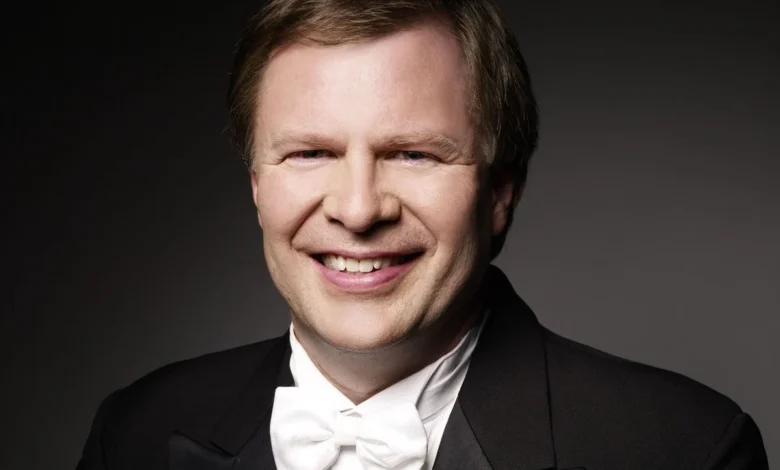
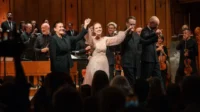
The Masterworks of Oakville Chorus & Orchestra has announced a massive collaborative production of Carl Orff’s 20th-century masterpiece, Carmina Burana, scheduled to take place on May 30 and May 31 at St. Matthew Catholic Church in Oakville. This ambitious undertaking will feature more than 180 performers on stage, marking one of the largest classical music events in the region’s recent history. Under the baton of Artistic Director Charles Demuynck, the production serves as a significant cultural milestone for the Oakville community, bringing together four distinct choral ensembles, a full symphony orchestra, and a trio of world-class soloists.
The upcoming concerts represent a homecoming for the piece within the Masterworks repertoire, as the ensemble last performed the work 15 years ago. The 2024 iteration, however, is designed on a far more expansive scale. By partnering with the Georgetown Bach Chorale, the Bach Elgar Choir of Hamilton, and the Oakville Choir for Children and Youth, Masterworks of Oakville aims to capture the sheer sonic power and visceral energy that Orff intended for his "secular songs for singers and choruses to be sung together with instruments and magic images."
A Program Defined by the Wheel of Fortune
While Carmina Burana is the centerpiece of the evening, the program is thoughtfully curated to include two choral works by Johannes Brahms, most notably his Schicksalslied (Song of Destiny), Op. 54. Artistic Director Charles Demuynck noted that the selection of Brahms was intentional, designed to create a thematic bridge between the 19th-century Romantic tradition and Orff’s 1936 modernism.
"Song of Destiny is on a similar poetic theme as the famous first movement of Carmina Burana — the Wheel of Fortune, which lifts us up and throws us down by turns," Demuynck explained. This concept of "Rota Fortunae" is central to the medieval poems upon which Orff based his work. By pairing these pieces, the concert explores the human condition through the lens of fate, luck, and the cyclical nature of life. Where Brahms offers a lush, philosophical reflection on the unpredictability of destiny, Orff provides a rhythmic, percussive, and primal celebration of the same forces.
The inclusion of the Oakville Choir for Children and Youth is particularly vital for the Orff segments. The score of Carmina Burana specifically calls for a "ragazzi" (boys’ or children’s) choir to provide a bright, innocent contrast to the often earthy and robust adult choruses. This layer of instrumentation is frequently omitted in smaller productions due to logistical constraints, but the Masterworks production seeks to maintain the full integrity of Orff’s original vision.
World-Class Soloists and Local Talent
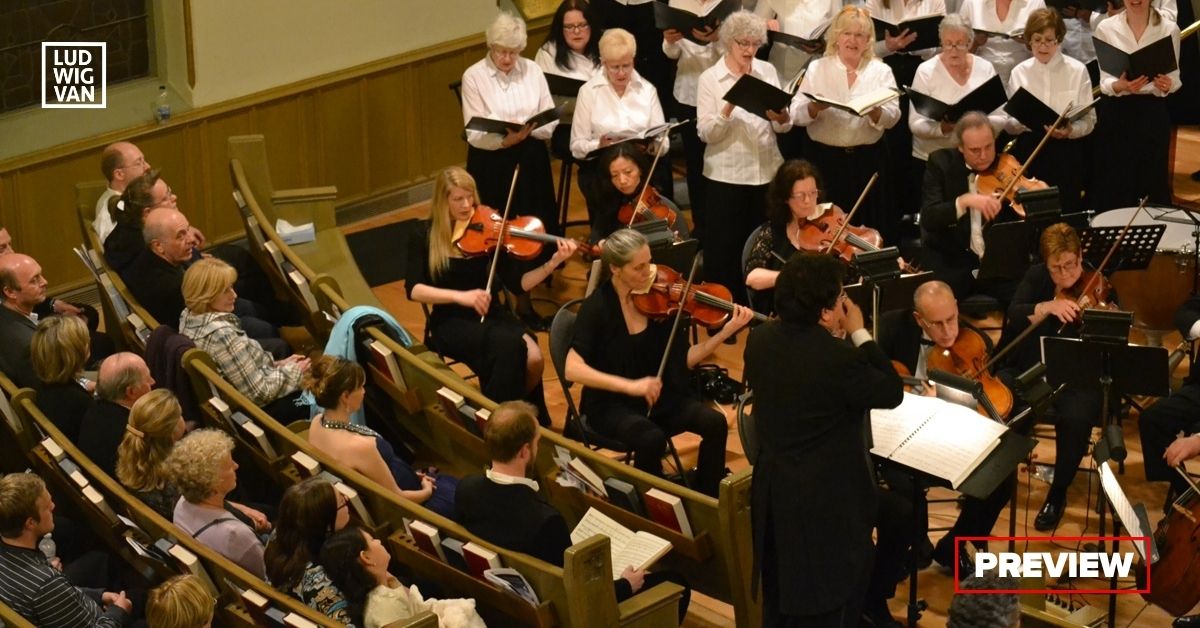
The production is anchored by a trio of distinguished soloists, led by the internationally acclaimed baritone Kevin McMillan. A GRAMMY Award winner, McMillan is widely recognized as one of the definitive interpreters of the baritone role in Carmina Burana. His accolades include a recording of the work with the San Francisco Symphony under the direction of Herbert Blomstedt, which earned a GRAMMY for Best Choral Performance. His participation brings a level of seasoned expertise and prestige to the Oakville stage, offering local audiences the opportunity to hear a master of the craft in a role he has performed on the world’s greatest stages.
Joining McMillan is soprano Clodagh Earls, an Oakville native whose return to her hometown for this performance adds a layer of community pride to the event. Earls has built a reputation for her versatility and crystalline vocal quality, traits essential for the demanding soprano solos in Orff’s work, which range from delicate lyricism to high-register precision. The trio is completed by tenor Chris Fischer, who will perform the famously difficult "Roasted Swan" aria, a movement requiring a unique blend of character acting and vocal athleticism.
The Evolution of Masterworks of Oakville
The scale of this production reflects the steady growth of the Masterworks of Oakville Chorus & Orchestra since its inception. Founded in 2005 by Charles Demuynck and Joyce Sitarski, the organization began as a group of dedicated volunteers at St. Andrew’s Catholic Church. Over nearly two decades, it has evolved into a premier auditioned choir of more than 75 singers, known for tackling the most challenging "landmark" works of the choral-orchestral repertoire.
The ensemble’s history includes successful performances of Bach’s St. Matthew Passion, Brahms’ A German Requiem, the Verdi Requiem, and Beethoven’s Symphony No. 9. This trajectory of performing high-caliber, large-scale works has established Masterworks as a cornerstone of the Halton Region’s arts scene. The Masterworks Orchestra, which accompanies the choir, is a flexible ensemble comprising a mix of dedicated volunteer musicians and professional string principals, ensuring a high standard of orchestral support for the vocalists.
Profile: Artistic Director Charles Demuynck
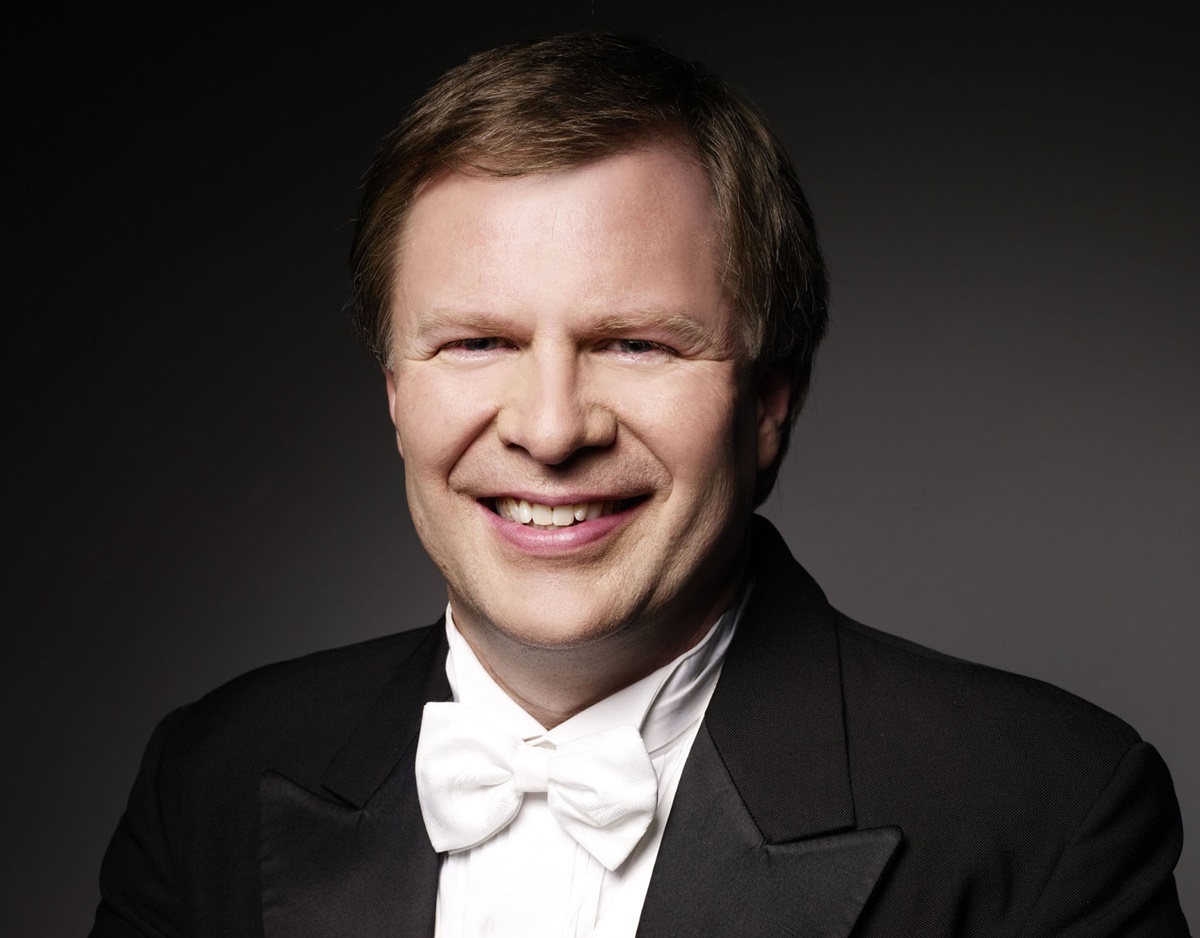
At the helm of this massive collaboration is Charles Demuynck, a conductor and composer whose career spans across North America and Europe. Demuynck’s academic background is extensive, with degrees from the University of Toronto and the Peabody Conservatory of Music in Baltimore, culminating in a doctorate from the Hartt School at the University of Hartford.
Since becoming the Music Director of the Oakville Chamber Orchestra in 1994 and co-founding Masterworks in 2005, Demuynck has been a driving force in the local music community. His guest conducting credits include a wide array of prestigious ensembles, such as the Mississauga Symphony, the National Academy Orchestra, and the Hartford Symphony. As a composer, his works have been performed across the continent, including the orchestral piece "Alerion," which was featured in the ensemble’s previous performance of Carmina Burana 15 years ago. His dual perspective as a conductor and a creator allows him to navigate the complex rhythmic structures of Orff’s writing with particular insight.
Historical Context and Cultural Impact
Carl Orff’s Carmina Burana is arguably the most famous piece of choral music written in the 20th century. Based on a collection of 13th-century poems found in the Benedictbeuern monastery in Bavaria, the work deals with themes that remain strikingly modern: the fickleness of fortune, the fleeting nature of life, the joys of spring, and the pleasures and perils of drinking, gluttony, and lust.
The opening and closing movement, "O Fortuna," has permeated popular culture, appearing in countless films, commercials, and sporting events. However, hearing the work in its entirety—with the full complement of 180 voices—provides a context that is often lost in its pop-culture snippets. The contrast between the thunderous choral movements and the intimate, often ribald solos creates a dramatic arc that requires a massive venue and a sophisticated acoustic environment. St. Matthew Catholic Church was selected for its ability to house such a large contingent of performers while providing the resonance necessary for Orff’s "wall of sound."
Logistics of a 180-Performer Collaboration
The logistical feat of coordinating 180 performers from four different organizations cannot be overstated. The collaboration involves the Bach Elgar Choir, which is one of Canada’s oldest concert choirs with a history dating back to 1905, and the Georgetown Bach Chorale, known for its focused, high-level choral precision.
Combining these groups requires a rigorous rehearsal schedule, often involving sectional rehearsals where individual choirs master the difficult Latin and Middle High German texts before coming together for "tutti" rehearsals with the orchestra. For the Oakville Choir for Children and Youth, the performance offers a rare educational opportunity to work alongside professional soloists and a full orchestra, fostering the next generation of musical talent in the region.
The financial and administrative effort to stage such a production is also significant. Relying on a mix of ticket sales, community donations, and volunteer labor, Masterworks of Oakville continues to demonstrate the viability of high-level community arts organizations.
Analysis: The Enduring Appeal of the Monumental
The decision to stage Carmina Burana on this scale speaks to a post-pandemic trend in the performing arts: the return of the "mega-concert." After years of restricted ensemble sizes and digital performances, there is a clear appetite among both performers and audiences for the visceral, communal experience of a large-scale live production.
The "Wheel of Fortune" theme is particularly resonant in the current global climate. The cyclical nature of luck and the unpredictability of fate are universal concepts that Orff’s music captures with a directness that requires no specialized musical knowledge to appreciate. By pairing it with Brahms’ more contemplative take on destiny, Demuynck is offering the audience a comprehensive emotional journey—one that acknowledges the hardships of life while celebrating the raw power of the human voice.
As Oakville continues to grow and diversify, events like this serve as a cultural anchor. They provide a space for community members from Hamilton, Georgetown, and Oakville to converge, not just as spectators, but as active participants in a shared artistic endeavor. The May 30 and 31 performances at St. Matthew Catholic Church are expected to draw capacity crowds, reinforcing the importance of local arts organizations in providing world-class cultural experiences outside of major metropolitan hubs like Toronto.
Concert Summary and Ticket Information
The Masterworks of Oakville Chorus & Orchestra, along with their guest ensembles and soloists, will perform on Thursday, May 30, and Friday, May 31. Both performances will take place at St. Matthew Catholic Church, located at 1150 Monks Passage, Oakville. Given the scale of the production and the popularity of the repertoire, organizers recommend early ticket purchases. This production of Carmina Burana promises to be a definitive moment for the local arts scene, showcasing the power of collaboration and the enduring legacy of Carl Orff’s most famous work.
Related posts: