Cody Jinks Navigates Severe Weather Interruptions to Headline Opening Night of Under The Big Sky Festival 2026

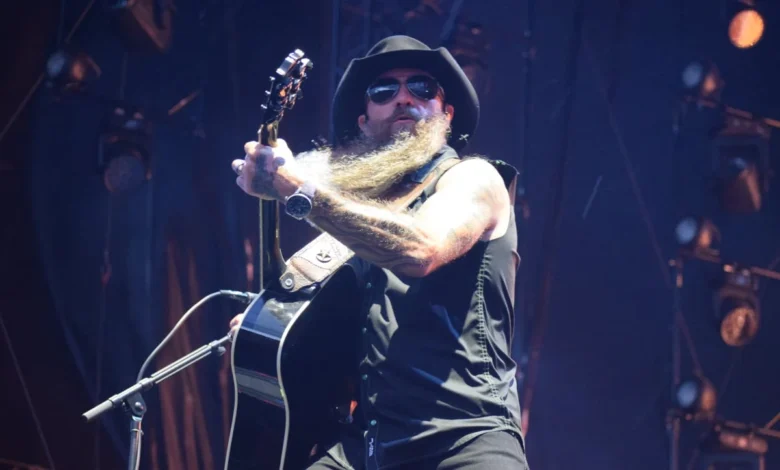
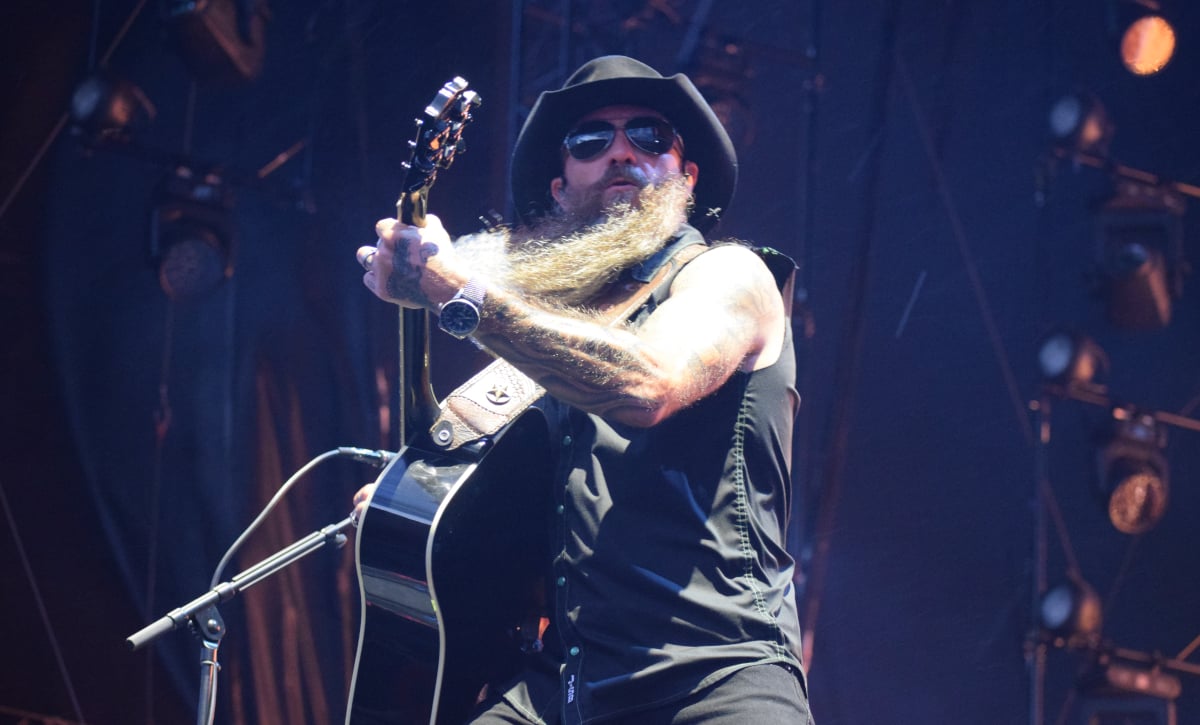
The Under The Big Sky Festival, a premier event in the Americana and independent country music circuit, commenced its 2026 iteration on Friday, July 17, at the Big Mountain Ranch in Whitefish, Montana. What began as a day defined by searing high-altitude heat and a robust lineup of genre-defying artists eventually transformed into a battle against the elements. Headliner Cody Jinks, one of the most successful independent artists in modern country music, was forced to navigate a significant weather delay and a truncated set as lightning and heavy rain swept through the Flathead Valley. Despite the atmospheric volatility, Jinks delivered a high-energy performance for the thousands of fans who remained on the grounds, though the evening was marked by logistical challenges and inconsistent safety communication across the festival’s multiple stages.
A High-Stakes Opening Day Lineup
The 2026 festival launched with one of the most ambitious Friday schedules in its history. Early attendees braved temperatures that hovered in the high 80s and low 90s, a characteristic of July in the Northern Rockies. The afternoon featured a diverse array of talent designed to appeal to the "outsider" country demographic that Under The Big Sky has cultivated since its inception in 2019.
Performances by Kaitlin Butts and Rattlesnake Milk set an early tone of neo-traditionalism and gritty storytelling. Benjamin Tod, known for his raw, evocative songwriting both as a solo artist and with Lost Dog Street Band, provided a somber but powerful mid-afternoon highlight. As the sun began to dip lower, the energy shifted toward the high-octane bluegrass of Old Crow Medicine Show and the blues-rock infusions of the Marcus King Band. International flavor was added by the Icelandic folk-pop group Of Monsters and Men, whose inclusion signaled the festival’s continued efforts to broaden its sonic palette beyond traditional country borders.
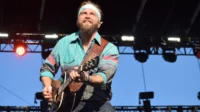
By the time Cody Jinks was prepared to take the main stage, the crowd density had reached its peak for the day. Jinks, who has famously maintained his independence from the Nashville major-label system, remains a massive draw for the festival. His appearance was particularly anticipated given his recent reduction in live touring dates, a fact he acknowledged during his performance.
Meteorological Volatility and the Set Interruption
The transition from a sweltering afternoon to a stormy evening occurred rapidly. While threatening clouds had been visible on the horizon for much of the late afternoon, the weather held until Jinks began his headlining set. As he took the stage, a steady rain began to fall, initially offering a reprieve from the day’s heat. However, the situation escalated just three songs into the performance.
Following reports of lightning strikes within a critical radius of the festival grounds, organizers moved to pause the main stage performance. In outdoor festival management, the standard safety protocol—often referred to as the "8-mile rule"—typically dictates that if lightning is detected within eight miles of the venue, outdoor activities must be suspended. Jinks and his band were ushered off the stage, and the audience was instructed to "hang tight."
The communication during this interval became a point of contention among attendees. Unlike many large-scale festivals that issue mandatory evacuation orders to vehicles or sturdy structures during lightning events, the messaging at Under The Big Sky was more ambiguous. Fans remained in the open fields of Big Mountain Ranch, waiting for updates that were slow to materialize through the public address system.
Discrepancies in Stage Management
As the main stage sat silent, a notable discrepancy emerged regarding the festival’s secondary stage, the Big Mountain Stage. Approximately 30 minutes prior to the main stage delay, singer-songwriter Chance Peña had begun his scheduled set. Despite the lightning visible in the distance and the moderate rainfall, Peña’s performance continued uninterrupted.
This inconsistency led to confusion among the crowd. While the headlining stage was shuttered for safety, music continued to echo from the other side of the ranch. The lack of a unified "all-stop" order suggested either a breakdown in communication between stage managers or a localized assessment of risk that prioritized the higher-profile, more equipment-heavy main stage for immediate shutdown. As rumors circulated that the Jinks set might be canceled entirely, a portion of the audience began a premature exodus toward the parking lots and shuttle stations.
The Return of Cody Jinks and the Final Performance
After a period of uncertainty, the weather cleared sufficiently for the "all-clear" to be given. Cody Jinks returned to the stage to a thinned but dedicated crowd. He noted from the stage that he had not been playing many shows recently, and the pent-up energy was evident in his vocal delivery and the band’s tight instrumentation. The set resumed with a heightened sense of urgency, as both the artist and the production team were cognizant of the 11:00 p.m. local noise ordinance and the approaching secondary wave of the storm.
At approximately 10:37 p.m., the weather took a definitive turn for the worse. Lightning, which had previously been relegated to the distant peaks, moved nearly overhead. Production officials informed Jinks that he had time for only one final song before the stage would be permanently closed for the night.
In a moment of fan engagement, Jinks asked the audience to choose the final number. The response was nearly unanimous: "Hippies and Cowboys," the 2010 anthem that served as Jinks’ breakout hit and remains a cornerstone of the independent country movement. As the final chords of the song rang out, the rain intensified into a heavy downpour, signaling the end of the first night of the festival. Jinks ultimately completed roughly 75% of his planned setlist, a compromise that satisfied those who stayed but left early-leavers feeling the sting of the interruption.
Logistical Infrastructure and Post-Event Challenges
The conclusion of the music triggered a secondary crisis: the mass egress of thousands of fans during a severe rainstorm. The geographical layout of Big Mountain Ranch, while picturesque, presents significant logistical hurdles for traffic management. The ranch relies on a network of unpaved roads and temporary parking lots that are highly susceptible to mud and saturation.
Reports from the grounds indicated a near-total standstill in the parking areas. The combination of heavy rain, limited visibility, and the volume of departing vehicles created a bottleneck that lasted well into the early morning hours. Some attendees reported sitting in the "blue lot" for over an hour without moving, as the shuttle system struggled to maintain its cycle under the hazardous driving conditions.
This logistical "snafu" highlights a recurring challenge for destination festivals in rural Montana. While the draw of the "Big Sky" is a central part of the marketing appeal, the infrastructure required to move 20,000 people safely and efficiently during a weather event remains a work in progress for local authorities and festival organizers.
Economic and Cultural Impact of Under The Big Sky
Despite the weather-related setbacks of the opening night, the Under The Big Sky Festival continues to be a massive economic driver for the Whitefish and Kalispell regions. Since its debut, the festival has brought tens of millions of dollars in tourism revenue to the Flathead Valley, filling hotels, short-term rentals, and restaurants.
The festival’s success is built on its curation. By focusing on artists like Jinks, Chris Stapleton, and Zach Top, the event taps into a demographic that feels underserved by the "pop-country" leanings of Nashville’s mainstream. The 2026 lineup, described by critics as "stacked," reinforces the festival’s status as a top-tier destination for the Americana genre, rivaling events like Stagecoach or Newport Folk Festival in terms of cultural relevance, if not sheer size.
Looking Ahead: Saturday and Sunday Outlook
The festival is scheduled to continue through Saturday, July 18, and Sunday, July 19. The weather forecast for the remainder of the weekend remains a concern, with the potential for additional afternoon thunderstorms—a common summer pattern in the Rocky Mountains.
Saturday’s lineup is headlined by rising star Zach Top, whose traditionalist sound has made him one of the most talked-about names in the industry over the last year. Sunday will feature the festival’s most prominent headliner, Chris Stapleton, whose soul-infused country has earned him multi-platinum status and numerous Grammy Awards.
Festival organizers have not yet issued a formal statement regarding the communication discrepancies during Friday night’s weather delay. However, the experience of the opening night is likely to prompt a review of safety protocols and shuttle logistics for the remaining 48 hours of the event. For the fans who braved the heat and the lightning, the message of the night was clear: the music of the "Hippies and Cowboys" is resilient, even when the Montana sky decides to open up.