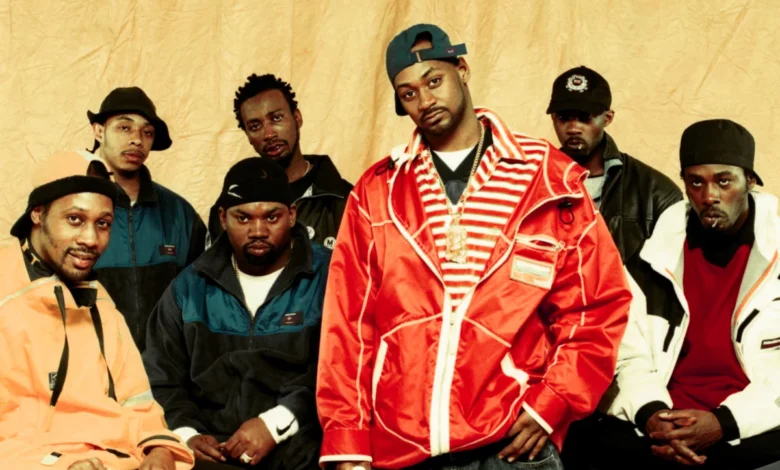
Wu-Tang Clan, the iconic hip-hop collective originating from Staten Island, New York, have officially secured their place among music’s elite, being voted into the prestigious Rock & Roll Hall of Fame as part of the Class of 2026. The announcement, made on Monday, April 13, revealed a diverse group of inductees who have profoundly shaped the musical landscape across various genres. Alongside the Wu-Tang Clan, the esteemed Class of 2026 includes British soul and R&B sensation Sade, legendary R&B vocalist Luther Vandross, Britpop giants Oasis, heavy metal stalwarts Iron Maiden, multifaceted artist Phil Collins, punk-rock and new wave icon Billy Idol, and the influential post-punk and electronic acts Joy Division/New Order. This year’s induction ceremony further acknowledges hip-hop’s foundational figures with Queen Latifah and MC Lyte set to receive the "Early Influence" award, recognizing their pioneering contributions to music and culture.
The formal induction ceremony is scheduled for November 14 at the Peacock Theater in Los Angeles, an event eagerly anticipated by fans and industry professionals alike. For those unable to attend, the ceremony will be broadcast in December on ABC and available for streaming on Disney+, ensuring a global audience can witness the celebration of these musical titans. This inclusion marks a significant moment for hip-hop, reaffirming its undeniable impact and solidifying its position within the broader historical narrative of popular music, as defined by the Rock & Roll Hall of Fame.
The news was met with heartfelt reactions from the members of Wu-Tang Clan, reflecting the gravity and honor of the induction. RZA, the group’s visionary leader and producer, took to Instagram to express his sentiments, stating, "In all Humility. This announcement filled me with joy, proudness, profound achievement, and awe. I’m grateful to all my brothers and those who helped us on the path. Thank you Rock & Roll Hall of Fame. This is a true Triumph – Wutang Forever." His words underscored the collective journey and the shared success that defines the Clan. Raekwon, another pivotal member, echoed this sentiment with his characteristic enthusiasm, declaring, "History books will know this club! this my grammy. what we talking bout! haaaaaaaaaaa. shout out to all our mothers who birth these men. they won tonite." GZA, known for his cerebral lyricism, offered a humble acknowledgment, noting, "We couldn’t have reached this milestone without our hip hop predecessors, fans, collaborators, friends and family. We thank you." These statements collectively highlight the deep appreciation for their journey, their collaborators, and the cultural significance of this achievement.
The Enduring Legacy of the Wu-Tang Clan
Formed in the early 1990s in Staten Island, New York, the Wu-Tang Clan emerged as a revolutionary force in hip-hop, redefining the genre with their gritty, raw sound, intricate lyricism, and a distinctive business model. The nine core members – RZA, GZA, Ol’ Dirty Bastard, Method Man, Raekwon, Ghostface Killah, Inspectah Deck, U-God, and Masta Killa – each brought a unique style and personality, contributing to a collective identity that was both cohesive and fiercely individualistic. Their debut album, Enter the Wu-Tang (36 Chambers), released in 1993, was a seismic event in music. Produced primarily by RZA, the album’s sound was characterized by lo-fi production, kung fu movie samples, and a dark, atmospheric sonic palette, which stood in stark contrast to the West Coast G-funk dominating hip-hop at the time.
Enter the Wu-Tang (36 Chambers) not only achieved critical acclaim but also commercial success, peaking at number 41 on the Billboard 200 chart and eventually selling over three million copies, earning triple-platinum certification. Its impact extended far beyond sales figures; it introduced a new lexicon, a distinctive aesthetic, and a blueprint for group dynamics that allowed individual members to pursue successful solo careers under the Wu-Tang umbrella. This innovative strategy saw members like Method Man, Raekwon, Ghostface Killah, and Ol’ Dirty Bastard release highly successful solo albums throughout the 1990s, all while maintaining their allegiance to the Clan, effectively establishing a "Wu-Tang Dynasty" that dominated hip-hop for years. Albums such as Method Man’s Tical, Raekwon’s Only Built 4 Cuban Linx…, and Ghostface Killah’s Ironman are widely regarded as classics, further solidifying the collective’s artistic dominance.
Beyond music, the Wu-Tang Clan’s influence permeated popular culture. Their embrace of martial arts philosophy, obscure kung fu movie samples, and distinctive slang created a subculture that resonated globally. They launched successful clothing lines, video games, and even attempted film projects, demonstrating their entrepreneurial spirit and multifaceted cultural impact. Their consistent touring, documentary features, and continued album releases have sustained their presence for over three decades, proving their longevity and enduring relevance in an ever-evolving music industry. The induction into the Rock & Roll Hall of Fame serves as a culmination of this extensive and impactful career, acknowledging their unparalleled artistic innovation and cultural footprint.
The Rock & Roll Hall of Fame’s Evolving Definition
The Rock & Roll Hall of Fame, established in 1983 and located in Cleveland, Ohio, was founded with the mission to recognize and archive the history of the best-known and most influential artists, producers, engineers, and other notable figures who have had a significant impact on the development of rock and roll. Eligibility for induction begins 25 years after an artist’s first commercial recording. Nominees are selected by a nominating committee and then voted upon by an international body of more than 1,200 inductees, historians, and music industry professionals. The top vote-getters are inducted.
Over the years, the definition of "rock and roll" within the Hall of Fame has broadened considerably, moving beyond its initial guitar-driven confines to embrace genres like R&B, soul, blues, country, pop, and increasingly, hip-hop. This expansion has often been a subject of debate, particularly among traditionalists, but it reflects a more inclusive understanding of musical innovation and cultural influence. The induction of the Wu-Tang Clan, along with other hip-hop pioneers, underscores the Hall’s commitment to recognizing genres that have profoundly shaped global music culture.
With the addition of Wu-Tang Clan, Queen Latifah, and MC Lyte, the number of hip-hop acts enshrined in the Rock & Roll Hall of Fame now totals 18. This growing representation is a testament to the genre’s pervasive influence and its undeniable status as a major force in contemporary music. Grandmaster Flash and the Furious Five made history in 2007 as the first hip-hop group to be inducted, breaking barriers and paving the way for future artists. They were followed by other foundational acts such as Run-DMC (2009), Beastie Boys (2012), Public Enemy (2013), and N.W.A (2016), each celebrated for their groundbreaking contributions to rap music and their socio-political impact.
More recently, the Hall has continued to acknowledge the genre’s diverse trajectory with the inductions of JAY-Z (2021), Eminem (2022), 2Pac (2017), The Notorious B.I.G. (2020), OutKast (2024), Missy Elliott (2023), and A Tribe Called Quest (2024). Additionally, figures like LL Cool J, Salt-N-Pepa, and DJ Kool Herc have been recognized with special awards, such as the "Early Influence" or "Musical Excellence Award," highlighting their foundational roles in the birth and evolution of hip-hop. The inclusion of Queen Latifah and MC Lyte in the "Early Influence" category this year is particularly significant. Both artists broke ground for women in hip-hop, not only as skilled MCs but also as cultural icons who advocated for empowerment and respect, shaping narratives and opening doors for generations of female artists. Their contributions extend beyond music into film, television, and entrepreneurship, solidifying their status as multifaceted pioneers.
The Diverse Class of 2026
The Class of 2026 is notably diverse, reflecting a broad spectrum of musical styles and periods that have left indelible marks.
Sade, led by the enigmatic Sade Adu, has crafted a unique sound blending soul, jazz, R&B, and pop over four decades. Their sophisticated arrangements, Adu’s distinctive contralto vocals, and timeless hits like "Smooth Operator" and "No Ordinary Love" have earned them multiple Grammy Awards and a consistent presence on global charts, demonstrating enduring appeal and artistic integrity.
Luther Vandross stands as one of the most revered voices in R&B history. His velvety smooth baritone, impeccable phrasing, and emotional delivery made him a master of the romantic ballad. With eight Grammy Awards and over 40 million records sold worldwide, Vandross’s legacy as a singer, songwriter, and producer is monumental, influencing countless vocalists across genres.
Oasis, the quintessential Britpop band of the 1990s, defined an era with their anthemic rock songs, swaggering attitude, and the turbulent but creatively fruitful dynamic between brothers Liam and Noel Gallagher. Albums like Definitely Maybe and (What’s the Story) Morning Glory? are cornerstones of British rock, selling tens of millions worldwide and cementing their status as cultural icons.
Iron Maiden represents the enduring power of heavy metal. Since their formation in 1975, the British band has been at the forefront of the New Wave of British Heavy Metal, known for their elaborate stage shows, intricate musicianship, and iconic mascot, Eddie. With over 100 million albums sold globally, their influence on metal and hard rock is profound and continues to resonate with generations of fans.
Phil Collins has achieved extraordinary success both as the drummer and frontman for Genesis and as a solo artist. His distinctive drumming style, emotive vocals, and ability to craft catchy pop-rock hits made him one of the best-selling artists of the 1980s and 1990s. With seven Grammy Awards and an Academy Award, Collins’s versatility and widespread appeal are undeniable.
Billy Idol emerged from the British punk scene to become a global superstar during the MTV era. His rebellious persona, snarling vocals, and fusion of punk rock energy with pop sensibilities yielded hits like "Rebel Yell" and "White Wedding," making him a defining figure of 80s rock.
Joy Division/New Order represents a unique artistic evolution. Joy Division’s brief but impactful tenure in the late 1970s defined post-punk with its dark, introspective sound. Following the tragic death of frontman Ian Curtis, the remaining members reformed as New Order, pioneering electronic dance-rock and achieving massive success with tracks like "Blue Monday." Their dual legacy showcases profound influence on alternative, indie, and electronic music.
The competitive nature of the Rock & Roll Hall of Fame selection process means that many deserving artists are nominated but do not make the final cut in any given year. This year, notable nominees who did not receive enough votes included Lauryn Hill, Mariah Carey, and Shakira. Each of these artists possesses an immense body of work and significant cultural impact, suggesting that their time for induction may come in future cycles as the Hall continues to evaluate and acknowledge musical excellence across diverse genres and eras.
Broader Implications and Future Outlook
The induction of the Wu-Tang Clan into the Rock & Roll Hall of Fame carries significant broader implications. It serves as a powerful validation of hip-hop’s artistic merit, cultural depth, and historical importance within the comprehensive narrative of popular music. This recognition goes beyond mere commercial success; it acknowledges the innovative spirit, lyrical craftsmanship, and profound societal influence that the Wu-Tang Clan, and hip-hop as a whole, have exerted over the past several decades. It further solidifies the notion that "rock & roll" as a concept extends beyond a singular musical genre, embodying instead a spirit of rebellion, innovation, and cultural transformation that hip-hop demonstrably shares.
The inclusion of more hip-hop artists into the Hall of Fame reflects an ongoing and necessary evolution of the institution itself, demonstrating its adaptability and its commitment to remaining relevant in a dynamic musical landscape. This trend is likely to continue, opening doors for future generations of hip-hop artists who have shaped and continue to shape global culture. For the Wu-Tang Clan, this honor not only cements their legendary status but also offers an opportunity to introduce their groundbreaking work to new audiences, ensuring their legacy endures for many years to come. The November ceremony promises to be a momentous occasion, celebrating not just the individual achievements of the inductees, but also the rich and ever-expanding tapestry of musical innovation.