The Eurorack Revolution: How Modular Synthesis is Reshaping the Modern Synthesizer

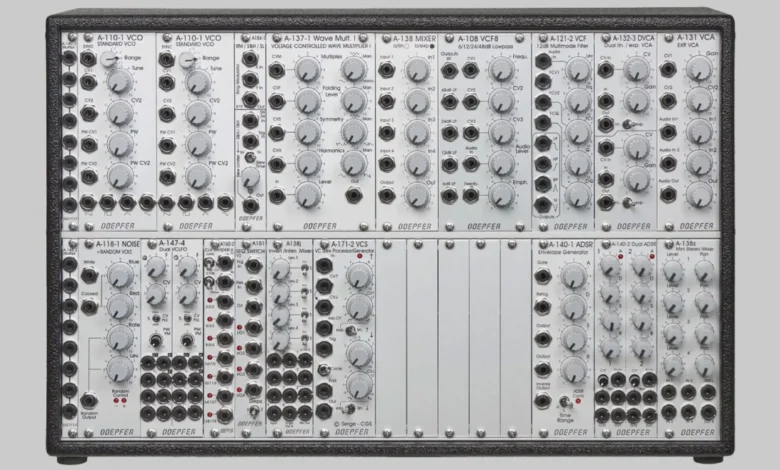
The allure of Eurorack modular synthesizers, with their expansive sonic possibilities and hands-on control, has captivated a growing segment of musicians and sound designers. However, the perceived barrier of entry – often associated with significant financial investment and a steep learning curve – has historically kept many enthusiasts at bay. Yet, the burgeoning influence of the Eurorack format is not confined to dedicated modular setups. Increasingly, its innovative features and sonic philosophies are being integrated into traditional, more accessible synthesizers, democratizing the power of modular synthesis for a wider audience. This evolution is fundamentally changing how synthesizers are designed and how musicians interact with them, offering a compelling bridge between the familiarity of established instruments and the experimental frontier of modular systems.
The Genesis of Modular and the Eurorack Ascendancy
The journey of the modern synthesizer began not with fixed signal paths, but with the very essence of modularity. Early pioneers like Robert Moog and Don Buchla, working independently in the 1960s, conceived of synthesizers as collections of individual modules – oscillators, filters, amplifiers, and envelope generators – that users could connect via patch cables to craft unique sound pathways. This approach offered unparalleled flexibility in sound design, allowing for sonic exploration previously unimaginable. However, this intricate, hands-on method proved cumbersome for live performance, leading to the development of "normalled" or pre-wired synthesizers, which streamlined the signal path for ease of use and portability. For decades, true modular synthesis remained a niche pursuit, largely the domain of dedicated studios and experimental musicians.
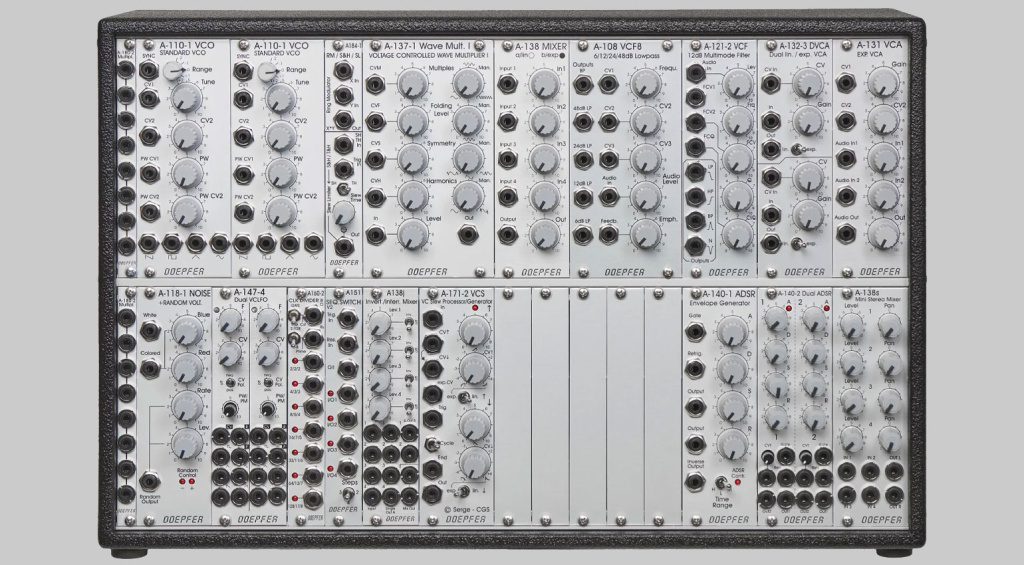
The landscape began to shift dramatically in the 1990s with the introduction of the Eurorack format by Dieter Doepfer. Recognizing the need for a more standardized and compact modular system, Doepfer designed a 3U (12.6 cm or 5 inches) tall rack format that quickly gained traction. This smaller footprint made modular systems more manageable and less intimidating. The success of Doepfer’s A-100 system spurred a wave of manufacturers to embrace the Eurorack standard, leading to an explosion of diverse and innovative modules. What was once an esoteric pursuit evolved into a vibrant and expansive industry, characterized by continuous innovation in both analog and digital signal processing, complex modulation possibilities, and unique sound-generating algorithms.
Semi-Modular Synthesizers: A Gateway to Modular Exploration
For those intrigued by modular synthesis but hesitant to commit to a full Eurorack system, semi-modular synthesizers offer an ideal entry point. These instruments combine the convenience of a pre-patched, ready-to-play synthesizer with the added flexibility of user-accessible patch points. This "best of both worlds" approach provides a familiar workflow while opening up a universe of sonic manipulation through external patching.
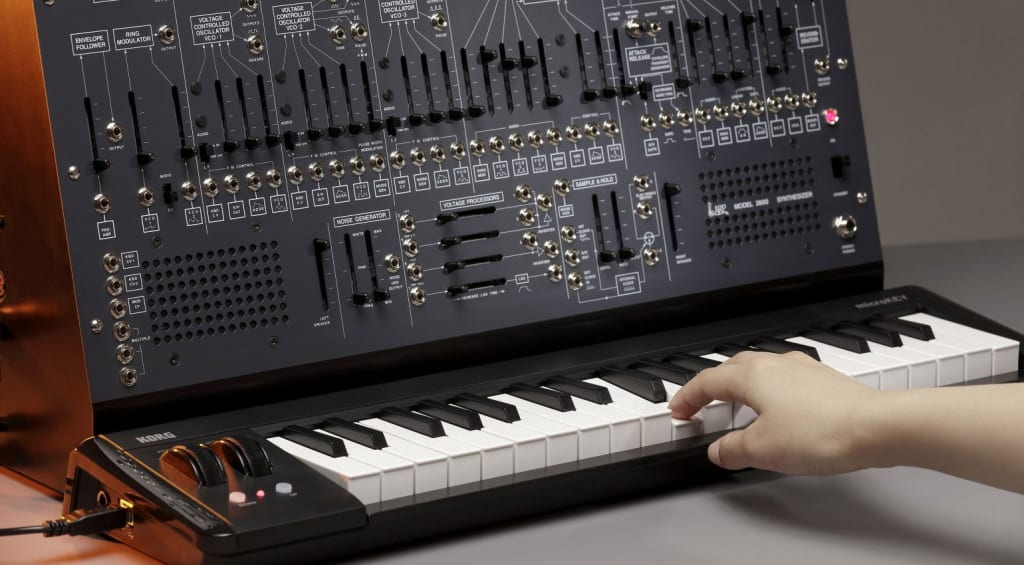
One of the seminal instruments in this category is the ARP 2600, a legendary semi-modular synthesizer from the 1970s. Korg’s modern reissue, the ARP 2600 M, brings this iconic instrument to a new generation of musicians. Boasting three oscillators, versatile filter options (including two distinct iterations), dual envelope generators, a ring modulator, and sample-and-hold capabilities, the ARP 2600 M offers a rich palette for sound design. Behringer’s faithful recreation of the ARP 2600 provides a more budget-friendly alternative, delivering similar sonic power and patching potential.
Beyond ARP 2600 emulations, several other semi-modular synthesizers have gained prominence. Moog’s Mother-32, a compact and potent analog synthesizer, encourages experimentation through its extensive patch bay, allowing users to reconfigure its internal signal flow. Korg’s MS-20 Mini, a modern interpretation of the classic MS-20, also features patching capabilities that unlock its unique sonic character. For those seeking an original analog monosynth in a Eurorack-compatible format, Behringer’s Neutron stands out as a highly versatile and affordable option. These instruments, while not requiring a full modular rack, exemplify the influence of modular design principles by offering patchability that goes beyond the conventional signal path of traditional synthesizers.
Experimental Oscillators: Expanding the Sonic Palette
A defining characteristic of Eurorack is its embrace of experimentation, driven by the sheer diversity of modules available. This extends to the very heart of sound generation: the oscillator. Eurorack manufacturers have pushed the boundaries of oscillator design, incorporating everything from classic analog emulations to cutting-edge digital algorithms. This spirit of sonic exploration has found its way into desktop synthesizers, offering musicians a taste of modular innovation without the need for a dedicated rack.
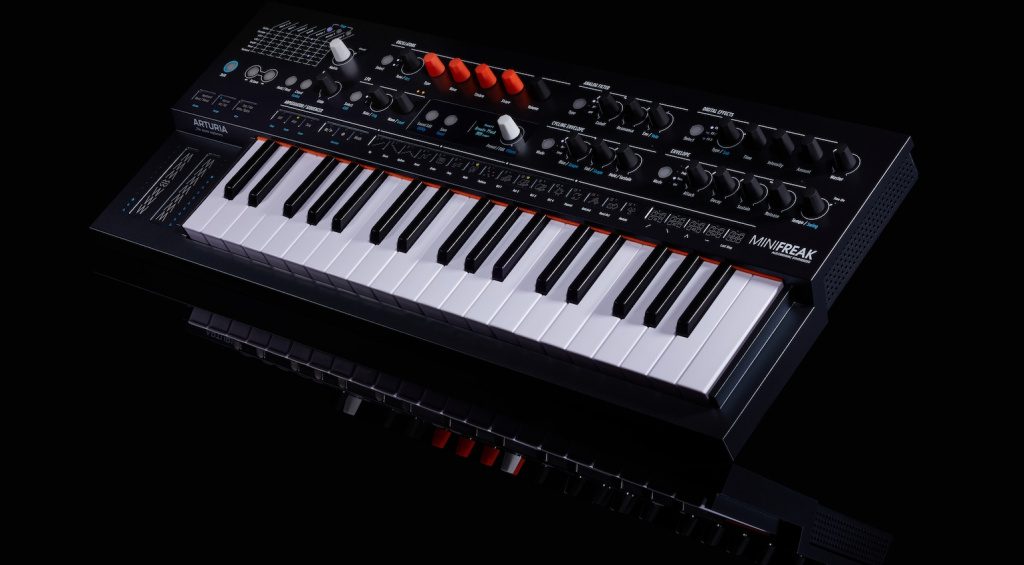
Arturia’s MicroFreak and MiniFreak synthesizers are prime examples of this trend. These instruments are packed with a wide array of digital oscillator types, ranging from familiar virtual analog models to more esoteric synthesis techniques like Karplus-Strong. Notably, they feature oscillator engines developed in collaboration with respected Eurorack companies such as Mutable Instruments and Noise Engineering, bringing authentic modular sounds to a keyboard-based instrument. The MicroFreak’s touch-capacitive keybed, reminiscent of Buchla’s pioneering designs, further underscores its connection to West Coast synthesis philosophies. These instruments effectively act as curated collections of Eurorack oscillator modules within a user-friendly package, providing immediate access to a vast sonic territory.
Wavefolding and Low-Pass Gates: Embracing West Coast Techniques
While Moog’s early East Coast synthesis approach became the dominant model for many traditional synthesizers, the innovative concepts pioneered by Don Buchla and the West Coast synthesis school are experiencing a resurgence, largely fueled by the Eurorack community’s appreciation for these techniques. Two such influential concepts are wavefolding and low-pass gates.
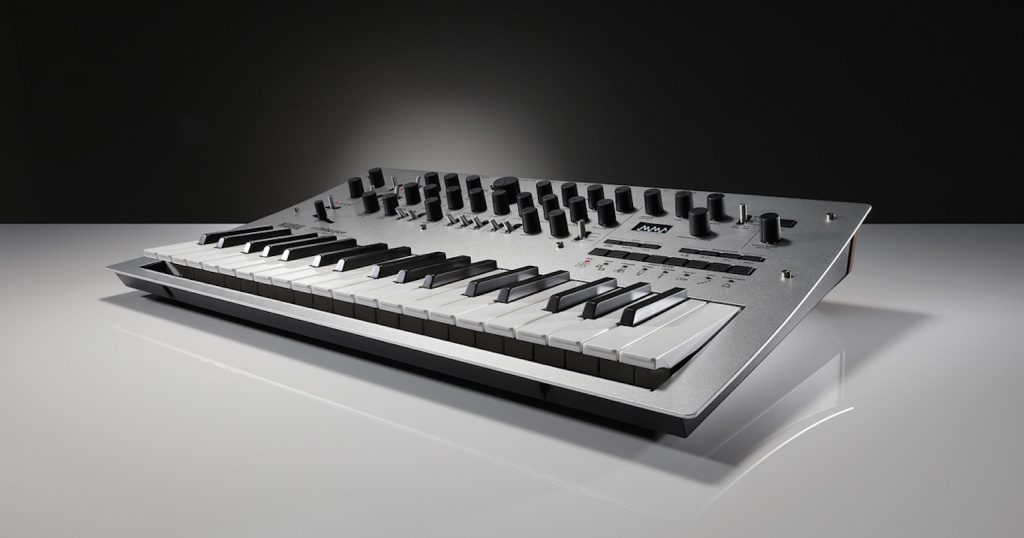
Wavefolding, a form of distortion that adds complex harmonics to a signal, is a powerful tool for adding grit, texture, and unique timbres to sounds. Korg’s Minilogue synthesizer incorporates a feature called "waveshaping," which functions similarly to wavefolding, allowing for the enrichment of its analog oscillators. Arturia has also integrated this concept into its "Brute" series, with the MiniBrute 2 and PolyBrute featuring a "Metalizer" effect that introduces intense wavefolding, capable of even processing external audio signals. These implementations bring the characteristic harshness and harmonic richness of West Coast synthesis into more accessible instruments.
Another key Buchla innovation is the low-pass gate (LPG). Unlike traditional VCA (Voltage Controlled Amplifier) and VCF (Voltage Controlled Filter) combinations, an LPG is a single module that combines filtering and amplitude control, often utilizing a vactrol (a light-dependent resistor and LED) to create a more organic, acoustic-like response. This interaction results in a softer, more natural decay and a unique percussive quality that is highly prized in West Coast synthesis.
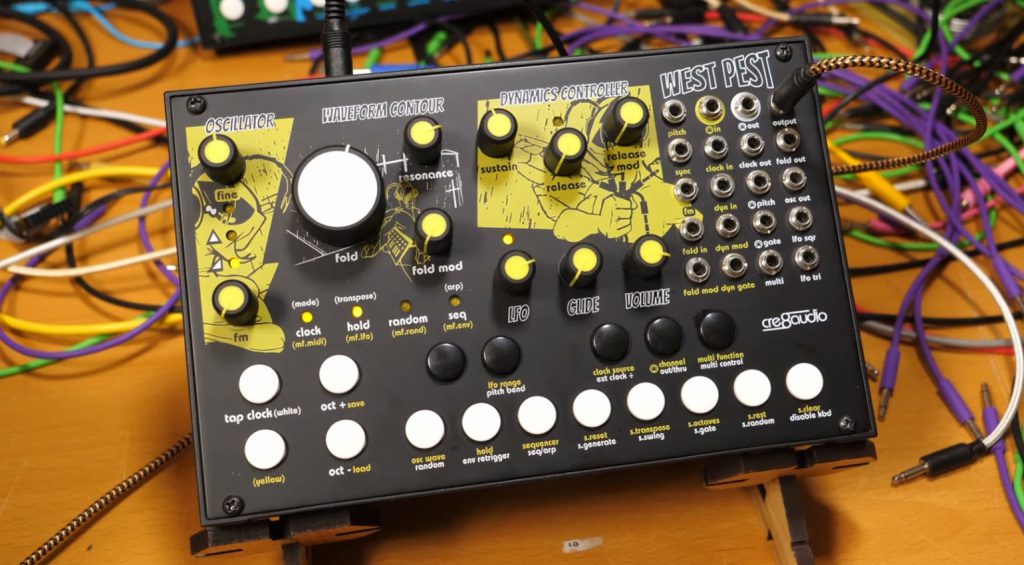
Eurorack manufacturers have extensively refined and reinterpreted the LPG concept. Instruments like Make Noise’s 0-Coast, a hybrid East Coast/West Coast tabletop synthesizer, feature a modified, non-vactrol LPG. The Cre8audio West Pest, designed in collaboration with Pittsburgh Modular, offers a modern take on the LPG, termed a "Dynamics Controller," alongside a wavefolder, embodying Buchla-esque sonic capabilities in a compact form. Even digital synthesizers are embracing these concepts; the ASM Hydrasynth includes a low-pass gate filter model, demonstrating the broad applicability and integration of these West Coast principles across different synthesis architectures.
The Taiga Keyboard: A Synthesis of Eurorack and Traditional Design
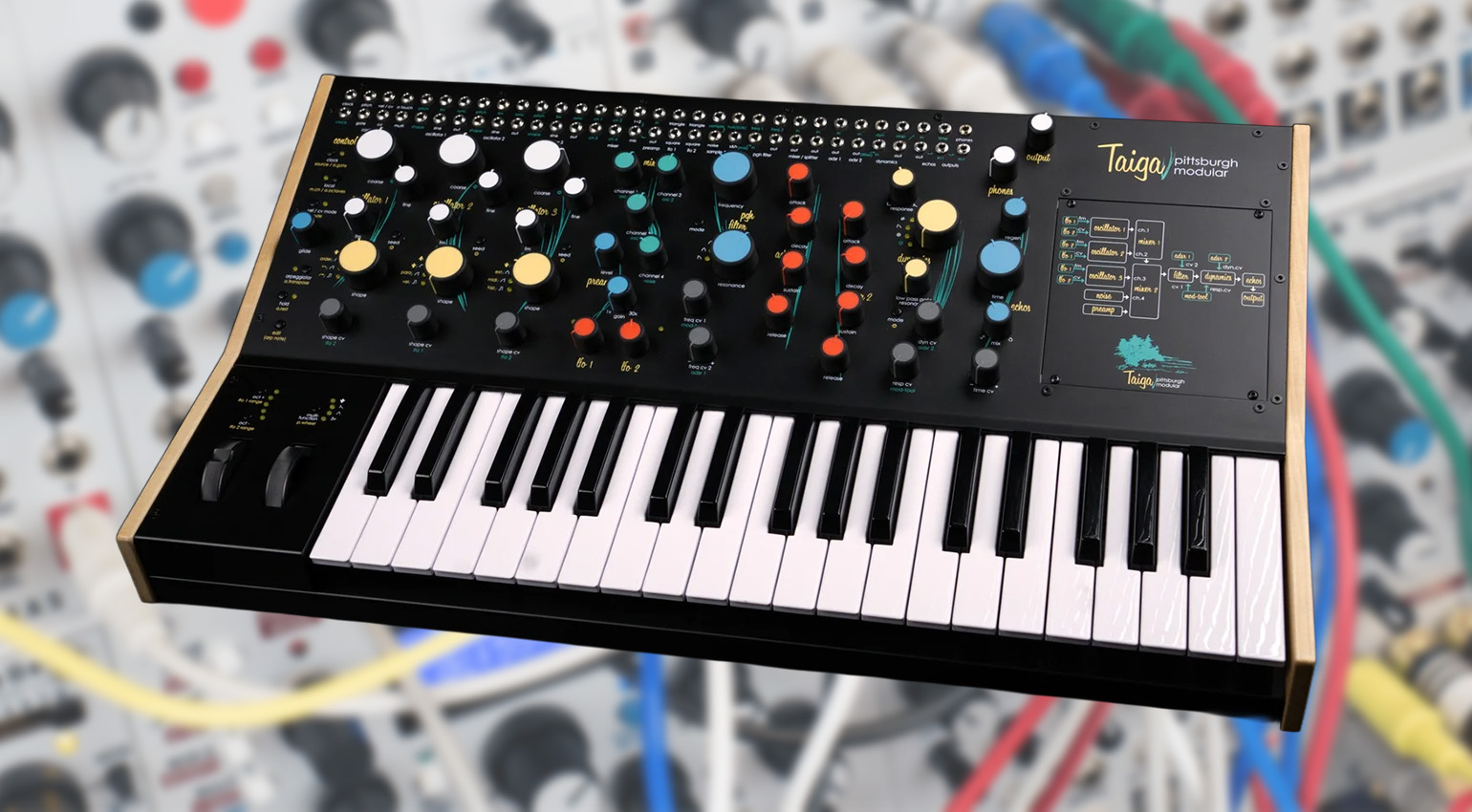
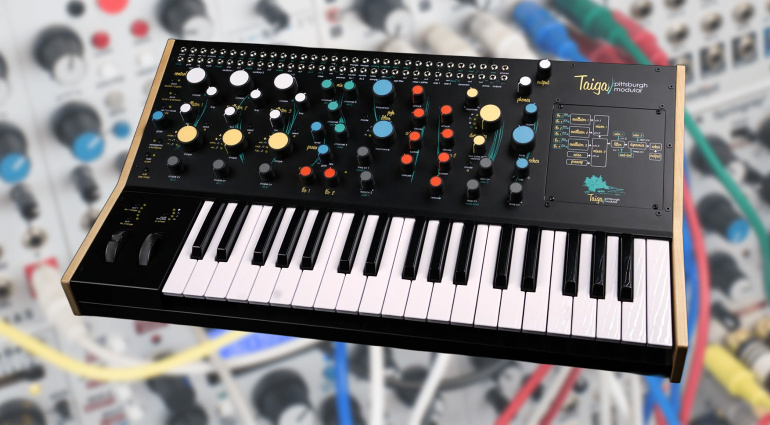
The Pittsburgh Modular Taiga Keyboard represents a significant milestone in the integration of Eurorack’s sonic power with the user-friendliness of traditional synthesizers. This instrument can be seen as the embodiment of the trends discussed, seamlessly blending the experimental potential of modular with a familiar, keyboard-based interface. The Taiga Keyboard features semi-modular patch points, a built-in wavefolder, the distinctive Dynamics Controller (a modern LPG), and, crucially, a powered Eurorack modular expansion bay. This expansion bay allows users to incorporate their own favorite Eurorack modules – effects, modulation sources, or even additional voices – directly into the instrument’s workflow, creating a truly personalized sonic ecosystem.
For those who prioritize raw sonic capability without the need for a keyboard or extensive Eurorack expansion, the original Pittsburgh Modular Taiga remains a compelling option. It captures the essence of West Coast synthesis in a standalone desktop unit, offering an attractive alternative for musicians seeking to explore these unique sonic territories. Historically, instruments like the Buchla Music Easel have occupied a similar space as the ultimate West Coast synthesizer, but their often prohibitive cost has made them inaccessible to many. The Taiga and Taiga Keyboard, in their respective forms, provide more attainable pathways to achieving that coveted sonic signature.
The ongoing evolution of synthesizer design, heavily influenced by the vibrant Eurorack community, is creating a fertile ground for innovation. As more manufacturers embrace modular principles and integrate them into accessible instruments, the barriers to entry for exploring complex and experimental sound design continue to fall. This democratization of modular synthesis promises to enrich the sonic landscape, empowering a new generation of musicians to push the boundaries of electronic music creation.