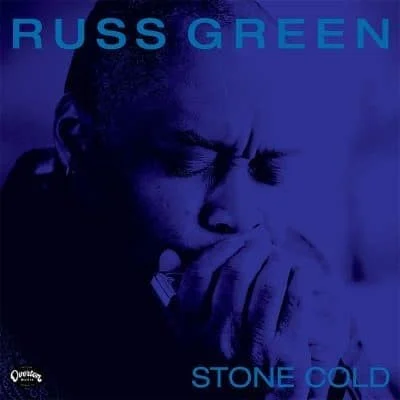
The contemporary Chicago blues landscape is a terrain defined by both its reverence for tradition and its periodic need for radical reinvention. In this context, the release of Stone Cold, the sophomore studio album from harmonica virtuoso and vocalist Russ Green, represents a significant milestone for the genre. Arriving via Overton Music, the ten-track, 50-minute collection serves as the long-anticipated successor to Green’s 2018 debut, City Soul. While the six-year gap between releases might suggest a period of quietude, the sheer sonic density and thematic maturity of Stone Cold indicate a period of intense creative refinement. The album is a muscular, sophisticated fusion of modern Chicago blues and high-octane blues-rock, anchored by Green’s distinctive "soul-soaked" vocal delivery and a harmonica style that balances technical precision with a raw, edge-of-abandon intensity.
The Evolution of a Chicago Mainstay
Russ Green’s trajectory within the blues community has been characterized by a multi-disciplinary approach to art. Known not only as a musician but also as a filmmaker and storyteller, Green brings a cinematic quality to his songwriting. His debut, City Soul, established him as a forward-thinking artist capable of blending the gritty sensibilities of the West Side sound with contemporary R&B and soul influences. Stone Cold, however, pushes these boundaries further, leaning into a heavier, more aggressive blues-rock aesthetic without sacrificing the soulful core that defines his work.
The chronological gap between 2018 and the present day has seen a shift in the global blues market, with a growing appetite for artists who can bridge the gap between the purist traditions of the 1950s and the amplified energy of the 21st century. Green’s decision to open the album with "Lint Redux" provides a literal and metaphorical bridge between his past and present. This track is a reimagining of "Lint In My Pocket" from his debut, yet it is stripped of any lingering polish, replaced by a grittier, more visceral arrangement. It serves as a statement of intent, signaling that while the artist remains rooted in his history, his sound has evolved into something more formidable.
Technical Mastery and Vocal Depth
One of the most striking aspects of Stone Cold is the equilibrium Green maintains between his instrumental prowess and his vocal performance. In the world of blues harmonica, players often fall into the trap of over-instrumentation, allowing the harp to overshadow the narrative of the song. Green avoids this pitfall. His harmonica work is "burnished" and integrated into the song structures, used to punctuate emotional beats rather than merely showcase speed.
On the minor-key slow blues track "I Believe," Green demonstrates a mastery of tone and space. His playing here is evocative, utilizing the harmonica to mimic the nuances of a human cry, a technique that harkens back to the foundational work of Little Walter but updated with a modern, high-fidelity clarity. Conversely, his vocals on Stone Cold have gained a newfound depth. Described as soulful and powerful, his voice carries the weight of the lyrical themes—ranging from infidelity and heartache to social observation and spiritual reflection. This vocal maturation allows Green to command the listener’s attention even when the harmonica is silent, a feat that distinguishes him from many of his contemporaries.
Collaborative Synergy: The Ensemble
The strength of Stone Cold is bolstered significantly by a hand-picked ensemble of Chicago’s finest session musicians and performers. The interplay between the various instruments creates a rich, textured backdrop that allows Green’s lead work to shine.

The guitar duties are split between Giles Corey and Vince Agwada, two stalwarts of the scene who bring distinct flavors to the record. Corey’s contributions often lean toward the "Steve Cropper-esque," characterized by clean, rhythmic precision and tasteful fills, most notably on the standout track "Waitin’ On You." In contrast, Agwada provides the "dirty" slide guitar work that defines the album’s more aggressive moments, such as the closing track "Boogie Joint."
The rhythm section, consisting of bassist Vic Jackson and drummer Felix "D-Kat" Pollard, provides a rock-solid foundation. Pollard’s drumming, in particular, is essential to the album’s "muscular" feel, driving the shuffle rhythms of "Troubled World" and the rock-heavy title track with unwavering momentum. Adding a layer of harmonic complexity is keyboardist Joe Monroe, whose work on the B3 organ and piano provides a bridge between the blues and rock elements of the album. On the title track "Stone Cold," Monroe’s organ work pays homage to the heavy, distorted style of early Deep Purple, adding a proto-metal edge to the traditional blues structure.
Track-by-Track Analysis and Thematic Range
Stone Cold is a well-paced journey through the various sub-genres of the blues. The title track, "Stone Cold," is a high-energy narrative of betrayal and infidelity. Green’s lyrics—"Early one Sunday morning, I went down to the river to see what I could see. I heard my baby tell the preacher man that she loves everybody but me"—utilize classic blues tropes but deliver them with a modern, cynical wit.
The album also explores more relaxed, experimental territories. "Waitin’ On You" incorporates a "cod-reggae" backing, a rhythmic choice that could have felt out of place in the hands of a less skilled arranger. However, Monroe’s keyboards and Corey’s rhythmic guitar work blend seamlessly, creating a soulful, mid-tempo groove that highlights Green’s vocal versatility.
"Nobody Knows" represents the acoustic side of the record. A relaxed shuffle with an "unusual chord progression," the song offers a message of love and resilience, proving that Green is just as effective in a stripped-back setting as he is in front of a full electric band. "Need You So Bad" introduces a hint of jazz into the proceedings, with Monroe’s sophisticated chord voicings and Green’s melodic harp lines suggesting a late-night, smoky club atmosphere.
The album reaches its climax with "Boogie Joint," a high-octane tribute to the golden era of the Chicago blues scene. Green’s lyrics reminisce about "how blues used to be, seven nights a week and all night long," while the band delivers a ferocious performance that serves as a reminder that the genre is very much alive and evolving.
Production and Engineering Excellence
The sonic quality of Stone Cold is a testament to the high standards of the Chicago recording industry. Produced by Green himself, the album was recorded, mixed, and mastered by Rick Barnes at Rax Trax Recording. Rax Trax has long been a staple of the Chicago music scene, known for its ability to capture the warmth of analog sounds while maintaining the crispness of modern digital recording.

The production on Stone Cold is transparent and balanced. Every instrument has its own space in the mix, from the low-end thump of Jackson’s bass to the high-frequency "bite" of Green’s harmonica. This clarity is crucial for a blues-rock album, as it prevents the denser arrangements from becoming muddy or overwhelming. The result is a recording that feels "live" and immediate, capturing the energy of a Chicago blues club while providing the polished listening experience expected of a major studio release.
Broader Impact on the Blues Genre
The release of Stone Cold comes at a time when the blues is undergoing a period of self-reflection. As the legends of the post-war era pass on, the responsibility of carrying the torch falls to artists like Russ Green. This album demonstrates that "carrying the torch" does not mean mere imitation. By incorporating influences from Jimi Hendrix, 1970s hard rock, and contemporary soul, Green is expanding the vocabulary of the Chicago blues.
Industry analysts suggest that Stone Cold is likely to be a strong contender for various blues awards in the coming year, particularly in categories related to harmonica performance and contemporary blues album of the year. The album’s ability to appeal to both traditionalists and fans of modern rock gives it a broad market potential that is often elusive for niche genre releases.
Furthermore, Green’s success as a self-produced artist on a label like Overton Music highlights the shifting dynamics of the music industry. In an era where major labels often overlook roots music, independent ventures and artist-led projects are becoming the primary drivers of innovation in the blues.
Conclusion: A Definitive Statement
Stone Cold is more than just a collection of ten songs; it is a definitive statement from an artist at the peak of his powers. Russ Green has managed to craft an album that is both a tribute to his Chicago roots and a bold step into the future. Through its expert musicianship, intelligent songwriting, and top-tier production, Stone Cold solidifies Green’s position as one of the most important voices in modern blues. For listeners seeking a record that combines emotional depth with raw power, this release is an essential addition to the 2024 musical landscape. The long wait for this sophomore effort has been justified by the quality of the work, ensuring that Russ Green remains a central figure in the ongoing story of the blues.