The 5th Annual Earl Scruggs Music Festival Celebrates Bluegrass Legacy in Mill Spring, North Carolina

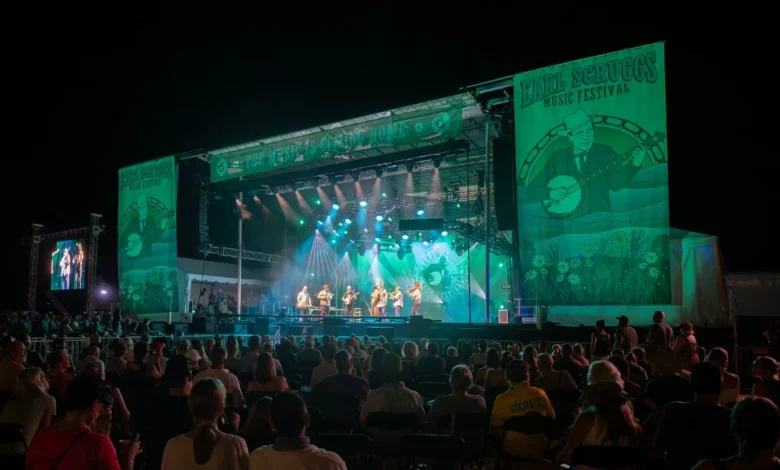
The 5th annual Earl Scruggs Music Festival successfully concluded its three-day run on September 4–6, 2026, transforming the Tryon International Equestrian Center in Mill Spring, North Carolina, into the epicenter of the American roots and bluegrass world. Established to honor the monumental musical legacy of banjo pioneer Earl Scruggs, the landmark 2026 edition drew massive crowds who braved high late-summer temperatures and sporadic weather delays to witness an elite, multi-generational lineup of Grammy winners, International Bluegrass Music Association (IBMA) honorees, Grand Ole Opry legends, and rising innovators.
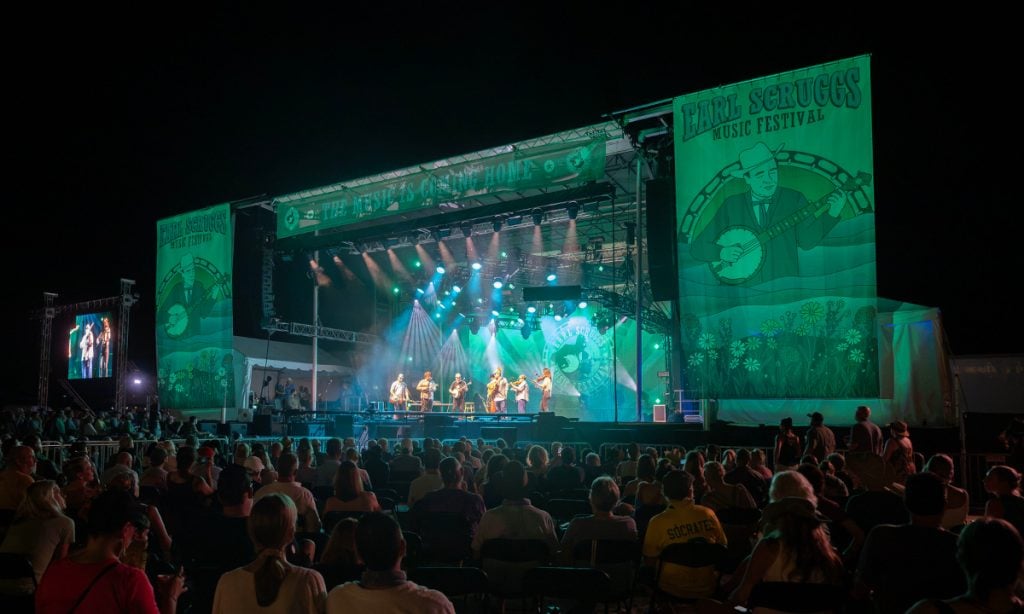
Organized to fulfill a core mission of preserving Scruggs’ innovative three-finger banjo style while inspiring future generations of musicians and fans, the festival featured multiple concurrent stages showcasing the expansive breadth of modern acoustic music.
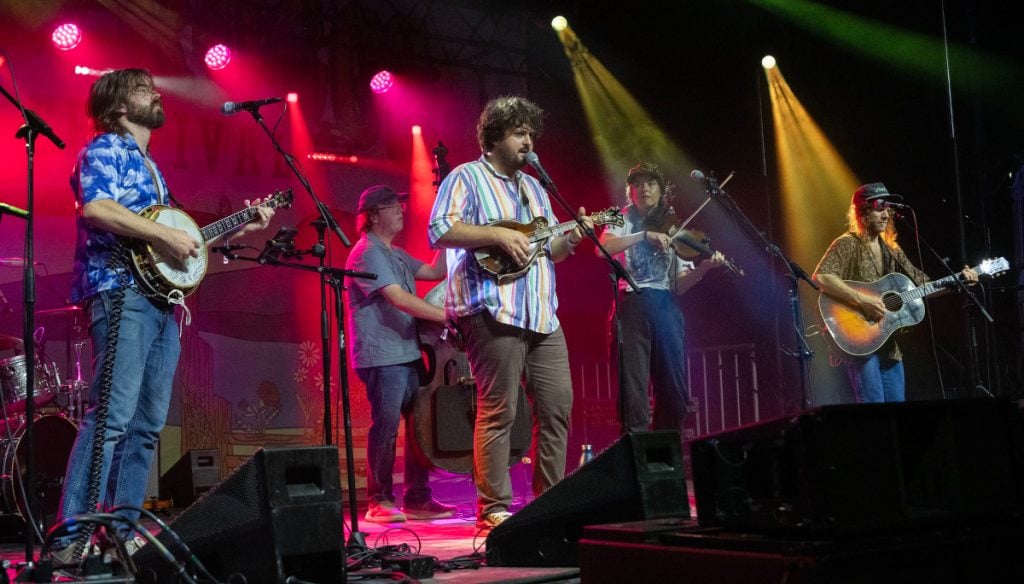
Opening Night and High-Profile Collaborations
The festival commenced on Friday, September 4, with critically acclaimed performances that set a high artistic standard for the weekend. Among the early highlights was a transcendent set by acoustic visionary Béla Fleck and his ensemble My Bluegrass Heart, alongside an equally energetic performance by Jerry Douglas, Shawn Camp, and the award-winning tradition-bearers Earls of Leicester. These opening sets immediately established the event’s dual commitment to progressive exploration and historical reverence, drawing praise from roots music critics and purists alike.
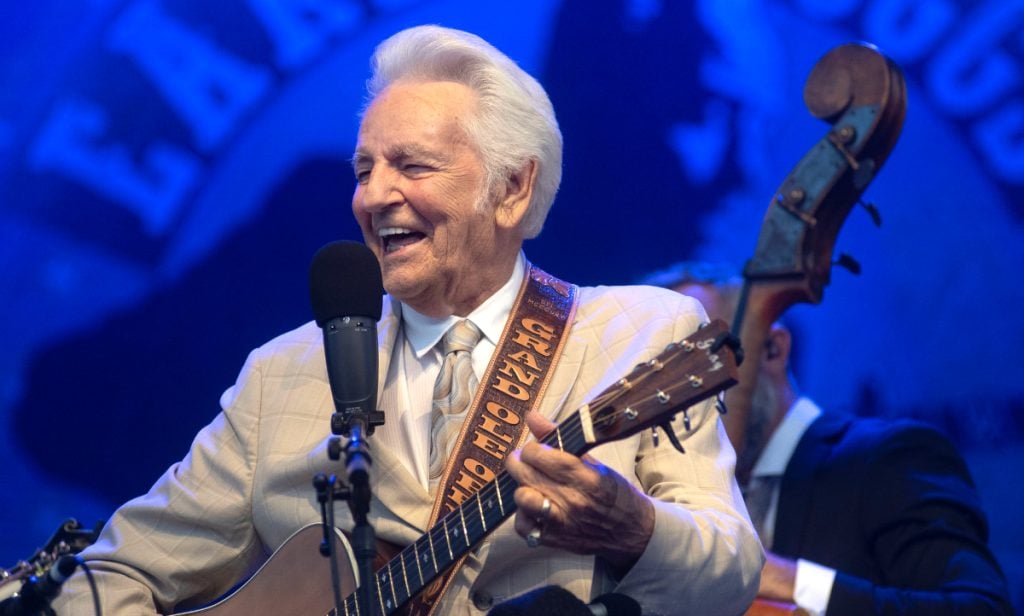
As the weekend progressed, impromptu and carefully curated collaborations emerged as a defining characteristic of the 2026 festival. Notable among them was "The Scruggs Sessions," hosted by Infamous Stringdusters bassist Travis Book. Despite having zero rehearsal time, Book assembled an all-star rotating cast—featuring members of East Nash Grass, Greensky Bluegrass dobro player Anders Beck, and Grammy-winning former Steep Canyon Rangers member Woody Platt—to deliver a masterclass in classic Flatt and Scruggs repertory. A particularly memorable moment occurred when Special Consensus banjo player Greg Cahill shared a single instrument with guest Alison Brown for a rare, synchronized banjo duet.
Standout Performances Across the Generations
Traditional Standard-Bearers Keep the Flame Alive
The festival provided a vital platform for heritage acts bridging past decades with contemporary touring circuits. Bluegrass royalty Del McCoury took to the Flint Hill Stage on Saturday night to a rapturous reception. Flanked by his sons and grandson in the storied Del McCoury Band, the octogenarian leader delivered a masterclass in high mountain tenor singing and tight family-band cohesion. Proving that his interpretive and vocal command remains intact, McCoury anchored a lengthy headlining set that served as an emotional anchor for the weekend.
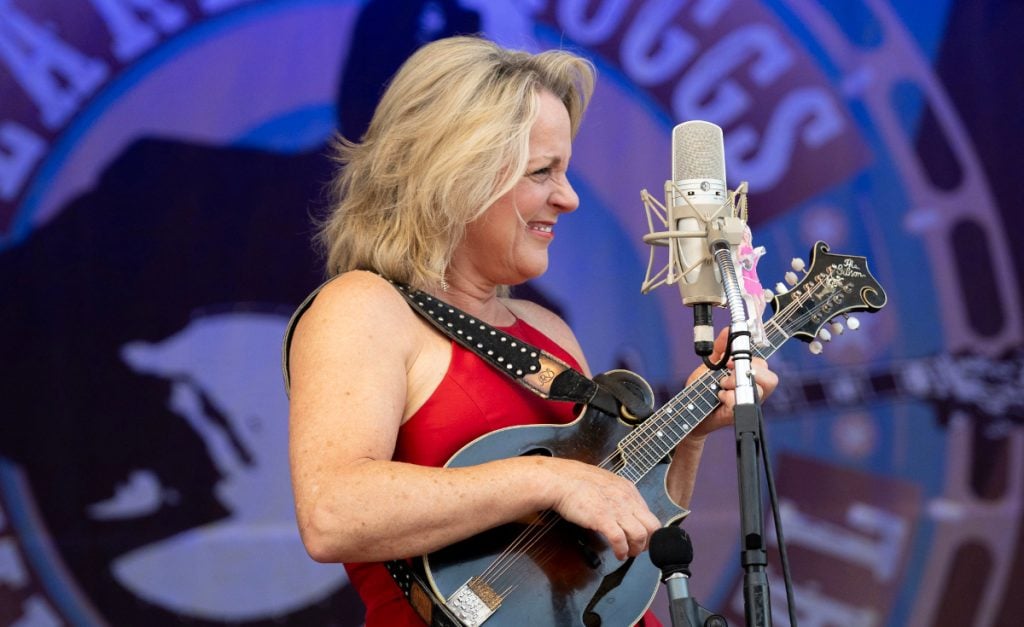
Similarly, Rhonda Vincent, widely celebrated as the Queen of Bluegrass, delivered an energetic, crowd-pleasing performance with her backing band, The Rage. Beyond showcasing her renowned mandolin and vocal talents, Vincent integrated twin-fiddle harmonies alongside band member Adam Haynes, notably on a roots-infused cover of John Denver’s "Take Me Home, Country Roads." Vincent’s set successfully blended traditional staples like Ernest Tubb’s "Drivin’ Nails In My Coffin" with bluegrass-reimagined pop classics like Dolly Parton’s "9 to 5," providing an essential communal lift during the hottest hours of the afternoon.
Progressive Innovators and Jam-Grass Pioneers
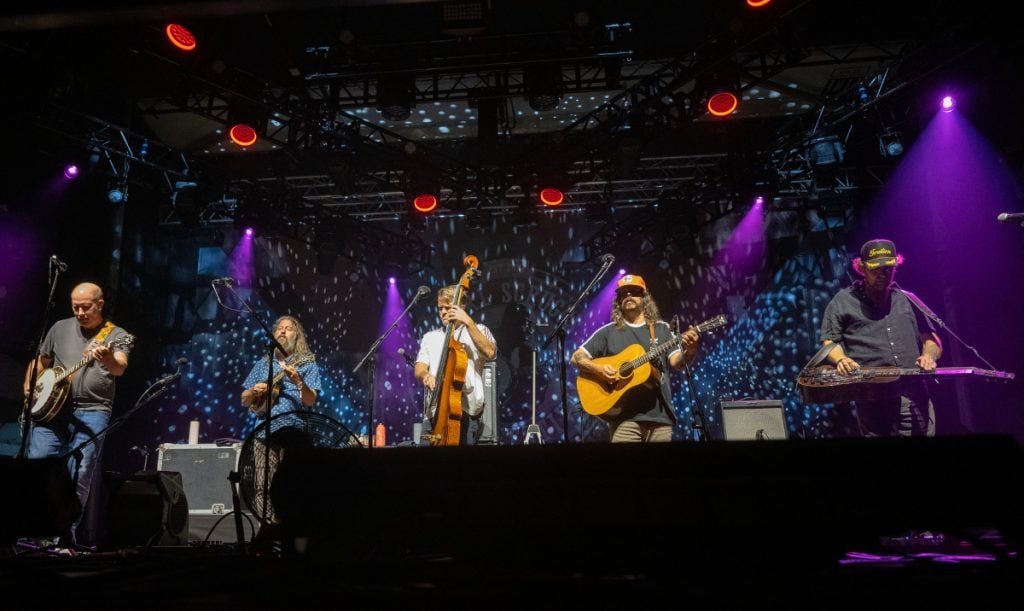
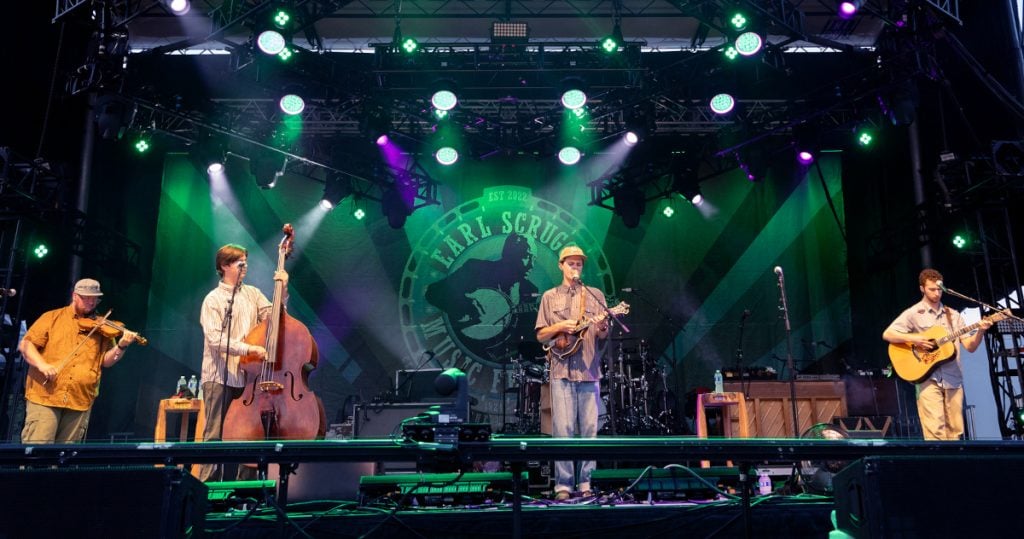
Pushing the boundaries of the genre, Greensky Bluegrass brought their signature high-energy improvisational style and sophisticated lighting production to the Saturday night schedule. Celebrating their third decade as a touring entity, the Kalamazoo, Michigan-born group balanced experimental sonic journeys with sharp songwriting and traditional instrumental execution, anchored by the rapid-fire dobro mastery of Anders Beck and the unconventional banjo phrasing of Michael Arlen Bont.
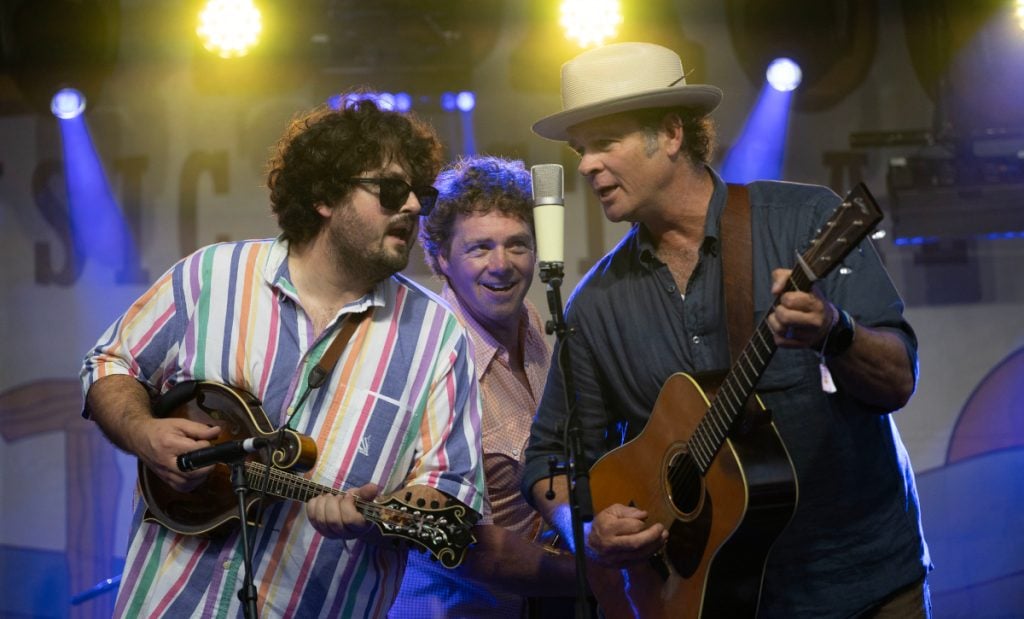
Simultaneously, East Nash Grass emerged as one of the festival’s breakout critical favorites. Demonstrating a gritty, punk-infused swagger reminiscent of 1970s progressive icons New Grass Revival, the band populated multiple stages throughout the weekend. Driven by the blazing mandolin and vocals of frontman Harry Clark, the fierce fiddling of Maddie Denton, flatpicker Frank Rische, and precise Scruggs-style banjo player Cory Walker, East Nash Grass underscored the vibrant health of the genre’s underground touring circuit.
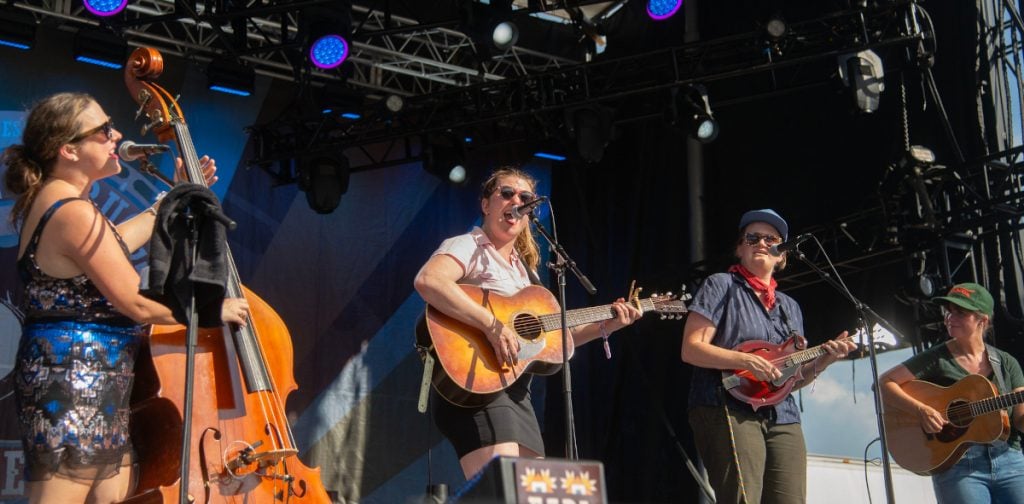
The festival also highlighted the meteoric rise of the Mountain Grass Unit. Fresh off appearances at major national venues and a recent Grand Ole Opry guest slot with Del McCoury, the young progressive trio showcased cuts from their newly released album, Appalachian Smoke. Their primetime set deftly balanced original compositions with historical tributes to Bill Monroe and Flatt and Scruggs, confirming their trajectory as torchbearers for the next wave of acoustic music.
Amplifying Women in Roots and Bluegrass
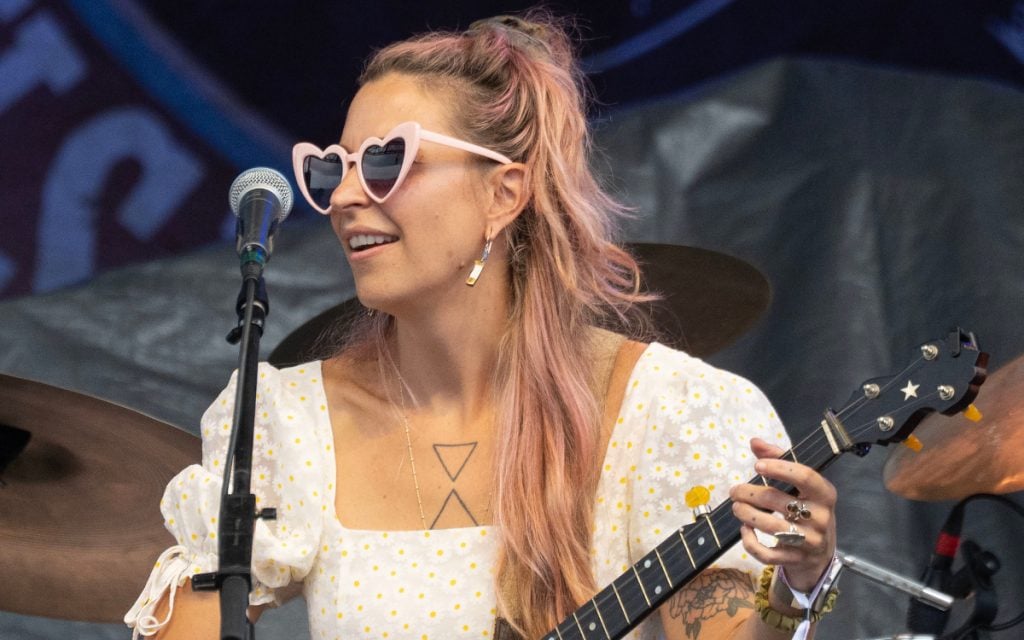
Representation and historical recognition played a central role in the weekend’s programming. Singer-songwriter Lindsay Lou captivated Sunday audiences with material from her critically acclaimed album Bluegrass Women, a ten-song collection of historical compositions by female pioneers such as Olabelle, Ma Rainey, and Elizabeth Cotton. Performing alongside an all-female backing band, Lindsay Lou highlighted the foundational contributions of women to American roots music.
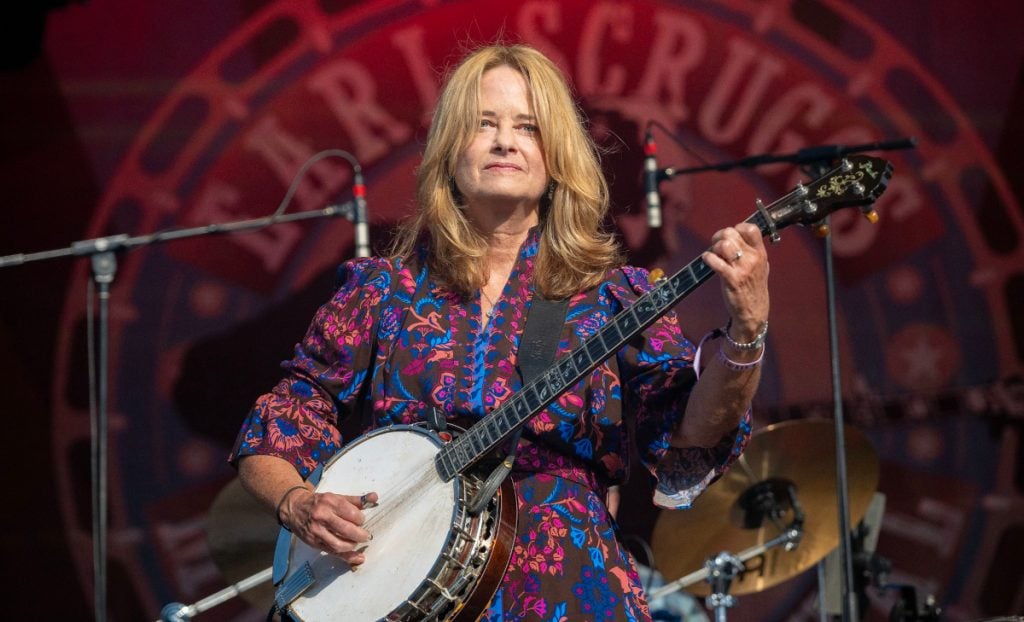
Della Mae, fronted by veteran vocalist Celia Woodsmith and featuring bassist Vicki Vaughn, delivered a dynamic, high-energy set on Sunday afternoon. Joined by Bay Area bluegrass legend Laurie Lewis, the ensemble fused powerful vocal harmonies with intricate instrumental arrangements.
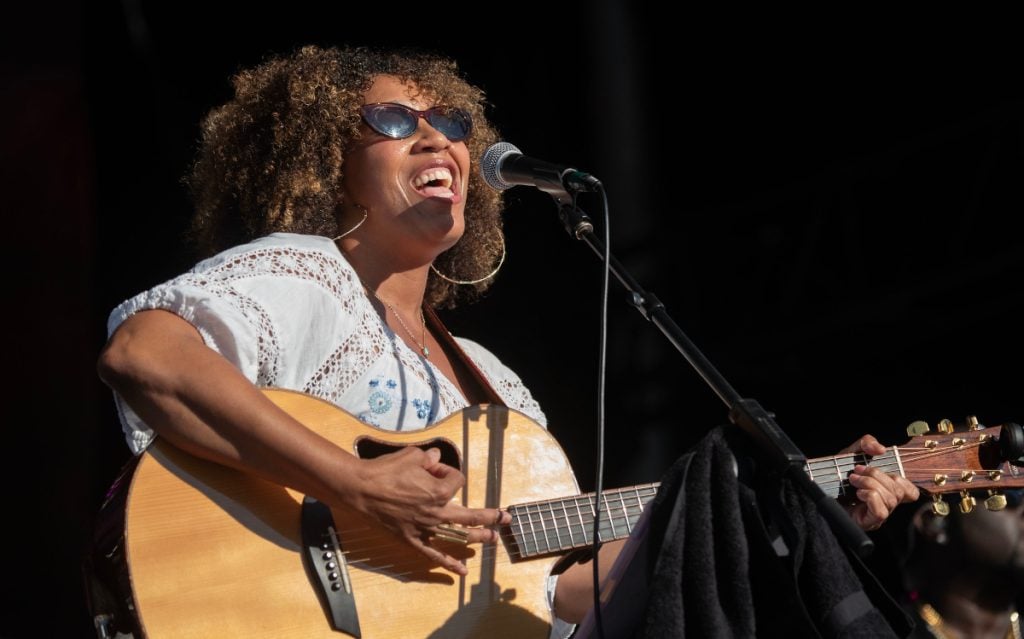
Renowned banjo virtuoso Alison Brown maintained a relentless schedule throughout the festival, appearing across multiple stages as both a bandleader and a ubiquitous guest picker. Integrating eclectic jazz and Brazilian rhythmic elements with traditional bluegrass, Brown’s performances underscored her ongoing efforts to expand the sonic vocabulary of the five-string banjo, echoing the boundary-pushing ethos of Earl Scruggs himself.
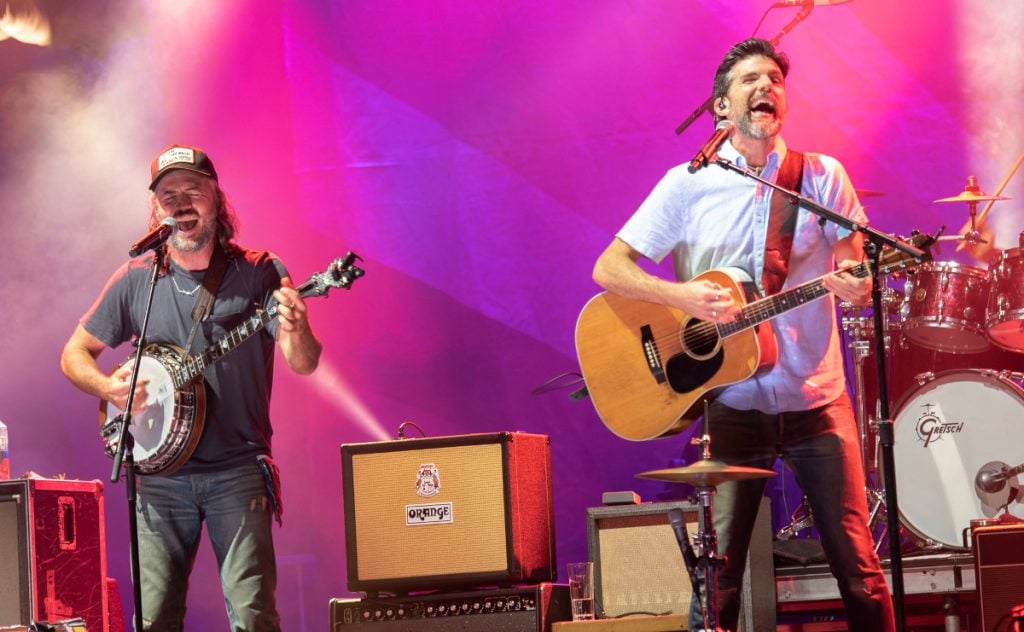
Grand Finale and Economic-Cultural Implications
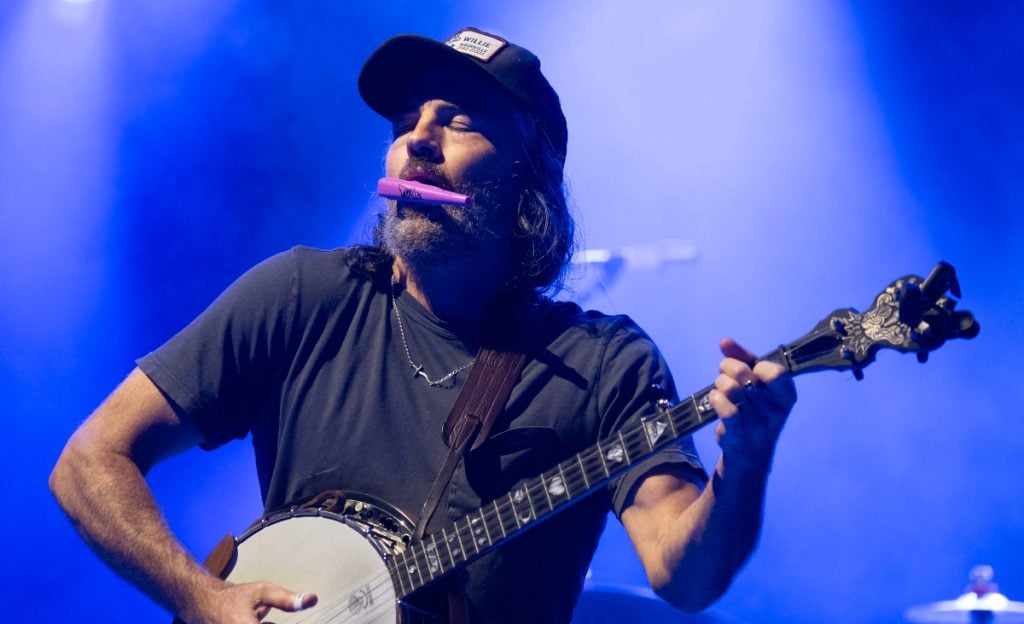
The festival reached its commercial and energetic zenith on Sunday evening with a headlining performance by The Avett Brothers. Hailing from nearby Concord, North Carolina, the folk-rock icons played to a capacity crowd at the Flint Hill Stage. Seamlessly blending high-octane rock-and-roll showmanship with intimate acoustic harmonies and Scott Avett’s foundational clawhammer banjo playing, the band provided a fittingly grandiose conclusion to the weekend’s events.
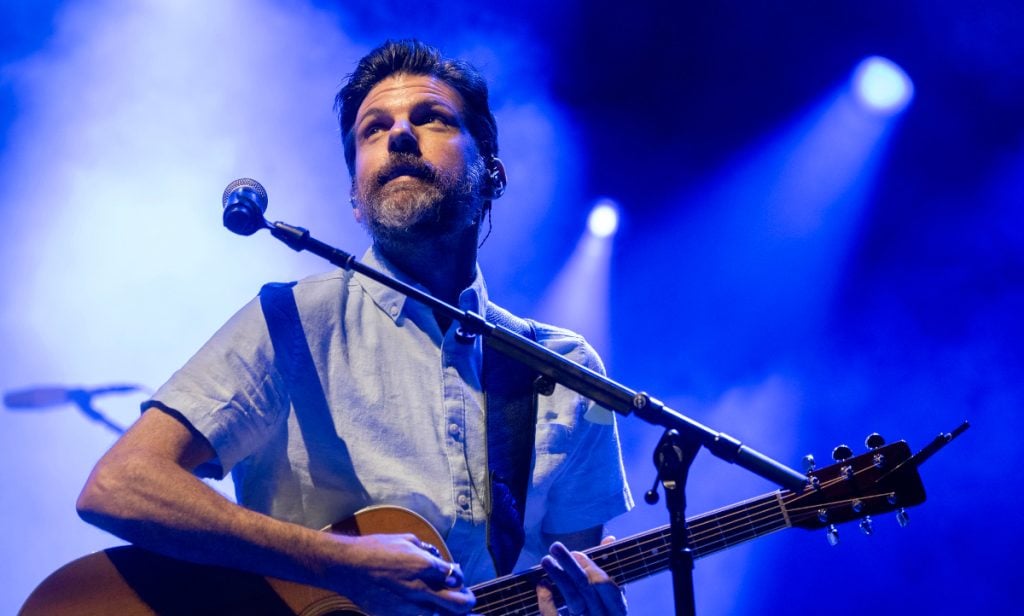
Speaking to the assembled audience just prior to the final performance, festival founder JT Scruggs—nephew of Earl Scruggs—expressed profound gratitude to the patrons, artists, and production staff who braved the challenging late-summer meteorological conditions. Scruggs confirmed that planning for the 2027 festival is already underway, reinforcing the event’s permanent fixture status on the international roots music calendar.
From an analytical standpoint, the 5th annual Earl Scruggs Music Festival highlights the robust economic and cultural viability of independent, genre-specific destination festivals in the Southeast. By intentionally curating bills that place heritage legends side-by-side with progressive innovators and educational workshops for young pickers, the festival acts as an essential incubator for the preservation and evolution of American roots music. As demonstrated by the enthusiastic demographic diversity of the 2026 crowds, the cultural blueprint laid down by Earl Scruggs nearly a century ago continues to thrive, adapt, and inspire new generations of artists and fans alike.