Tyrese Gibson Cleared of Animal Cruelty Charges Following Fatal Cane Corso Attack in Buckhead Community

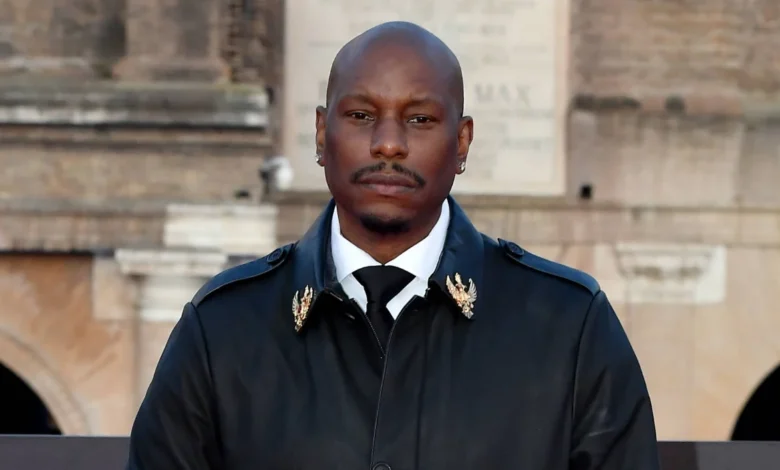
The legal proceedings surrounding actor and singer Tyrese Gibson reached a definitive conclusion in September 2026, as the star successfully completed a pretrial diversion program, resulting in the dismissal of all criminal charges related to a fatal dog attack in Atlanta’s affluent Buckhead neighborhood. The case, which drew significant public attention due to the high profile of the defendant and the gruesome nature of the incident, began following a September 18, 2025, attack in which four Cane Corsos owned by Gibson mauled a neighbor’s five-year-old Cavalier King Charles Spaniel, named Henry.
The resolution of the case marks the end of a year-long ordeal that placed Gibson in the crosshairs of local law enforcement and animal control authorities. While the criminal charges—which included animal cruelty, allowing a dog to run at large, and various nuisance violations—have been dismissed, the event serves as a stark case study in pet owner liability and the consequences of systemic negligence in residential settings.
Chronology of the Incident and Legal Proceedings
The tragedy unfolded on the morning of September 18, 2025. According to official police reports and subsequent witness accounts, the four Cane Corsos, a breed known for its size and protective instincts, escaped their enclosure. Doorbell camera footage obtained during the investigation provided a damning narrative, showing the dogs roaming freely through the residential streets of Buckhead. In the minutes leading up to the fatal encounter, the dogs were captured on video scratching at the doors of various homes, suggesting a lack of containment that had persisted for some time.
The encounter with Henry, the Cavalier King Charles Spaniel belonging to neighbor Harrison Parker, was swift and fatal. Parker contacted 911 immediately following the incident, triggering an investigation that would eventually lead to the actor’s surrender at the Fulton County Jail in October 2025. Following his arrest and subsequent release on bond, Gibson was forced to navigate a legal landscape complicated by a documented history of complaints.
The Pattern of Negligence
A critical component of the prosecution’s initial case was the existence of prior reports regarding the dogs’ behavior. Records from the Atlanta animal control authorities revealed that in the ten days preceding the fatal attack, there were at least five documented instances of Gibson’s dogs running at large in the neighborhood. Despite receiving multiple formal warnings from local authorities to secure his property and control his animals, the environment remained insecure.
Legal experts have noted that this pattern of prior warnings significantly elevated the actor’s potential liability. In the eyes of the law, "negligent entrustment" or failure to maintain adequate control over animals—particularly large, powerful breeds—can transform a civil matter into a criminal one when it results in clear harm to persons or property. The recurring nature of the reports before the September 18 incident provided the state with the necessary evidence to pursue animal cruelty charges, which are generally reserved for cases involving gross recklessness or intentional harm.
Defense Strategy and Diversionary Resolution
Gibson, represented by attorney Gabe Banks of the Banks Weaver Law Firm, opted for a legal strategy that prioritized accountability and remedial action over a protracted court battle. By entering a pretrial diversion program, Gibson was required to fulfill specific criteria, including the permanent removal of the animals from his possession and, presumably, restitution or other community-based requirements set by the court.
Pretrial diversion programs are designed to provide first-time offenders an opportunity to avoid the stigma of a permanent criminal record by demonstrating remorse and proactive change. Throughout the process, Gibson maintained that he was not present during the attack and that he was deeply shaken by the outcome. In statements released through his legal counsel, the actor emphasized his history as a long-time dog owner, asserting that he had never trained his animals to exhibit aggressive behavior toward other pets or humans.
Corporate and Social Implications for the Owner
The fallout from the incident extended beyond the courtroom. Recognizing the severity of the situation and the inherent risks associated with housing such large animals in a dense residential area, Gibson made the decision to rehome the four adult Cane Corsos, as well as three puppies that were under his care at the time. This decision was presented as a responsible step to mitigate future liability and ensure the safety of his neighbors.
For a public figure like Gibson, the incident posed significant risks to his reputation. His public statements, which characterized him as an "empath" deeply saddened by the loss of the neighbor’s pet, were intended to bridge the gap between his celebrity persona and the reality of the tragedy. However, the contrast between the high-profile nature of his career and the visceral, local tragedy of a neighbor losing a pet created a narrative challenge that necessitated a swift and humble resolution.
The Regulatory Landscape of Pet Ownership in Atlanta
The case has also reignited local discussions regarding the enforcement of leash laws and containment requirements in upscale Atlanta neighborhoods. Critics of the city’s current animal control infrastructure argue that the frequency of the reports leading up to the tragedy suggests a failure in the system to act decisively before a fatal event occurs.
The Buckhead incident serves as a reminder that the responsibility of a pet owner is not merely to provide for the animal, but to ensure that the animal does not infringe upon the safety and peace of the surrounding community. For Cane Corso owners, the breed’s physicality demands a higher standard of containment and training. The case has become a reference point for local homeowners’ associations and municipal boards as they evaluate how to handle recurring nuisance reports involving large, powerful breeds.
Analysis of Legal Precedents and Outcomes
From a legal standpoint, the dismissal of charges through a diversion program is an outcome that benefits both the state and the defendant. For the state, it avoids the costs of a high-profile trial while ensuring that the perpetrator of the negligence is effectively removed from the situation. For Gibson, it provides a path to closure.
However, the civil implications of the event likely continue to linger. While criminal charges have been dropped, civil lawsuits regarding damages, emotional distress, and the value of the property (the deceased dog) remain separate, often private, legal matters. In many cases of this nature, private settlements are reached outside of the public eye to avoid further litigation.
Conclusion: A Lesson in Responsibility
The conclusion of the legal saga involving Tyrese Gibson and the death of his neighbor’s pet provides a somber lesson in pet ownership. The transition from a series of "minor" reports of dogs running loose to a fatal incident is a trajectory that many pet owners fail to recognize until it is too late. The legal system’s decision to allow for a pretrial diversion program acknowledges the severity of the outcome while providing a pathway for the owner to address the systemic failures that allowed the tragedy to occur.
As the community of Buckhead moves forward, the case remains a testament to the fact that public stature does not exempt individuals from the basic requirements of neighborly responsibility and municipal law. The permanent removal of the animals from the property and the completion of the diversion program mark the formal end of this chapter, but the broader conversation regarding responsible pet ownership in urban environments will undoubtedly continue. The life of Henry, the five-year-old Cavalier King Charles Spaniel, serves as the tragic focal point of this entire ordeal, reminding the public that behind every news headline about legal maneuvering and celebrity life lies a profound and irrevocable loss for a family in the neighborhood.