Trump Orders Immediate Closure of The Kennedy Center Amid Escalating Legal Battle Over Renovation and Rebranding

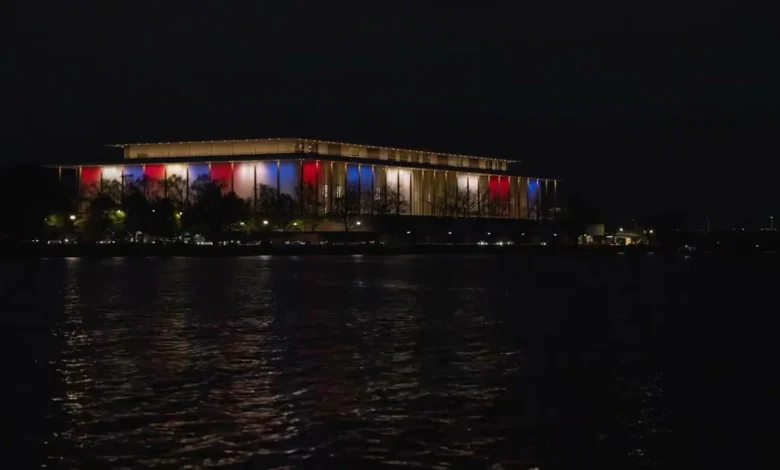
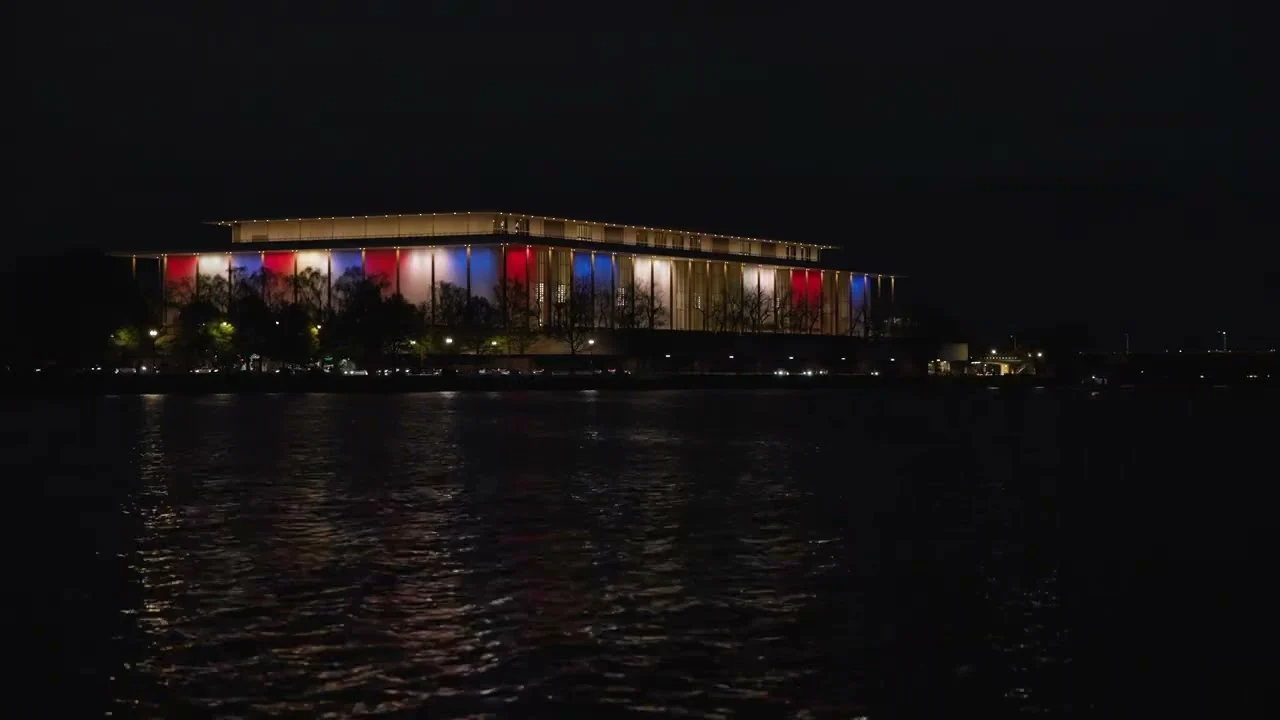
President Donald J. Trump announced via social media that the John F. Kennedy Center for the Performing Arts would close its doors immediately, citing unspecified safety concerns and the commencement of a sweeping structural reconstruction. The abrupt announcement marks a dramatic escalation in an ongoing cultural and legal conflict centered on the executive branch’s efforts to rename the iconic national institution and alter its administrative governance.
According to statements published by the president on Truth Social, the comprehensive renovation initiative—described in executive communications as a complex, large-scale engineering undertaking—will remain contingent upon judicial outcomes. Specifically, the president stated that the physical reconstruction cannot proceed until the United States Court of Appeals for the District of Columbia Circuit issues a definitive ruling regarding a board-approved name change.
Trump explicitly indicated that if the appellate court’s ruling proves unfavorable to his administration—thereby barring the installation of his presidential surname on the national monument—the planned reconstruction project will be canceled entirely. Furthermore, the administration has appealed to the Supreme Court of the United States to overturn a lower federal court injunction that currently prohibits the executive branch from affixing presidential memorials to the structure without explicit legislative authorization from Congress.
The Naming Saga and Immediate Legal Repercussions
The sudden shuttering of the performing arts center represents the latest chapter in a high-stakes dispute that has quickly emerged as a defining flashpoint of the second Trump administration. Hours prior to the closure announcement, a federal judge issued a decisive ruling blocking the administration’s ongoing campaign to rebrand the federal cultural institution.
In the written opinion, the presiding judge underscored the constitutional limitations of executive authority, writing, "Simply put, Defendants cannot install memorials for President Trump or anyone or anything else at the Kennedy Center without Congress’s blessing."
The federal judiciary’s intervention follows months of mounting friction between the White House and the leadership of the nation’s premier performing arts facility. The dispute has profoundly disrupted the operational stability of the institution, which serves as a central pillar of the Washington, D.C., cultural landscape. Key resident companies, including the Washington National Opera and the National Symphony Orchestra, have faced severe financial instability and operational displacement amid the protracted administrative turmoil.
Financial Claims and Philanthropic Discrepancies
In his social media statements defending the closure, President Trump asserted that his administration successfully secured $17 million in external funding designed to keep the performing arts center financially afloat during a period of acute budgetary strain. However, arts administrators and congressional watchdogs have questioned the origin, allocation, and oversight of these funds, noting that standard federal accounting procedures for national cultural institutions require transparent congressional appropriation rather than ad-hoc executive fundraising campaigns.
The administration’s sudden focus on the physical infrastructure of the Kennedy Center contrasts sharply with its broader fiscal posture toward the arts. Throughout both his first and second terms, President Trump has consistently proposed the complete elimination of the National Endowment for the Arts (NEA) from the federal budget. Executive budget proposals have repeatedly sought to strip federal funding from the independent federal agency, arguing that public support for the arts should align strictly with executive priorities or rely entirely on private philanthropy.
Chronology of the Kennedy Center Conflict
The developments surrounding the Kennedy Center are part of a rapid sequence of events that have unfolded over the past several months:
- Initial Rebranding Push: Following executive appointments to the Kennedy Center’s governing board, the administration initiated proposals to incorporate the Trump name into the facility’s official designation, sparking immediate pushback from historians, lawmakers, and cultural advocates.
- Congressional Deadlock: Attempts by the executive branch to secure legislative approval for the name change stalled in Congress, prompting the administration to pursue unilateral regulatory and administrative actions.
- Resident Disruption: Major resident organizations reported severe financial shortfalls and displacement concerns. The Washington National Opera announced plans to depart the facility, while the National Symphony Orchestra faced acute budgetary crises.
- Federal Court Injunction: A federal district court ruled against the executive branch, declaring that memorializations and namings at federal monuments require explicit statutory authorization from Congress.
- Executive Retaliation and Closure: Hours after the judicial ruling, President Trump announced the immediate closure of the building, tying future renovations directly to the success of pending appeals before the D.C. Circuit and the Supreme Court.
Broader Economic and Geopolitical Context
The closure of the national performing arts center unfolds against a backdrop of significant domestic and international crises that continue to weigh heavily on the American public. While the executive branch remains preoccupied with the legal status of the building’s moniker, the United States is engaged in an active military conflict with Iran, creating severe volatility in international shipping lanes, notably through the Strait of Hormuz.
Domestic economic indicators reflect widespread strain stemming from these geopolitical tensions and domestic policy decisions. The national average for regular unleaded gasoline has surged past $4.00 per gallon, marking an increase of approximately 40 percent since the commencement of military operations involving Iran. Economists note that energy costs continue to ripple through supply chains, driving up transportation and production expenses nationwide.
Concurrently, average American households are experiencing persistent inflationary pressures on essential goods. Grocery prices and consumer commodities have continued to rise steadily under the administration’s broader economic platform, which relies heavily on sweeping import tariffs. Financial analysts point out that while the administration directs considerable political capital toward cultural disputes in the nation’s capital, consumers face compounding financial burdens at the pump and the grocery checkout counter.
Implications for Cultural Institutions and Federal Oversight
Legal scholars and policy analysts suggest that the confrontation over the Kennedy Center establishes a profound precedent regarding the limits of executive power over federal property and national monuments. The Antiquities Act, federal property statutes, and specific congressional charters governing institutions like the Smithsonian and the Kennedy Center have historically placed tight statutory boundaries on executive overreach, ensuring that federal landmarks remain protected under bipartisan legislative oversight.
The immediate cessation of operations at the venue leaves hundreds of administrative personnel, musicians, actors, and technical crew members facing professional uncertainty. Furthermore, the suspension of performances deals a heavy blow to the tourism and hospitality economy of Washington, D.C., which relies significantly on the cultural programming offered by the national center.
As the legal briefs are prepared for the D.C. Circuit Court of Appeals and potential review by the Supreme Court, the future of the John F. Kennedy Center for the Performing Arts remains deeply uncertain. What began as a dispute over institutional nomenclature has transformed into a multifaceted crisis encompassing administrative authority, the preservation of federal cultural infrastructure, and the prioritization of executive governance amid pressing national and international challenges.