Elgato Stream Deck is transforming professional DAW workflows through advanced integration with Cockos Reaper

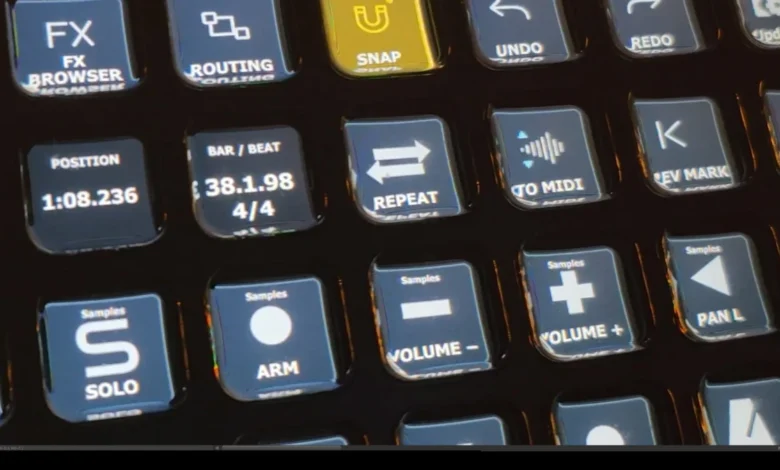
The Elgato Stream Deck, a hardware controller originally designed for the burgeoning streaming and content creation market, has found an unexpected and highly effective second life as a professional digital audio workstation (DAW) peripheral. By providing a physical interface of interactive, customizable color keys, the device offers a tangible bridge between complex software architecture and the immediate tactile needs of audio engineers. A notable development in this space is the "REAPER Live Control" plugin by Granite Coast Studio, which demonstrates the potential for deep integration between hardware controllers and the Cockos Reaper DAW.
The Evolution of Desktop Control Interfaces
For decades, audio production has relied on a combination of keyboard shortcuts, mouse-based navigation, and complex MIDI mapping. While these methods are deeply ingrained in professional studios, they often present a cognitive load that can disrupt the creative process. The emergence of the Stream Deck as a viable studio tool represents a shift toward "action discovery"—a methodology where software commands are represented visually on physical keys rather than hidden behind layered menus.
The concept of hardware-assisted software control is not new; devices like the Mackie Control Universal or various MIDI fader banks have served this purpose for years. However, the Stream Deck’s ability to display dynamic, live-updated icons and text labels differentiates it from traditional static hardware. By utilizing an LCD screen beneath each button, the device effectively turns a static bank of keys into a context-aware interface that changes based on the user’s current task within the DAW.
Granite Coast Studio and the Reaper Integration
The REAPER Live Control plugin, developed by Jason at Granite Coast Studio, stands as a prime example of this technological synergy. The software acts as a bridge between the Stream Deck’s SDK and the Reaper API. According to the developer, the core philosophy behind the plugin is to move beyond the limitations of standard hotkeys and generic MIDI setups.
The integration allows for the direct loading of the Reaper Action List, which includes custom actions and user-defined scripts. This is significant because Reaper is known for its highly customizable nature; users often build complex chains of operations that would normally require tedious keystroke combinations. With this plugin, those complex operations can be assigned to a single, labeled button. Furthermore, the plugin reads native Reaper icons and updates the Stream Deck in real-time, providing live feedback for transport status, mixer levels, and project-specific information such as tempo and playback position.
Chronology of the Stream Deck’s Studio Adoption
The transition of the Stream Deck from a gaming accessory to a production tool began organically around 2017. As the device gained popularity among Twitch streamers, early adopters in the music production community realized that the software’s "Open API" architecture allowed for the creation of custom plugins.
- 2017-2018: Early enthusiasts began using the Stream Deck to launch DAW applications and execute simple macro commands via keyboard simulation.
- 2019-2020: Developers began releasing rudimentary plugins that could trigger MIDI messages, allowing for basic transport control (Play, Stop, Record) in various DAWs.
- 2021-2023: The release of more sophisticated APIs enabled two-way communication. Plugins were no longer just sending commands; they were now receiving data from the DAW, such as track names, volume levels, and timecode information.
- 2024-Present: Integrated solutions like REAPER Live Control have reached a level of maturity where they function as a seamless extension of the software, replacing the need for external MIDI controllers in many desktop-based mixing scenarios.
Supporting Data and Technical Implications
The shift toward these interfaces is supported by the rising demand for efficient home-studio workflows. Market data suggests that the "creator economy" has fueled a 15-20% annual growth in the production hardware sector. While the Stream Deck is priced at approximately $100 to $200 depending on the model, the "hidden" cost of time saved in a professional environment is substantial.
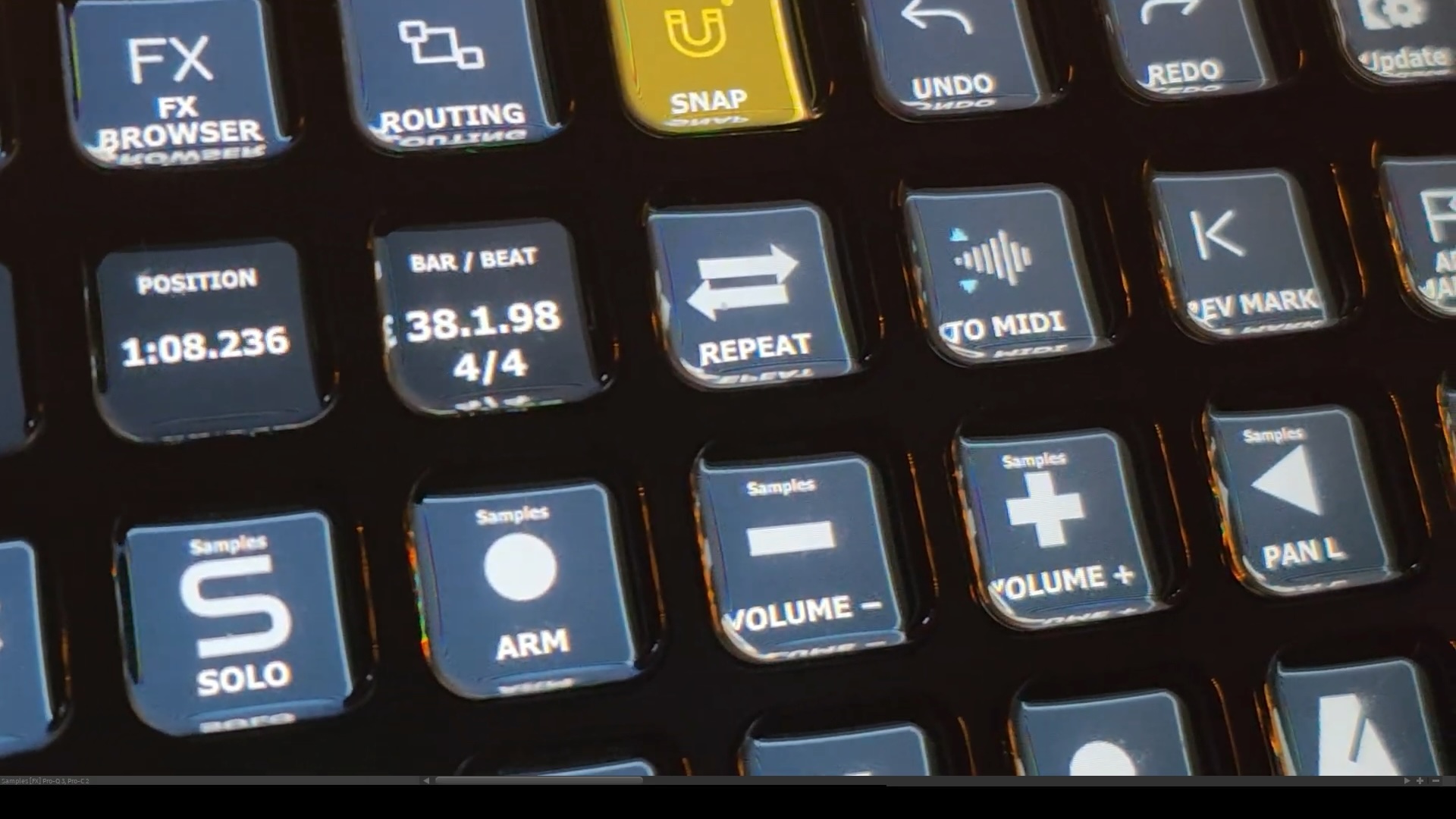
For an audio engineer working on a complex mix with 100+ tracks, navigating the mixer and searching for specific plugins can consume significant billable time. A study on workflow efficiency suggests that reducing "mouse-travel" time by just 10% can lead to a marked increase in project turnover rates. By bringing transport, project navigation, and mixer state to a physical surface, the Stream Deck reduces the necessity for deep menu diving, thereby maintaining the engineer’s focus on the audio rather than the interface.
Analysis of the "Apple Touch Bar" Legacy
The industry has long sought a middle ground between the keyboard and dedicated, expensive mixing consoles. When Apple introduced the MacBook Pro "Touch Bar" in 2016, there was a hope that it would offer a similar dynamic control surface for pro-audio apps. However, the Touch Bar lacked tactile feedback—a critical component for audio professionals who often need to make adjustments without looking away from their monitors.
The Stream Deck fulfills the promise that the Touch Bar could not. Because it utilizes physical buttons, an engineer can build "muscle memory" for common actions. The tactile "click" of the keys provides the necessary confirmation that an action has been registered, a feature that is essential in high-pressure recording or editing sessions. This combination of visual feedback (via the LCD screens) and physical feedback (the buttons themselves) is currently considered the gold standard for desktop-based controller peripherals.
Broader Impact on the Professional Audio Sector
The adoption of the Stream Deck in professional settings carries broader implications for DAW development. It forces software developers to consider how their applications communicate with third-party hardware. Cockos, the developers of Reaper, have historically encouraged this through their open and extensive API, which is a primary reason why Reaper is often the first DAW to receive sophisticated third-party integrations like the one from Granite Coast Studio.
This trend also suggests a shift away from massive, proprietary hardware controllers toward modular, software-defined control surfaces. As DAWs become more complex, the ability to tailor one’s physical interface to specific project needs becomes a competitive advantage. An engineer specializing in sound design for film might configure their Stream Deck to prioritize batch processing and file management, while a mixing engineer might prioritize channel strip control and bus routing.
Future Directions for DAW Hardware Integration
As the marketplace for Stream Deck plugins continues to expand, it is likely that we will see even deeper integration. Future iterations could theoretically allow for:
- Bi-directional automation: Real-time updating of physical knobs or sliders on future Stream Deck hardware variants based on DAW automation lanes.
- Plugin-specific layouts: Automatically switching button functions when a specific plugin (such as an EQ or Compressor) is focused on the screen.
- Collaborative workflows: Using the device to facilitate remote collaboration by triggering specific cues or markers that are synced across multiple instances of the DAW in different locations.
For the professional studio, the inclusion of such devices is no longer a novelty but a strategic investment. At a price point of $15.00 for the REAPER Live Control plugin, the barrier to entry is low, making it an accessible upgrade for independent producers and large-scale studios alike. As the industry continues to prioritize efficiency and ergonomic design, the integration of programmable, visual hardware controllers will likely become a staple of the modern recording environment.
The success of the Granite Coast Studio implementation underscores a broader truth in modern software engineering: the most effective tools are those that respect the user’s need for both deep, granular control and intuitive, tactile interaction. By bridging the gap between the complex digital environment of the DAW and the physical desktop, devices like the Stream Deck are redefining what it means to "operate" a digital audio workstation in the 21st century.
Related posts: