Fender Launches Revolutionary Silent System Technology to Eradicate Single-Coil Hum in New American Professional Classic Series


Fender Musical Instruments Corporation has officially introduced its proprietary Silent System, a breakthrough technological advancement designed to eliminate the persistent electromagnetic interference known as "single-coil hum" without compromising the iconic sonic signature of its most celebrated instruments. This innovation, currently debuting in a limited-edition run of American Professional Classic Stratocaster and Telecaster models, marks a significant departure from previous noise-reduction strategies, moving away from pickup-specific redesigns toward a discrete, integrated hardware solution.
The debut of the Silent System represents the culmination of decades of research and development at Fender. Since the inception of the electric guitar in the mid-20th century, the inherent design of single-coil pickups—which utilize a single magnet wire coil—has made them susceptible to picking up 60-cycle hum from power lines, lighting systems, and stage equipment. While competitors and aftermarket manufacturers have experimented with hum-canceling solutions for years, Fender’s approach has historically focused on specialized "Noiseless" pickup architectures. The Silent System introduces a novel, patent-pending mechanism that operates independently of the pickups themselves.
Historical Context and the Evolution of Noise Suppression
The history of the electric guitar is intrinsically linked to the struggle against electrical noise. When Leo Fender introduced the Broadcaster (later the Telecaster) in 1950 and the Stratocaster in 1954, the technology was revolutionary, but the background buzz was a constant byproduct of the physics involved. Over the subsequent 70 years, the industry adopted several methods to mitigate this issue.

In the 1980s and 1990s, the rise of high-gain amplification in rock and metal genres exacerbated the hum, prompting players to seek alternative instruments. Fender’s response included the development of various "Noiseless" series pickups, which utilized stacked coil designs to cancel out interference. These iterations, while successful in achieving a quieter signal, were frequently debated by purists who argued that the structural changes to the coils altered the high-end frequency response and "sparkle" synonymous with vintage Fender tone.
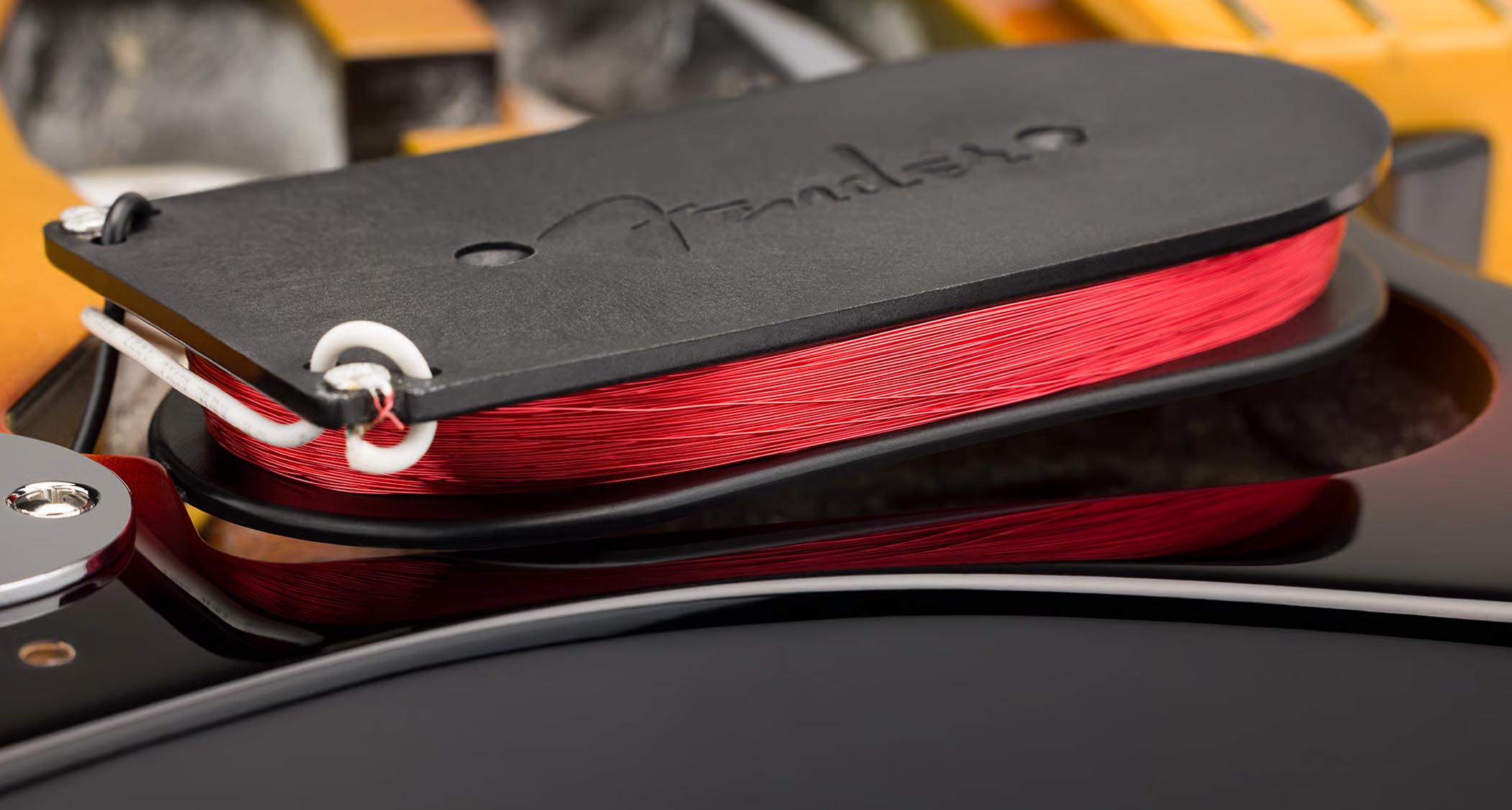
By 2016, with the introduction of the Gen 4 Noiseless pickups, Fender had achieved a high standard of clarity. However, the new Silent System represents a paradigm shift: it is a passive, discrete component mounted beneath the pickguard. Because it does not require a battery or active circuitry, it sidesteps the complications of active preamps—such as signal compression or the need for frequent maintenance—offering a "set it and forget it" experience for the working musician.
Technical Specifications of the Silent System
The Silent System is engineered to function with the high-performance Coastline pickups featured in the new American Professional Classic line. According to Fender’s engineering team, the system is designed to intercept and nullify electromagnetic interference before it reaches the output jack.
Key technical aspects include:

- Passive Integration: The system requires no power source, maintaining the purity of the signal path and ensuring that the guitar’s resonant characteristics remain untouched.
- Discrete Placement: By housing the system under the pickguard, Fender has ensured that the aesthetic integrity of the instruments remains consistent with the classic 1950s and 60s design philosophy.
- Broad Compatibility: While the technology is currently exclusive to the limited edition run, the design is intended to be adaptable to various pickup configurations, potentially paving the way for future aftermarket integration or broader series adoption.
The Launch: American Professional Classic Series
The launch includes a curated selection of Stratocaster and Telecaster models that bridge the gap between vintage aesthetics and modern utility. The American Professional Classic Stratocaster is available in 3-Color Sunburst and Daphne Blue (with rosewood fingerboards), as well as Olympic White and Candy Apple Red (with maple fingerboards). The Telecaster counterpart features finishes including Candy Apple Red and Sonic Blue (rosewood), and Vintage Blonde and 3-Color Sunburst (maple).
Fender has positioned these models at a competitive price point, with a street price of approximately $1,599 (£1,649). This places them at a modest premium over standard professional-grade models, a move that analysts suggest is intended to test market demand for "premium utility" features.
Implications for the Professional Audio Industry
The introduction of the Silent System has broad implications for both studio recording and live performance. In professional studio environments, where high-sensitivity microphones and high-gain signal chains are common, single-coil hum can be a significant obstacle, often requiring the use of noise gates or post-production software to scrub the audio. A hardware-based solution that retains the authentic single-coil frequency response could reduce the need for such processing, saving time and preserving the original tonal performance.
For the live performer, the Silent System addresses the unpredictability of venue power quality. Interference from LED lighting rigs, digital projectors, and poorly grounded power strips has become a modern plague for touring guitarists. By providing an internal, non-powered solution, Fender is offering a level of reliability that has traditionally been unavailable in passive single-coil guitars.
Industry Reaction and Future Outlook
Early reactions from the guitar community have been characterized by cautious optimism. While the "Noiseless" label has historically carried mixed connotations for tone-purists, the promise of a system that preserves the authentic single-coil voice is compelling.
"The challenge has always been the trade-off between silence and character," says industry analyst and guitar technician Marcus Thorne. "If Fender has truly managed to decouple the hum-canceling process from the pickup’s magnetic signature, this could become the new gold standard for professional instruments. The fact that it is a passive system is the most significant detail; it avoids the ‘sterile’ quality often associated with active electronics."
As Fender monitors the sales performance and user feedback of this limited edition run, the industry is looking for two primary developments: the expansion of the Silent System to other flagship series—such as the American Ultra or the Player Plus—and the possibility of an aftermarket kit. If the technology proves as effective as initial reports suggest, it could fundamentally alter the manufacturing standards for single-coil electric guitars across the entire industry.
Chronology of Development
- 1954: The Stratocaster is introduced; the "single-coil hum" becomes an inherent, accepted characteristic of the instrument.
- 1980s-1990s: Fender begins active R&D into noise-canceling pickup designs, leading to early "Noiseless" iterations.
- 2016: Launch of the Gen 4 Noiseless pickups, setting a new benchmark for hum-free performance.
- 2024: Fender files patents for the Silent System, a non-active, under-pickguard interference mitigation technology.
- Current Date: The official market release of the American Professional Classic series, marking the first commercial application of the Silent System.
Conclusion
The Fender Silent System stands as a testament to the company’s ability to refine its legacy designs through technological innovation. By focusing on the signal environment rather than the pickup construction itself, Fender has approached the problem of hum from a fresh perspective. Whether this system becomes the industry standard for professional electric guitars will depend on its long-term reliability and the subjective reception of its tonal transparency by the global community of guitarists. For now, the American Professional Classic series serves as a highly anticipated case study in the potential for silent, high-fidelity performance in the modern era. Players interested in experiencing this technology can currently access the new models through authorized Fender dealers and the company’s primary retail channels.