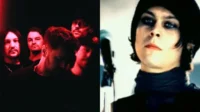
Dexter and The Moonrocks cement their meteoric rise with the debut album Friends That I Don’t Like


The rapid ascent of Dexter and The Moonrocks from obscure Texas origins to a dominant force in modern rock serves as one of the most compelling narratives in the music industry during the 2026 calendar year. Following a series of viral digital successes and high-profile national television appearances, the four-piece ensemble is set to release their debut full-length studio album, Friends That I Don’t Like, on October 2, 2026. The project, released under a collaborative effort between Severance Records and Big Loud Rock, represents a synthesis of the band’s signature "country-fried" rock aesthetic and a matured, studio-polished sound.
A Rapid Trajectory: The Road to 2026
The timeline of Dexter and The Moonrocks’ breakthrough is defined by a compressed, high-intensity creative cycle. Throughout the early months of 2026, the band’s strategy shifted from sporadic single releases to a full-scale commitment to a long-play project, a decision largely influenced by the unprecedented commercial performance of their single, "Freakin’ Out."
By May 2026, the band had finalized the songwriting process, with recording sessions commencing in Texas shortly thereafter. The speed of this transition—moving from independent single releases to a debut album with a major distribution backing—is atypical in an industry that often favors long-gestation periods for debut records. However, drummer Ryan Fox notes that this rapid pace was less a result of external pressure and more an expression of the band’s internal creative momentum.
Statistical Context and Market Impact
The band’s growth metrics have reached a scale rarely seen by independent-to-major crossovers in such a short window. At the start of their current promotional cycle, the group aimed for the benchmark of one million monthly listeners on major streaming platforms. As of September 2026, those figures have surged to nearly ten million monthly listeners. This ten-fold increase in audience reach underscores the effectiveness of their "genuine" approach to digital content and the viral nature of their music, which bridges the gap between traditional rock audiences and the burgeoning crossover country-rock demographic.
The success of "Freakin’ Out" acted as a catalyst, providing the band with the necessary capital and platform to secure professional production resources. Unlike many contemporary acts that rely heavily on A&R-directed development, Dexter and The Moonrocks maintained a self-determined creative process, opting to retreat to the isolation of rural Texas to record the album without significant label interference.
The Blue-Collar Ethos: A Collective Background
A defining characteristic of the group’s public persona is their refusal to align with the "industry plant" narrative. The band members—James, Ryan, Ty, and their fourth member—have maintained a commitment to their working-class roots. Their collective resume prior to professional music includes manual labor roles: a fry cook, a concrete specialist, and an oil rig worker.
This background, stemming from small-town Texas environments, has informed their songwriting and their operational philosophy. In an era where authenticity is a primary currency in the music business, their ability to document their transition from physical labor to professional touring acts has resonated with a fan base that values tangible, hard-earned success stories. This narrative of "self-made" musicianship has insulated them from some of the cynicism often directed toward overnight digital successes.

Industry Implications and Strategic Positioning
The release of Friends That I Don’t Like arrives at a pivotal moment for the rock genre. There is an ongoing resurgence of bands looking to return to a more raw, unadulterated sound, moving away from the electronic-heavy production styles that characterized the early 2020s. Dexter and The Moonrocks occupy a unique space in this shift; they provide the high-energy, guitar-driven sound of rock while incorporating the storytelling and tonal characteristics of Southern country music.
Industry analysts suggest that the band’s success indicates a broader shift in consumer behavior, where listeners are increasingly favoring artists who cultivate a "personality-first" brand. By ignoring the traditional, lengthy A&R processes, the band has maintained a level of creative control that ensures their studio output remains consistent with their live performances. This consistency is critical for long-term career sustainability in the streaming era, where audience attrition is high if the recorded product feels detached from the artist’s persona.
Internal Dynamics and Band Cohesion
The rapid success of the past year has necessitated a significant adjustment in the band’s internal dynamics. As noted by Ryan Fox, the group has leaned into a "family" structure to manage the pressures of national media exposure and the increased demands of a professional touring schedule. This cohesion has been essential in navigating the transition from local club circuits to the national stage.
The band’s move to treat the album recording as a collective, locked-in event allowed them to maintain a singular vision. By the time they entered the studio, the songs were already solidified through rehearsals, meaning the recording sessions were primarily focused on capturing the energy of the performances rather than extensive experimentation. This approach has yielded a collection of tracks that feel cohesive and purposeful, reflecting the band’s belief that they have finally produced their "best work" to date.
Looking Ahead: The Post-Album Landscape
As October 2 approaches, the release of Friends That I Don’t Like serves as both an end to their initial breakthrough phase and the beginning of a more sustained professional career. The challenge for the group will be maintaining their current momentum while transitioning from the "new discovery" phase to the "established touring act" phase.
The band’s management, alongside partners at Big Loud Rock, has signaled that this album is intended to function as a cornerstone for future growth. By establishing a clear, authentic identity early in their career, the band has built a foundation that allows for future sonic evolution without alienating their core audience.
Final Assessment
The story of Dexter and The Moonrocks is a testament to the power of high-output, independent-driven momentum in the current digital landscape. Their ability to convert viral social media attention into a sustainable, multi-million listener base is a benchmark for emerging artists. Whether the album performs to the expectations set by their recent singles remains to be seen, but the band’s commitment to their, as they describe it, "small-town Texas mentality" suggests that they are well-prepared for the rigors of long-term success.
Friends That I Don’t Like is poised to be more than just a debut; it is a declaration of intent from a group that has moved from the obscurity of manual labor to the forefront of the American rock scene. The upcoming release cycle will provide the ultimate test of their ability to leverage this momentum into a multi-album career. As they continue to navigate the complexities of fame, their focus remains anchored in the same work ethic that carried them from the oil rigs and kitchens of Texas to the national spotlight.