Pro-Palestinian Dearborn Mayor Offers Macklemore Free Concert Funded By City Following Ed Sheeran Tour Fiasco

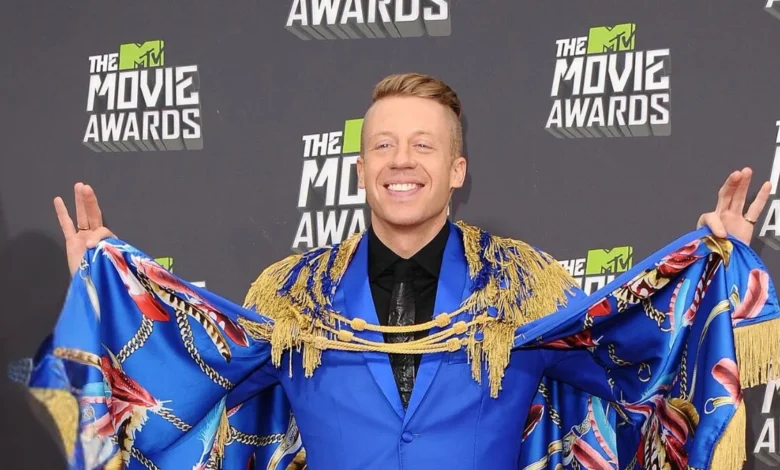
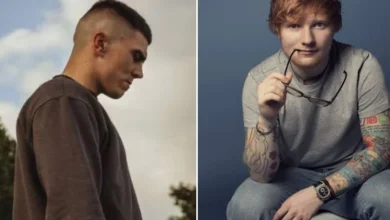
The intersection of entertainment, high-stakes stadium politics, and international advocacy reached a flashpoint this week when Grammy-winning rapper Macklemore was effectively barred from performing at Gillette Stadium. The development, which saw the artist removed from the support lineup of Ed Sheeran’s "Loop Tour," followed a series of public displays by the rapper centered on the humanitarian crisis in Gaza. In a move that has further polarized the conversation surrounding the boundaries of political expression in music, Dearborn Mayor Abdullah Hammoud has publicly invited the artist to perform in his city, framing the gesture as a defense of free speech and solidarity.
The Catalyst: Performances at MetLife Stadium
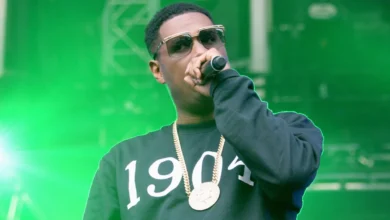
The controversy centers on two performances held on September 4 and 5 at MetLife Stadium in East Rutherford, New Jersey. During his opening set for Ed Sheeran, Macklemore, born Benjamin Haggerty, utilized his platform to advocate for Palestinian rights. These performances included the live debut of his protest song, "Hind’s Hall," which pays tribute to the student-led encampments at Columbia University and references the death of a young Palestinian girl in Gaza.
During these shows, Macklemore wore a traditional keffiyeh and addressed the crowd directly regarding the conflict. These actions were viewed by some stakeholders as a breach of professional expectations for a touring artist, while others characterized them as a necessary use of a public platform to highlight a geopolitical crisis.
Chronology of the Dispute
The escalation of the situation occurred rapidly following the New Jersey performances. By mid-September, internal pressures regarding the upcoming tour dates at Gillette Stadium in Foxborough, Massachusetts, began to surface.
- September 4–5, 2026: Macklemore performs at MetLife Stadium, explicitly discussing the war in Gaza and performing "Hind’s Hall."
- September 12–14, 2026: Reports emerge that venue owners, led by New England Patriots owner Robert Kraft, expressed strong objections to Macklemore’s scheduled appearances on September 25 and 26.
- September 15, 2026: It is confirmed that Macklemore will not be performing at the Gillette Stadium dates.
- September 15, 2026: Mayor Abdullah Hammoud issues a formal invitation via social media, offering a city-sponsored, free concert in Dearborn, Michigan.
The Position of Venue Ownership
Robert Kraft, through his organization, issued a statement detailing the reasoning behind the push to remove the rapper from the bill. Kraft’s objections were multifaceted, focusing not only on the content shared at MetLife Stadium but also on a perceived history of rhetoric that he argued was offensive to the Jewish community.
"Based on Macklemore’s recent actions, material shared from the stage during Ed Sheeran’s shows in New Jersey, and a broader history of antisemitic rhetoric and imagery that we believe has been deeply offensive and hurtful to the Jewish community, we determined that his participation in the September 25th and 26th concerts at Gillette Stadium would cross that line," the statement read.
Kraft’s statement also addressed the complexity of the situation, noting, "This decision is not about diminishing the suffering of innocent Palestinians or denying anyone the right to advocate on their behalf. Their pain and loss are real." The organization concluded by advocating for a resolution that focuses on "peace for all people" and the cessation of hate-driven rhetoric.
Mayor Hammoud’s Intervention and the Dearborn Connection
Dearborn, Michigan, maintains one of the largest concentrations of Arab-American residents in the United States. Mayor Abdullah Hammoud, the city’s first Arab-American and Muslim mayor, has been a vocal advocate for Palestinian human rights throughout his tenure.
The mayor’s offer to host a free, city-sponsored concert serves as a direct counter-narrative to the decision made by stadium ownership. In his post on X, Hammoud stated, "If they don’t want you performing in their stadiums, you’re always welcome in Dearborn. Come put on a show here. We’ll make it a free concert, sponsored by the City, and help make it one of the best around. We stand with you and for a free Palestine."
This invitation is rooted in a pre-existing relationship. In September 2024, Macklemore attended an Arab American civil rights convention in Dearborn. During that visit, he met with Mayor Hammoud at a local high school football game and was presented with a formal proclamation and the Rachel Corrie Award, named in honor of the American activist who was killed in the Gaza Strip in 2003.
The mayor’s stance is deeply personal as well as political. Hammoud has spoken openly about the impact of the war on his own family, noting the loss of fourteen cousins in Lebanon during an Israeli airstrike in April 2026. Under his leadership, the city has become a hub for activism, even commissioning a "Wall of Tears" mural to commemorate the lives of children killed in the conflict.
Broader Implications for Artists and Venues
The removal of an artist from a high-profile stadium tour due to political speech raises significant questions regarding the intersection of private property rights and public expression. As stadiums and arenas are often privately owned or managed, owners possess the authority to curate the talent performing at their venues. However, when these decisions are based on political speech, they frequently ignite public debate regarding the "cancel culture" phenomenon and the extent to which corporate entities should act as arbiters of permissible discourse.
Industry analysts suggest that this event could lead to stricter "morality clauses" or political speech guidelines in future touring contracts. For major touring acts, the pressure to balance artistic integrity with the interests of venue partners, promoters, and corporate sponsors is increasing.
Supporting Data: The Scope of the Conflict and Public Sentiment
The war in Gaza has prompted unprecedented levels of protest and advocacy within the music industry. Since late 2023, numerous artists have faced public pressure to take a stance, with many, like Macklemore, choosing to utilize their live shows to broadcast their views.
Data from the United Nations and other humanitarian agencies have consistently highlighted the devastating impact on civilian populations, a reality that has fueled the intensity of the protests seen in the United States. According to the Gaza Health Ministry, the casualty count has continued to climb, with a significant percentage of the deceased being children. This humanitarian toll is a central pillar of the activism championed by figures like Hammoud and the advocacy work performed by artists like Macklemore.
The Future of the Dearborn Proposal
As of this writing, there has been no formal response from Macklemore’s management team regarding Mayor Hammoud’s invitation. The logistics of a city-sponsored concert of this magnitude—requiring significant security, venue logistics, and municipal budget approval—remain to be addressed.
Furthermore, such an event would likely draw both supporters and protesters, placing Dearborn at the center of the ongoing national discourse regarding the Israeli-Palestinian conflict. For the city of Dearborn, hosting the concert would be an extension of its current political trajectory, reinforcing its status as a focal point for the Palestinian liberation movement in the United States.
Concluding Analysis
The dispute underscores a widening divide in American cultural life. While corporate interests seek to maintain a neutral or controlled environment within private stadiums, artists and political figures are increasingly viewing these spaces as essential forums for global advocacy. The tension between the economic power of stadium owners and the cultural power of artists continues to shift, suggesting that the "Macklemore incident" may be a precursor to future conflicts over the role of the stage in political life.
Whether the concert in Dearborn proceeds or not, the incident has already served to amplify the visibility of the "Free Palestine" movement, drawing further attention to the specific humanitarian concerns that the artist sought to highlight. As the music industry navigates these volatile waters, the boundaries between the stage and the political arena will likely remain a contested space, with cities like Dearborn positioning themselves as alternative venues for voices that have been excluded from the commercial mainstream.