Greta Gerwig to Direct Narnia: The Magician’s Nephew Featuring Meryl Streep as the Voice of Aslan

Following the record-breaking global success of her 2023 feature film Barbie, which grossed over $1.4 billion at the worldwide box office, director Greta Gerwig has officially confirmed her next major project. The filmmaker is set to helm a high-profile adaptation of C.S. Lewis’s fantasy classic, The Magician’s Nephew. This production, slated for a theatrical release on February 12, 2027, represents a significant expansion of the Narnia franchise, exploring the origin story of the magical realm that has been a staple of children’s literature for decades.
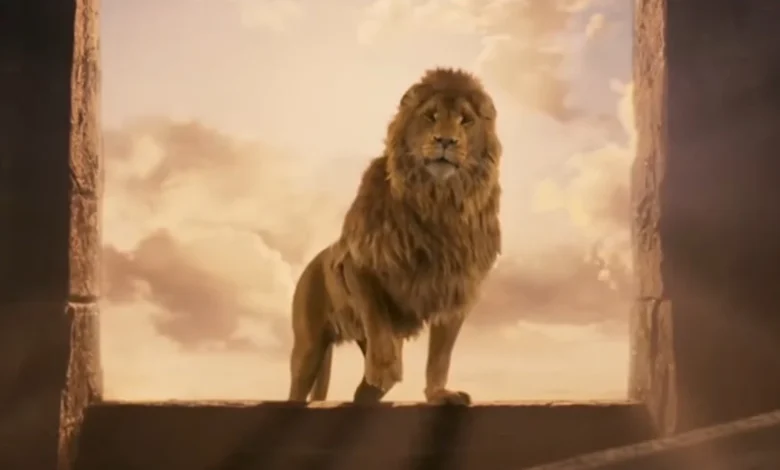
The announcement, which originated from a cover feature in Empire magazine, has ignited a firestorm of discussion across social media platforms and among literary critics. Central to this discourse is the casting of Academy Award-winning actress Meryl Streep as the voice of Aslan, the great lion and central deity of the Narnia series. This creative decision marks a departure from traditional portrayals of the character, raising questions about the intersection of creative license and the preservation of source material.
Historical Context and Literary Significance
The Chronicles of Narnia, authored by C.S. Lewis between 1950 and 1956, remain among the most influential works of 20th-century fantasy literature. C.S. Lewis, a renowned Christian apologist and scholar, embedded the series with profound theological allegories, most notably positioning Aslan as a Christ-like figure. While the 2005 film adaptation of The Lion, the Witch and the Wardrobe achieved massive commercial success and cultural penetration, The Magician’s Nephew—the sixth book published but chronologically the first—has never received a feature-length cinematic treatment.
The narrative of The Magician’s Nephew serves as a Genesis-like creation story for the Narnian universe. It details how the world was spoken into existence by Aslan, establishing the moral and physical foundations of the land. For decades, the intellectual property was held by the C.S. Lewis estate, but recent years have seen Netflix and other entities aggressively pursuing the rights to modernize and expand the franchise for contemporary audiences. Gerwig’s involvement, backed by substantial studio investment, signals an attempt to revitalize the brand for a new generation of viewers.
The Creative Vision: A Stylistic Departure
Greta Gerwig’s vision for the project involves what she describes as a "revolutionary" approach to the fantasy genre, incorporating elements of 1970s rock-opera aesthetics. While the film is not a musical in the traditional sense, the production design and soundscape are expected to lean heavily into the bold, experimental, and eclectic vibes of that era. Reports indicate that the visual representation of Aslan will be influenced by the late David Bowie, a choice that underscores Gerwig’s intent to subvert traditional expectations of high-fantasy tropes.
In explaining her choice to cast Meryl Streep as the voice of the Creator-figure, Gerwig stated that she sought an actor capable of balancing profound gravitas with a sense of "fresh wonder." According to the director, the role required a performer who could embody the weight of ancient wisdom while maintaining a sense of accessibility. "I wanted someone who was profound but not pretentious, who had gravitas but not morose self-seriousness," Gerwig noted in her interview with Empire. "Someone who could communicate depth and pathos as well as joy and delight."
The Public Discourse and Audience Reception
The announcement has triggered a polarized reaction among the film’s prospective audience. For many fans of C.S. Lewis’s work, the casting of a female actor to voice a character explicitly written as a male lion is seen as a unnecessary deviation from the author’s intent. Critics argue that the move undermines the traditional gender dynamics present in the original text, where Aslan’s patriarchal, kingly authority is central to his role as a spiritual archetype.
Social media platforms, particularly X (formerly Twitter), have seen a surge of debate regarding the decision. Detractors have questioned the logic of gender-swapping a character who serves as a direct, albeit allegorical, representation of a divine male figure. Furthermore, there is a vocal segment of the fanbase concerned that the "rock-opera" aesthetic and the specific casting choice may distract from the solemn, reverent tone typically associated with the Narnia creation narrative.
Conversely, supporters of the casting choice point to Meryl Streep’s status as arguably the most versatile and celebrated actor in modern cinema history. From this perspective, the gender of the voice actor is secondary to the emotional and vocal range that Streep brings to a performance. Proponents argue that a voice performance is an act of characterization that transcends physical attributes, and that Gerwig’s track record—demonstrated by her ability to turn intellectual properties into massive cultural movements—merits a degree of trust from the audience.
Analytical Perspectives on Production Risks
From an industry standpoint, the decision to modernize such a cherished piece of literature is a calculated risk. Franchise fatigue is a recognized phenomenon in Hollywood, and successful adaptations require a balance between fidelity to the source material and innovation that justifies the existence of a new film.
Data from the previous Narnia film series indicates a steady decline in box office returns between 2005 and 2010. The first film, The Lion, the Witch and the Wardrobe, earned $745 million globally; Prince Caspian earned $419 million; and The Voyage of the Dawn Treader brought in $415 million. This downward trend suggests that audiences were losing interest in the traditional, earnest approach to the material. By hiring an auteur like Gerwig, the studio is clearly aiming to disrupt this trend by injecting a distinct, idiosyncratic creative vision that generates conversation and "event" status, even if that conversation is initially divisive.
The implications of this casting are multifaceted. Financially, the project must contend with the expectations of the legacy fanbase while attempting to capture a modern, younger demographic that may be less tethered to the original books. Critically, the film will be judged on its own merits, but the "Aslan-as-Streep" casting will inevitably become a central pillar of the critical conversation, potentially overshadowing the technical and narrative achievements of the film.
Chronology of Production and Future Outlook
The journey to this announcement has been marked by years of development and shifting priorities at the studio level.
- 2018: Netflix announces it has acquired the rights to the entire Chronicles of Narnia series, intending to create a shared cinematic universe.
- 2023: Following the massive success of Barbie, Greta Gerwig is confirmed as the director tasked with spearheading the Narnia expansion, with The Magician’s Nephew identified as the primary project.
- 2024–2025: Pre-production and script development occur under high security. The "rock-opera" aesthetic is solidified as the core visual and tonal pillar of the project.
- September 2026: Official reveal of the film’s title, aesthetic direction, and the casting of Meryl Streep as the voice of Aslan.
- February 12, 2027: Scheduled global theatrical release.
As the industry looks toward the 2027 release date, the film is positioned as a litmus test for how modern studios approach "classic" IP. The willingness to take risks with foundational texts suggests a belief that creative disruption is necessary to maintain the relevance of older franchises. Whether Meryl Streep’s performance can successfully unify the disparate expectations of the audience remains the primary question.
For the studio, the primary objective is to replicate the cultural ubiquity that followed the Barbie phenomenon. By selecting a high-profile director and an iconic, if controversial, casting choice, they have already succeeded in one aspect of their goal: the film is now one of the most anticipated—and debated—projects in current development. Whether this anticipation translates to critical acclaim and commercial longevity, however, will not be determined until the film reaches the screen in early 2027.
The debate surrounding the casting of Aslan serves as a reminder of the unique relationship between audiences and their favorite literary worlds. When a director interprets a work as iconic as Narnia, they are stepping into a complex landscape of memory and expectation. As production continues, observers will be watching closely to see how these creative choices are integrated into the final product and whether the film can find the balance between artistic innovation and the preservation of a classic legacy.