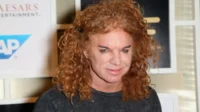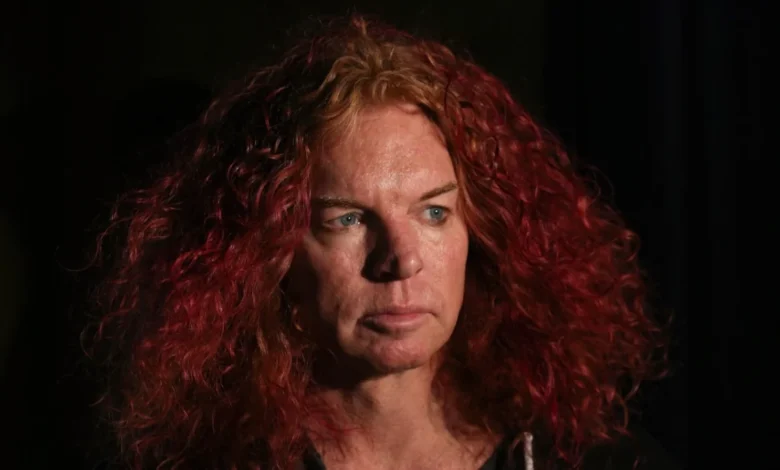
The entertainment industry and the Las Vegas residency community were met with somber news this weekend as it was confirmed that Scott Thompson, the veteran comedian and performer professionally known as Carrot Top, was hospitalized on Friday evening following a suicide attempt. The 61-year-old performer, a fixture of the Las Vegas Strip for over two decades, is currently receiving medical care. A representative for the comedian confirmed the incident, stating that Thompson is in the process of recovery and is surrounded by a support system of family and close associates.
The news broke late Friday night, leading to the immediate cancellation of his scheduled performance at the Luxor Hotel and Casino. As of Saturday morning, the Luxor management had not provided specific details regarding the duration of the suspension of his residency, which has been a staple of the resort’s entertainment lineup for years.
Chronology of Events and Immediate Aftermath
The incident occurred on Friday, September 18, 2026. Emergency services were dispatched to the vicinity of the Luxor, where Thompson resides and maintains his long-term residency. While specific details surrounding the nature of the event remain confidential to protect the privacy of the performer and his family, authorities confirmed that a medical emergency involving Thompson required immediate transport to a local medical facility.
By late Friday evening, the comedian’s management team issued a statement to multiple media outlets, including TMZ, confirming that Thompson was receiving professional care. The statement emphasized that the priority remains his health and well-being. "Scott is currently recovering in the hospital and is receiving the care and support he needs," the representative stated. "His family and those closest to him expressed deep gratitude for the outpouring of concern and support, and they respectfully ask for privacy as they navigate this difficult time."
The Luxor Hotel and Casino, in coordination with Thompson’s production team, moved quickly to notify ticket holders. The theater, which hosts the "Carrot Top" show, remained dark on Friday night. Future show dates for the upcoming week remain in flux as the resort evaluates the situation, with updates expected to be provided to ticket holders via official channels.
The Career and Legacy of Scott Thompson
Scott "Carrot Top" Thompson has been a prominent figure in American comedy since the late 1980s. Rising to fame through his high-energy prop comedy and distinctive aesthetic, Thompson became a household name during the 1990s, frequently appearing on late-night talk shows and starring in feature films such as Chairman of the Board.
However, his most enduring contribution to the entertainment industry has been his sustained residency in Las Vegas. Starting at the MGM Grand in the mid-1990s and eventually transitioning to the Luxor in 2005, Thompson evolved his act to remain relevant in a changing comedy landscape. His residency is considered one of the longest-running in Las Vegas history, a testament to his work ethic and his ability to cultivate a loyal audience base.
Beyond his stage presence, colleagues often describe Thompson as a dedicated professional who maintains a rigorous schedule. The abrupt nature of this incident has come as a shock to many in the Las Vegas entertainment community, where Thompson is well-regarded as a mentor to younger performers and a constant presence in the city’s vibrant nightlife scene.
Contextualizing Mental Health in the Entertainment Industry
The hospitalization of a high-profile performer like Thompson highlights the ongoing challenges regarding mental health within the entertainment sector. Industry experts have long noted the unique pressures placed on entertainers who maintain long-term residencies. The repetitive nature of nightly performances, coupled with the isolation that can accompany fame and the necessity of maintaining a "public persona," creates a demanding psychological environment.
According to data from the National Institute of Mental Health (NIMH), suicide remains a significant public health concern in the United States, with rates of depression and anxiety showing a marked increase in the mid-2020s. For performers, the transition from the high of a live performance to the solitude of a hotel room—a common reality for those on long-term residency contracts—can exacerbate underlying mental health struggles.
The entertainment industry has been under increasing pressure to provide better resources for performers. Organizations such as The Actors Fund and various entertainment-specific wellness groups have begun to implement more robust mental health support systems. However, the stigma surrounding mental health issues remains a barrier, often preventing individuals from seeking help until a crisis occurs.
Broader Implications and Industry Response
The cancellation of Thompson’s show serves as a reminder of the fragility of the live entertainment model. In Las Vegas, where the economy is heavily reliant on tourism and a steady flow of nightly entertainment, the health of headliners is a critical factor in institutional stability.
Industry analysts suggest that this event may prompt a broader conversation among Las Vegas casino operators about the support structures available to their resident headliners. "When you look at the physical and mental toll of performing hundreds of shows a year, it is a demanding career," noted one industry consultant. "The industry has made strides in physical safety, but psychological support for artists who live and work in the bubble of the Strip is a conversation that needs to be prioritized."
Reactions from the comedy community have been swift and supportive. Numerous fellow comedians have taken to social media to express their well-wishes, emphasizing that Thompson’s health far outweighs any concerns regarding show schedules or business implications. The prevailing sentiment among his peers is one of solidarity, with many highlighting the importance of reaching out to colleagues and checking in on those who may be struggling.
Moving Forward: Recovery and Privacy
As Scott Thompson continues his recovery, the focus of his management and family remains entirely on his medical progress. No details regarding his potential return to the stage have been released, and given the nature of the incident, it is expected that any timeline for his return will be handled with extreme caution and professional medical oversight.
The Luxor Hotel and Casino has pledged to keep fans updated regarding the status of upcoming performances. In the meantime, the incident has sparked a necessary, albeit painful, dialogue about the unseen struggles of those who dedicate their lives to making others laugh.
For those who find themselves in similar situations, the message from mental health advocates is clear: support is available, and silence is not the only option. The Suicide & Crisis Lifeline (988) remains a critical resource for anyone experiencing a mental health crisis. By bringing attention to these resources, the community hopes to ensure that others in similar positions find the help they need before reaching a point of crisis.
The situation surrounding Scott Thompson serves as a stark reminder that even those who appear most comfortable under the bright lights of the stage are susceptible to the human condition. As the news cycle continues to process the event, the hope remains that the privacy afforded to the comedian will allow him the necessary space to heal, and that the conversation surrounding mental health in the arts will continue to evolve toward a more supportive and transparent culture.
For now, the Las Vegas Strip remains quieter without the nightly presence of one of its most recognizable figures, but the outpouring of support from fans and colleagues alike serves as a testament to the impact he has had on his audience throughout his decades-long career. As the recovery process begins, the focus remains on the person behind the props, and the necessity of prioritizing human wellness over professional performance.