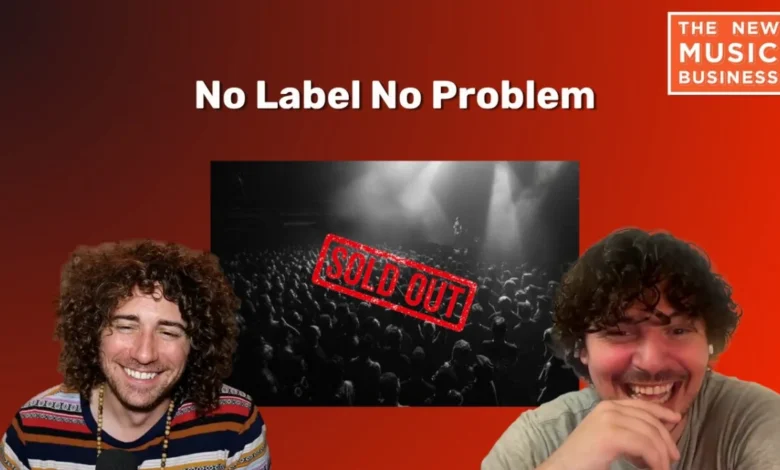
The modern music industry has undergone a seismic shift, transforming from a gatekept fortress dominated by major record labels into a decentralized landscape where independent artists can forge direct paths to global audiences. No one embodies this paradigm shift quite like Nashville-based singer-songwriter Jared Benjamin. In a remarkably short span of time, Benjamin transitioned from a novice picking up a guitar during the isolation of the COVID-19 pandemic to a streaming powerhouse amassing over 100 million total streams, selling out headline tours, and cultivating an intensely loyal community across digital ecosystems like TikTok and Discord.
Benjamin’s trajectory was the focal point of a recent episode of The New Music Business podcast, hosted by industry author and advocate Ari Herstand. During the in-depth interview, Benjamin unpacked the gritty reality of building a sustainable, independent music career from scratch. By breaking down his creation processes, content strategies, production workflows, and innovative marketing funnels—including clever utilization of BookTok and targeted pre-save ad campaigns—Benjamin offered a masterclass for independent creators navigating the complexities of the digital age.
From Pandemic Pastime to Streaming Success: The Chronology of an Independent Rise
The chronology of Jared Benjamin’s ascent is emblematic of the hyper-accelerated timelines made possible by digital connectivity. Like countless individuals around the globe, Benjamin found himself confined to his home during the unprecedented lockdowns of the COVID-19 pandemic. Seeking an outlet for the anxieties and uncertainties of the era, he picked up a guitar for essentially the first time and began teaching himself the fundamentals of songwriting and instrumentation.
What began as a therapeutic quarantine hobby quickly revealed deeper potential. As Benjamin penned his earliest compositions, he recognized the power of short-form video platforms to bypass traditional industry gatekeepers. In the early stages of his digital strategy, he focused heavily on visual storytelling, writing and producing relatable comedic and dramatic skits that subtly integrated his burgeoning musical snippets. This strategy proved wildly effective at capturing algorithmic attention spans on TikTok and Instagram, driving curious viewers straight to his streaming profiles.
However, the path was not without its pitfalls. Like many emerging artists desperate for a break, Benjamin initially stumbled into unfavorable industry contracts and misaligned partnerships. Drawing crucial lessons from these early bad deals, he made the pivotal decision to pivot toward a strictly DIY (Do-It-Yourself) ethos. By retaining creative and business control, he positioned himself to reap the long-term rewards of his burgeoning catalog.
Rather than remaining confined to acoustic bedroom pop, Benjamin actively expanded his skillset. He turned to YouTube tutorials to teach himself music production fundamentals, eventually learning how to effectively collaborate with professional producers without relinquishing his artistic vision. This self-reliance culminated in the creation of standout tracks like "Three Steps Ahead," written during the AntiSocial Writing Camp, and ultimately paved the way for his highly anticipated debut studio album, Icarus Too Close to the Sun.
Deconstructing the Content Machine: The Daily Grind and Burnout Mitigation
Behind the romanticized image of viral success lies a grueling operational reality. Benjamin has been transparent about the relentless discipline required to sustain momentum in the current musical climate. At the peak of his audience-acquisition phase, his daily grind involved producing and publishing between two to four short-form videos every single day.
This hyper-active output schedule is designed to feed volatile platform algorithms, but it carries a severe psychological toll. During his conversation with Herstand, Benjamin addressed the very real threat of creative burnout. Maintaining a constant state of content generation while simultaneously writing, recording, and preparing for live performances requires strict boundary-setting and psychological resilience.
To manage this workload without sacrificing quality, Benjamin learned the art of delegating production responsibilities. While he maintains a firm grip on the creative direction and core songwriting, outsourcing certain technical hurdles allowed him to scale his output efficiently. Furthermore, building a dedicated team—highlighted by meeting his current manager through organic social media traction—transformed his solo project into a functioning enterprise.

Innovative Marketing Funnels: Tapping Into BookTok and Discord Communities
One of the most revealing segments of Benjamin’s discussion centered on his sophisticated approach to audience retention and marketing segmentation. Many independent artists make the mistake of treating all social media platforms as uniform billboards, but Benjamin recognized the unique behavioral patterns of distinct digital subcultures.
A prime example is his strategic foray into "BookTok"—the vibrant sub-community on TikTok where avid readers discuss literature, romance novels, and fantasy series. By aligning his emotionally resonant musical themes with popular literary tropes and curating custom author playlists, Benjamin successfully tapped into a pre-existing, highly engaged demographic of readers who naturally gravitate toward cinematic, moody soundtracks for their reading experiences. This cross-pollination introduced his music to hundreds of thousands of listeners who might not have discovered him through traditional music discovery channels alone.
Once these casual listeners are captured, the challenge shifts to community retention. Moving away from scattered social media comments, Benjamin engineered a targeted funnel using Feature.fm pre-save ad campaigns. Rather than simply driving traffic to a generic streaming link, these targeted ad campaigns actively funneled interested fans directly into his private Discord server.
By centralizing his community on Discord, Benjamin fostered a direct, intimate line of communication with his most dedicated supporters. This engaged digital ecosystem serves multiple functions: it provides a focus group for unreleased music, creates a sense of belonging among fans, and acts as a reliable ticket-selling engine when tour dates are announced.
From Empty Rooms to Sold-Out Headline Tours
The true test of any digital artist’s viability remains the transition from virtual streams to physical ticket sales. For independent acts, this leap is notoriously perilous. Benjamin’s early live experiences were humbling, occasionally playing to sparse crowds in empty rooms as he tested the waters of touring.
However, the intense loyalty forged through his daily content output and Discord community eventually bore fruit. As his streaming numbers climbed past the 100 million mark and his monthly listener count solidified in the millions, the virtual engagement converted into real-world attendance. Benjamin’s subsequent headline tours transitioned from quiet spaces to completely sold-out venues across the country. This physical manifestation of his fanbase proved that digital communities, when cultivated with authenticity and strategic intent, possess immense economic power.
Broader Industry Implications and the New Music Business
The trajectory of Jared Benjamin offers vital analytical insights into the modern music economy. For decades, the trajectory of a developing artist required significant financial backing from a major record label to secure radio promotion, booking agents, and playlist placement. Benjamin’s success story underscores a growing democratization of the industry, proving that an artist equipped with internet literacy, a smartphone, and a relentless work ethic can bypass traditional bottlenecks.
At the same time, the narrative highlights the evolving responsibilities of the modern musician. Today’s successful independent artist cannot simply be a talented songwriter or performer; they must act as a digital marketer, community manager, data analyst, and project coordinator. The democratization of music creation tools—from YouTube production tutorials to accessible distribution platforms—has lowered the barrier to entry, but it has simultaneously raised the noise floor. Standing out requires the kind of multidimensional strategy that Benjamin executed: combining high-frequency content creation, niche targeting (such as BookTok integration), and direct-to-fan community building via Discord.
As the music industry continues to adapt to algorithmic shifts and changing consumer habits, the blueprint laid out by Jared Benjamin serves as a contemporary case study. It demonstrates that while major labels still hold immense sway in traditional markets, independence no longer equates to obscurity. Through strategic planning, resilience against burnout, and a deep understanding of digital psychology, independent artists can build sustainable, lucrative careers entirely on their own terms.
Related posts: