Jazz Sabbath at The Old Court Windsor proves that heavy metal and jazz improvisation share a sophisticated, rhythmic DNA

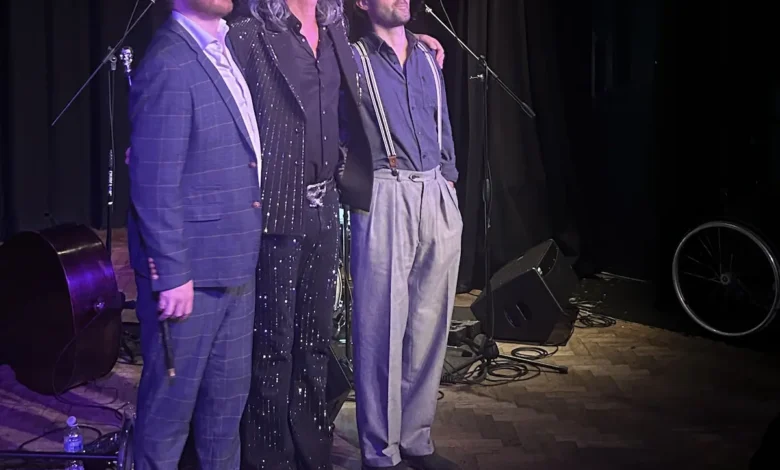
The Old Court in Windsor, a historic building that once served as a police station and fire house, became the unlikely epicenter of a musical revisionist history project on September 22, 2026. The evening’s performance by Jazz Sabbath, a trio featuring Adam Wakeman, Jonny Wickham, and Arthur Newell, offered a masterclass in genre-blending, centered on the bold, tongue-in-cheek claim that the iconic heavy metal catalog of Black Sabbath was, in fact, plagiarized from a lost jazz ensemble of the late 1960s.
The Theatrical Conceit: Milton Keanes and the Mythos
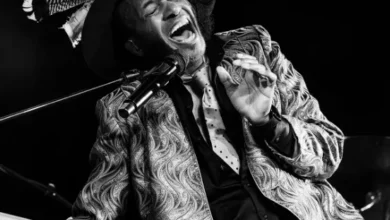
The performance was framed by the elaborate persona of "Milton Keanes," an 86-year-old jazz legend portrayed by Adam Wakeman. Donning a spangly jacket and navigating the stage with the aid of a silver-tipped cane, Wakeman leaned into the character to deliver a narrative that suggests the Birmingham-based metal pioneers were not the progenitors of their own legendary riffs.
According to the "Jazz Sabbath" lore—a detailed mythology available on the band’s official website and YouTube channel—the songs were written and performed by this jazz trio in the late 1960s, only to be lost when a record company warehouse fire destroyed the master tapes in 1970. This narrative serves as the structural scaffolding for the show, allowing the musicians to perform Black Sabbath classics such as "Iron Man," "Paranoid," and "Children of the Grave" through the lens of complex, improvisational jazz.
A Musical Trio of Distinction
Beyond the elaborate theatrical mask of Milton Keanes, the performance highlighted the technical prowess of three seasoned musicians. Adam Wakeman, a veteran keyboardist who has served as a touring member for both Black Sabbath and Ozzy Osbourne, brought a deep, encyclopedic knowledge of the source material to the keys. His ability to deconstruct these heavy riffs into sophisticated jazz arrangements demonstrated a bridge between two seemingly disparate worlds.
Arthur Newell, a drummer of international standing, provided the rhythmic heartbeat of the evening. His style—economical, precise, and understated—allowed the songs to breathe in ways the original, high-gain metal tracks could not. His seamless transition from traditional drumsticks to brushes during mid-set lulls illustrated a mastery of dynamic control. Jonny Wickham, on bass, anchored the trio, providing the necessary low-end resonance that grounded the more experimental flourishes.
Chronology of the Performance
The concert was structured into two distinct sets, separated by an intermission that served to maintain the illusion of a vintage 1960s nightclub atmosphere.
- First Set: The band opened with an exploration of the "lost" catalog, featuring intricate takes on "Fairies Wear Boots" and "Spiral Architect." The tone was set by Wakeman’s anecdotal banter, which wove fictional historical accounts with genuine musical theory.
- Intermission: A brief period allowing for the transition between the narrative history of the band and the high-energy finale.
- Second Set: The performance escalated in intensity, incorporating impromptu medleys. Wakeman, mirroring the improvisational spirit of his father, the legendary Rick Wakeman, seamlessly integrated the James Bond theme and fragments of Beatles compositions into the structural framework of Black Sabbath tracks.
- Encore: The night concluded with a humorous and high-energy sequence involving a Henry vacuum cleaner, which served as a percussion instrument during Newell’s final, extended drum solo, reinforcing the band’s commitment to blending high-art musicianship with low-brow comedy.
Historical Context and The Venue’s Legacy
The choice of The Old Court in Windsor was not merely a logistical decision; it served as a symbolic backdrop for the night. The building, which transitioned from a site of civic authority—housing a police station and magistrate’s court—to a community arts venue, mirrors the band’s transformation of "heavy" authority into "light" entertainment. Given that the Jazz Sabbath mythos centers on a 1970 warehouse fire, holding the performance in a former fire station added a layer of irony that resonated with the audience.
Market Appeal and Broader Implications
The success of the current UK and European tour, which sees the trio performing in intimate venues across the continent, suggests that the project has moved beyond a niche novelty act. For fans of Black Sabbath, the show offers a chance to hear familiar melodies in a new, technically challenging environment. For jazz enthusiasts, it provides an accessible entry point into complex improvisation.
The implications of this tour are significant within the current music landscape. It signals a growing appetite for "genre-bending" tributes that prioritize musicianship over mere mimicry. By treating the source material with both reverence and subversion, Jazz Sabbath has carved out a unique space in the touring market.
Analytical Overview of the Repertoire
The transformation of tracks like "War Pigs" into "Raw Pigs"—a humorous nod to a story about the perils of undercooked meat—exemplifies the band’s approach. By changing the context of the songs, the trio forces the listener to hear the underlying composition rather than the iconic production associated with the original recordings.
Data from the band’s recent streaming figures and physical merchandise sales indicate that the project has successfully leveraged the intellectual property of Black Sabbath to build a self-sustaining brand. Unlike traditional tribute bands that aim for sonic accuracy to the original, Jazz Sabbath operates as a creative extension, effectively using the "theft" narrative to justify its existence as a legitimate jazz outfit.
Official Perspectives and Audience Reception
While there have been no formal statements from the original members of Black Sabbath regarding the jazz trio’s claims, the project has gained significant traction, evidenced by the sold-out nature of their recent performances. The demographic at The Old Court reflected a mix of aging metal fans, characterized by band-logo t-shirts and long hair, alongside a younger, jazz-savvy audience.
The lack of pretension from the stage created a welcoming atmosphere. Despite the complexity of the arrangements, the show remained grounded in a "knockabout" spirit. Wakeman’s ability to engage the audience, even through the absurdity of accordion solos and vacuum-assisted percussion, ensured that the event remained an interactive experience rather than a cold, academic performance.
Future Outlook
As Jazz Sabbath continues its extensive tour, the question remains whether the Milton Keanes persona will continue to evolve or if the band will eventually drop the theatrical facade. Given the current trajectory, the mythos appears to be a core component of their appeal. The ability to maintain the "deceit" while delivering world-class musical performances is a delicate balancing act that the trio has mastered.
The success of the performance at The Old Court confirms that music, even when rooted in the "heavy" traditions of the 20th century, remains fluid. By stripping away the distortion and the leather, Jazz Sabbath has revealed that the core compositions of the heavy metal genre are robust enough to withstand the scrutiny of a jazz trio. Whether as a tribute, a satire, or a genuine jazz exploration, the band has established a compelling case for the continued relevance of the Black Sabbath catalog in the contemporary musical landscape.
As they move forward with their European dates, the trio serves as a reminder that the most effective way to honor musical history is, at times, to rewrite it entirely. The Old Court, with its rich local history, proved to be the ideal setting for this act of musical alchemy, proving that even a fictional 86-year-old jazz pianist can bring a house down.