Dayton Philharmonic Orchestra Musicians to Perform West Side Story Without a Contract Amid Looming Strike Authorization

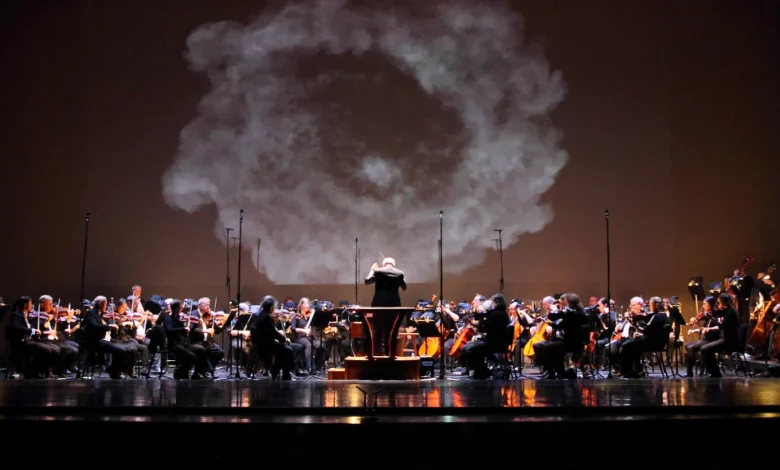
Community members, labor union allies, and dedicated orchestra patrons are preparing to gather outside the Schuster Center stage door this weekend to demonstrate solidarity with the Musicians of the Dayton Philharmonic Orchestra. This public show of support coincides with the opening production of the Dayton Performing Arts Alliance season, a high-profile presentation of Leonard Bernstein’s iconic musical masterpiece, West Side Story. However, the celebratory atmosphere typical of a season opener is heavily overshadowed by labor unrest, as the orchestra’s professional musicians are scheduled to take the pit and perform the demanding score while working entirely without a ratified collective bargaining agreement.
The demonstration along Ludlow Street represents a critical escalation in an ongoing labor dispute between the musicians and arts administration management. The public mobilization follows the formal announcement that members of the Dayton Philharmonic Orchestra have overwhelmingly voted to authorize a strike. Despite this severe escalation in labor tensions, the musicians have chosen to honor their performance commitments for the weekend, stepping up to the music stands under expired contract terms to ensure that audiences experience the production. The rally is scheduled to take place on September 26 and September 27, drawing regional attention to the precarious state of labor relations within Southwest Ohio’s premier performing arts institution.
Background Context of the Labor Dispute
The friction between the Dayton Performing Arts Alliance and the musicians of the Dayton Philharmonic Orchestra is rooted in broader, systemic economic pressures facing regional American orchestras in the post-pandemic era. Arts organizations nationwide have struggled to balance escalating operational costs, inflation, and shifting audience demographics with sustainable compensation models for artists. For years, the musicians of the Dayton Philharmonic have voiced concerns regarding equitable pay structures, healthcare benefits, and job security that reflect their rigorous professional training and vital contributions to the cultural vibrancy of the Dayton metropolitan area.
The Dayton Performing Arts Alliance itself is a unique operational model, formed through the historic merger of the Dayton Philharmonic Orchestra, the Dayton Opera, and the Dayton Ballet. While this consolidation was designed to maximize administrative efficiency and artistic collaboration, it has also created a complex management structure. Musicians argue that administrative priorities have frequently sidelined the artistic core of the organization, leading to prolonged negotiations that fail to address the rising cost of living and the professional standards expected of a modern regional orchestra. As negotiations have dragged on without yielding a mutually acceptable agreement, frustration among the musicians reached a tipping point, ultimately resulting in the strike authorization vote that has brought the current crisis to light.
Chronology of Events
The path toward the current standoff at the Schuster Center has developed steadily over recent months as previous labor agreements approached expiration.
- Early Negotiations: Representatives for the Dayton Philharmonic Orchestra musicians and the Dayton Performing Arts Alliance management began preliminary discussions regarding a successor contract, aiming to address compensation adjustments and workplace protections.
- Contract Expiration: As talks progressed, the existing collective bargaining agreement reached its official expiration date. In an exhibition of good faith, the musicians opted to continue performing their scheduled concert duties without a contract, allowing the organization to proceed with its artistic programming uninterrupted.
- Stalled Progress: Subsequent bargaining sessions failed to bridge significant gaps between management’s financial proposals and the musicians’ demands for fair wages and sustainable employment terms.
- Strike Authorization Vote: Frustrated by the lack of meaningful progress at the bargaining table, orchestra members held a formal vote, overwhelmingly authorizing union leadership to call a strike if negotiations continued to stall.
- The Season Opener Crisis: Management announced the grand season-opening production of West Side Story, setting the stage for a high-stakes weekend where musicians would perform under expired contract terms while facing the imminent threat of a labor stoppage.
- Scheduled Solidarity Rallies: Community activists, labor union representatives, and supportive patrons organized public demonstrations along Ludlow Street outside the Schuster Center stage door for September 26 and September 27 to greet arriving musicians and demand a fair contract.
Supporting Data and Industry Context
The situation in Dayton is part of a wider national trend of labor activism within the classical music and performing arts sector. Over the past several years, musicians across the United States have increasingly utilized strike authorizations and public rallies to push back against stagnant wages and reduced benefits. Orchestras in major metropolitan areas as well as regional institutions have faced similar reckoning points, reflecting a growing sentiment among professional artists that their labor must be valued commensurately with the economic realities of the modern economy.
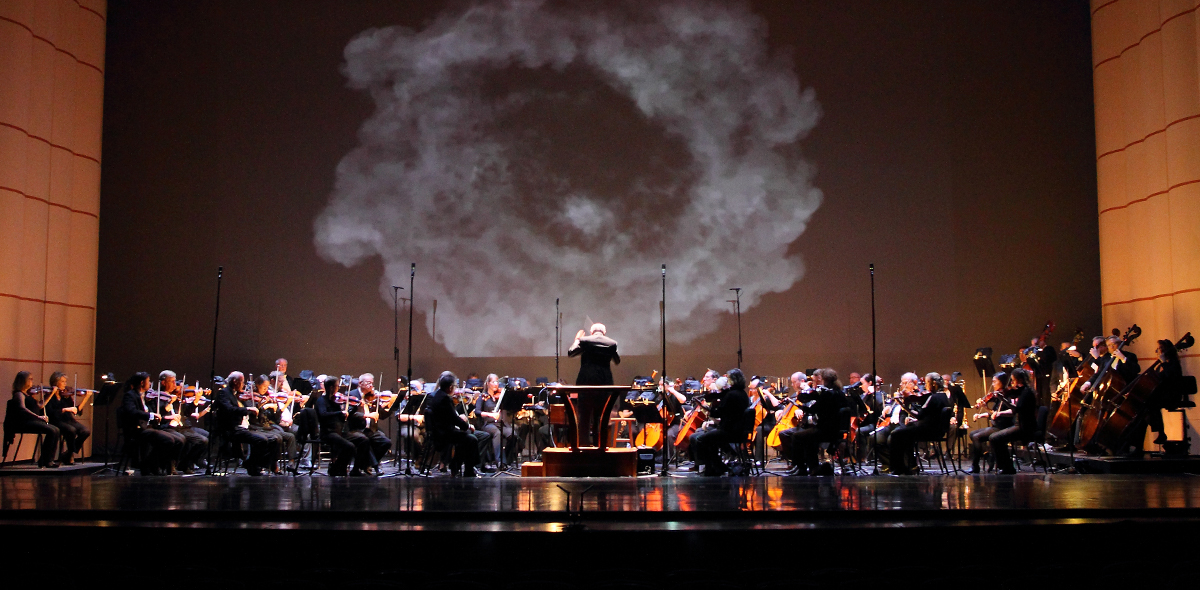
In the case of the Dayton Philharmonic Orchestra, the ensemble serves as a cornerstone of the region’s cultural and educational landscape. Comprising highly skilled professional instrumentalists, the orchestra not only performs classical masterworks and operatic accompaniments but also engages deeply with the community through educational outreach programs in local schools and public concerts. Data compiled by labor advocates suggest that compensation for regional orchestra musicians often lags significantly behind national medians when adjusted for local cost-of-living increases, making contract renewals critical battlegrounds for financial stability and artist retention. When musicians are forced to perform without a contract, it creates psychological strain and operational uncertainty that can directly impact morale and the long-term artistic quality of the ensemble.
Official Responses and Stakeholder Perspectives
While formal statements from the Dayton Performing Arts Alliance administration and union representatives reflect the tense nature of ongoing negotiations, both sides have publicly emphasized their commitment to the music and the community, even as their approaches to achieving resolution diverge sharply.
Management has consistently maintained that the organization operates within strict budgetary constraints dictated by philanthropic contributions, ticket sales, and endowment yields. Administrative leadership has expressed a desire to reach a fiscally responsible agreement that ensures the long-term viability of the alliance while acknowledging the invaluable talent of the orchestra members. Executives have urged continued dialogue, framing financial proposals as reflective of the regional economic climate and the post-pandemic recovery curve of nonprofit performing arts institutions.
Conversely, the musicians and their labor representatives argue that a thriving arts community cannot be sustained on the backs of underpaid artists. Through union channels, the musicians have articulated that their demands are both modest and necessary to maintain the high artistic standards that Dayton audiences have come to expect. By continuing to play complex, demanding works like Bernstein’s score for West Side Story under expired terms, the musicians aim to demonstrate unwavering professionalism and dedication to their patrons, contrasting their commitment with what they characterize as management’s reluctance to offer a equitable and competitive contract.
The intervention of community members, regional labor councils, and loyal orchestra patrons adds a powerful external dynamic to the dispute. Supporters lining Ludlow Street argue that a world-class orchestra requires world-class support for its players, framing the labor dispute not merely as a contract negotiation, but as a referendum on how the Dayton community values its cultural workers and institutions.
Broader Impact and Implications
The outcome of the labor dispute between the Dayton Performing Arts Alliance and the musicians of the Dayton Philharmonic Orchestra carries significant implications for the regional cultural ecosystem and the broader performing arts community.
Locally, any disruption to the season schedule—whether through a full-scale strike or prolonged friction—threatens ticket revenue, donor confidence, and community engagement. The Dayton Performing Arts Alliance represents a delicate financial ecosystem where the success of the opera, ballet, and orchestra relies heavily on uninterrupted programming and harmonious public relations. A protracted labor conflict risks alienating loyal patrons and diminishing the institutional prestige that has taken decades to build.
Nationally, the Dayton situation serves as a bellwether for regional orchestras navigating the turbulent economic waters of the 2020s. As arts organizations grapple with structural deficits and changing audience habits, the resolutions achieved—or failed to be achieved—at the bargaining table in Dayton will likely influence negotiation strategies elsewhere. If management and musicians can forge a progressive, sustainable agreement that respects the contributions of the artists while securing the financial health of the alliance, it could establish a positive precedent for other regional institutions facing similar crossroads.
For now, all eyes in Dayton remain fixed on the Schuster Center stage door. As the brass, woodwinds, strings, and percussion sections arrive to perform West Side Story this weekend, they will do so carrying the hopes of a community that loves their music, alongside the heavy burden of an unresolved labor battle. The notes of Bernstein’s timeless score will echo through the hall, serving simultaneously as a celebration of artistic excellence and a poignant reminder of the ongoing struggle for labor equity in the performing arts.