Plácido Domingo Foundation Launches Inaugural Zarzuela Residence in Madrid to Preserve and Promote Spanish Lyric Theater

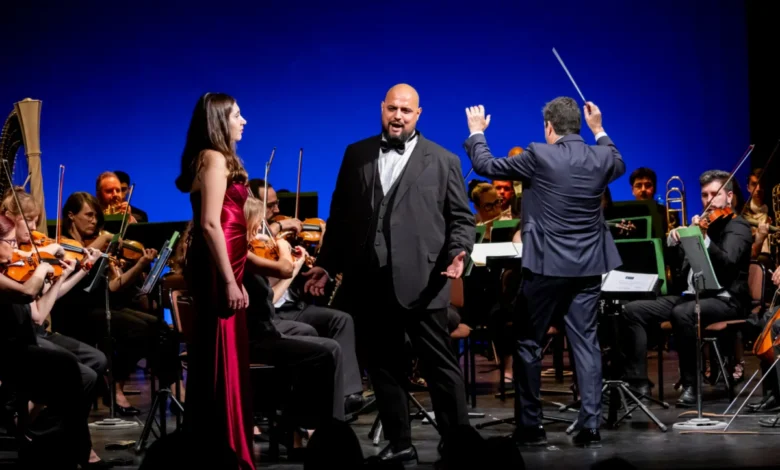
The Plácido Domingo Foundation has successfully concluded the first edition of its groundbreaking Zarzuela Residence, marking a significant milestone in the preservation, education, and global promotion of Spanish lyric theater. Held from September 21 to 26 at the prestigious Escuela Superior de Canto de Madrid, the week-long intensive training program convened nine exceptional young vocalists from seven countries to immerse themselves in the rich traditions of the zarzuela repertoire. This inaugural initiative represents a vital expansion of the foundation’s educational mission, offering targeted mentorship to artists who have previously distinguished themselves on the international stage through the Operalia competition.
As classical music institutions worldwide seek innovative ways to engage contemporary audiences while safeguarding historical repertoires, the establishment of a dedicated zarzuela academy addresses a long-standing gap in specialized vocal training. By bringing together international talent and legendary Spanish artists in the heart of Madrid, the Plácido Domingo Foundation has laid a robust foundation for the future transmission of this uniquely Hispanic art form.
Main Facts of the Inaugural Zarzuela Residence
The inaugural Zarzuela Residence was designed as an intensive artistic laboratory for nine rising opera stars selected from recent editions of Operalia, the prestigious worldwide opera competition founded by Plácido Domingo. The participants—Davide Battiniello, Ekaterine Buachidze, Aleksandra Domashchuk, Oleh Lebedyev, Jack Lee, Sarah Saturnino, Shine Lee, Yosif Slavov, and Yuliia Zasimova—travelled to Madrid from diverse corners of the globe to refine their interpretation of Spanish musical heritage.
The curriculum focused heavily on masterworks of the zarzuela genre, including demanding arias and complex duets from Federico Moreno Torroba’s "Luisa Fernanda," Amadeo Vives’s "Doña Francisquita," and Pablo Sorozábal’s "La tabernera del puerto." These canonical works require not only immense vocal dexterity and stylistic authenticity but also a deep understanding of Spanish theatrical cadence, poetic nuance, and dramatic timing.
Oliver Díaz, artistic director of the Plácido Domingo Foundation, spearheaded the academic program. He was joined by an illustrious faculty of mentors who brought decades of international stage experience to the studio. Among them were renowned mezzo-soprano Nancy Herrera, celebrated baritone Carlos Álvarez, and eminent stage director Emilio Sagi. The vocal coaching staff was further bolstered by expert répétiteurs Borja Mariño and Carlos Sanchis, ensuring that every singer received meticulous, individualized musical preparation throughout the rigorous six-day schedule.
Chronology and Timeline of the Week
The intensive residency unfolded according to a carefully structured schedule at the Escuela Superior de Canto de Madrid, balancing rigorous private coaching with public-facing educational outreach.
Planning and Selection: In the months leading up to September 2025, organizers curated the roster of participants by evaluating standout competitors from recent Operalia cycles. Special consideration was given to artists who had demonstrated a natural affinity for Spanish repertoire or who had captured specific accolades in the zarzuela category. Among the chosen cohort were standout performers such as Ekaterine Buachidze, who swept multiple honors at Operalia 2025—securing first prize, the audience prize, and the zarzuela prize—and Jack Lee, who earned the audience prize during the 2024 competition.
Arrival and Orientation (September 21): The nine international singers convened in Madrid for an opening orientation session led by Oliver Díaz and the faculty. The initial day established artistic objectives, distributed core musical scores, and set the collaborative tone for the week.
Intensive Coaching and Masterclasses (September 22–25): The middle days of the residency were characterized by intensive vocal coaching, musical rehearsals, and staging workshops. Singers worked daily with mentors Nancy Herrera, Carlos Álvarez, and Emilio Sagi, dissecting the psychological motivations of characters in "Luisa Fernanda," "Doña Francisquita," and "La tabernera del puerto."
In addition to closed-door technical sessions, the residence incorporated master classes open to the wider student body of the Escuela Superior de Canto de Madrid. A notable highlight of this outreach was a collaborative session led by baritone Carlos Álvarez alongside Alonso Cano, a promising young baritone currently studying at the institution. This intergenerational mentorship provided local students with rare insights into professional performance standards and career navigation.
Conclusion and Evaluation (September 26): The residency culminated in final presentations and collaborative roundtables, where faculty members evaluated the artistic growth of the participants and outlined potential pathways for future performance opportunities involving the zarzuela repertoire on international stages.
Supporting Data and Context of Zarzuela
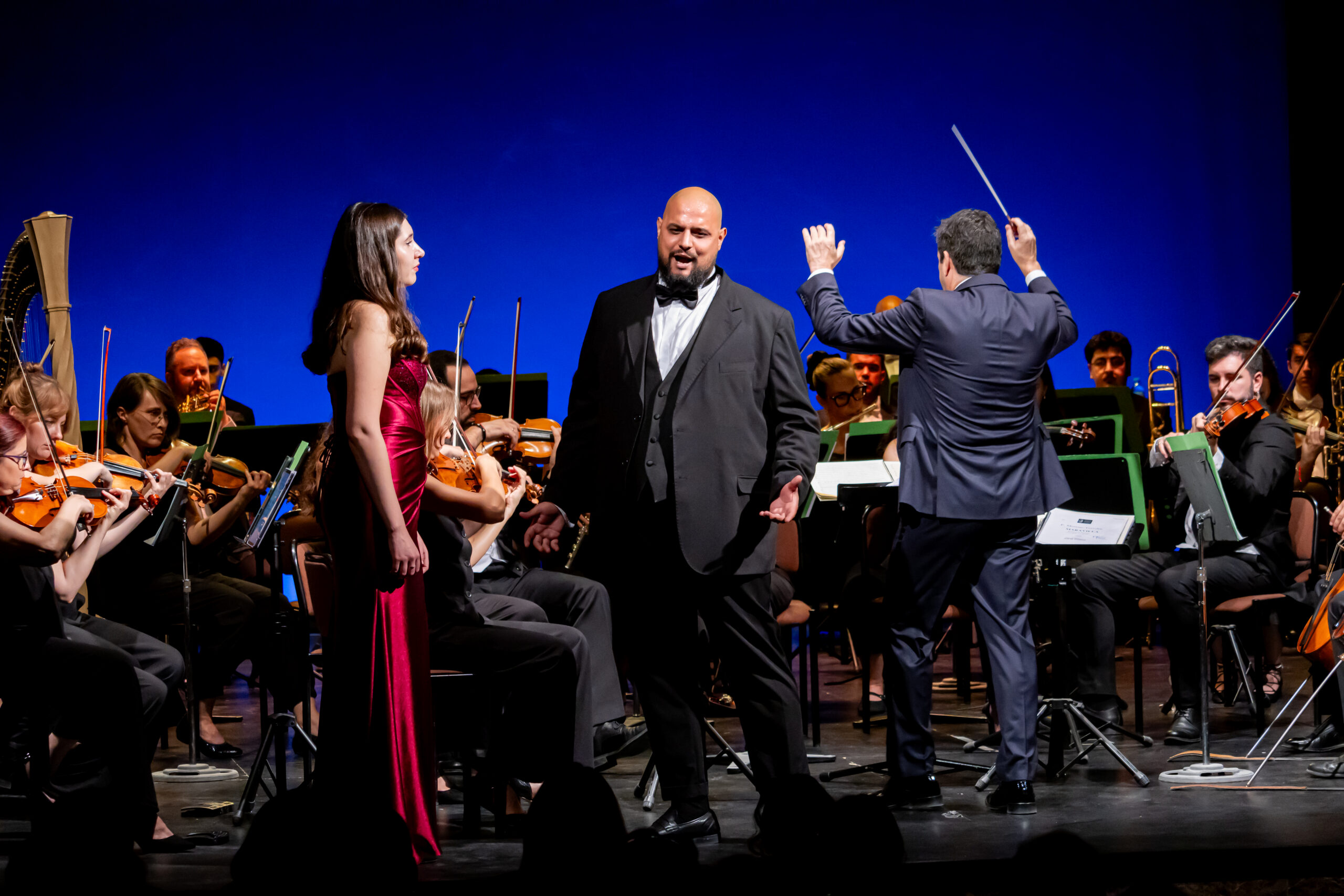
Zarzuela, a distinct Spanish lyric-dramatic genre that alternates between spoken theater and sung operatic passages, boasts a history spanning more than four centuries. Originating in the 17th century at the royal court of Spain, the genre experienced a massive golden age during the 19th and early 20th centuries, often referred to as the "género chico" (small genre) and the broader romantic zarzuela era.
Despite its immense popularity in the Spanish-speaking world and its rich musical complexity—which frequently incorporates vibrant folk rhythms such as jotas, habaneras, seguidillas, and zarabandas—zarzuela has historically struggled to achieve the same widespread global penetration as Italian, French, or German opera. Major international opera houses outside of Spain and Latin America rarely mount full zarzuela productions, largely due to the specific linguistic demands, the integration of spoken dialogue, and a lack of specialized vocal training programs abroad.
The launch of the Plácido Domingo Foundation’s residency directly confronts this systemic challenge. By targeting singers who are already building international careers through competitions like Operalia, the foundation ensures that elite vocalists from Asia, Eastern Europe, the Americas, and Western Europe are introduced to the idiomatic nuances of zarzuela early in their professional trajectories. This strategy creates a multiplier effect: as these nine singers return to opera houses worldwide, they carry with them the technical mastery and artistic passion required to champion Spanish repertoire on foreign stages.
Official Responses and Institutional Perspectives
While the Plácido Domingo Foundation has long championed Hispanic musical culture through various global initiatives, this marks its first dedicated training program exclusively focused on zarzuela. Representatives for the foundation noted that the overwhelming enthusiasm demonstrated by both the international participants and the local Spanish student body underscores a growing demand for specialized pedagogical frameworks in classical music.
Artistic Director Oliver Díaz emphasized the importance of passing down stylistic traditions directly from seasoned masters to the rising generation of performers. In statements shared with faculty and participants during the residency, organizers underscored that technical vocal training alone is insufficient for zarzuela; artists must also absorb the theatrical spirit, cultural context, and linguistic precision unique to Spain’s dramatic heritage.
Mentors participating in the program expressed profound optimism regarding the future of the art form. Baritone Carlos Álvarez highlighted the remarkable adaptability and linguistic dedication shown by the non-Spanish-speaking participants, noting that young international artists often approach the material with a fresh, objective reverence that breathes new life into familiar scores. Similarly, stage director Emilio Sagi emphasized the theatrical vitality of zarzuela, pointing out that works like "Doña Francisquita" possess a structural sophistication and dramatic wit that rival the finest comic operas of the 19th-century European canon.
Broader Impact and Implications for the Operatic Landscape
The implications of the inaugural Zarzuela Residence extend far beyond a single week of masterclasses in Madrid. By institutionalizing this training model, the Plácido Domingo Foundation is actively addressing several critical challenges facing the contemporary classical music industry:
Diversification of Repertoire: Opera houses globally are under increasing pressure to diversify their programming, moving beyond the standard nineteenth-century canon to attract modern audiences. Zarzuela offers a compelling alternative, blending lush orchestration, memorable melodies, and accessible theatrical comedy and drama. A pool of internationally trained singers equipped to perform this repertoire makes it significantly easier for global houses to mount these works.
Globalizing Spanish Culture: The inclusion of participants from diverse geographic backgrounds—ranging from Asian nations to Eastern Europe—demonstrates that Spanish lyric theater possesses universal appeal. When artists from outside the Hispanic world successfully master the zarzuela style, cultural barriers are dismantled, paving the way for broader international recognition of Spanish composers such as Sorozábal, Vives, and Moreno Torroba.
Pedagogical Evolution in Conservatories: By integrating public masterclasses with the Escuela Superior de Canto de Madrid, the residence fostered a direct exchange between elite international artists and local students. This pedagogical model enriches the host institution and reinforces Madrid’s status as the global capital of zarzuela scholarship and performance.
Looking Ahead
Following the successful execution of this inaugural week, stakeholders within the Plácido Domingo Foundation are expected to evaluate the outcomes of the 2025 program with an eye toward future expansion. Given the positive reception from participants, mentors, and local academic leaders, industry observers anticipate that the Zarzuela Residence will become a recurring annual fixture on the international classical music calendar.
As these nine singers—Davide Battiniello, Ekaterine Buachidze, Aleksandra Domashchuk, Oleh Lebedyev, Jack Lee, Sarah Saturnino, Shine Lee, Yosif Slavov, and Yuliia Zasimova—reintegrate into the global circuit of opera houses and concert halls, the seeds planted at the Escuela Superior de Canto de Madrid are poised to yield a rich harvest for the future of Spanish lyric theater. Through rigorous mentorship, institutional support, and an unwavering commitment to artistic excellence, the Plácido Domingo Foundation has established a vital new chapter in the enduring legacy of zarzuela.